Ear Bonnets & Fly Veils
2 products
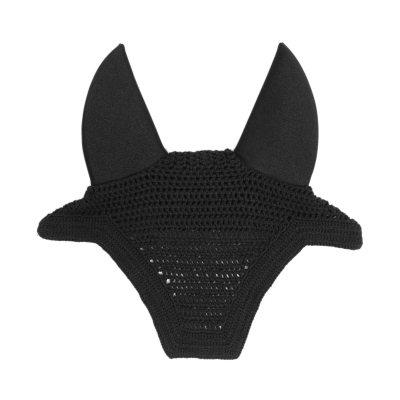
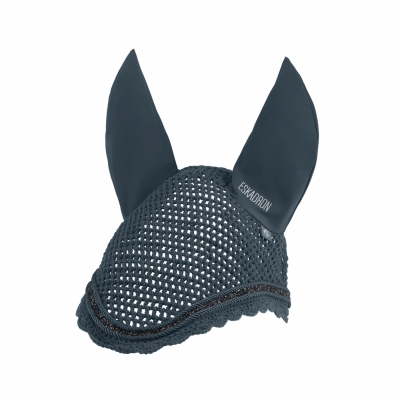
Fly veils in many colours, crocheted, with sound absorption or to match the saddle pad.
What are fly veils used for on horses?
Fly veils keep mosquitoes and horseflies away from the sensitive ears and are mainly used when you are riding. Midges are particularly drawn to the ears, the midline of the belly and the inner thighs.
For hacks there are designs that combine ear protection with fringes or a fine mesh in front of the eyes. The natural hair in the ear also protects against insects, which is why, according to Cavallo, clipping out the ears is prohibited under the German Animal Welfare Act.
How should fly veils fit?
Fly veils fit correctly when the ear parts are long enough and your horse can move its ears freely. The movement of the ears must not be restricted, and the eyes and bridge of the nose must remain uncovered.
According to the FN equipment rules for the German competition rules (LPO) ear protection must not be attached to the noseband at competitions. Also check that nothing is rubbing at the base of the ears.
Are fly veils allowed in competitions?
Ear protection is generally permitted in competition according to the FN equipment rules for the German competition rules (LPO). Under the 2017 version, sound-absorbing material is only allowed in indoor classes and must not extend into the ear canal or ear flap.
In some competitions under the German rules for grassroots competitions (WBO), for example in certain handy horse classes, fly protection for the ears is not permitted. You should therefore always check the current version of the rules and the schedule.
How do I recognise that my horse’s ears are bothering it?
Warning signs include frequent head shaking, rubbing the ears on the leg, or if your horse suddenly no longer allows you to touch its ears. In that case you should call in the vet.
According to Cavallo, matted hair at the edge of the ear flap can also indicate a wound. Fly veils help against annoying insects, but they do not replace an examination if there are problems.
By Julia Lühr, Ahrens Reitsport · Updated