
Bandage Pads
6 products
Bandage pads made from foam or with a temperature-regulating function, the base layer under every bandage.
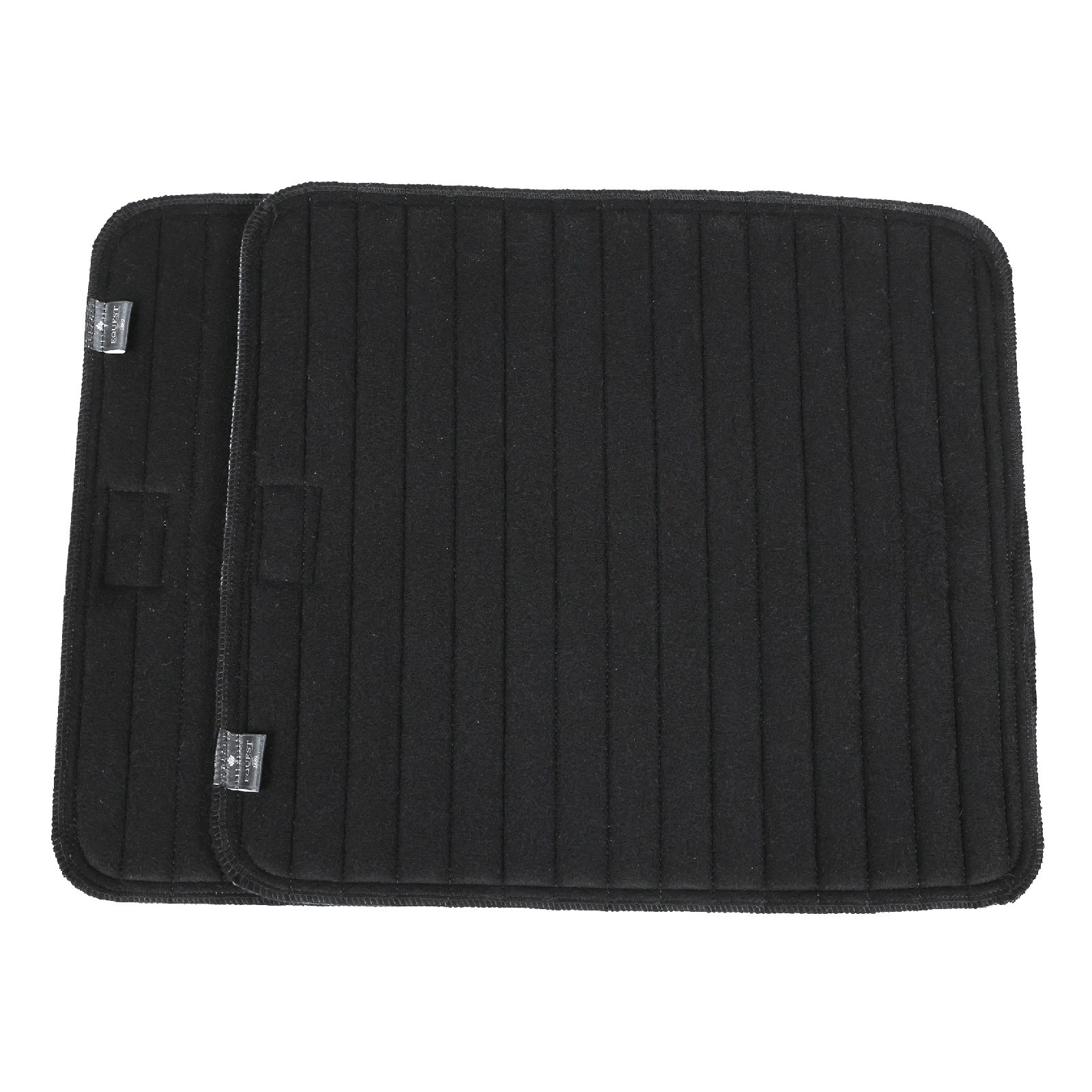
Equest
Equest Bandage Pads DRY L-Tex
5 variants
incl. 19% VAT, plus shipping
In stock now · delivery in 3–5 days
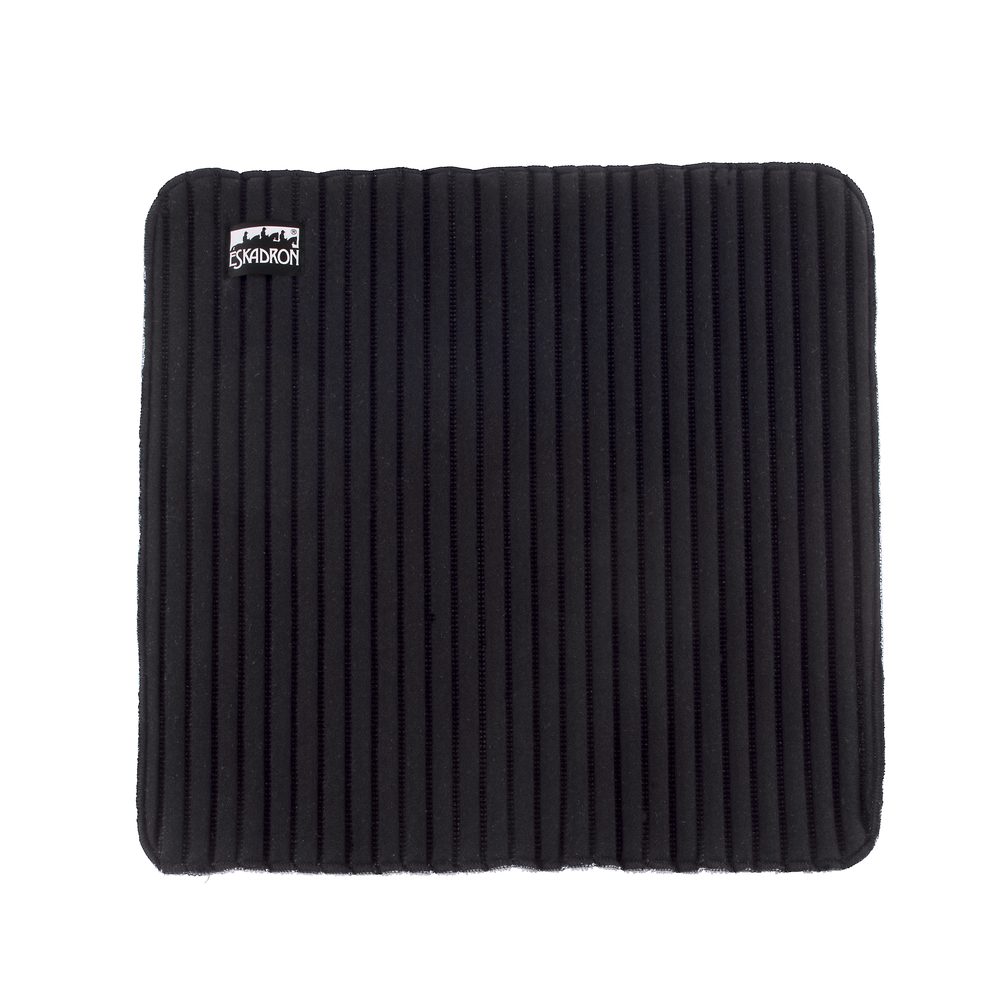
Eskadron
Eskadron Bandage Pads Climatex 32x45 cm
2 variants
incl. 19% VAT, plus shipping
In stock now · delivery in 3–5 days
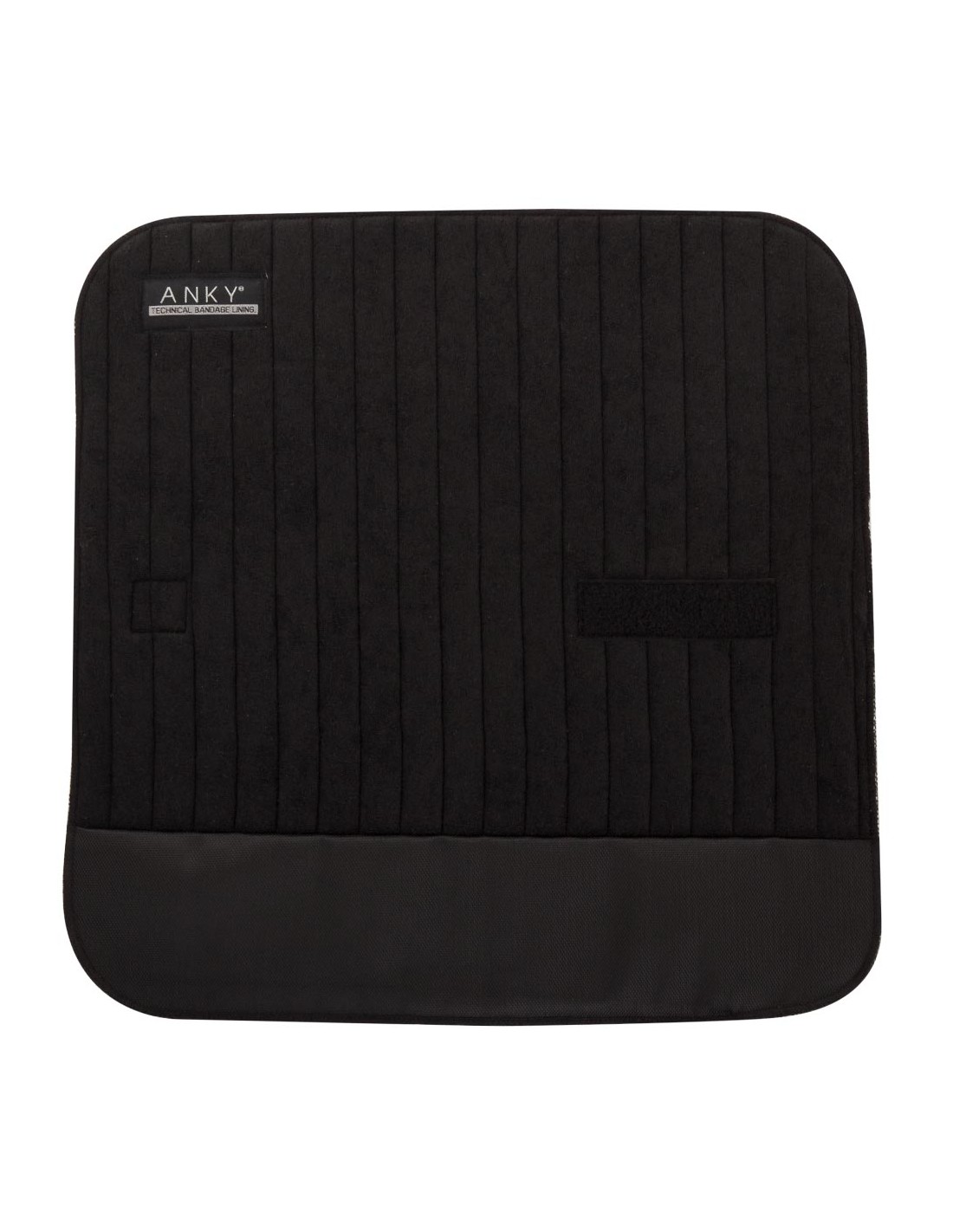
ANKY
ANKY Bandage Pads 50x50 cm
2 variants
incl. 19% VAT, plus shipping
In stock now · delivery in 3–5 days
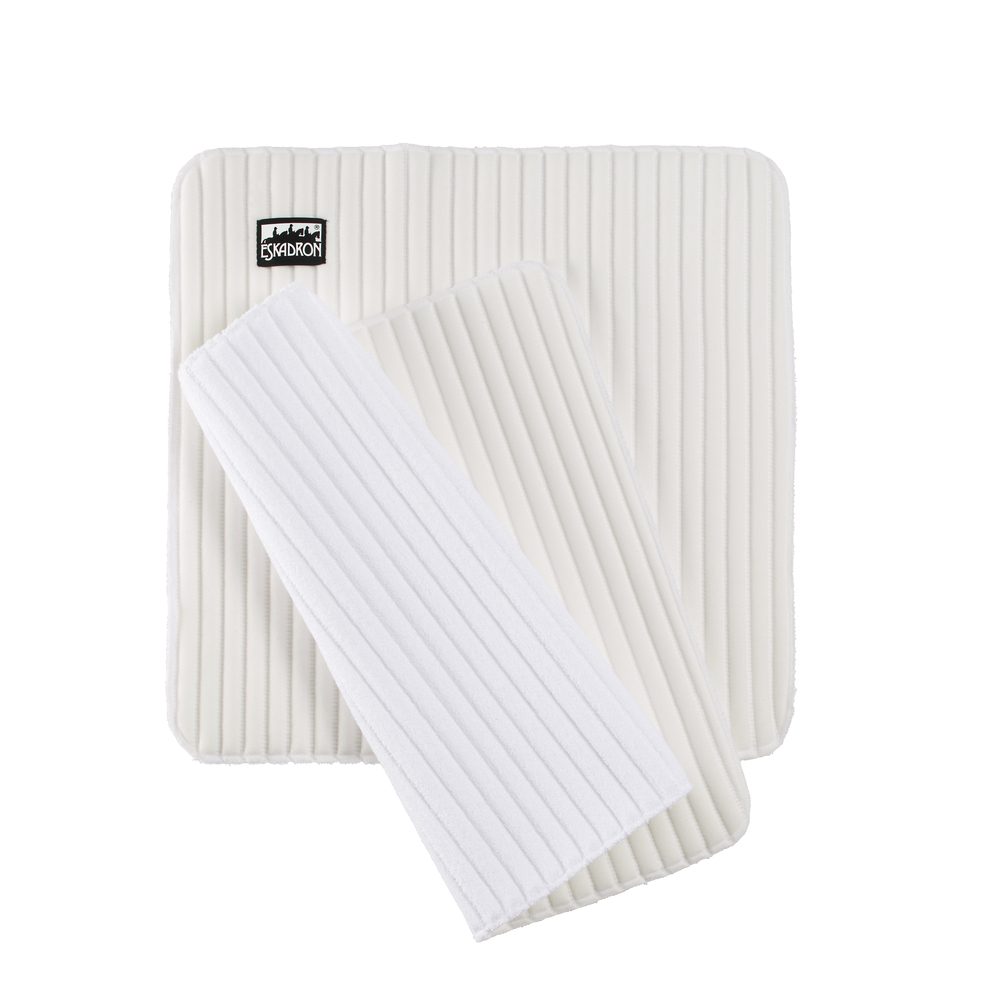
Eskadron
Eskadron Climatex Bandage Pad 45x45 white
incl. 19% VAT, plus shipping
In stock now · delivery in 3–5 days
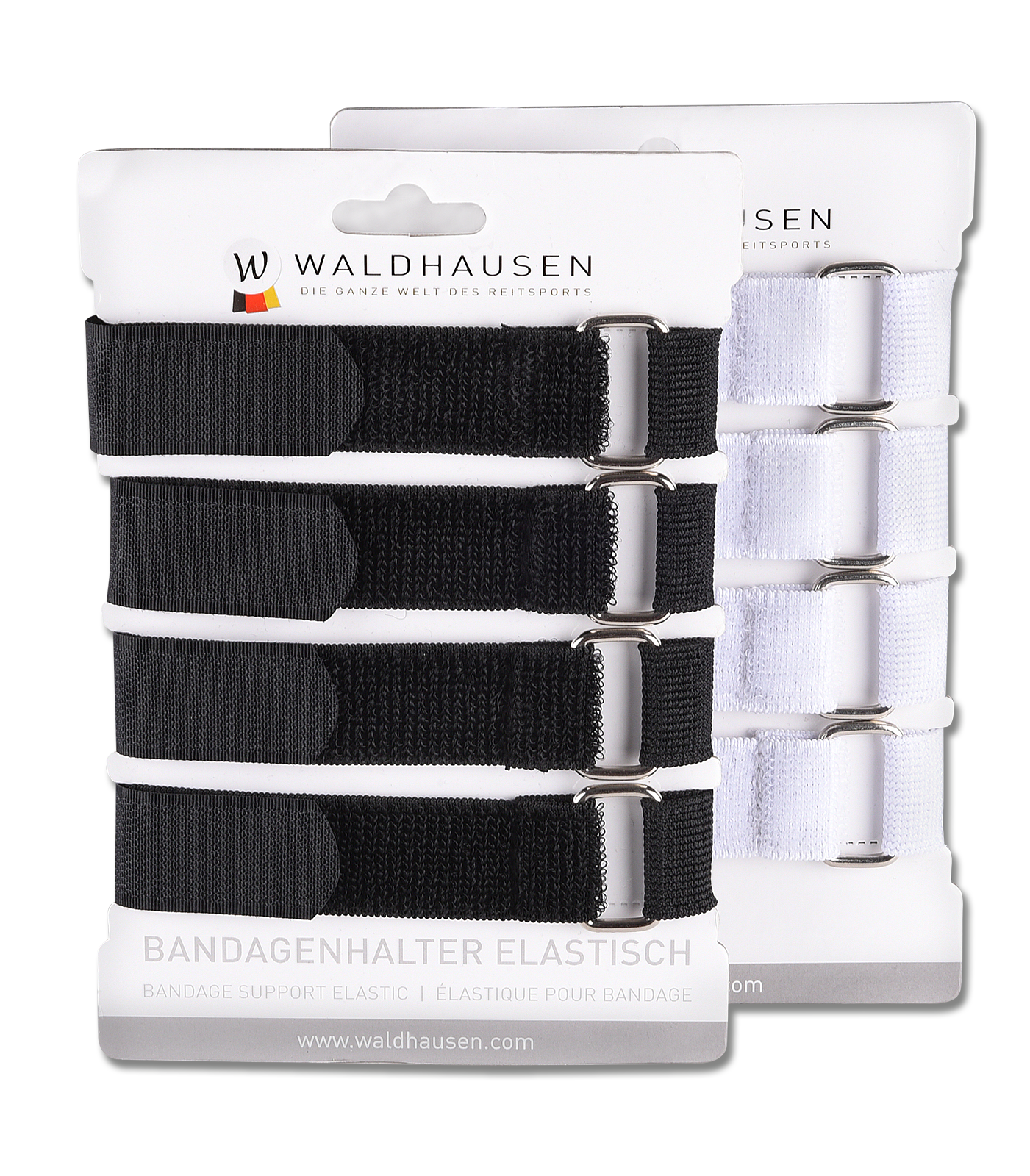
Waldhausen
Waldhausen Bandage Holders Set of 4, black
incl. 19% VAT, plus shipping
In stock now · delivery in 3–5 days
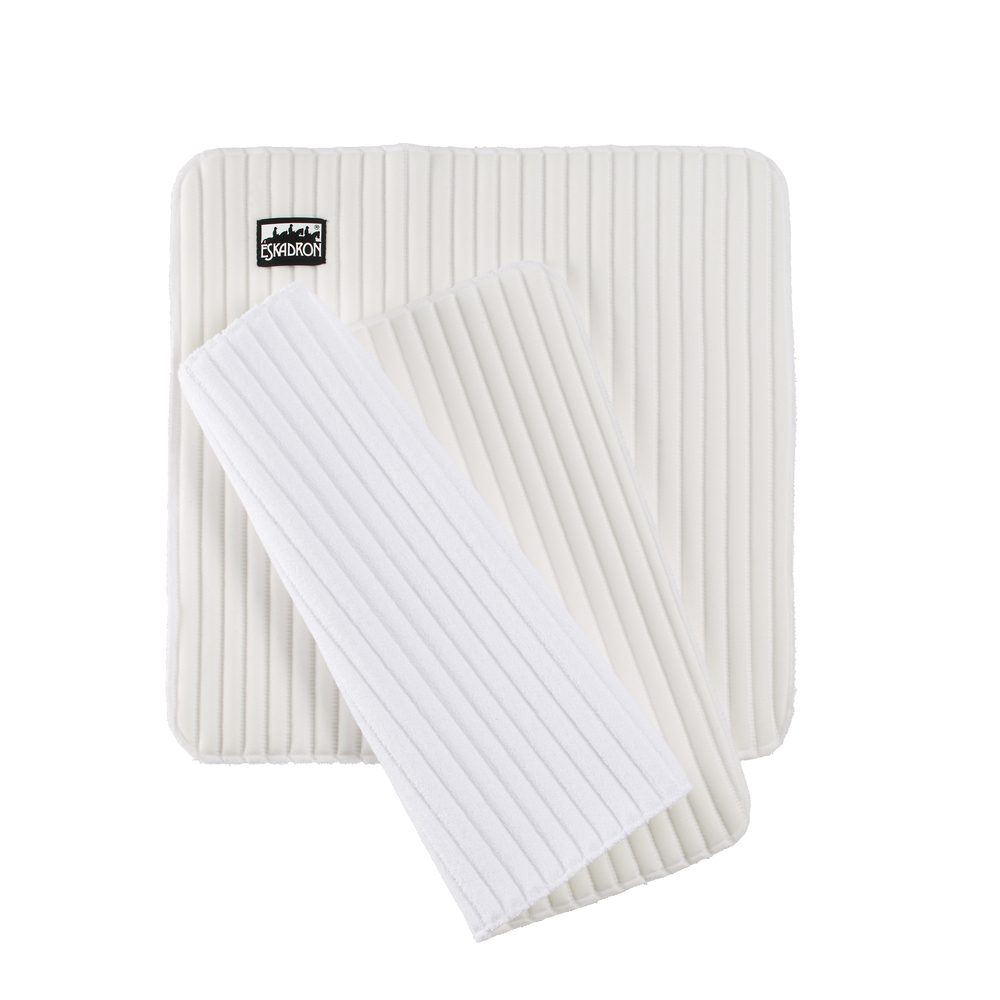
Eskadron
Eskadron Bandage Pad Climatex Pony 25x35 cm, white
incl. 19% VAT, plus shipping
In stock now · delivery in 3–5 days
What do I need bandage pads for?
Bandage pads cushion the leg under the bandage and are intended to prevent pressure marks, restricted circulation and rubs. A bandage that is applied too tightly can otherwise cause pressure damage, even tissue death.
Many riders choose pads in colours that match the saddle pad. More important than the colour, however, is that they match the size of the leg and lie smoothly against it.
What size bandage pads do I need?
As a guide, the dimensions for ponies are 25 × 35 cm for the front legs and 35 × 35 cm for the hind legs, for Thoroughbreds 30 × 40 cm for the front legs and 40 × 40 cm for the hind legs, for Warmbloods 35 × 45 cm for the front legs and 45 × 45 cm for the hind legs.
The hind legs therefore need larger pads than the front legs. Choose the size to suit your horse type so that the pad lies smoothly and does not form folds.
How do I apply bandage and pad correctly?
Ask your horse to stand straight, then place the pad smoothly and without folds around the cannon bone. Wrap the bandage from top to bottom down to the fetlock and back up again, leaving the back of the pastern free.
The bandage must be neither too tight nor too loose. Sand or dirt under the pad leads to rubs, which is why the leg should be clean and dry beforehand. Fabric pads can usually be washed at 30 degrees without a spin cycle.
Can I bandage my horse overnight?
Stable bandages worn overnight are only useful for medical treatment. A study by the University of Veterinary Medicine Hannover showed that bandages interrupt lymph flow from the level of the fetlock joint after a short time.
Elastic bandages also put additional pressure on the blood vessels. If your horse has filled legs, regular movement will help. Your vet will decide whether a bandage is necessary.
By Julia Lühr, Ahrens Reitsport · Updated