
Lunging Cavessons
3 products
Lunging cavessons for refined groundwork and lunging, anatomical and well padded.
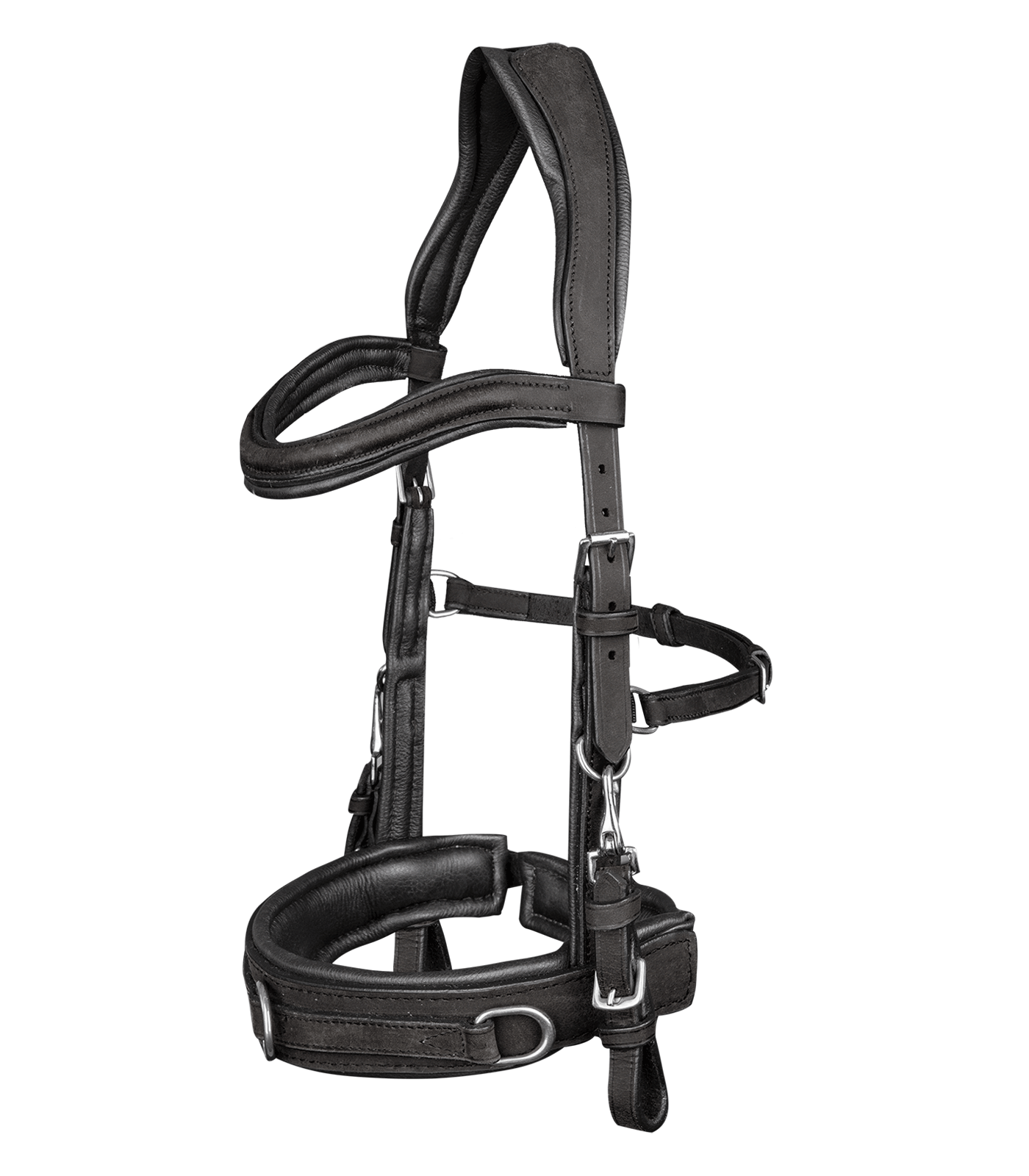
Waldhausen
Waldhausen Leather Lunging Cavesson Anatomic, black
2 variants
incl. 19% VAT, plus shipping
In stock now · delivery in 3–5 days
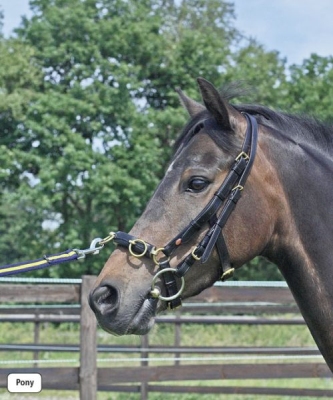
Busse
Busse Lunging Cavesson Professional black/brass
3 variants
incl. 19% VAT, plus shipping
In stock now · delivery in 3–5 days
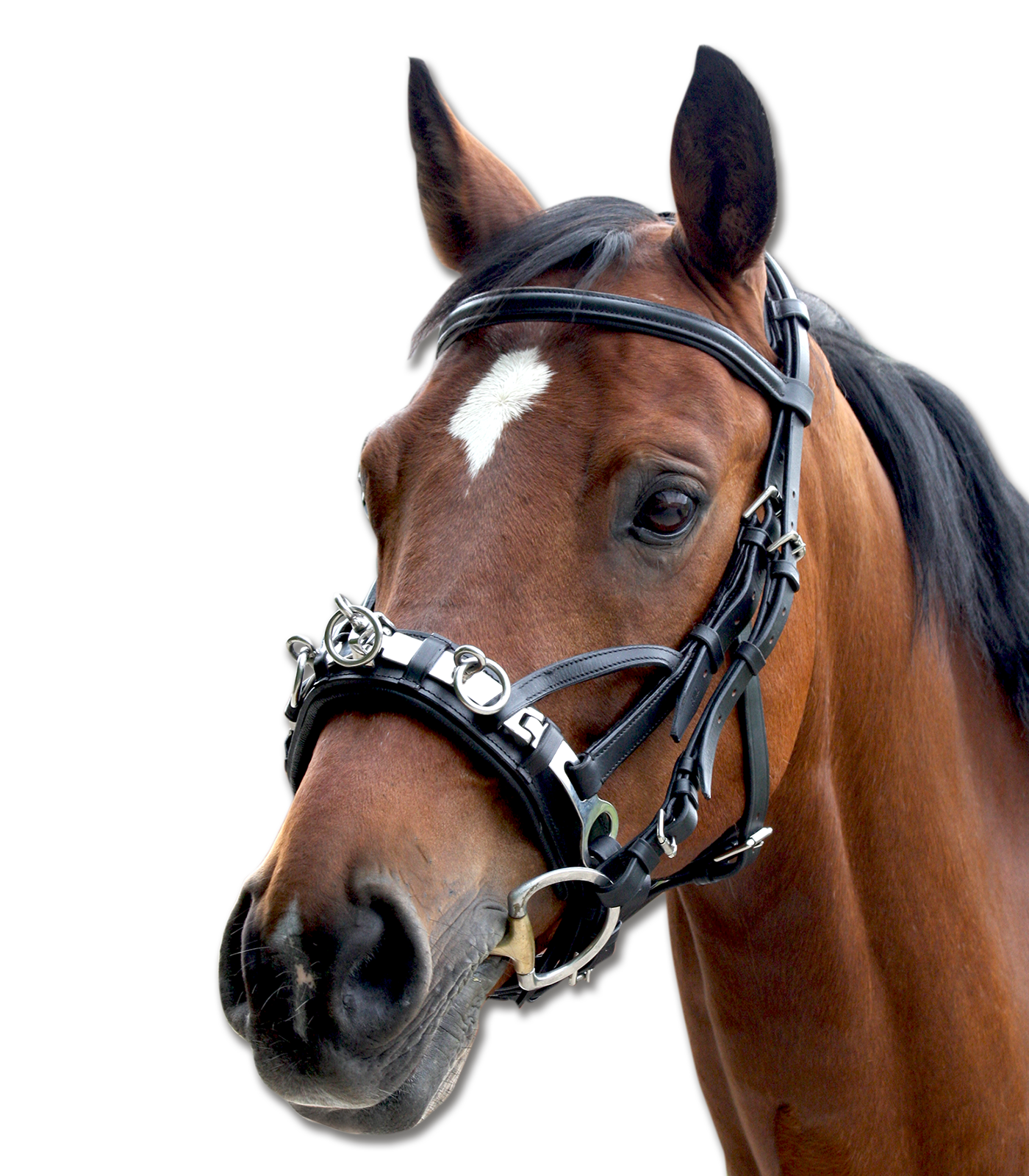
Waldhausen
Waldhausen Lunging Cavesson with Bit Attachment, black
incl. 19% VAT, plus shipping
In stock now · delivery in 3–5 days
Which lunging cavesson is suitable for beginners?
When starting out, it is best to use a sturdy, well padded German-style lunging cavesson with a wide nosepiece. It has a multi-jointed, padded metal piece over the nose.
French models use a padded chain, while Iberian ones such as the Serreta use a solid metal part. These variants are more suitable for experienced riders and horses. Soft, padded lunging cavessons distribute the pressure more evenly than narrow, hard ones.
How should a lunging cavesson fit?
The nosepiece lies centrally on the bridge of the nose, with about two fingers’ distance to the cheekbone so that it does not press on sensitive nerve pathways. It must not slip sideways when lunging.
The lunging cavesson must be fastened correctly. It must neither pinch nor slip and should be well padded.
Where do you attach the lunge line on the lunging cavesson?
As a rule, on the middle ring on the nosepiece. The additional rings offer further fastening options.
Many lunging cavessons can be fastened over the bridle, and some models also have bit hangers. The lunging cavesson is particularly popular for young horses because the lunge line does not act directly on the mouth. For horses that object to metal in the mouth, working without a bit can help them stretch forwards and downwards.
Can a lunging cavesson harm the horse?
Used incorrectly, yes: clumsy aids can unbalance the horse or cause pain, especially in the area of the cervical spine. Used correctly, the lunging cavesson, on the other hand, promotes stretching and bend.
The horse should already know the basics of groundwork before you lunge with the cavesson. Start at walk on a smaller circle with an even contact and only then progress to trot and canter.
By Julia Lühr, Ahrens Reitsport · Updated