
Fur-Lined Headcollars
9 products
Cosy fleece-lined headcollars, gentle on sensitive horse skin, also ideal for travelling.
 Sale
Eskadron
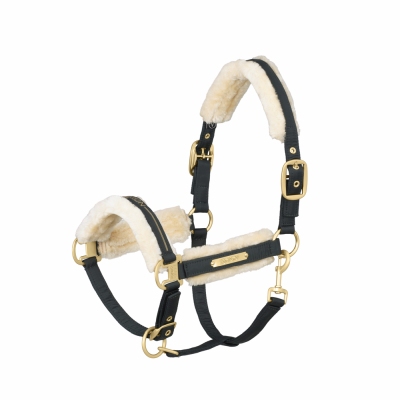
Eskadron Headcollar Glossy Doublepin FauxFur Heritage
10 variants
incl. 19% VAT, plus shipping
In stock now · delivery in 3–5 days
Kentucky Horsewear
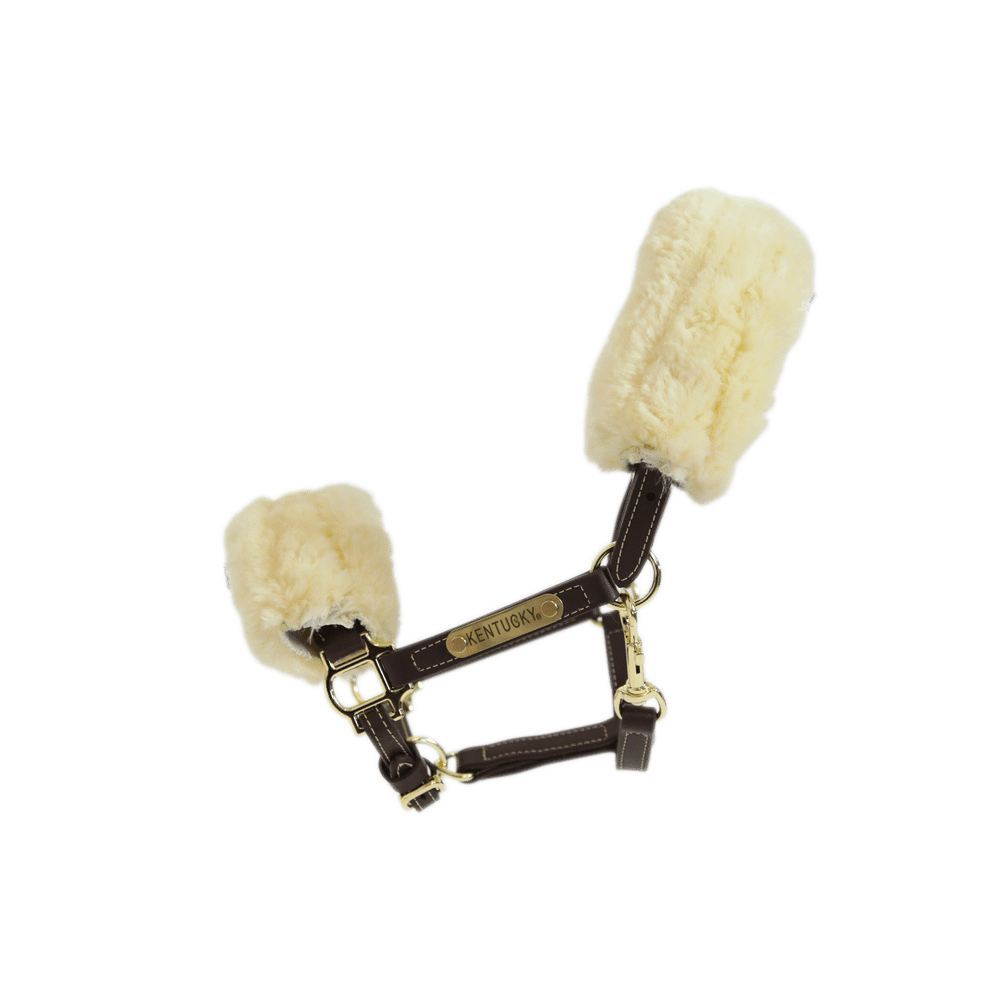
Kentucky Leather Headcollar with Fleece, brown
incl. 19% VAT, plus shipping
In stock now · delivery in 3–5 days
Kentucky Horsewear
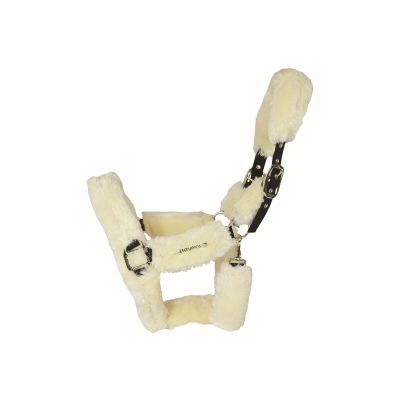
Kentucky Travel Headcollar Faux Fur
10 variants
incl. 19% VAT, plus shipping
In stock now · delivery in 3–5 days
Eskadron
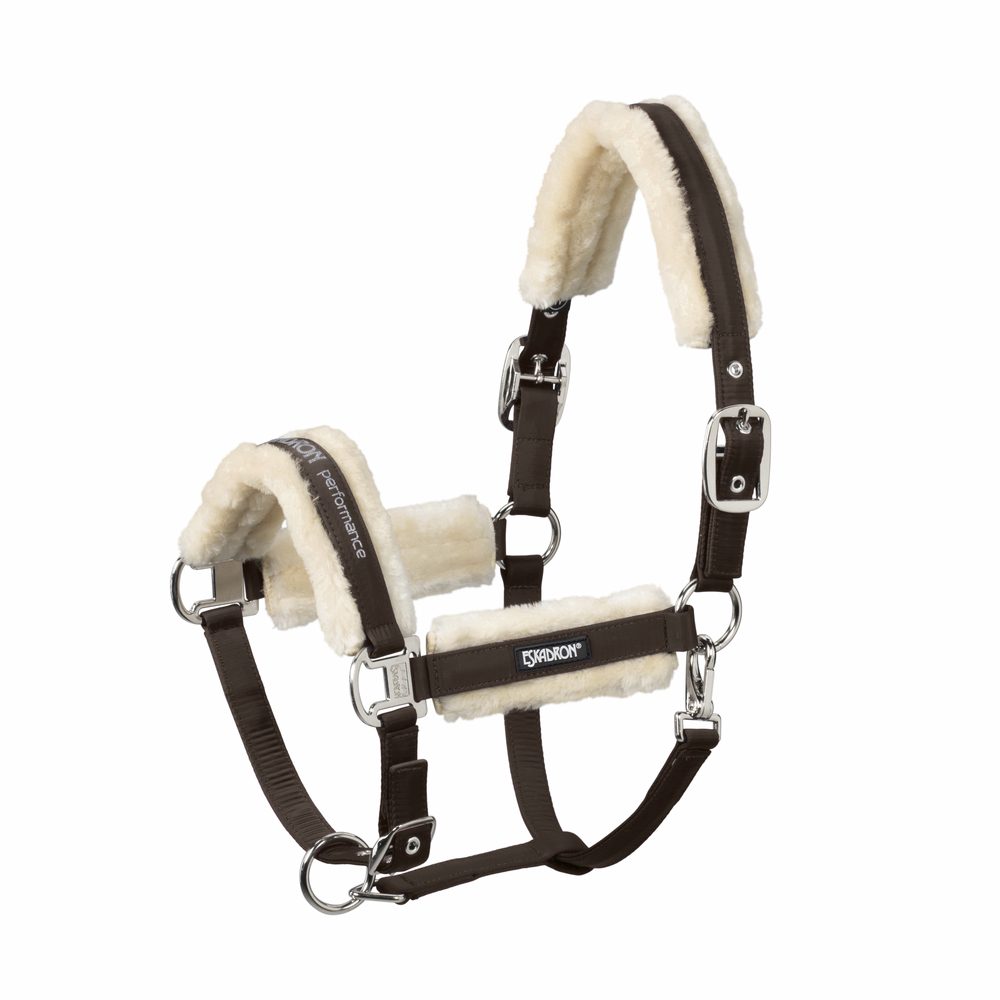
Eskadron Headcollar FauxFur Double Pin Core
4 variants
incl. 19% VAT, plus shipping
In stock now · delivery in 3–5 days
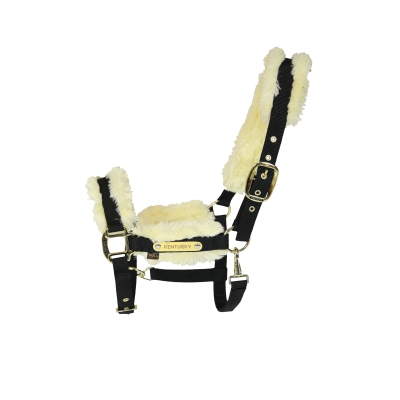
Kentucky Horsewear
Kentucky Headcollar Nylon Faux Fur
5 variants
incl. 19% VAT, plus shipping
In stock now · delivery in 3–5 days
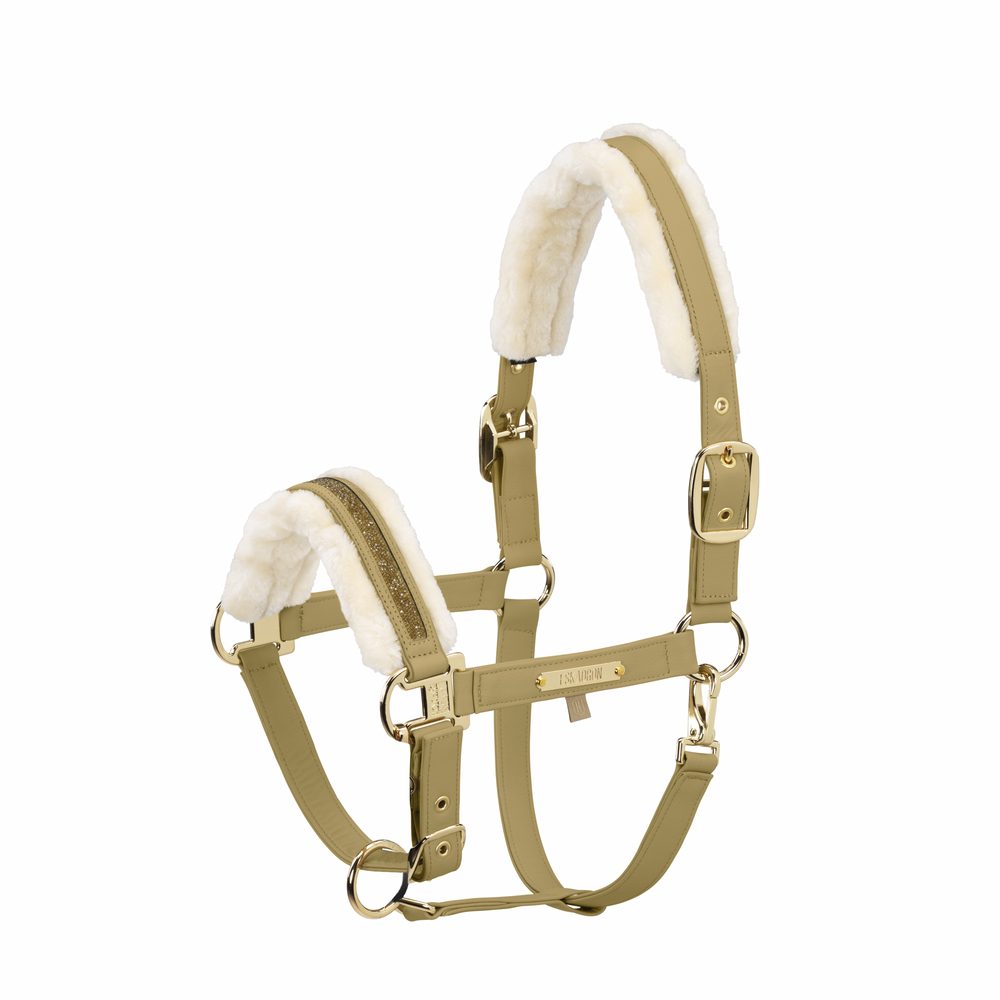
Eskadron
Eskadron Headcollar Faux Leather Jewel FauxFur Heritage 25, cardamom
2 variants
incl. 19% VAT, plus shipping
In stock now · delivery in 3–5 days
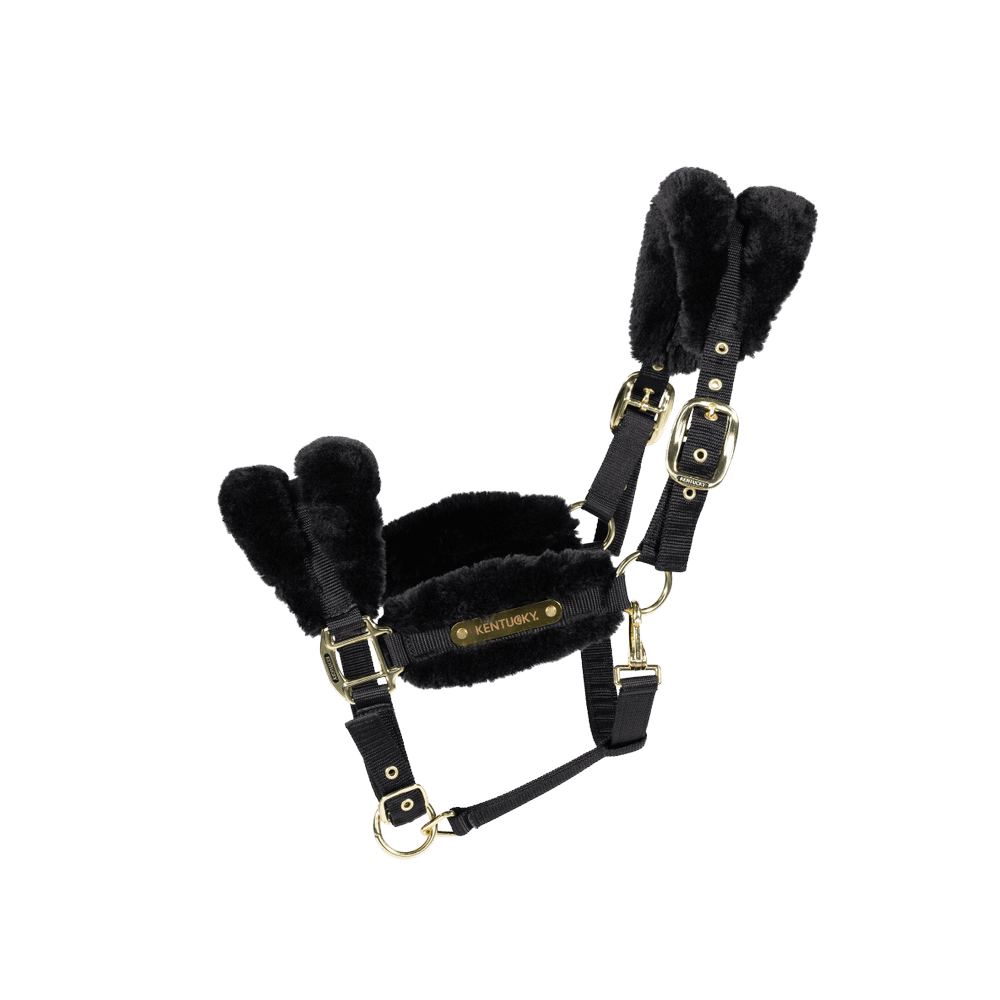
Kentucky Horsewear
Kentucky Headcollar Sheepskin Soft
4 variants
incl. 19% VAT, plus shipping
In stock now · delivery in 3–5 days
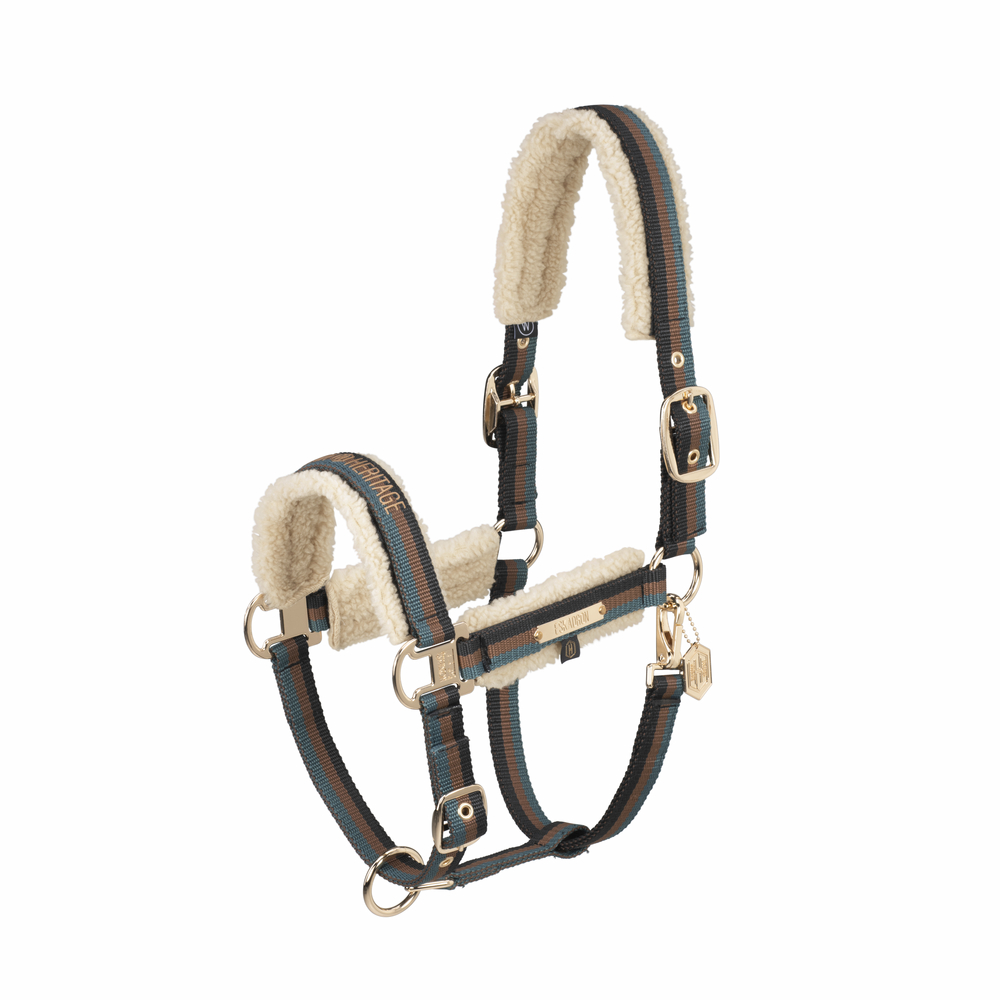
Eskadron
Eskadron Headcollar Double Pin Teddyfleece Heritage 24, black-almond-vintage
incl. 19% VAT, plus shipping
In stock now · delivery in 3–5 days
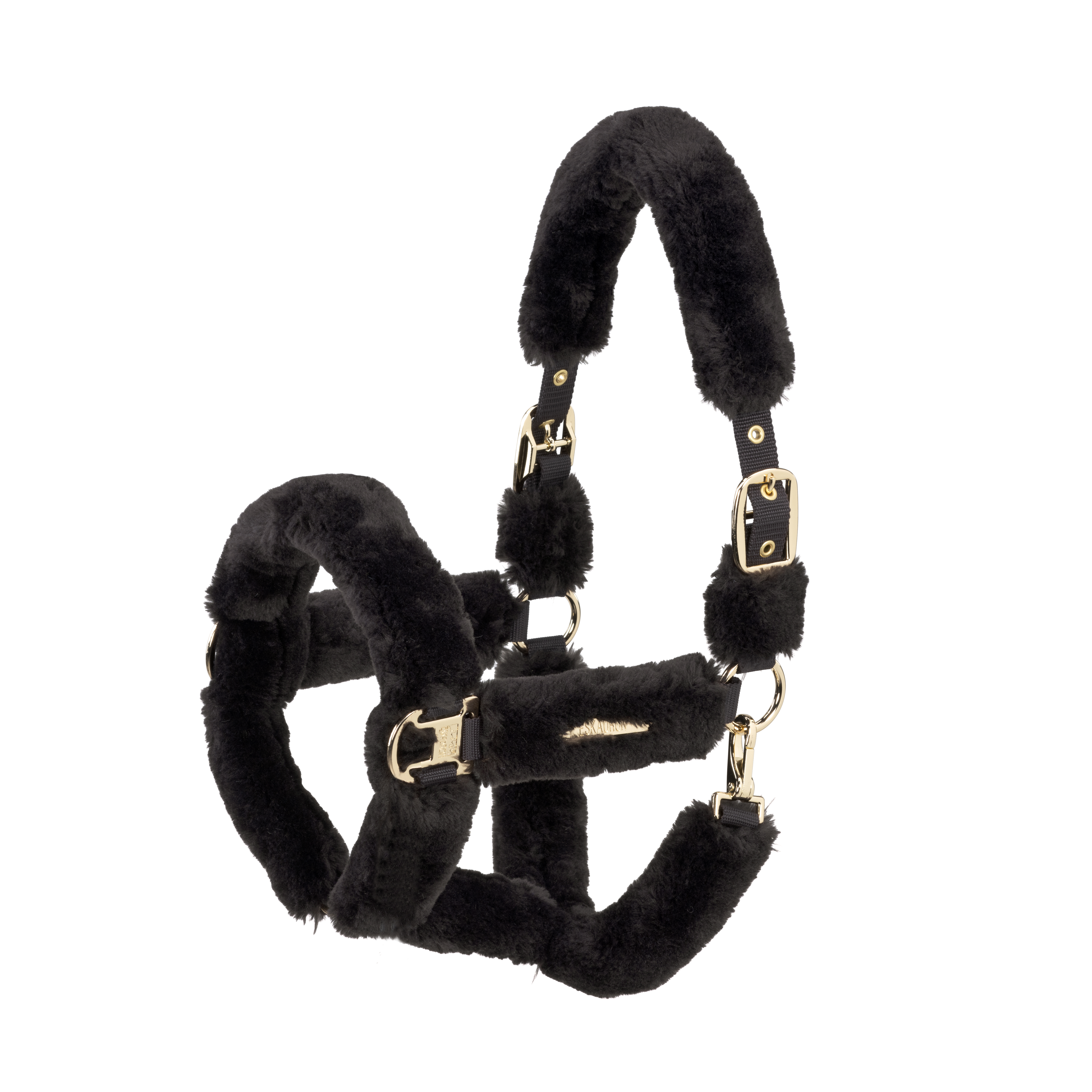
Eskadron
Eskadron Headcollar Faux Fur Complete Heritage 25, black truffle
incl. 19% VAT, plus shipping
In stock now · delivery in 3–5 days
When is a headcollar with fleece padding useful?
A fleece-lined headcollar is particularly worthwhile for sensitive horses that react to pressure in the poll or on the bridge of the nose. Hard padding can encourage tension around the first cervical vertebra. Soft fleece distributes the pressure more evenly.
An anatomically shaped headpiece can also take pressure off sensitive horses. You should also look for a symmetrical headcollar with buckles on both sides so that it does not pull to one side.
Sheepskin or synthetic fleece: which is better for the headcollar?
Real sheepskin absorbs pressure very well and, thanks to the wool fat (lanolin) it contains, is largely dirt-repellent. It therefore only needs to be washed occasionally. Brushing out and airing is often sufficient.
Synthetic fleece is an easy-care, vegan alternative and is also soft. Which option you choose depends on how much care you want to invest and how sensitive your horse is.
How do I wash the sheepskin on the headcollar?
You should wash sheepskin with a mild, lanolin-replenishing wool detergent on a delicates programme at a maximum of 30 °C. The lanolin keeps fibres and leather supple, which is why a lanolin-replenishing detergent is important.
Reshape the fleece after washing and leave it to dry lying flat in an airy place. Direct sun, heating or a hairdryer will damage the sheepskin. For headcollars with leather parts you should also follow the manufacturer’s instructions.
How tight can a fleece-lined headcollar be?
A fleece-lined headcollar fits correctly if your horse can chew freely and the headcollar still does not slip. Because the fleece adds bulk, you should check the adjustment again after putting it on and, if necessary, let it out by one hole.
You should also make sure that the snap hook is clipped on the right way round. If it faces inwards it will press into the cheek and can irritate the facial nerve.
By Julia Lühr, Ahrens Reitsport · Updated