
Brushing boots or bandages? Leg protection for horses compared
Brushing boots are quick to put on, bandages provide large-area protection but require practice. We compare both, explain risks such as constriction and heat build-up and what matters when you put them on.
Why do horses’ legs need protection at all?
Horses’ legs need protection because tendons, ligaments and joints lie directly under the skin there, without any padding of muscle or fat. A strike against the other leg, brushing during movement or a knock against an obstacle can therefore quickly lead to injuries. Leg protection is intended to protect against such blows and knocks. According to specialist sources it does not, however, provide support for the tendons. You will find an overview under leg protection.
What are the advantages of brushing boots?
Brushing boots can be put on in seconds, are forgiving of small inaccuracies and can usually be cleaned easily after work. They are often made of neoprene, plastic or leather and are fastened with hook-and-loop fastenings or buckles.
Depending on the construction the emphasis is different: fetlock boots and hard-shell brushing boots protect against blows and blunt knocks and are used in show jumping, eventing and dressage. The fit is important, because boots that are too loose can slip. You will find models under brushing boots.
What are the advantages of bandages?
Bandages protect a large area of the lower leg, but they require practice when you put them on. Made of fleece or elastic material, they are wrapped around the leg, usually over a bandage pad. In addition to protection when riding they are also used after injuries. A bandage is only as good as the hand that applies it though. You will find models under bandages and suitable bandage pads.
How do I apply bandages correctly?
Bandages are wrapped smoothly over a pad, with even tension and not too tightly. These points help:
- Legs clean and dry, apply the bandage pad without creases.
- Start in the middle of the cannon bone, wrap downwards to the fetlock and back up to just below the carpal joint.
- Each layer overlaps the previous one by about half, the distances remain even.
- Fasten the hook-and-loop fastening on the outside or towards the back on the outside and do not wrap too low so that the horse does not tread on the bandage.
- Do not leave bandages on the leg permanently because this can impair circulation and tissue.
Fleece bandages are a good choice to start with because they can hardly be pulled too tight. It is best to have an experienced person show you how to apply them once.
Can you wash bandages and how?
Yes, most bandages can go in the washing machine, usually at 30 °C, but the care label is always decisive. For its fleece bandages, for example, Kentucky Horsewear recommends 30 °C with the hook-and-loop fastenings closed and a laundry bag. They should not go in the tumble dryer, so that shape and material are preserved. For its dirt-repellent stable bandages the manufacturer also advises washing as rarely as possible and letting the bandages dry in the air.
Before washing, brush out hair and sand and clean especially the hook-and-loop fastenings. The German Equestrian Federation (FN) points out that dirty hook-and-loop fastenings do not hold securely and a bandage can thus become a trip hazard. Grains of sand that remain in the material can rub the sensitive leg.
Wash bandages, pads and brushing boots regularly. According to the FN, fungal skin infections and mange mites can be transmitted from one horse to another via leg protection. This is why each horse should have its own equipment.
Can bandages harm the horse?
Yes, bandages that are wrapped too tightly can severely inhibit lymph flow and blood flow in the leg. Lymph vessel researcher Prof. Dirk Berens von Rautenfeld describes the fetlock as a narrow point. Elastic bandages can almost cut off the transport routes for lymph and blood there when the horse is standing. Possible consequences of incorrect use mentioned include heat build-up, itching, tendon damage and pressure necrosis, where tissue dies. If there is swelling or lameness, please consult your vet.
Is a horse allowed to wear bandages overnight?
A healthy horse should not wear bandages overnight, stable bandages should only be put on the leg after consultation with your vet. The FN writes in its magazine that stable bandages and stable boots are generally not suitable for permanent use because they impair lymph flow and circulation. When and for how long they are applied should be decided by the vet.
How quickly this happens was shown by a study from the University of Veterinary Medicine Hannover from 2006 with ten horses: only ten minutes after application, lymph flow was interrupted in all animals from the level of the fetlock joint. A study in the specialist journal Pferdeheilkunde (2019) found on the other hand a continuing lymph flow in five horses under special compression bandages. Construction and tension of the bandage therefore make a big difference.
If your horse’s legs fill in the stable, movement helps most of all, because it keeps lymph flow going. If the vet has prescribed a stable bandage, follow their instructions on duration and checks. In day-to-day care a rule of thumb is to remove a stable bandage after around twelve hours at the latest and to look at the leg.
Do brushing boots and bandages warm the horse’s leg?
Yes, a study shows that both brushing boots and bandages warm the leg significantly during work. Researchers at Middle Tennessee State University (Brock and Spooner, Journal of Equine Veterinary Science, 2021) tested six different brushing boots and bandages on six healthy horses, each with the uncovered leg as a comparison. All protected legs were warmer than the uncovered leg throughout the entire measurement. Humidity under the fleece bandage was highest, an alternative neoprene brushing boot remained the coolest. The authors conclude that even at moderate exertion a protected leg can reach temperatures that can damage the tissue.
This does not mean that leg protection is bad. Use it selectively, remove it soon after work and pay attention to well-fitting, breathable models.
Brushing boots or bandages: what is suitable when?
For everyday use brushing boots are usually the simpler option, bandages are suitable for riders who can bandage confidently.
| Criterion | Brushing boots | Bandages |
|---|---|---|
| Advantages | quick to put on, forgiving of small errors, easy to clean | large-area protection, can also be used after injuries |
| Disadvantages | can slip if the fit is poor, also cause heat build-up | must be applied correctly, if pulled too tight there is a risk of constriction and pressure points |
| Suitable for | everyday use, schooling, show jumping, cross-country | experienced hands, targeted use |
Which brushing boots are allowed in show jumping?
In show jumping classes under the German competition rules (LPO), brushing boots and bandages of any type and with any fastening are allowed on the forelegs, while there are precise requirements for the hindlegs. This is stated in the current FN equipment rules (as of February 2026). For all disciplines the following also applies: leg protection may weigh a maximum of 500 g per leg (excluding shoes or hoof boots). Weighted brushing boots and brushing boots with an obviously manipulative effect are prohibited.
For the hindlegs in show jumping classes the rules list, among others, these points:
- Length: brushing boots and fetlock boots may be a maximum of 20 cm long. A soft neoprene lining extended downwards to protect the inside of the fetlock is allowed.
- Construction: fetlock boots with the protective element on the inside of the fetlock and double-shell brushing boots with protection inside and outside are allowed. The inside must be smooth and soft, without pressure points, sheepskin is permitted.
- Fastening: no pulley fastenings and no straps that are wrapped around the brushing boot. Hook-and-loop straps must be at least 2.5 cm wide if there are two straps and at least 5 cm wide if there is only one strap. Button and hook fastenings with elastic straps are also permitted.
- Additional leg protection: bandages, overreach boots, fetlock rings and fetlock bands are also allowed behind, but no other leg protection.
The rules in young horse show jumping classes are stricter. There only fetlock boots with a single hook-and-loop fastening of at least 5 cm width are allowed on the hindlegs, with a hard shell of a maximum length of 16 cm and without sheepskin. Important for the competition day: from the moment you enter the warm-up arena, no leg protection may be put on or changed. Anyone who comes onto the warm-up arena without brushing boots will also ride into the class without them. The valid LPO, the equipment rules and the schedule are always decisive.
What do I need travel boots for?
Travel boots protect the legs when loading and during the journey in the trailer. They reach from above the carpal joint or hock down to the ground and thus also cover the coronary band, where injuries when loading often occur. You will find models under travel boots.
How does Ahrens Reitsport help me with leg protection?
Together we look at your horse, what it is used for and the fit, and find out whether brushing boots or bandages are more suitable. In our shop in Tangstedt you will find leg protection from, among others, Eskadron, Kentucky Horsewear, Veredus and Waldhausen. You will find us at Dorfring 2, 22889 Tangstedt, by phone on +49 4109 252173 or via our contact page.
From our range
Matching products
Eskadron
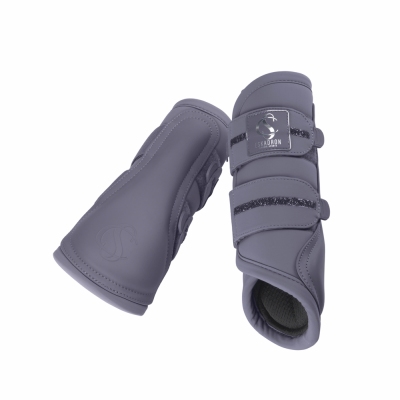
Eskadron Brushing Boots Softshell Jewel CS26
incl. 19% VAT, plus shipping
In stock now · delivery in 3–5 days
Bieman De Haas
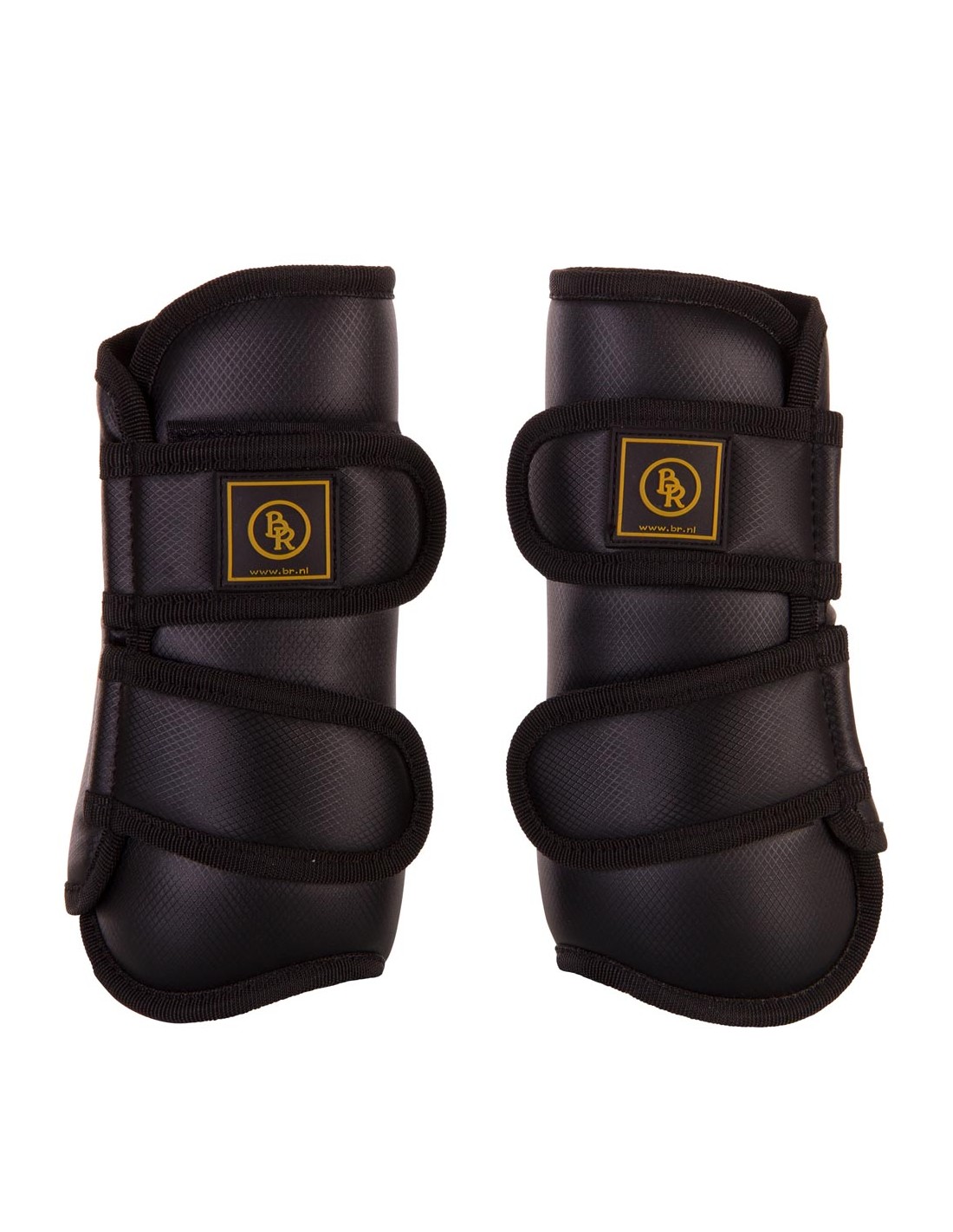
BR Pro Max Brushing Boot front
incl. 19% VAT, plus shipping
In stock now · delivery in 3–5 days
LeMieux
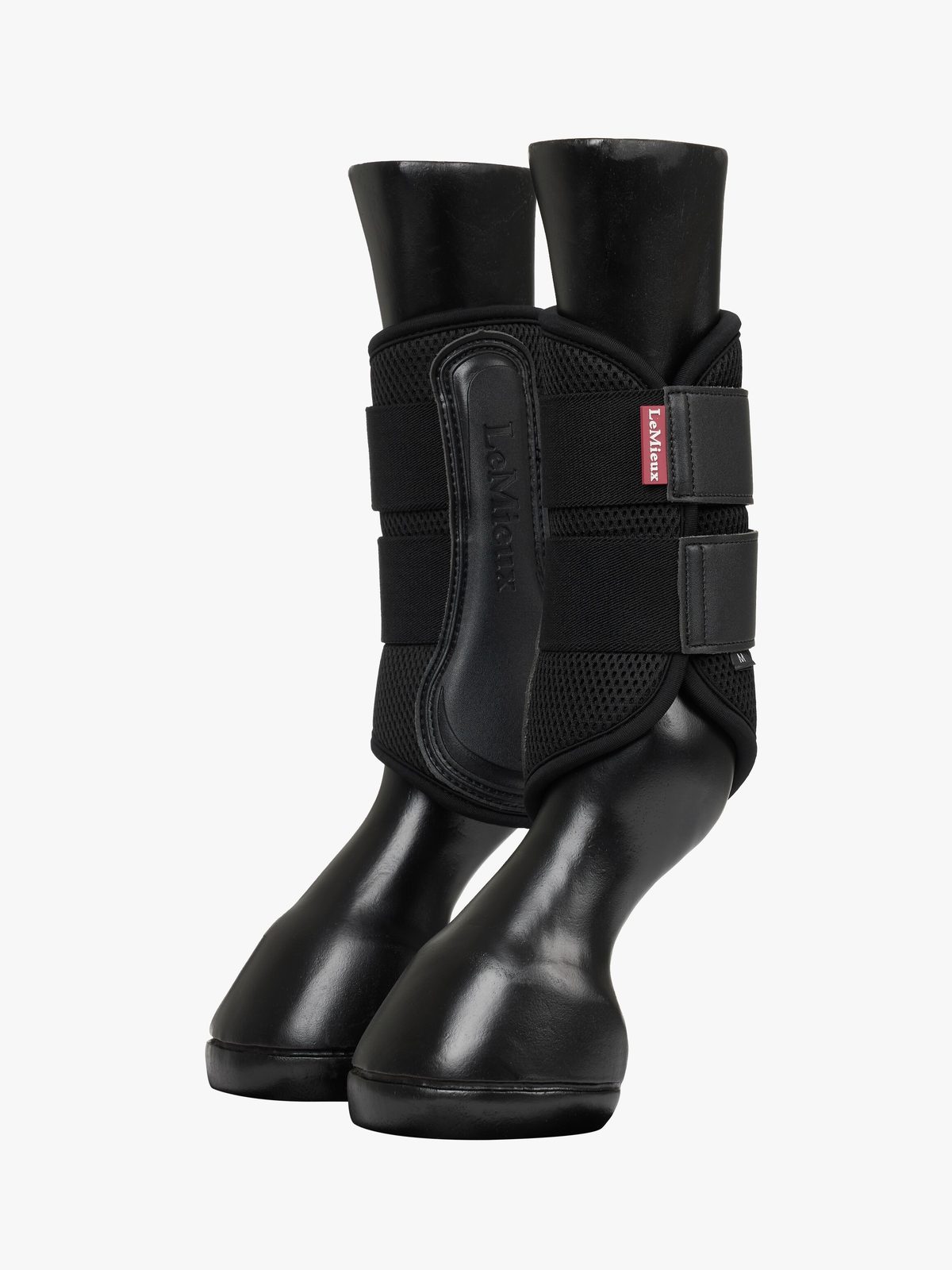
LeMieux Mesh Brushing Boot
incl. 19% VAT, plus shipping
In stock now · delivery in 3–5 days
Eskadron
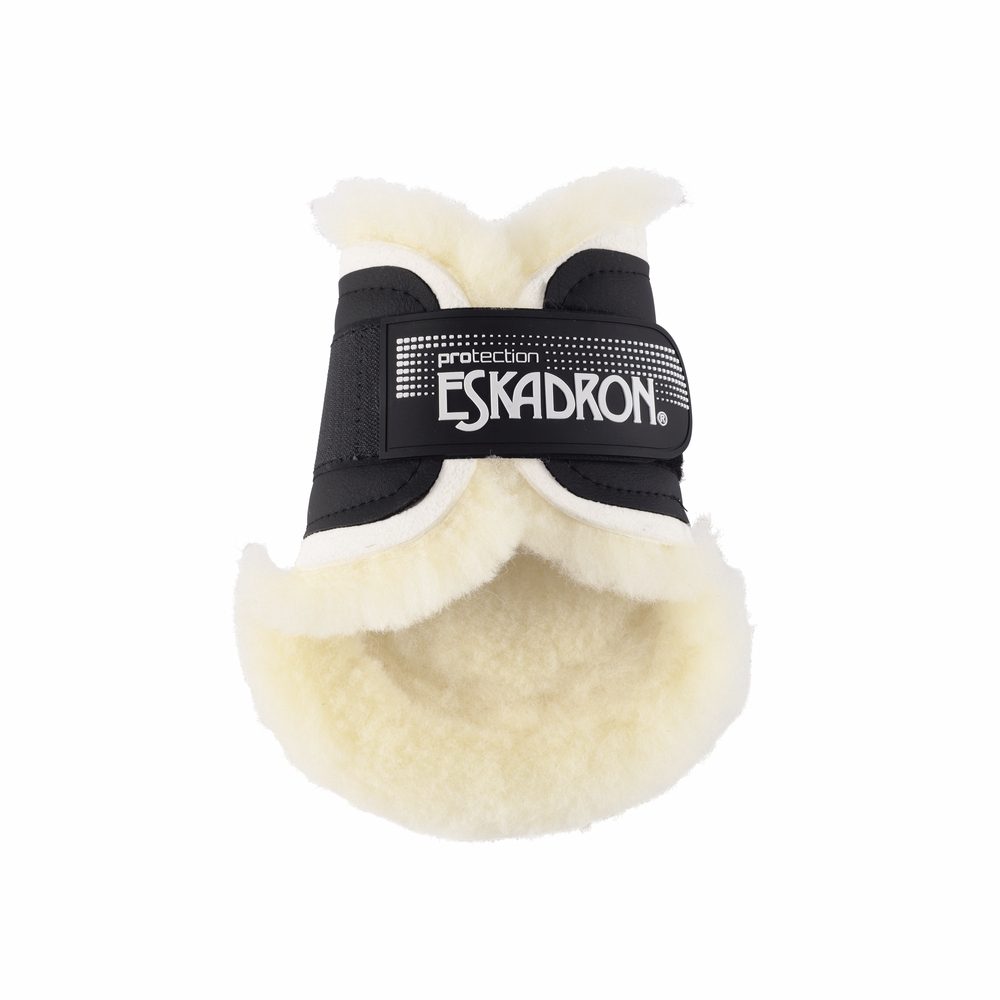
Eskadron Fetlock Boot Protection Sheepskin
incl. 19% VAT, plus shipping
In stock now · delivery in 3–5 days
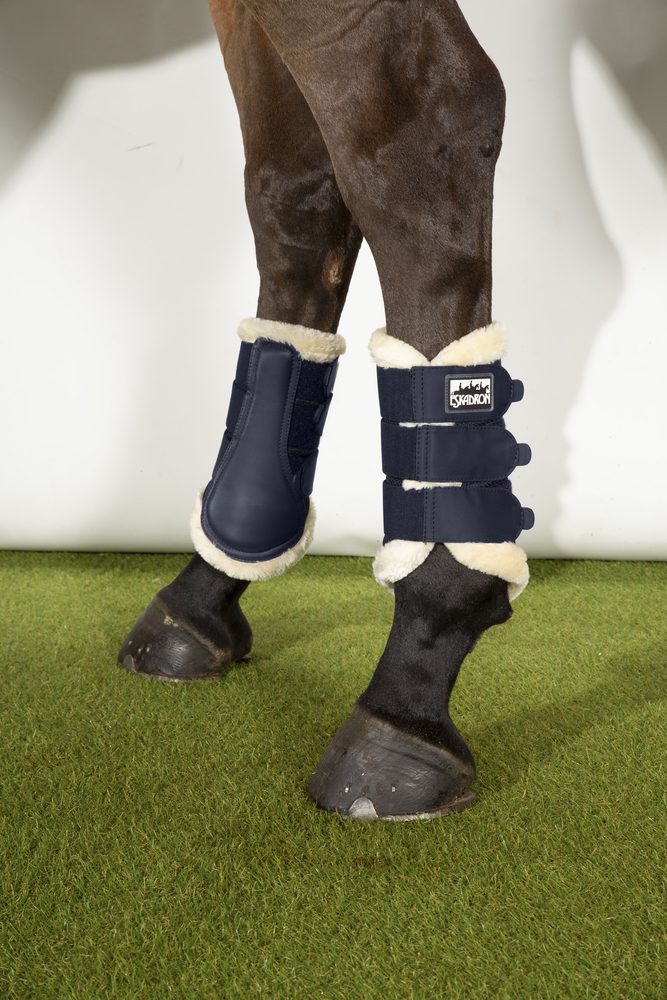
Eskadron
Eskadron Brushing Boot Soft Mesh FauxFur
incl. 19% VAT, plus shipping
In stock now · delivery in 3–5 days
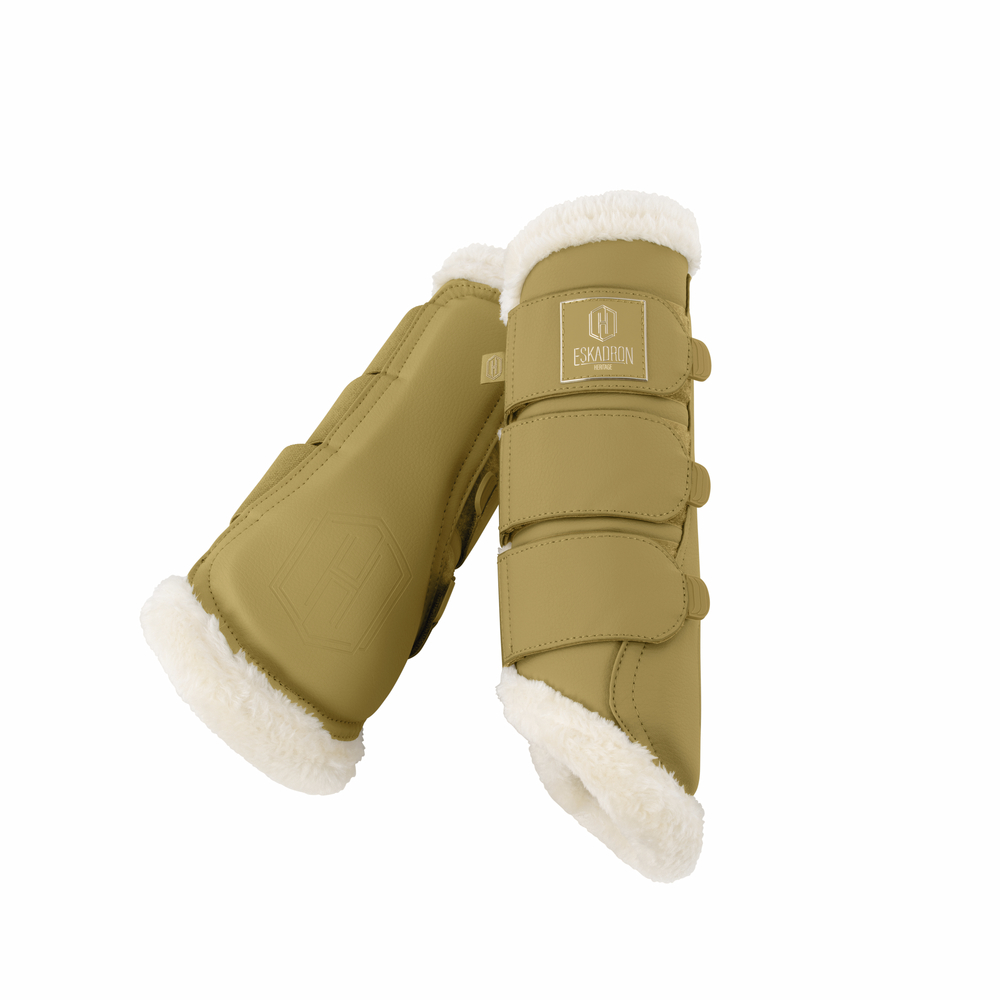
Eskadron
Eskadron Brushing Boot Faux Leather FF Heritage 25
incl. 19% VAT, plus shipping
In stock now · delivery in 3–5 days
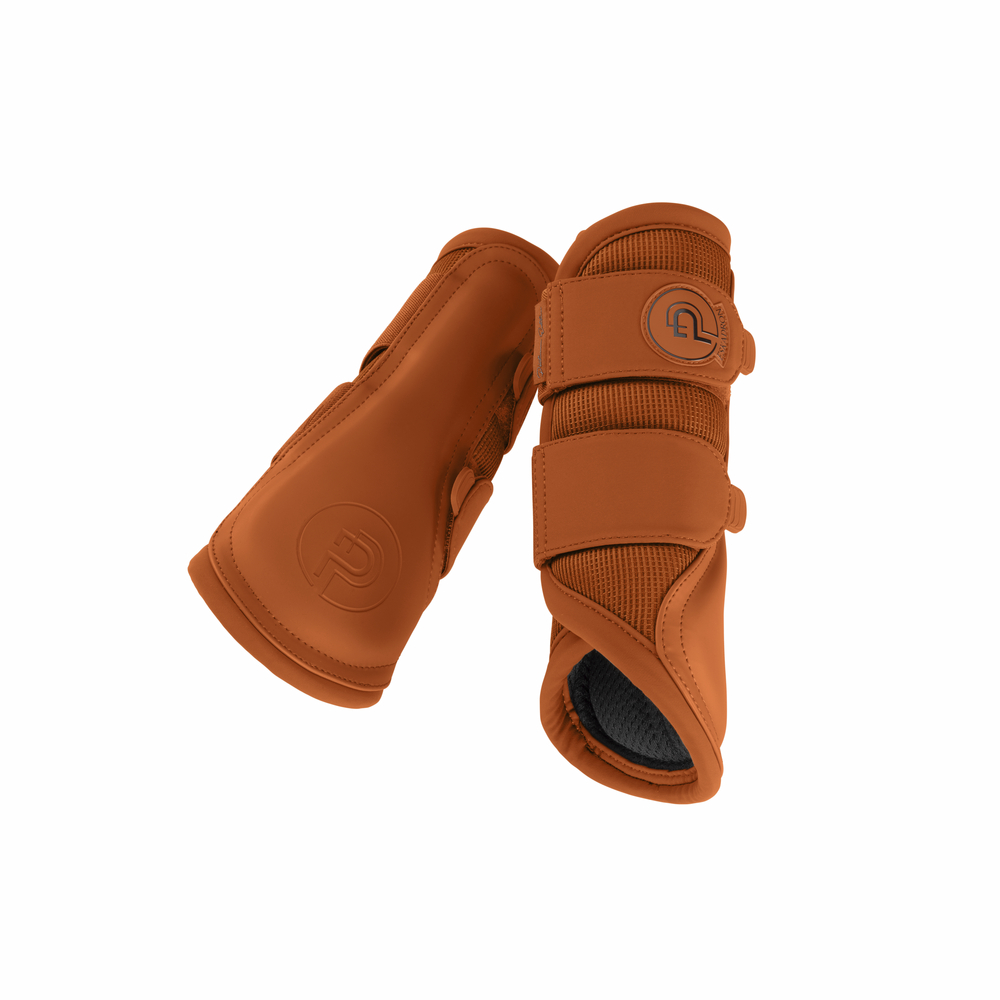
Eskadron
Eskadron Mesh Brushing Boots Platinum S26
incl. 19% VAT, plus shipping
In stock now · delivery in 3–5 days
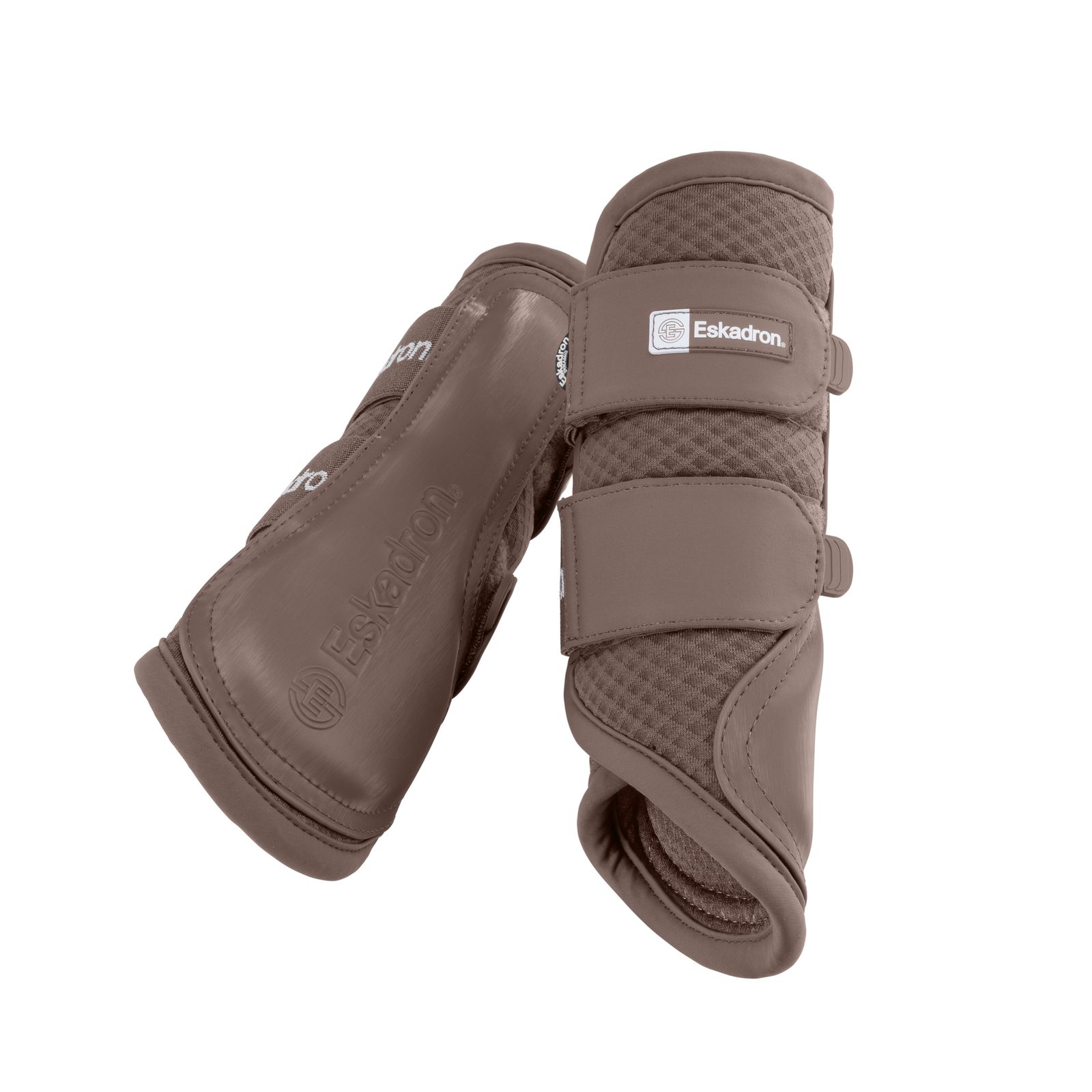
Eskadron
Eskadron Brushing Boot Mesh Dynamic powdertaupe
incl. 19% VAT, plus shipping
In stock now · delivery in 3–5 days
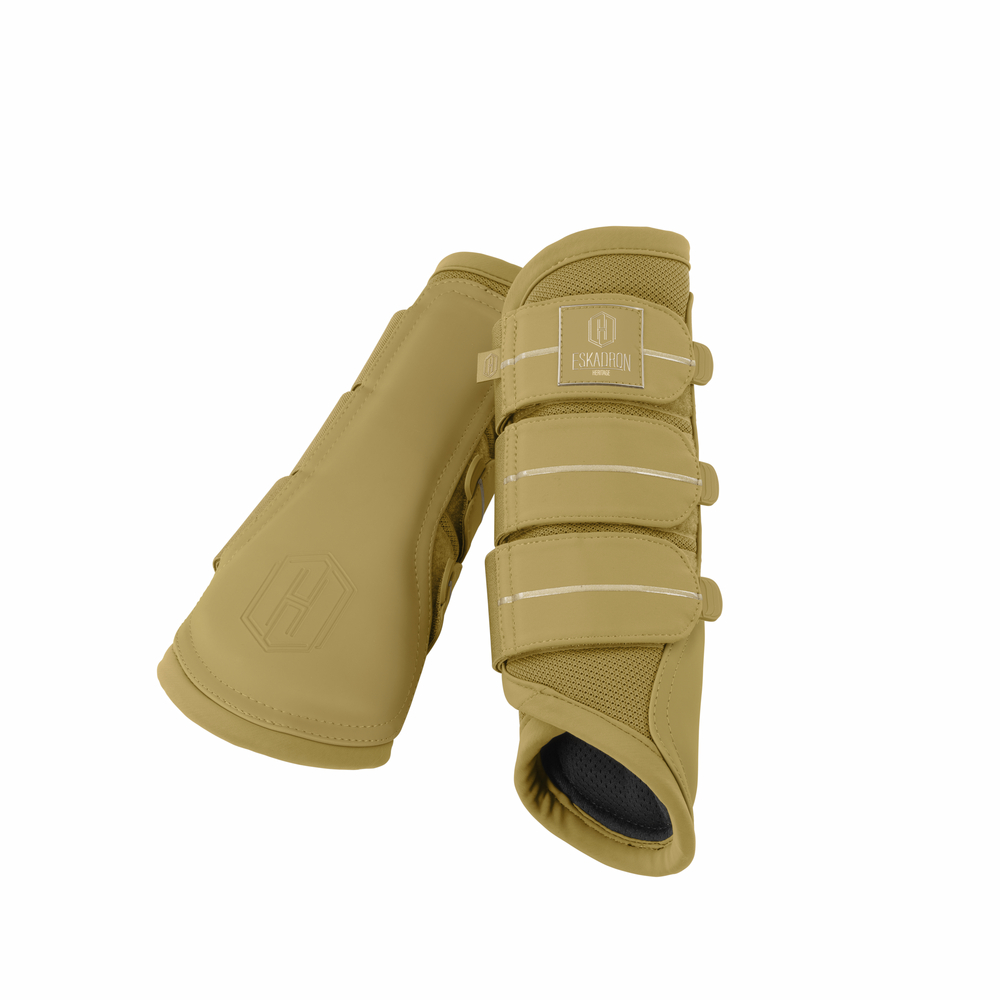
Eskadron
Eskadron Brushing Boot Mesh Heritage 25
incl. 19% VAT, plus shipping
In stock now · delivery in 3–5 days
Eskadron
Eskadron Brushing Boots Faux Leather Platinum 2025
incl. 19% VAT, plus shipping
In stock now · delivery in 3–5 days
 Offer
Eskadron
Eskadron Brushing Boot Mesh FF Classic Sports 25SS
incl. 19% VAT, plus shipping
In stock now · delivery in 3–5 days
 Offer
Eskadron
Eskadron Brushing Boots Stingray FauxFur Heritage 24-25
incl. 19% VAT, plus shipping
In stock now · delivery in 3–5 days
All 63 products
take a look