
Questions about brushing boots, bandages and overreach boots
Here we answer the most frequently asked questions about leg protection for horses: when brushing boots, bandages and overreach boots make sense, how they should fit, which size is suitable and how to care for them. Leg protection is intended above all to protect against knocks, brushing injuries and scratches, whereas, according to expert sources, there is little evidence of any significant supporting effect on the tendons. In our shop in Tangstedt you can get advice on brushing boots and overreach boots and try them on your horse.
By Julia Lühr, Ahrens Reitsport in Tangstedt · Updated
When does a horse need brushing boots?
Brushing boots are useful if a horse knocks or brushes itself when being ridden, for show jumping and cross-country work, and for hacks through undergrowth or over stony ground. The specialist magazine The Horse names exactly these situations: previous brushing or overreaching injuries, a high risk of hitting obstacles and rough terrain.
Brushing boots are intended to distribute impacts and prevent damage to skin and tissue. How well this works depends very much on the design. Boots that are put on too tightly restrict movement without offering more protection. You should therefore take the brushing boots off straight after work and check the legs.
More in our guide: Brushing boots or bandages? Leg protection for horses compared
Sources (1)
Do brushing boots and bandages support the horse’s tendons?
Only to a very small extent. Brushing boots and bandages mainly protect against knocks from outside, and there is little evidence that they genuinely relieve the tendons. In a study by the University of Veterinary Medicine Vienna (Kicker and colleagues, Equine Veterinary Journal, 2004), special support boots reduced the maximum fetlock extension in trot in 26 horses by only about 0.6 to 1.4 degrees.
The authors consider a slight reduction of the load on tendon and suspensory ligament conceivable, but the long-term effects are unclear. The specialist magazine The Horse therefore clearly distinguishes between leg protection for everyday training and therapeutic bandages that are applied by a professional. In the case of tendon problems, the decision on rest and bandaging is therefore made by the vet.
More in our guide: Brushing boots or bandages? Leg protection for horses compared
What is the difference between brushing boots and bandages?
Brushing boots are pre-shaped shells or pads that are put on in seconds with hook-and-loop fastenings or buckles. Bandages are long fabric wraps that are wound around the leg. Brushing boots are particularly suitable when protection against hard knocks is important, for example in show jumping. According to the veterinarian-reviewed guide from PetMD, fleece bandages by contrast offer only light protection when riding.
You need practice to apply bandages, because if they are wrapped too tightly or unevenly they can damage the tendons. Brushing boots, on the other hand, have to fit exactly in terms of size. Both warm up the leg during work, so both should be taken off promptly after riding.
More in our guide: Brushing boots or bandages? Leg protection for horses compared
Sources (3)
What types of bandages are there for horses?
For horses there are mainly exercise bandages for riding, stable bandages for the box and travel bandages for the trailer. Exercise bandages are usually made of fleece or fleece with an elastic portion and provide light protection against brushing injuries. According to PetMD, stable bandages are wrapped over a quilted bandage pad and are intended to provide light compression, for example for horses prone to filled legs or for wound care.
Kentucky Horsewear, for example, offers fleece bandages with a length of 3.25 m and stable bandages with a length of 4 m. You should only use stable bandages after consulting your vet, who will decide on duration and monitoring.
More in our guide: Brushing boots or bandages? Leg protection for horses compared
What bandage length do I need for my horse?
For a horse, exercise bandages made of fleece are usually around 3.25 to 3.5 m long, for a pony about 2.8 m. Kentucky Horsewear specifies a length of 325 cm and a width of 12 cm for its Polarfleece bandages in Warmblood size, Eskadron specifies 3.5 m in size Full and 2.8 m in size Pony for its fleece bandages.
Stable bandages are longer because they are wrapped over a thick pad. The dirt-repellent stable bandages from Kentucky measure 4 m by 14 cm, for example. If a bandage is too short, it does not reach down to the fetlock and back. If it is too long, it becomes bulky and uneven.
What do you need bandage pads for?
Bandage pads distribute the pressure of the bandage evenly over the leg and provide padding. This reduces pressure marks and lowers the risk of what is known as a bandage bow. This is a swelling of the tendon which, according to PetMD, occurs when a bandage is wrapped too tightly or with uneven pressure.
According to PetMD, stable bandages should always be used with quilted padding. For travelling there are pads with additional hock protection. Kentucky Horsewear describes these models as having shock-absorbing material. It is important that the pad lies smoothly without folds, because the tension of the bandage should be the same everywhere.
More in our guide: Brushing boots or bandages? Leg protection for horses compared
Sources (2)
How do I wrap bandages correctly on a horse?
You should wrap bandages smoothly over a bandage pad, with even, not too tight tension and layers that overlap by about half. PetMD recommends starting on the front of the cannon bone and not over a joint. Wrap the right leg clockwise and the left leg anticlockwise.
A bandage that is too tight or uneven can irritate the tendon. Remove exercise bandages immediately after riding so that heat cannot build up. If a bandage is loose, wet or has slipped, rewrap it. Fleece bandages are suitable to start with, and it is best to have someone show you how to wrap them once.
More in our guide: Brushing boots or bandages? Leg protection for horses compared
Sources (1)
Can a horse wear bandages overnight?
A healthy horse should not wear bandages overnight. Stable bandages should only be put on after consulting your vet. PetMD writes that how long stable bandages are left on depends on the vet’s recommendation for the individual horse. You should check them at least twice a day and re-bandage if they are loose, wet or uneven.
In a study published in the specialist journal Pferdeheilkunde (2019), the authors point out that tightly applied bandages can interfere with lymph flow in the leg. Special compression bandages, on the other hand, allowed lymph flow to continue in their trial horses. The design and the amount of tension therefore make a big difference.
More in our guide: Brushing boots or bandages? Leg protection for horses compared
Sources (2)
Can you wash bandages?
Yes, most bandages for horses can go in the washing machine, usually at 30 °C, although the care label is decisive. Kentucky Horsewear states 30 °C for its polar fleece bandages and its dirt-repellent stable bandages and advises against using a tumble dryer. For the stable bandages the manufacturer additionally recommends a laundry bag and drying in the air.
Brush out hair, shavings and sand beforehand, especially from the hook-and-loop fastener, and close the hook-and-loop fastener before washing. According to Kentucky, bandage pads can also be washed at 30 °C.
More in our guide: Brushing boots or bandages? Leg protection for horses compared
How long are brushing boots and bandages allowed to stay on the leg after riding?
Brushing boots and exercise bandages should be taken off straight after riding, because they trap heat in the leg. In a study by Middle Tennessee State University (Brock and Spooner, Journal of Equine Veterinary Science, 2021), all six tested brushing boots and bandages were warmer than the uncovered leg. Temperature and humidity were highest under the fleece bandage.
Even three hours after work, the protected legs had still not returned to their initial values. The authors conclude that a covered leg can reach harmful temperatures even with moderate exertion. Experts in the specialist magazine The Horse advise taking leg protection off immediately and hosing the legs with cold water.
More in our guide: Brushing boots or bandages? Leg protection for horses compared
Sources (2)
What are overreach boots?
Overreach boots are bell-shaped protectors made of rubber, neoprene or plastic that are pulled over the hoof or fastened with hook-and-loop and protect the coronet, heels and front shoes. They extend from the pastern area over the coronet down to the heels. Their purpose is to prevent injuries caused by the horse’s own hind hooves when it strikes into the heels in front.
There are closed pull-on models that sit particularly securely, and open models with hook-and-loop fastenings that are easier to put on. With open models the ends must meet fully. Some models are shaped on the inside so that they do not rotate around the hoof.
Sources (2)
When are overreach boots useful for a horse?
Overreach boots are useful if a horse strikes into the bulbs of the front hooves with the hind hooves or pulls off shoes. Signs of this are grazes, bruises or dirt marks on the heels and pasterns after riding. Overreach boots are also often recommended for show jumping, lunging, travelling and for horses wearing studs.
The manufacturer Sprenger gives their purpose as protection against overreach injuries, abrasions and the loss of shoes. If your horse frequently strikes into itself or often loses shoes, you should also talk to your farrier, because hoof trimming and shoeing also play a role.
Sources (2)
Is a horse allowed to wear overreach boots in the field?
Yes, overreach boots are also worn in the field, especially by horses that tend to pull off their shoes there. The guide from Dover Saddlery explicitly mentions lost shoes during turnout as a reason for overreach boots, and Sprenger describes its rubber overreach boots as robust enough for wild moments in the field.
It is important that the overreach boots fit well and are taken off regularly so that the skin underneath can dry. Check the backs of the pasterns and the bulbs of the heel for rubs and remove sand and dirt from the boots. Boots that are too large can cause tripping, boots that are too small can rub.
Sources (2)
How should overreach boots fit correctly?
Overreach boots fit correctly if the back edge just touches the ground when the horse is standing and there is space for one or two fingers between the top edge and the pastern. This is how the guide from Dover Saddlery describes it. Overreach boots that are too large can cause stumbling, boots that are too small cause rubbing.
Manufacturers indicate the sizes in different ways. Sprenger, for example, gives a diameter of 75, 80 and 85 mm for sizes M, L and XL for its ribbed rubber overreach boots. You should therefore check the individual manufacturer’s size chart and ideally try the boots on the horse. Clean the hoof and pastern before putting them on.
Sources (2)
Can’t find your question?
Ask us: in our shop in Tangstedt, by phone on +49 4109 252173 or via the contact form. Personal advice is also available under Services.
From our range
Matching products
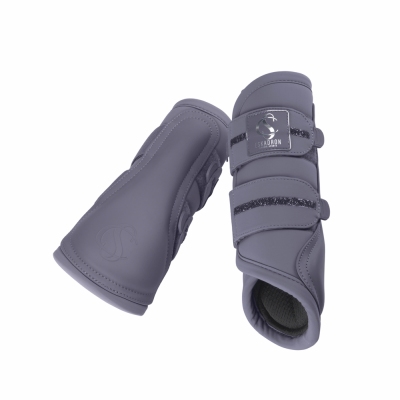
Eskadron
Eskadron Brushing Boots Softshell Jewel CS26
incl. 19% VAT, plus shipping
In stock now · delivery in 3–5 days
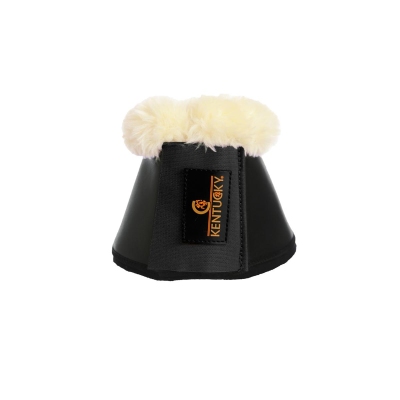
Kentucky Horsewear
Kentucky Overreach Boots Faux Leather Faux Fur
incl. 19% VAT, plus shipping
In stock now · delivery in 3–5 days
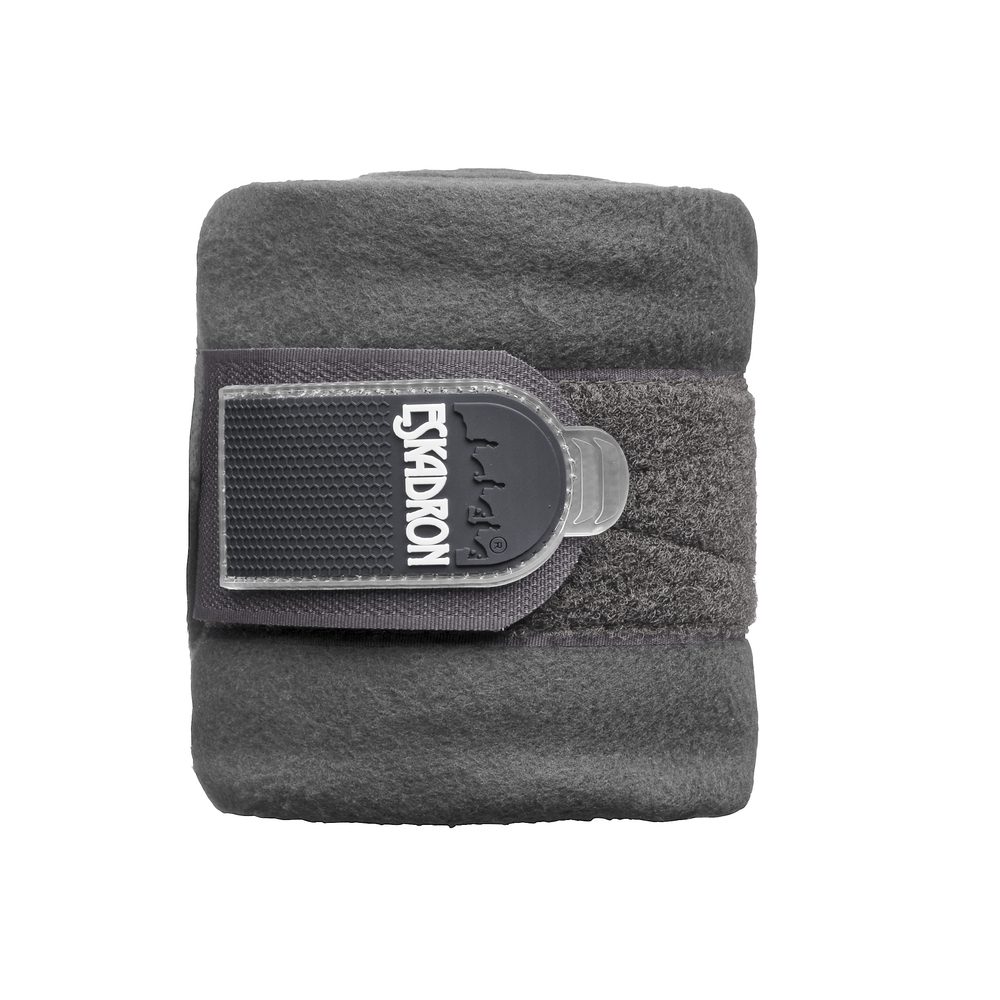
Eskadron
Eskadron Fleece Bandages Core
incl. 19% VAT, plus shipping
In stock now · delivery in 3–5 days
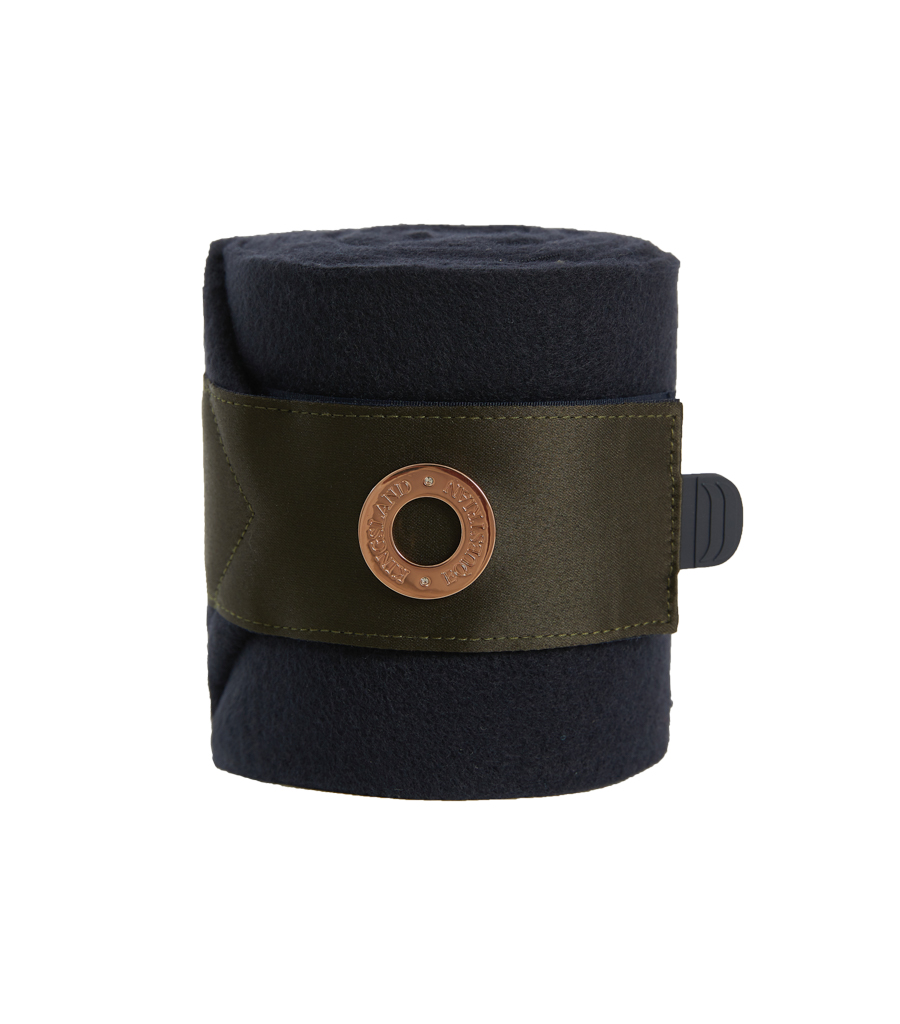
Kingsland
Kingsland KLsilvia Fleece Bandages
incl. 19% VAT, plus shipping
In stock now · delivery in 3–5 days
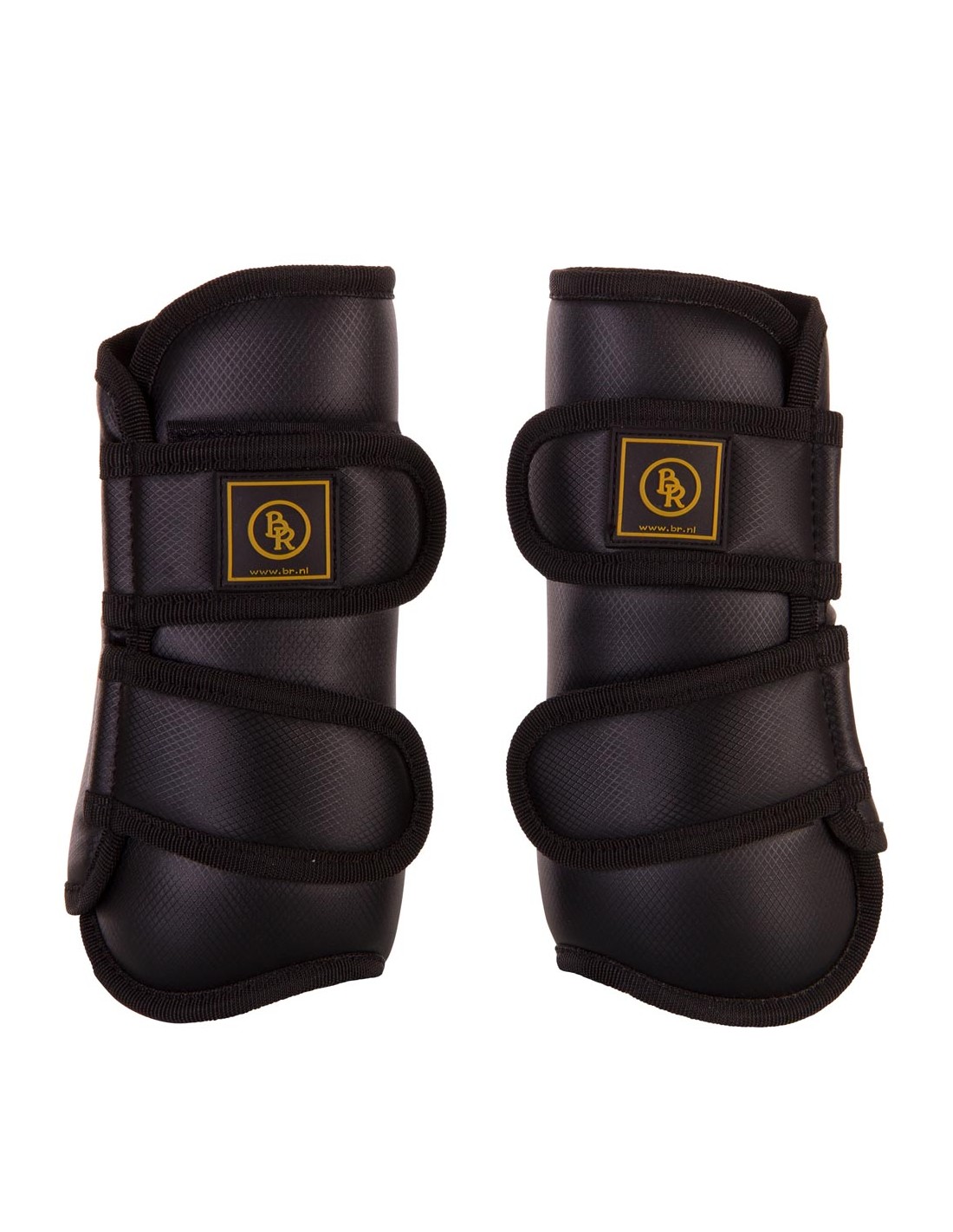
Bieman De Haas
BR Pro Max Brushing Boot front
incl. 19% VAT, plus shipping
In stock now · delivery in 3–5 days
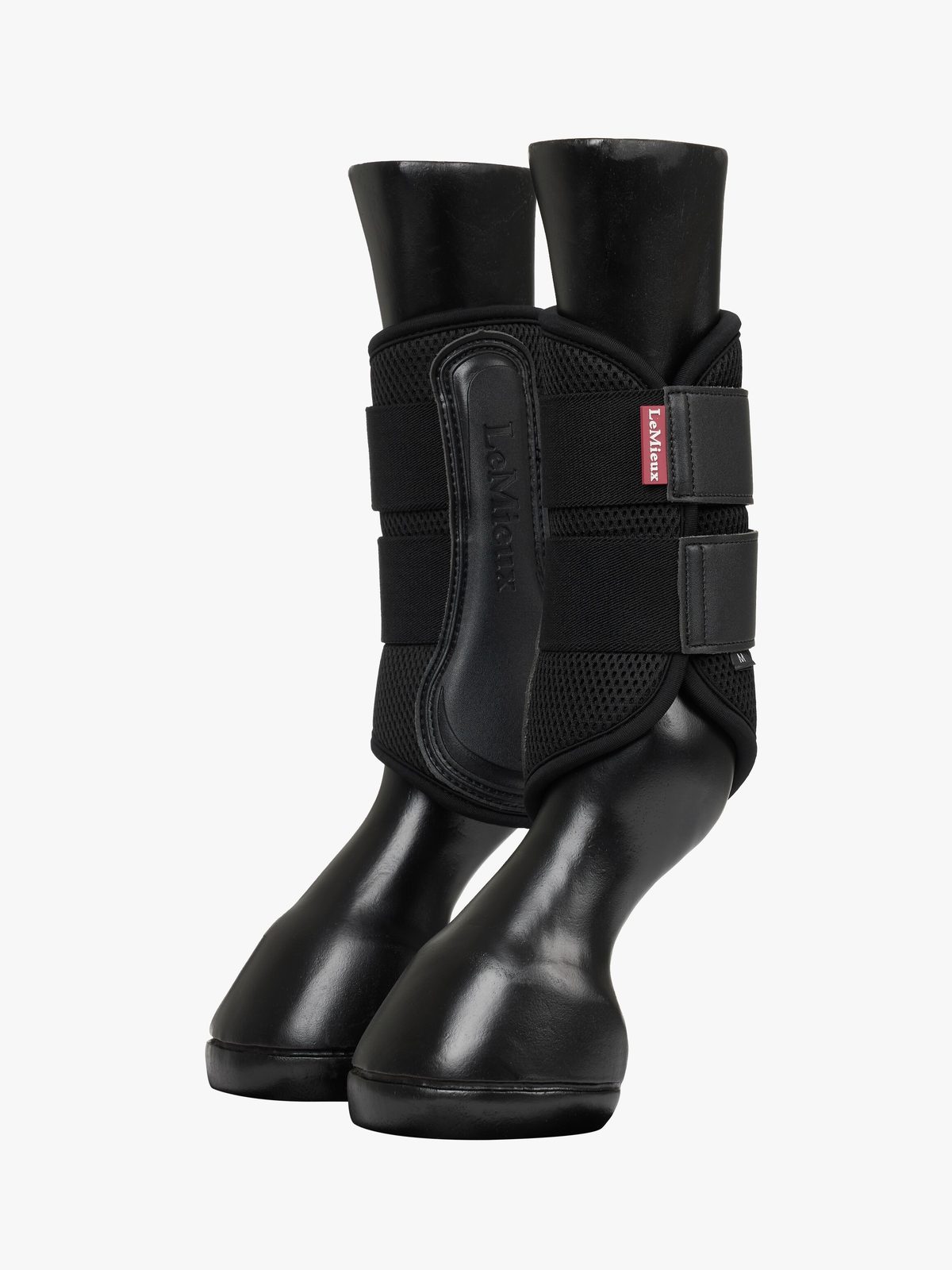
LeMieux
LeMieux Mesh Brushing Boot
incl. 19% VAT, plus shipping
In stock now · delivery in 3–5 days
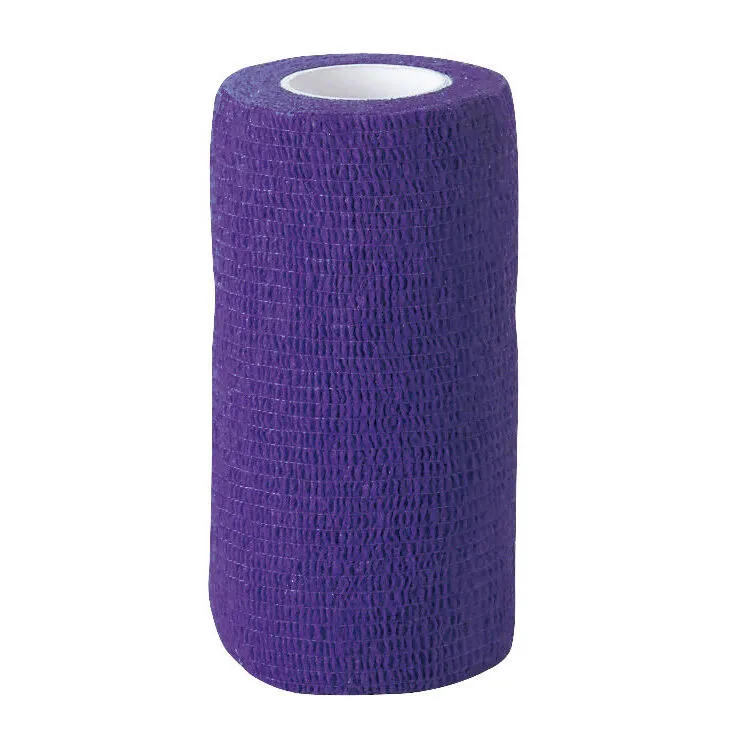
Kerbl
Kerbl EquiLastic Bandage 10cm wide self-adhesive
incl. 19% VAT, plus shipping
In stock now · delivery in 3–5 days
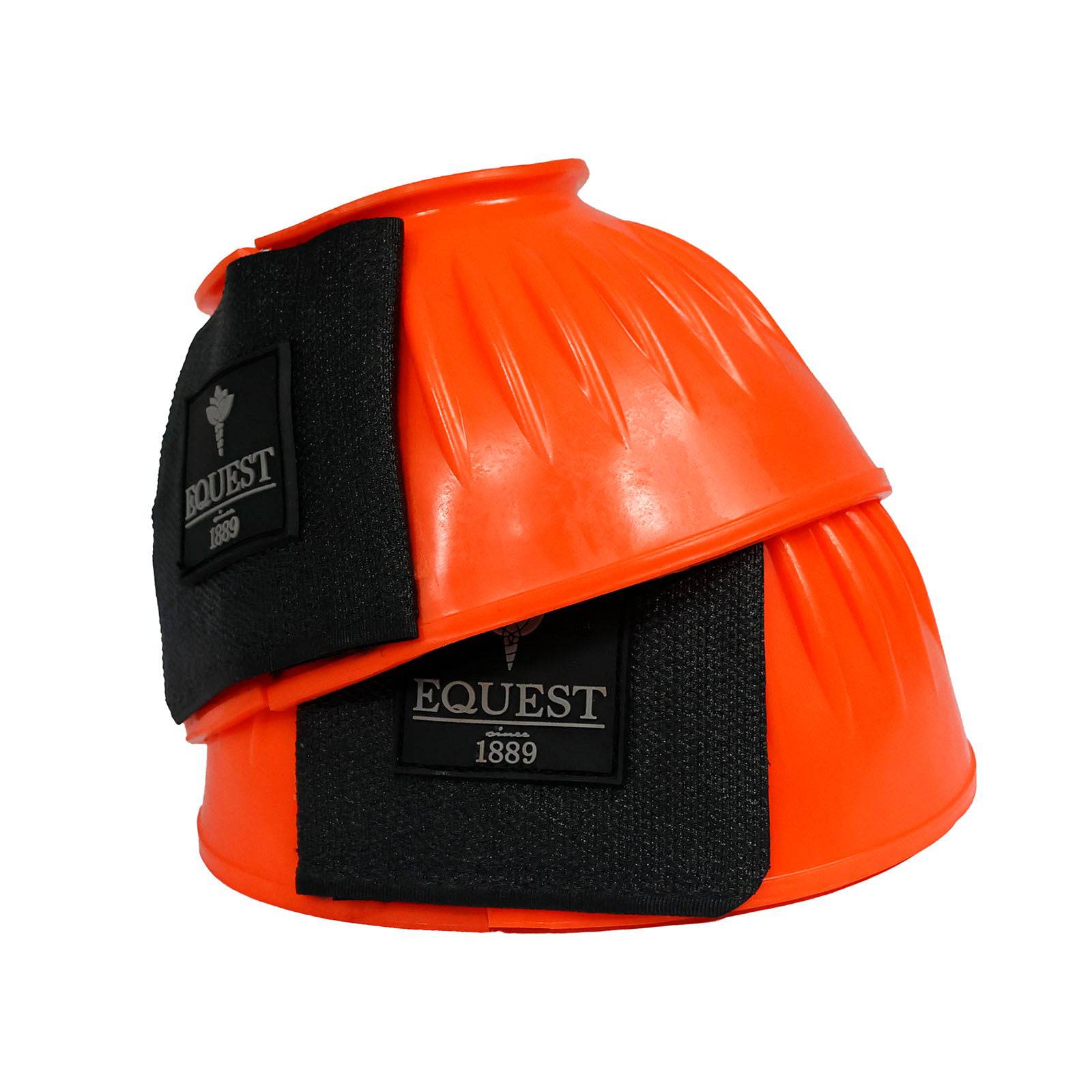
Equest
Equest Overreach Boots Rubber Colour
incl. 19% VAT, plus shipping
In stock now · delivery in 3–5 days
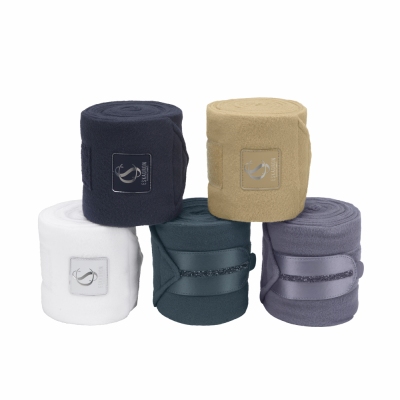
Eskadron
Eskadron Bandages Fleece Jewel CS26
incl. 19% VAT, plus shipping
In stock now · delivery in 3–5 days
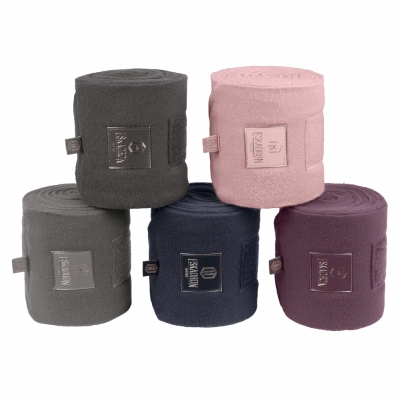 Offer
Eskadron
Eskadron Bandages Heritage23/24
incl. 19% VAT, plus shipping
In stock now · delivery in 3–5 days
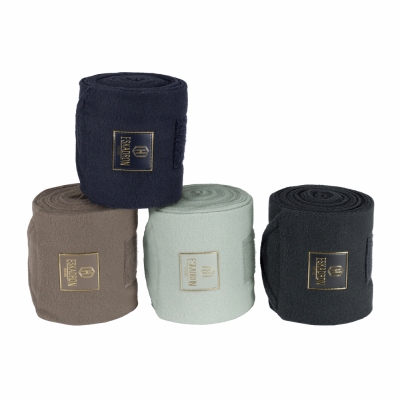 Offer
Eskadron
Eskadron Bandages Fleece Set of 4 Heritage
incl. 19% VAT, plus shipping
In stock now · delivery in 3–5 days
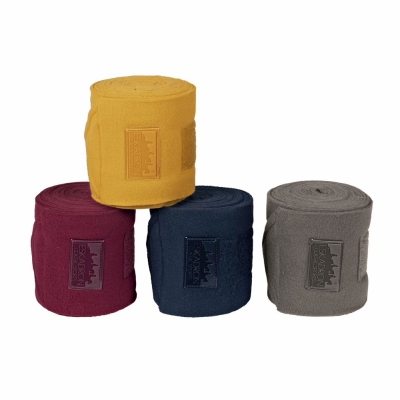
Eskadron
Eskadron Bandages Fleece CS AW21
incl. 19% VAT, plus shipping
In stock now · delivery in 3–5 days
All 137 products
take a look