
Questions about horse rugs
Here we answer the most common questions about horse rugs: which rug is suitable for which temperature, when a cooler rug or fly rug is useful, how to measure the correct size and how to wash rugs. According to the University of Veterinary Medicine Vienna, whether a horse needs a rug at all depends on the individual horse, for example on clipping, winter coat and how it is kept. In our shop in Tangstedt you can also try rugs on your horse directly.
By Julia Lühr, Ahrens Reitsport in Tangstedt · Updated
Which rug does my horse need at which temperature?
As a rough guide: above about 10 °C a healthy horse with a winter coat usually does not need a rug, between 5 and 10 °C a lightweight rug with up to 100 g fill is usually enough, between 0 and 5 °C 100 to 200 g is common, between 0 and minus 5 °C 200 to 300 g and below that 300 g and more. Clipped, older or thinner horses generally need one level warmer.
There is no binding standard. Age, breed, feeding, wind and wet conditions change the requirement significantly, as the University of Veterinary Medicine Vienna also points out. After rugging up you should therefore check with your hand whether the horse remains dry and pleasantly warm underneath.
More in our guide: Rugging your horse: which rug for which temperature?
Sources (3)
Does an unclipped horse even need a rug in winter?
A healthy, unclipped horse with a good winter coat can often do without a rug if it has a well-protected shelter. The University of Veterinary Medicine Vienna recommends a shelter closed on three sides with a dry, soft lying area, and for unclipped horses it prefers this to a rug so that the horse can adapt to changing weather.
Rutgers University gives a lower comfort limit of about minus 8 °C (18 °F) for a horse with a dry, full winter coat. If the coat is wet, clipped or still the summer coat, this limit is already around 15 °C. Once you have started rugging, Rutgers recommends staying with it for the season, because the rug presses the coat flat and reduces its insulation.
More in our guide: Rugging your horse: which rug for which temperature?
Sources (2)
What types of horse rugs are there?
The most important types are turnout rugs and rain sheets for outside, stable rugs for the stable, cooler rugs for after riding, exercise sheets for riding in cold weather, as well as fly rugs and sweet itch rugs for the summer. Turnout rugs are waterproof and robust on the outside, while stable rugs are softer and not made for rain.
Cooler rugs made of fleece absorb moisture after training or a shower. Kentucky Horsewear, for example, also uses its fleece rug as a show rug. According to the University of Veterinary Medicine Vienna, an exercise sheet keeps the muscles warm while riding. Fly rugs protect against insects, and for horses with sweet itch there are sweet itch rugs that give particularly full coverage.
More in our guide: Rugging your horse: which rug for which temperature?
What is the difference between a turnout rug and a stable rug?
A turnout rug is waterproof on the outside and made from durable fabric for turnout and paddocks, a stable rug is softer, not waterproof and intended only for the dry stable. The waterproofness of the turnout rug is created by a water-repellent treatment of the outer fabric.
On turnout rugs you will often find a denier specification such as 600D or 1200D. Denier is a unit of measurement for yarn fineness: 1 den corresponds to 1 gram per 9000 metres of yarn. A higher value stands for a stronger fabric that is usually more tear resistant. Because a stable rug does not keep out rain, it is not suitable for a horse in an open stable or out in the field.
More in our guide: Rugging your horse: which rug for which temperature?
Sources (2)
Which rug does a horse need in a paddock with shelter?
If a horse in a paddock with shelter is rugged, it needs a waterproof, breathable turnout rug, because it is exposed to rain and wind. The University of Veterinary Medicine Vienna considers such rugs suitable to protect against wind and rain. For unclipped horses, however, it prefers a three-sided enclosed shelter.
According to the university, clipped horses that stay outside all winter must be rugged and, when temperatures change, have their rugs changed. Take the rug off regularly in order to notice pressure marks at the withers, skin problems and changes in body condition at an early stage.
More in our guide: Rugging your horse: which rug for which temperature?
Sources (1)
How warm should a horse feel under the rug?
Under the rug the coat should feel warm and dry, but not damp or hot. The best way is to feel with your flat hand under the rug behind the withers or at the shoulder, because ears and legs are exposed to the weather and tell you little about the horse’s core warmth.
Kentucky Horsewear states that signs of a rug being too warm are sweating, rapid breathing and sweat behind the ears. A horse that is cold, on the other hand, will fluff up its coat, shiver or eat more. Rutgers University advises checking the horse shortly after rugging and choosing a lighter rug if you find any sweat.
More in our guide: Rugging your horse: which rug for which temperature?
Sources (2)
Is it a problem if a horse sweats under its rug?
If a horse sweats under a turnout or stable rug, the rug is too warm and should be replaced with a lighter one. Occasional light sweating is not an emergency, but over time it is harmful. Kentucky Horsewear points out that sweat under the rug can lead to rub marks and skin infections.
Rutgers University also warns against rugging a wet horse, because moisture under the rug encourages skin fungus. Take the rug off and let the coat dry, in cold weather preferably under a cooler rug, then choose a lighter rug. If you notice any changes to the skin, please ask your vet for advice.
More in our guide: Using a cooler rug correctly: when, how long and which one?
Sources (2)
When does a horse need a cooler rug?
A horse needs a cooler rug if it is sweaty or wet after riding, after being hosed down or at a competition, and could get chilled in cool weather. The University of Veterinary Medicine Vienna recommends, in order to prevent a cold, that you cool the horse down after hacking until it is dry, use a cooler rug and change or remove wet rugs.
It is best to put the rug on straight after work, ideally already during the last minutes in walk. It is especially important for clipped horses, which lack the protective winter coat on the clipped areas.
More in our guide: Using a cooler rug correctly: when, how long and which one?
Sources (2)
How long does the cooler rug stay on the horse?
You leave the cooler rug on the horse until the coat underneath feels dry, then you take it off. How long this takes depends mainly on the coat: a horse with a thick winter coat needs significantly longer than a clipped one.
If the rug itself becomes soaked before the horse is dry, replace it with a dry one. This is also recommended by the University of Veterinary Medicine Vienna. A damp cooler rug is not intended to be used as a stable rug overnight, and according to Rutgers University a horse should never be rugged up while wet.
More in our guide: Using a cooler rug correctly: when, how long and which one?
Sources (2)
Which cooler rug dries the fastest?
Horses usually dry fastest under a cooler rug made of absorbent fleece, because this material wicks moisture from the inside to the outside, where it can evaporate. Kentucky Horsewear states that its square Heavy Fleece Rug should dry the coat in 5 to 10 minutes, depending on coat length, even in winter. This is the manufacturer’s specification, and with a very thick winter coat it usually takes longer.
Besides the material, the fit is important: the rug should cover the back and quarters well and must not slip. If it is saturated before the horse is dry, change it for a dry one, as recommended by the University of Veterinary Medicine Vienna.
More in our guide: Using a cooler rug correctly: when, how long and which one?
When does a horse need a fly rug?
A fly rug is useful as soon as flies, horseflies and midges are clearly bothering the horse out in the field, and especially for horses with sweet itch. In a study in the Equine Veterinary Journal (Graves and colleagues, 2026) headshaking and tail swishing decreased markedly in five horses when they wore a fly rug.
According to a review article, sweet itch is the most common itchy skin disease in horses and is usually triggered by biting midges (Culicoides). Recommended measures are rugs, fans, insect repellents and stabling the horse at dawn and dusk when the midges are most active. If your horse suffers from severe itching, please consult your vet.
Sources (3)
Which fly rug is suitable in hot weather?
In hot weather a lightweight, breathable fly rug made from fine mesh fabric is suitable, and on hot days you should take particular care that your horse does not overheat underneath it. In the study by Graves and colleagues (Equine Veterinary Journal, 2026) the horses’ heart rate with a fly rug increased on average by just over 7 beats per minute. The researchers therefore advise that you should keep an eye on heat load and signs of stress in warm weather.
A study at Duchy College in England found significantly less warming of the skin under lightweight sweet itch rugs made from polyester fabric than under fleece or quilted rugs. Watch for sweat under the rug and remove it if your horse is sweating heavily.
Sources (3)
Do fly rugs with zebra stripes really help against horseflies?
Yes, an experiment with horses suggests that zebra stripes make it harder for horseflies to land. Researchers led by Tim Caro (University of California, Davis) and Martin How (University of Bristol) had seven horses wear a striped, a black and a white rug one after the other. Significantly fewer horseflies landed on the striped rug than on the plain ones. The study was published in PLOS ONE in 2019.
On the uncovered head, however, horseflies landed just as often with all three rugs. The stripes only protect the area they cover. For the head and ears a fly mask is therefore also useful.
Sources (2)
What rug size does my horse need?
You determine the rug size with a soft measuring tape, either as the back length from the withers to the top of the tail, or as the body length from the centre of the chest to the back edge of the hindquarters, depending on the manufacturer. Sizes that are common in Germany, such as 125, 145 or 155 cm, refer to the back seam for manufacturers like WeatherBeeta, while British sizes in feet, such as 6'3, refer to the body length.
WeatherBeeta advises choosing the larger size if your measurement falls between two sizes. It is best to measure with two people, on a calm horse standing square, and to compare your measurement with the size chart of the respective manufacturer.
Sources (2)
How do I wash a rug properly and how often?
Wash a rug according to the care label, usually on a gentle cycle at a low temperature and without fabric softener, and let it air dry. The manufacturer Waldhausen advises you to brush off heavy dirt beforehand, hose down very dirty rugs in advance and fold in the buckles so that they do not damage the machine. For large rugs they recommend a machine with at least a 12 kg load capacity.
For daily use Waldhausen suggests a washing interval of 2 to 4 weeks, for occasional use 1 to 2 months and at the end of the season a thorough wash before storing. Turnout rugs often lose some waterproofness when washed and then need to be reproofed.
Sources (1)
What is Pferdedecke in English?
Pferdedecke is usually called horse rug or simply rug in British English, and horse blanket in American English. The dictionary dict.cc also lists horsecloth. British and European manufacturers such as Kentucky Horsewear talk about rugs, while American sources such as Rutgers University talk about blankets and sheets.
On labels and in size charts you will come across some fixed terms: turnout rug is the Weidedecke, stable rug is the Stalldecke, cooler is the Abschwitzdecke, fly sheet is the Fliegendecke and exercise sheet is the Nierendecke or Ausreitdecke. The term back seam means the Rückennaht, in other words the back length of the rug.
Can’t find your question?
Ask us: in our shop in Tangstedt, by phone on +49 4109 252173 or via the contact form. Personal advice is also available under Services.
From our range
Matching products
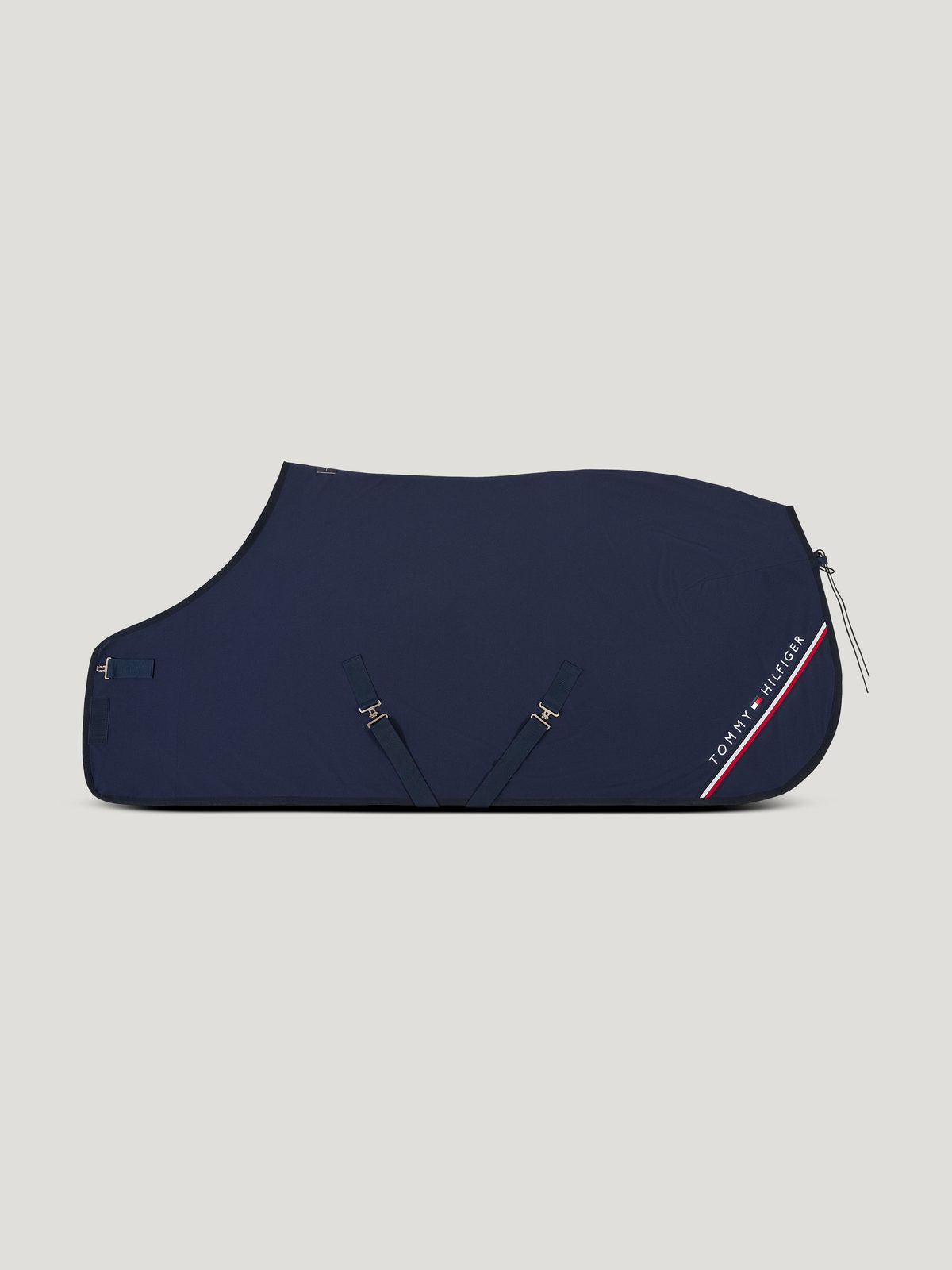
Tommy Hilfiger Equestrian
Tommy Hilfiger Stanford Fleece Cooler Rug
incl. 19% VAT, plus shipping
In stock now · delivery in 3–5 days
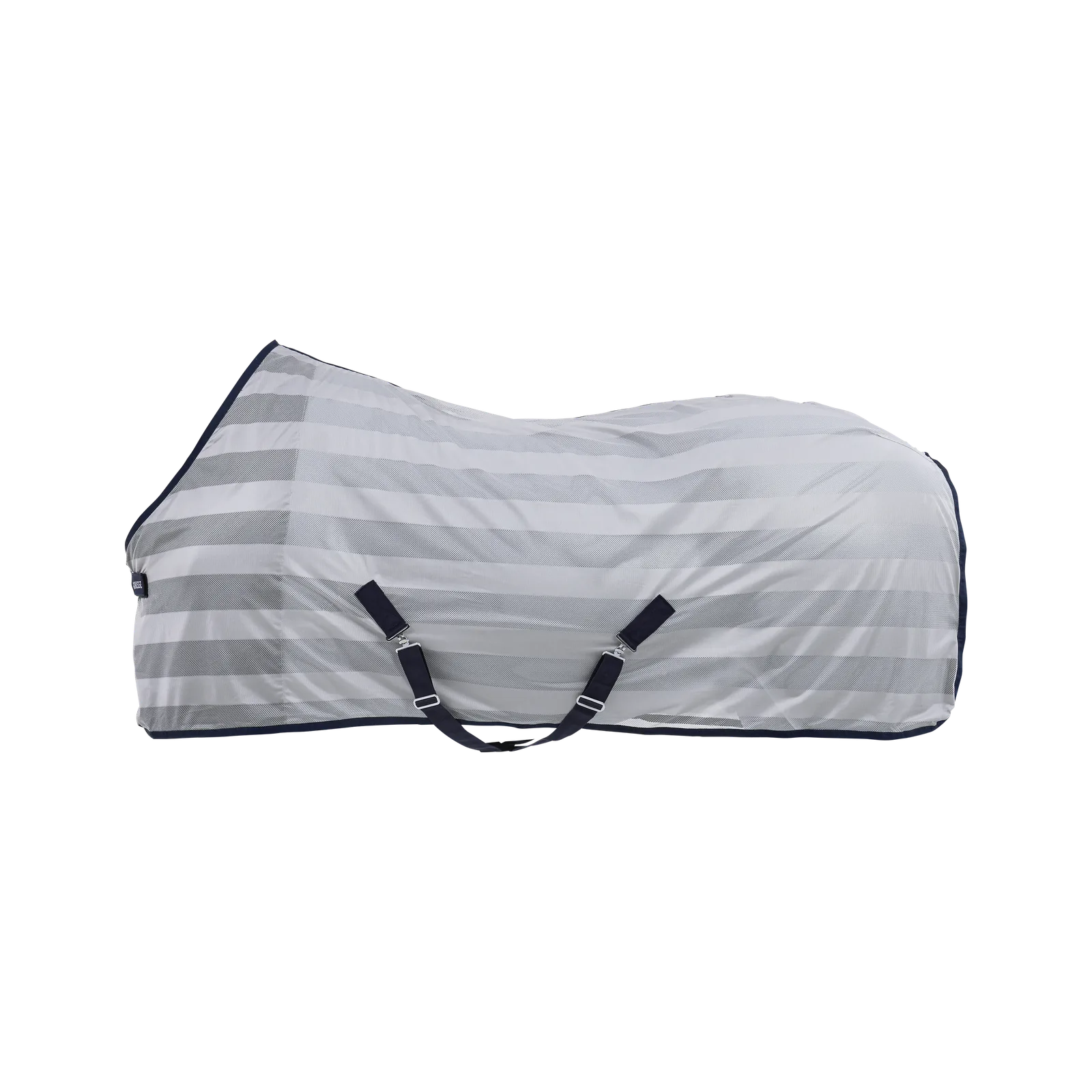
Busse
Busse Travel Fly Rug
incl. 19% VAT, plus shipping
In stock now · delivery in 3–5 days
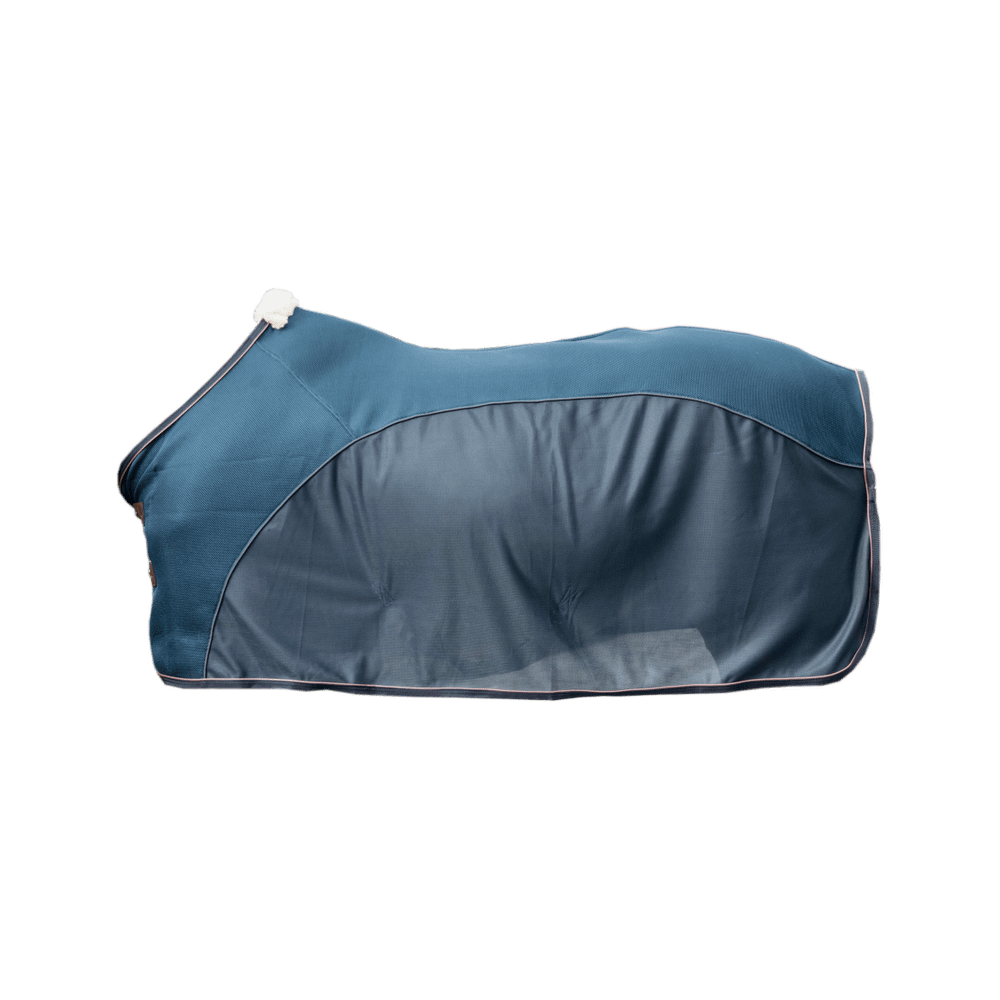
Kentucky Horsewear
Kentucky Fly Cooler Rug
incl. 19% VAT, plus shipping
In stock now · delivery in 3–5 days
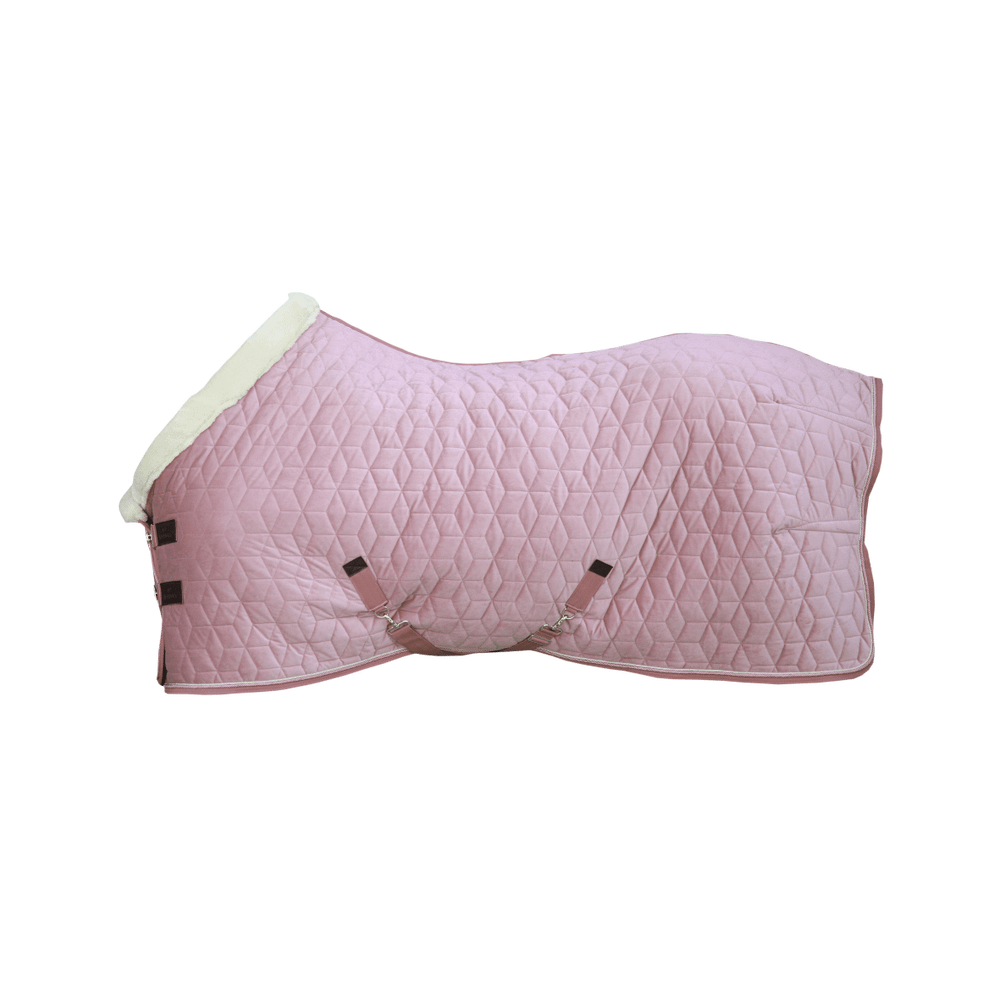
Kentucky Horsewear
Kentucky Stable Rug Velvet 160 g
incl. 19% VAT, plus shipping
In stock now · delivery in 3–5 days
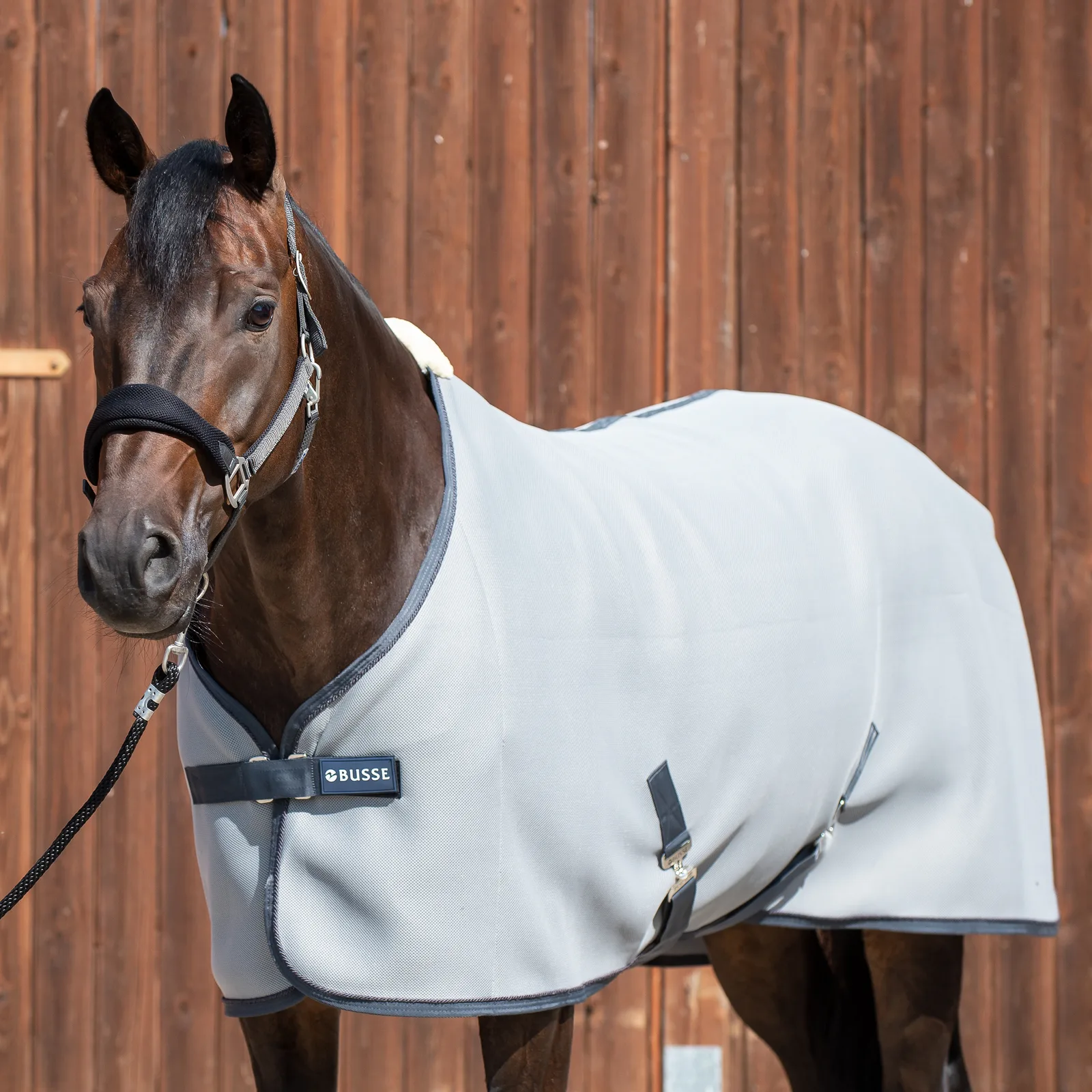
Busse
Busse Cooler Rug 3D Air
incl. 19% VAT, plus shipping
In stock now · delivery in 3–5 days
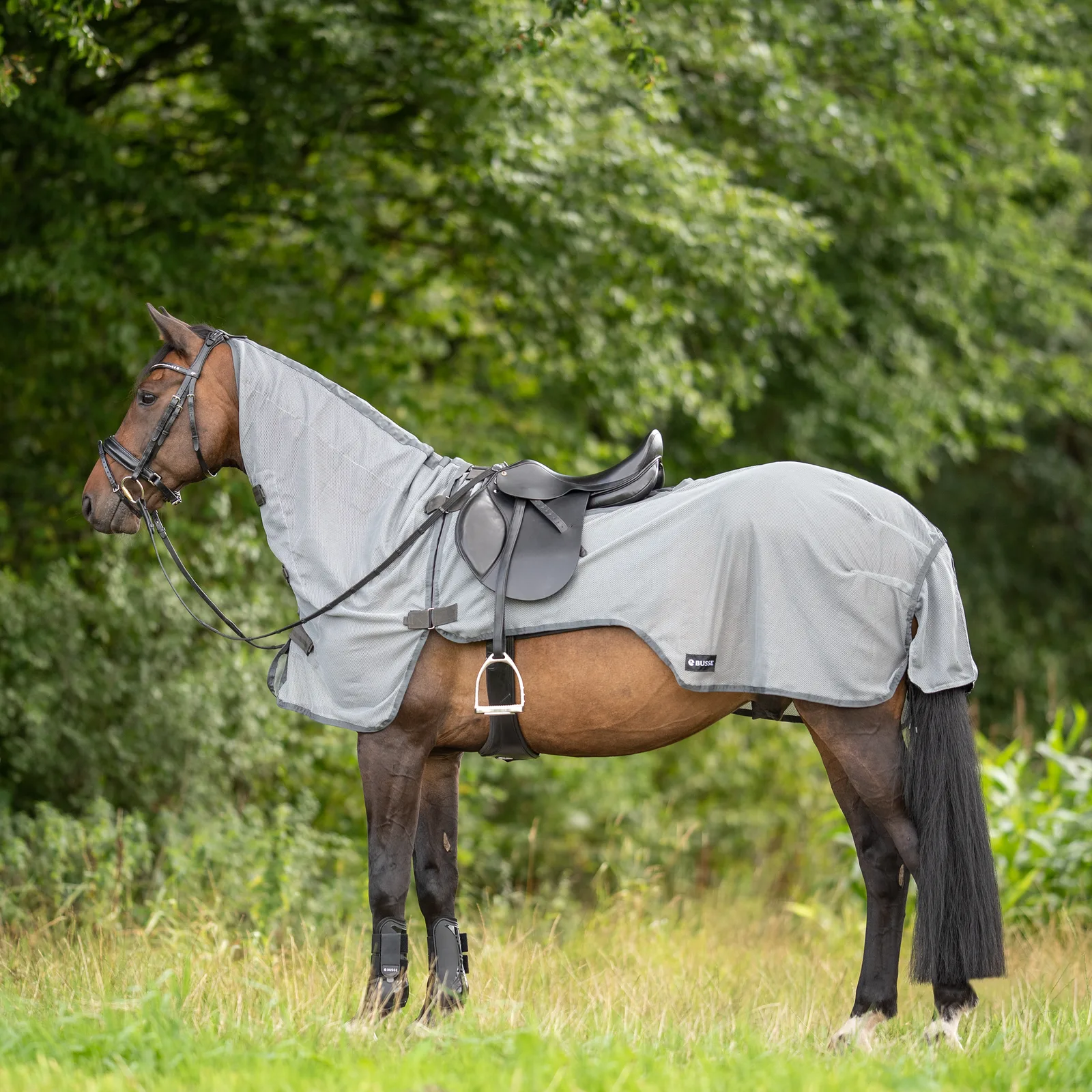
Busse
Busse Exercise Sheet Flexi Fly 3
incl. 19% VAT, plus shipping
In stock now · delivery in 3–5 days
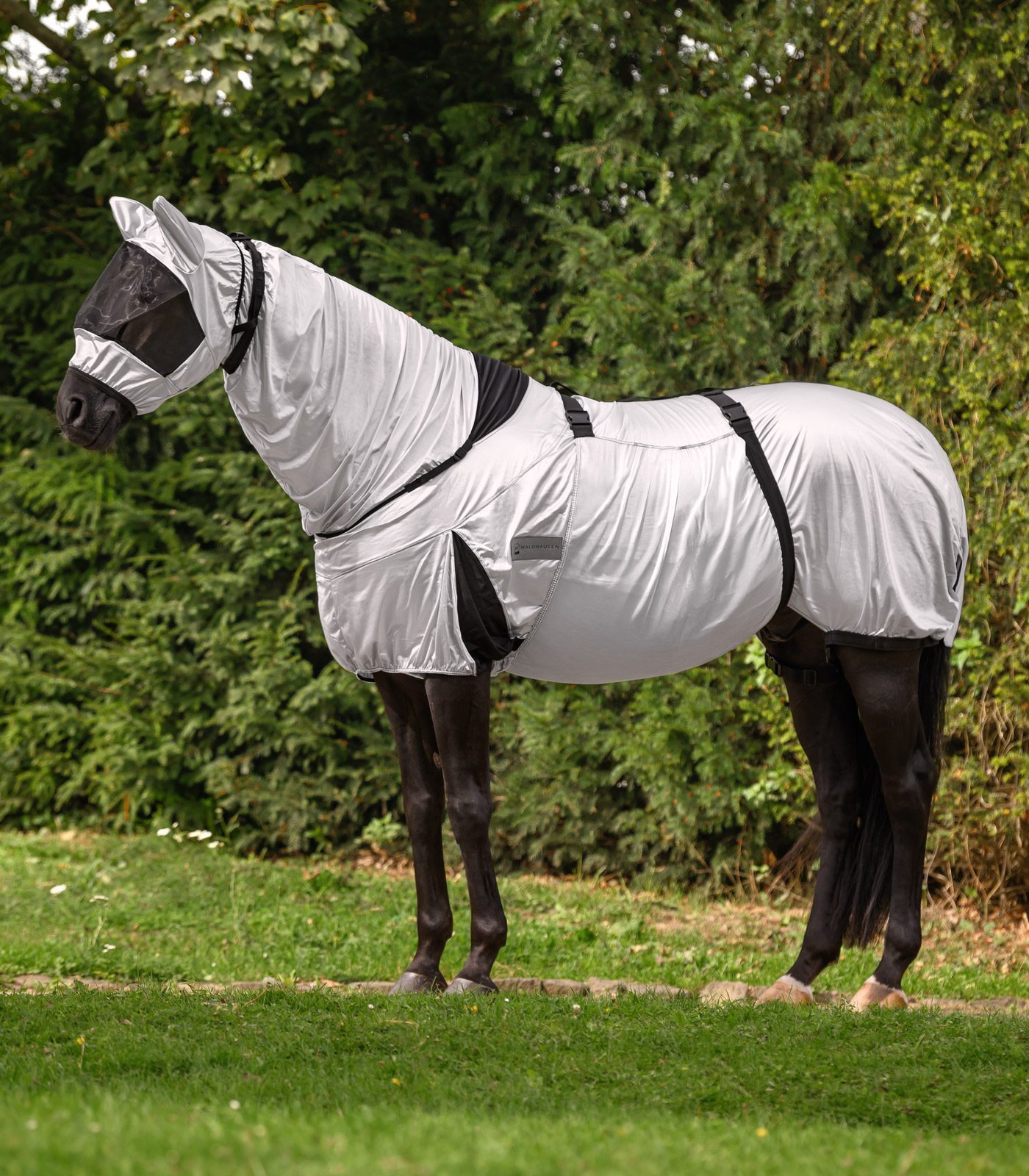
Waldhausen
Waldhausen Sweet Itch Rug
incl. 19% VAT, plus shipping
In stock now · delivery in 3–5 days
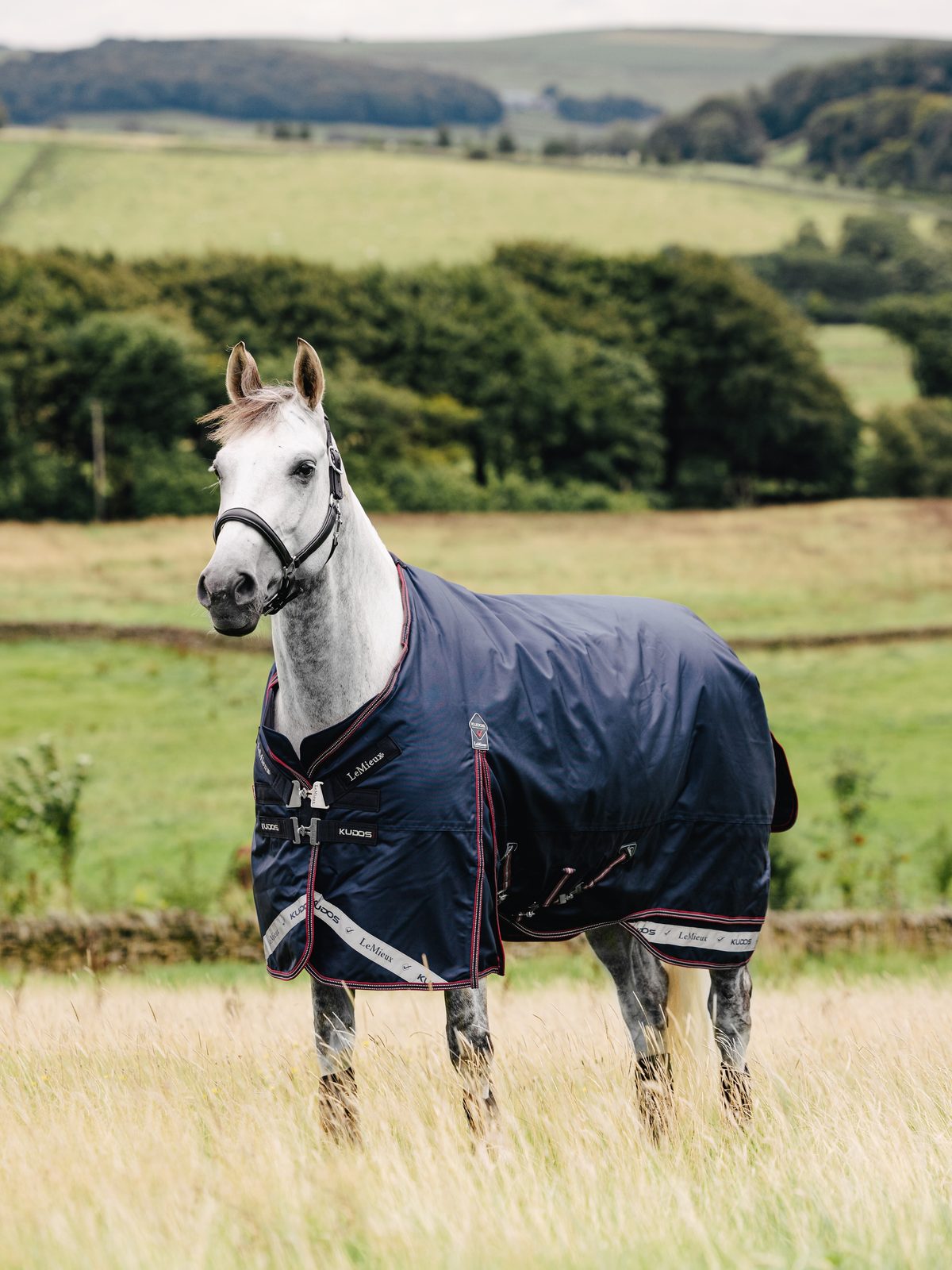
LeMieux
LeMieux Kudos Turnout Rug 50g + Neck Cover
incl. 19% VAT, plus shipping
In stock now · delivery in 3–5 days
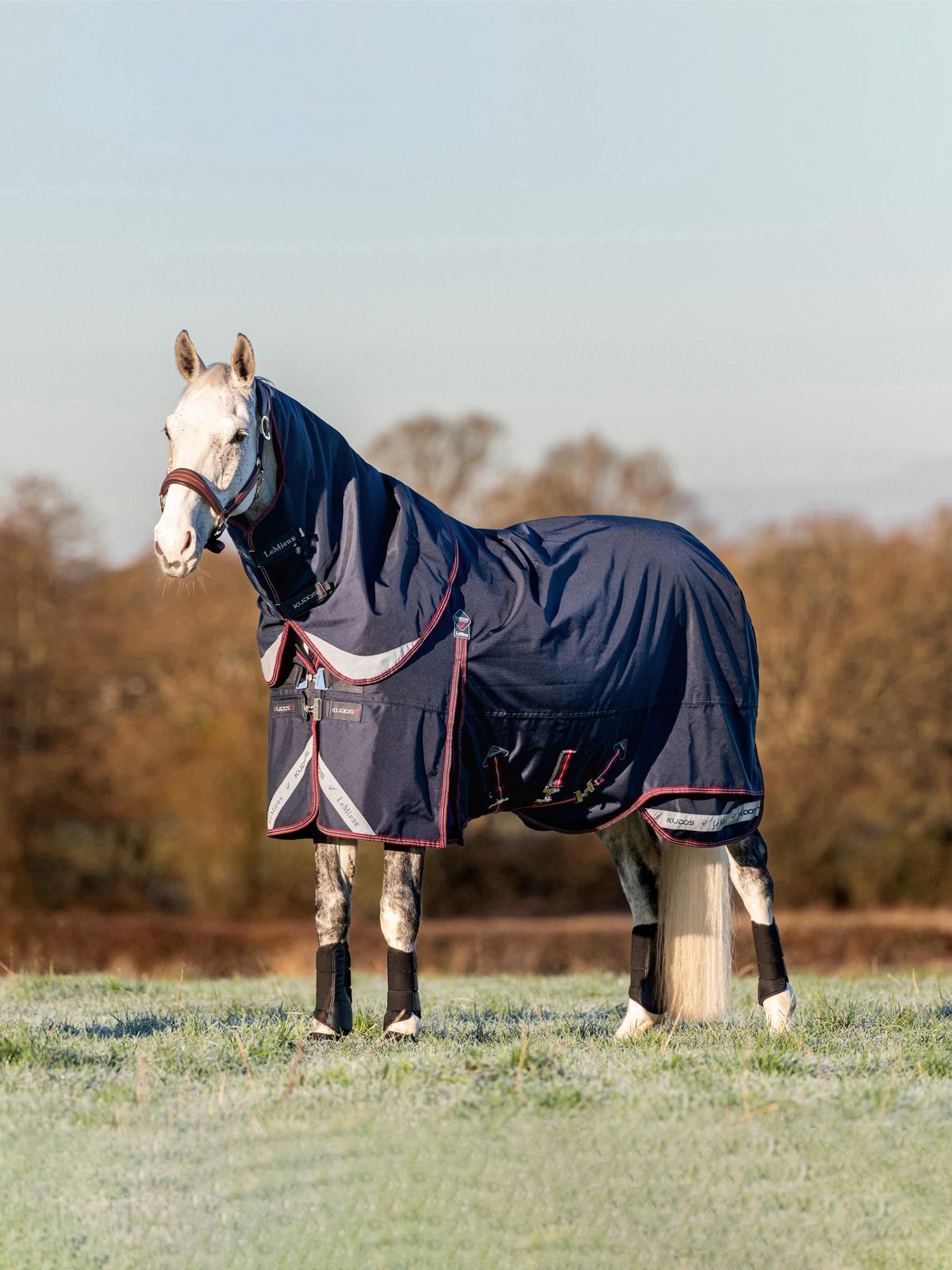
LeMieux
LeMieux Kudos Turnout Rug 100g + Neck Cover
incl. 19% VAT, plus shipping
In stock now · delivery in 3–5 days
Eskadron
Eskadron Cooler Rug Fleece Stamp Chain Platinum
incl. 19% VAT, plus shipping
In stock now · delivery in 3–5 days
Kentucky Horsewear
Kentucky Dog Coat waterproof
incl. 19% VAT, plus shipping
In stock now · delivery in 3–5 days
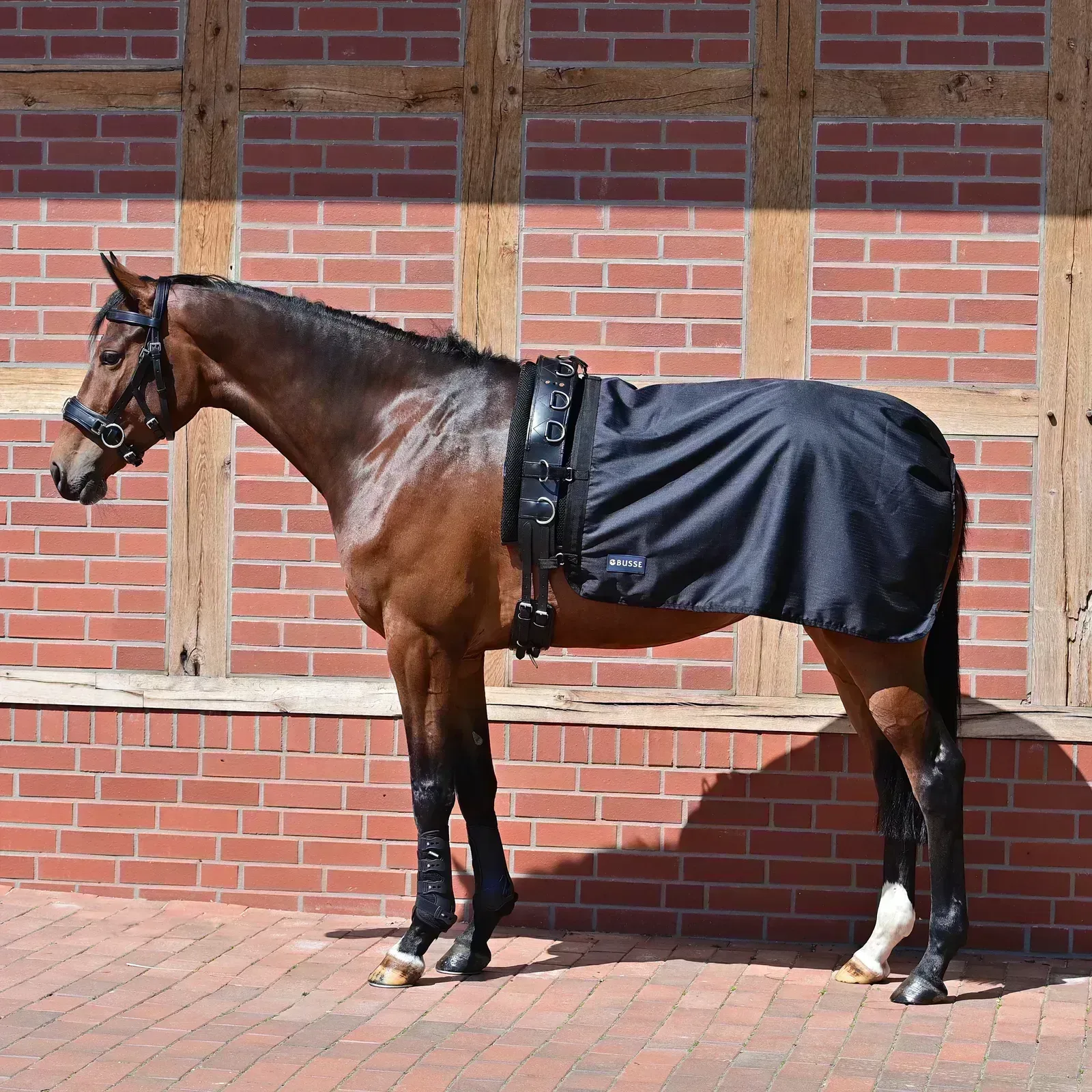
Busse
Busse Lunging Rug Rain 50
incl. 19% VAT, plus shipping
In stock now · delivery in 3–5 days
All 173 products
take a look
More topics
- Questions about bits and bridles
- Questions about riding helmets
- Questions about body protectors
- Questions about riding boots and half chaps
- Questions about riding clothing
- Questions about brushing boots, bandages and overreach boots
- Questions about saddle accessories
- Questions about horse feeding
- Questions about grooming and the stable