
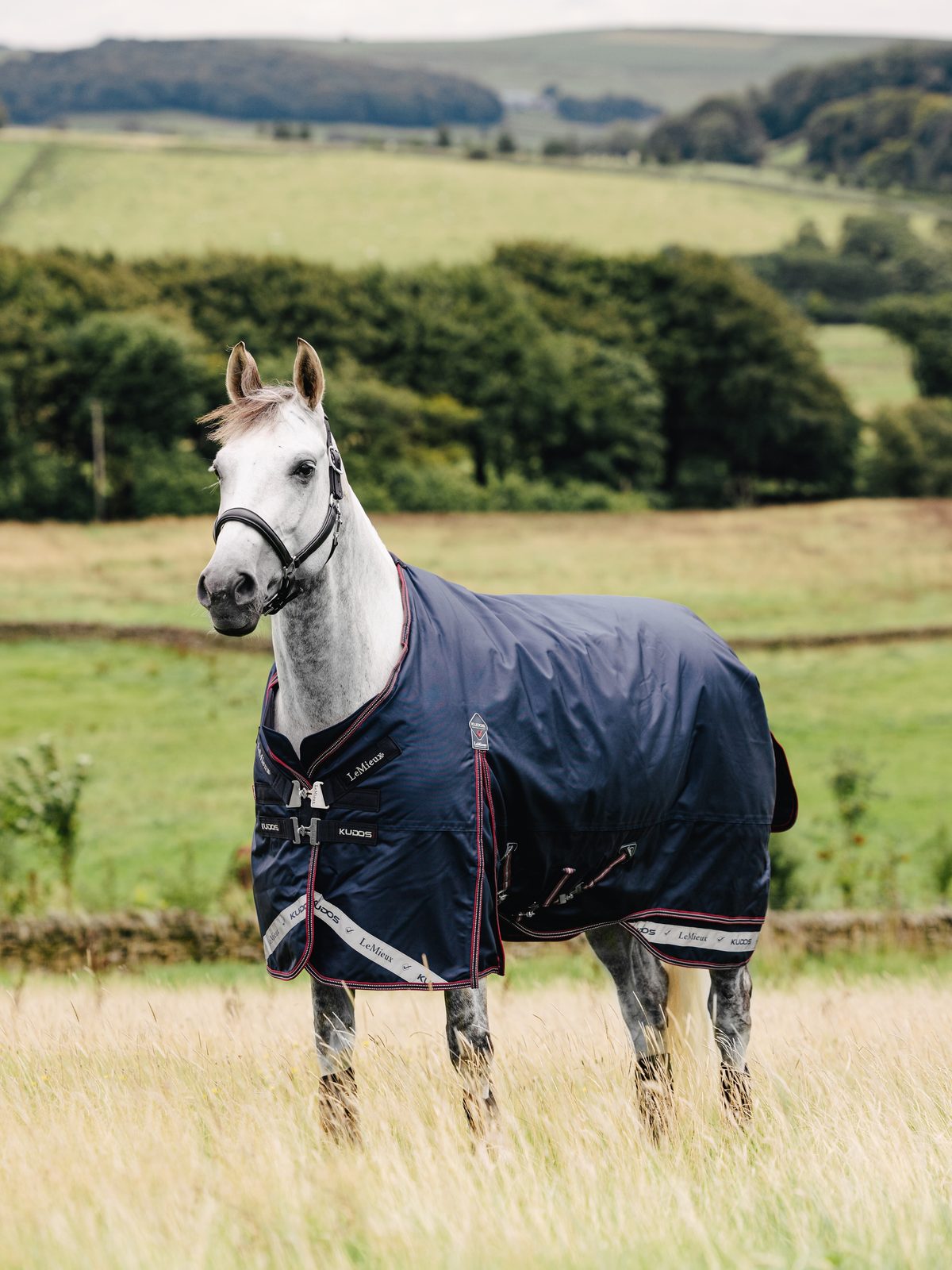
Rugging your horse: which rug for which temperature?
Horses start to feel cold significantly later than we humans do. We explain when a rug makes sense, what the weight means and which rug type is designed for what.
Does my horse actually need a rug in winter?
A healthy, unclipped horse with a natural winter coat often manages completely without a rug because horses start to feel cold significantly later than we humans do. Specialist sources give their comfort temperature as roughly 5 to 15 °C. The thermoneutral zone, in which an adult horse maintains its body temperature without expending extra energy, is in temperate climates roughly between 5 and 25 °C. Even below this, a horse with a good winter coat can still keep itself warm.
It has an inbuilt heater for this: with tiny muscles it raises the hairs and creates an insulating layer of air, and the muscles are also supplied with more blood in cold conditions. Horses usually cope well with dry cold as a result. It becomes more difficult when persistent wet weather is combined with wind. You can find an overview of our models in the rugs category.
Which horses are more likely to need a rug?
Whether a rug is used and how warm it should be always depends on the individual horse, and several factors interact:
- Clipping: Clipped horses no longer have a protective undercoat and cannot raise the hairs. They almost always need a rug in winter.
- Breed and coat: Native and hardy breeds usually grow a thick winter coat, finer Warmbloods or Thoroughbreds often considerably less.
- Management: It makes a difference whether the horse is in a stable, in a wind-sheltered open barn or out on pasture and paddock without shelter.
- Age and health: Old, very young, ill or underweight horses regulate their temperature less effectively. In these cases it is worth consulting your vet.
- Workload: Horses that work hard and sweat are more likely to need a cooler rug or exercise sheet than a thick winter rug.
What does the weight of a horse rug tell you?
The weight indicates how much filling per square metre is between outer fabric and lining and therefore roughly how warm a rug is. The higher the number, the warmer the rug. A rug with 0 g of fill, such as a pure rain sheet, does not provide warmth, it only keeps out rain and wind. Light rugs for the change of seasons are usually around 50 to 100 g, winter rugs around 100 to 300 g and more. The weight is only a guide though. Cut, fit and material also influence the actual warmth.
How many grams of fill suit which temperature?
For a horse that is to be rugged, guides give rough temperature ranges, but this is not a binding standard. Recommendations from different specialist sources differ considerably. Some only suggest a light thermal rug for unclipped horses with a good winter coat when it is freezing, others start earlier. The following table is therefore only a starting point. For clipped, old, ill or easily chilled horses you generally go one step warmer in each case.
| Temperature | Fill (guide) | Rug type |
|---|---|---|
| above approx. 10 °C | 0 g | usually no rug, in persistent rain and wind an unlined rain sheet |
| approx. 5 to 10 °C | 0 to 100 g | light rug for the change of seasons |
| approx. 0 to 5 °C | 100 to 200 g | light to medium winter rug |
| approx. 0 to minus 5 °C | 200 to 300 g | medium to warm winter rug |
| below approx. minus 5 °C | 300 g and more | warm, highly insulating winter rug |
Check regularly whether the rug you have chosen is still suitable because weather and coat condition change over the course of the season.
Which types of rug are there and what are they designed for?
The most important rug types are rain sheets and turnout rugs for outside, stable rugs for the stable and cooler rugs for after work. They differ mainly in whether they are waterproof and how much warmth they provide.
Rain sheets and turnout rugs
Rain sheets and turnout rugs are waterproof and windproof on the outside and are made for pasture, paddock and open barn. They are available unlined as pure weather protection or with filling as winter rugs. You can find a selection under turnout rugs.
Stable rugs
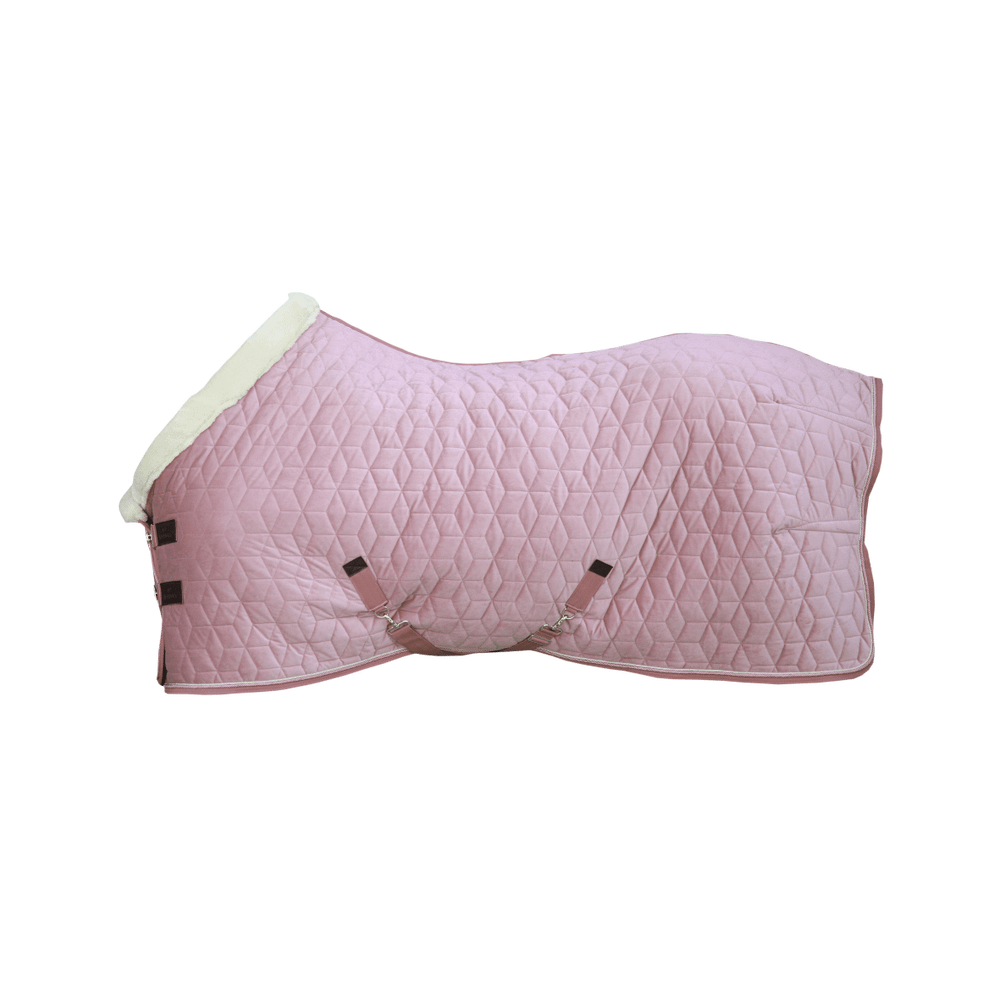
Stable rugs are designed for use in a dry stable and are usually not waterproof. Depending on the fill they provide different levels of warmth. Suitable models can be found under stable rugs.
Cooler rugs
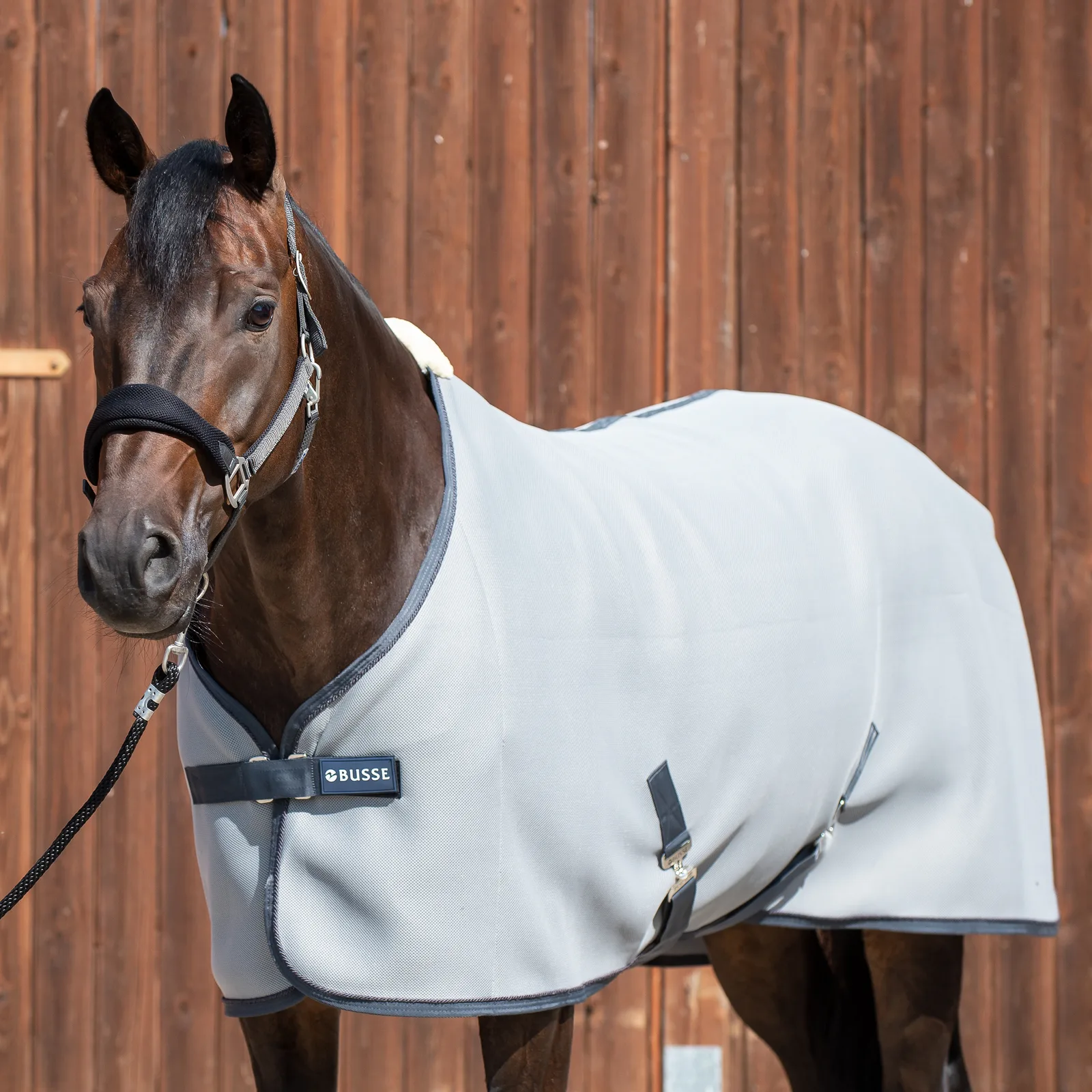
Cooler rugs are usually made from fleece or technical fabric. After work, transport or washing they absorb moisture and wick it to the outside so that the horse dries without getting chilled. They are not designed for use in the field. Our selection can be found under cooler rugs.
Exercise sheets
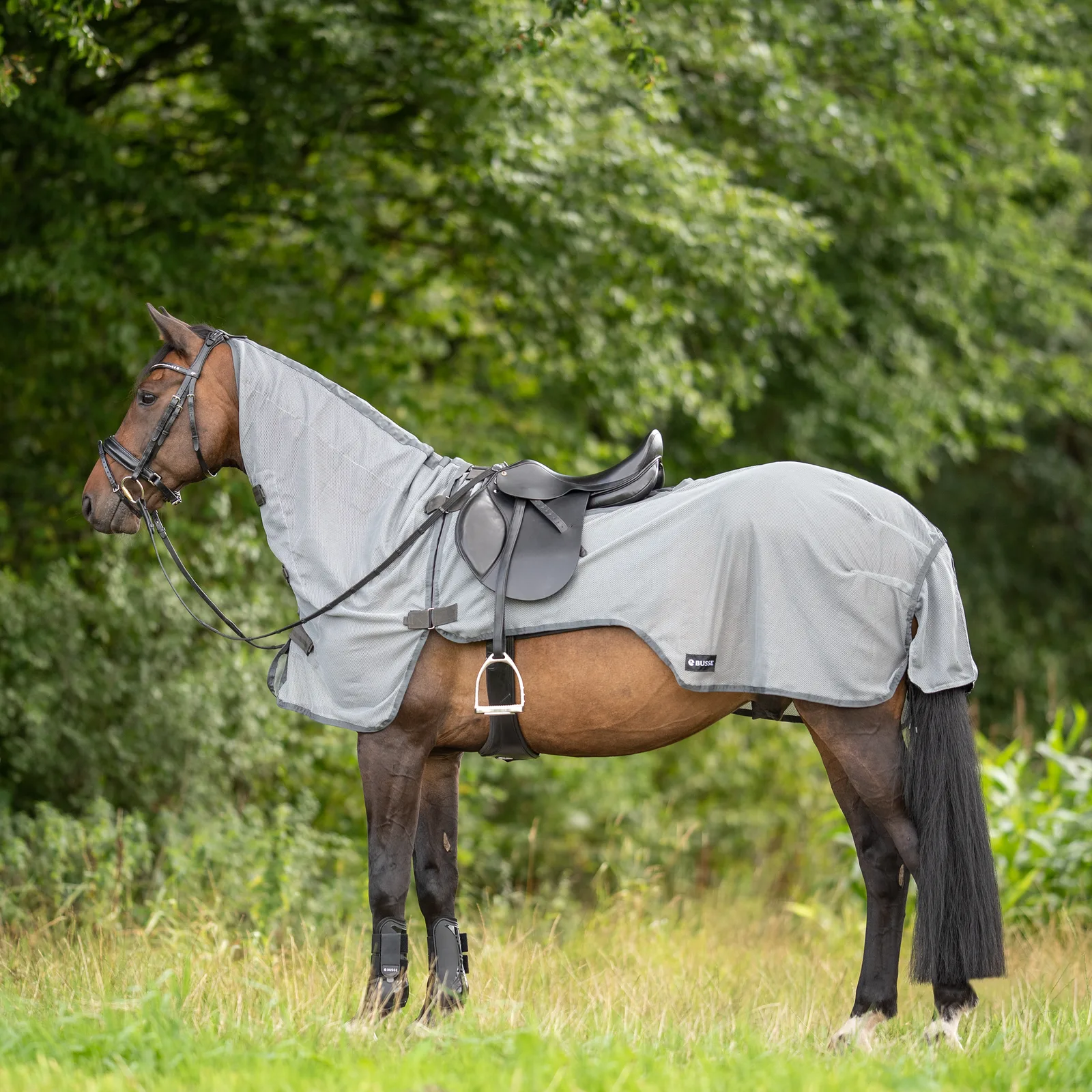
An exercise sheet covers the quarters and kidney area and keeps the muscles in the rear part of the back warm while you ride, for example during warm-up or in cold, wet weather. You can find models under exercise sheets.
Fly rugs and sweet itch rugs
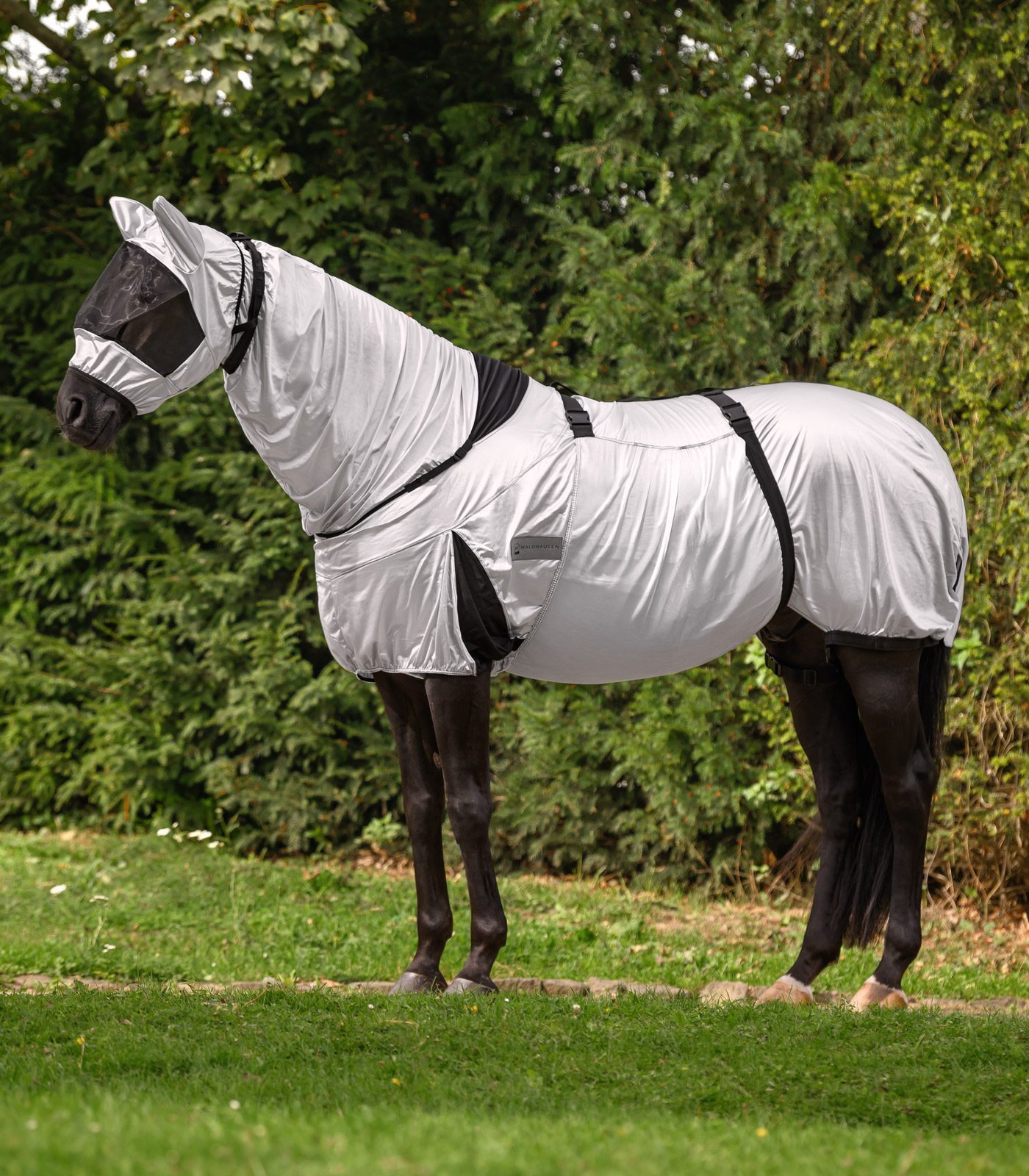
In summer, fly rugs and sweet itch rugs protect against insects, and closely woven models also protect against UV radiation. Variants with neck cover also protect the neck. You can find suitable options under fly rugs.
Which rug does a horse in an open barn need?
In an open barn a horse, if it is rugged at all, needs a waterproof and windproof turnout rug because it is exposed to rain, wind and cold around the clock. A stable rug is not suitable for this. It is usually not waterproof and is designed for a dry stable, not for daily use on paddock or pasture.
Whether a rug is necessary depends on the individual horse. An unclipped horse with a thick winter coat often copes well without a rug in an open barn if it has good shelter. The University Equine Clinic of the University of Veterinary Medicine Vienna recommends a shelter that is closed on three sides with a dry, soft lying area. For unclipped horses it prefers the shelter to a rug so that the horse can adapt to changing weather. Clipped horses that spend the winter outside must be rugged and their rugs need to be changed according to temperature fluctuations.
Choose the fill according to coat and weather: an unlined rain sheet for wet, windy days, a lined winter rug for clipped or sensitive horses. Because the weather outside changes quickly it is worth taking a daily look under the rug. Vetmeduni Vienna also advises removing the rug regularly in order to spot pressure marks at the withers and skin problems early.
When does a horse need a stable rug?
A horse mainly needs a stable rug if it is clipped or has little winter coat of its own and is stabled. For a healthy, unclipped horse with a thick coat it is usually not necessary in the stable. There is no fixed temperature below which every horse needs a stable rug. It always depends on clipping, coat, age and stable climate.
Stable rugs are intended to keep the horse warm in the stable and to protect it from draughts. They therefore need to be windproof but not waterproof. How much fill is sensible depends on the temperature in the stable and on the individual horse. The table on weight further up provides a guide. For clipped horses you usually choose one step warmer.
Even in the stable a horse can be rugged too warmly. Guides mention heavy sweating, tension and coughing as possible consequences of a rug that is too warm in the stable. Only put a stable rug on when your horse really needs it and regularly check underneath with your hand. For old or ill horses it is best to discuss the choice of rug with your vet.
How warm should a horse feel under the rug?
Under the rug the coat should feel pleasantly warm and dry, neither cool nor damp or clammy. The best way to check this is to slide your flat hand under the rug just behind the withers or at the shoulder. You will quickly notice there whether it is too hot, too damp or too cold underneath.
Run your bare hand a bit further between rug and coat, as far as the ribs. The area at the shoulder right at the edge of the rug often feels warmer and slightly tackier than the rest of the body, so it is worth comparing several spots. This is how to interpret what you feel:
- Warm and dry: The rug suits the weather and your horse.
- Moist, hot or steamy: The horse is sweating, the rug is too warm. Take it off or change to a lighter one.
- Cool: The horse may need more warmth. Also look out for raised coat, cool ears, shivering or a clamped-down tail.
Ideally check in the morning and evening and after any change in the weather. Take the rug off completely at least once a day in order to find rubs or dirt and shavings underneath.
How can I tell that my horse is rugged too warmly?
If it is damp and hot under the rug or if the horse is sweating, the rug is too warm, and rugging too warmly is considered the most common mistake. In a British study the surface temperature under a lined stable rug at around 4 °C outside temperature rose by almost 16 °C, under a fleece rug by just over 11 °C. Specialist sources also point out that permanent, unnecessary rugging can weaken the body’s own temperature regulation because the tiny hair muscles are no longer challenged.
Regularly feel under the rug with your hand. If the coat feels warm and dry, everything is fine. Also check the fit so that nothing rubs or slips. If you are unsure, especially with old or ill horses, ask your vet.
What happens if a horse is rugged too lightly?
If a horse is rugged too lightly, it has to produce more warmth itself and uses extra energy for this. Below its lower critical temperature a horse burns significantly more calories than at any other time of year, according to the University of Veterinary Medicine Vienna. Where this threshold lies depends among other things on age, breed, body condition, feeding, wind and wet.
If the horse does not receive this energy through its feed, it uses its fat reserves and later its muscles and loses weight. Good hay is therefore the most important feed basis in winter. Signs that a horse is cold are raised coat, cool ears, a tense posture, a clamped-down tail or shivering. Shivering on its own is not definite proof though because the horse also deliberately produces warmth in this way.
A wet rug is particularly unfavourable. A damp coat and a soaked rug insulate poorly, so the horse gets chilled as soon as the temperature drops. Change wet rugs for dry ones promptly. If your horse seems listless in winter despite a suitable rug or loses weight, have it examined by a vet.
How does Ahrens Reitsport help me choose a rug?
Which rug is right can only be decided by looking at the horse, and we are happy to advise you personally. In our shop in Tangstedt with over 500 m² on two floors you will find rugs from, among others, Horseware, Bucas, Eskadron and Kentucky Horsewear. Together we look at coat, management and intended use and choose the suitable weight and size.
You can find us at Dorfring 2, 22889 Tangstedt, north of Hamburg. We answer questions by phone on +49 4109 252173 or via our contact page.
From our range
Matching products
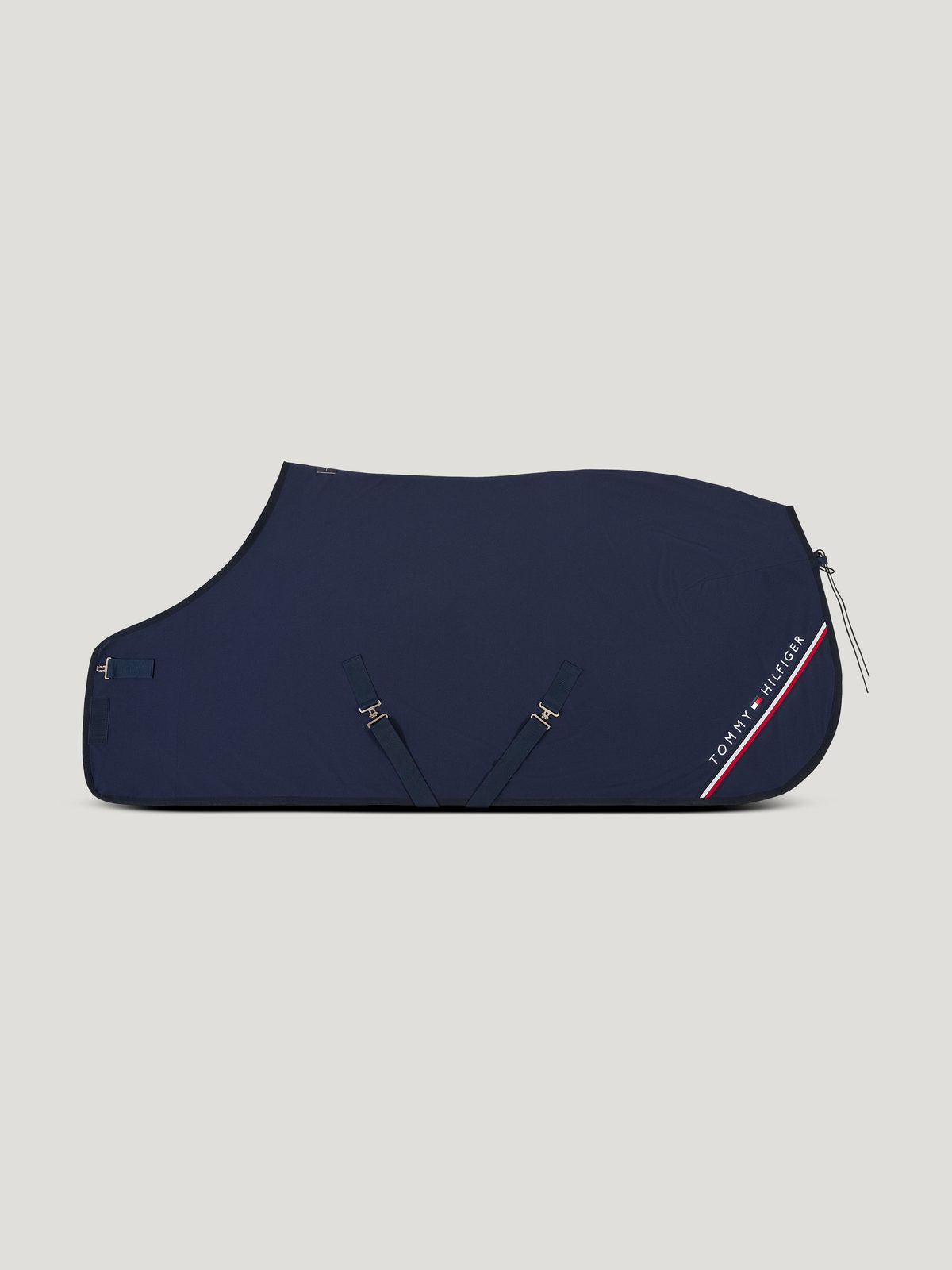
Tommy Hilfiger Equestrian
Tommy Hilfiger Stanford Fleece Cooler Rug
incl. 19% VAT, plus shipping
In stock now · delivery in 3–5 days
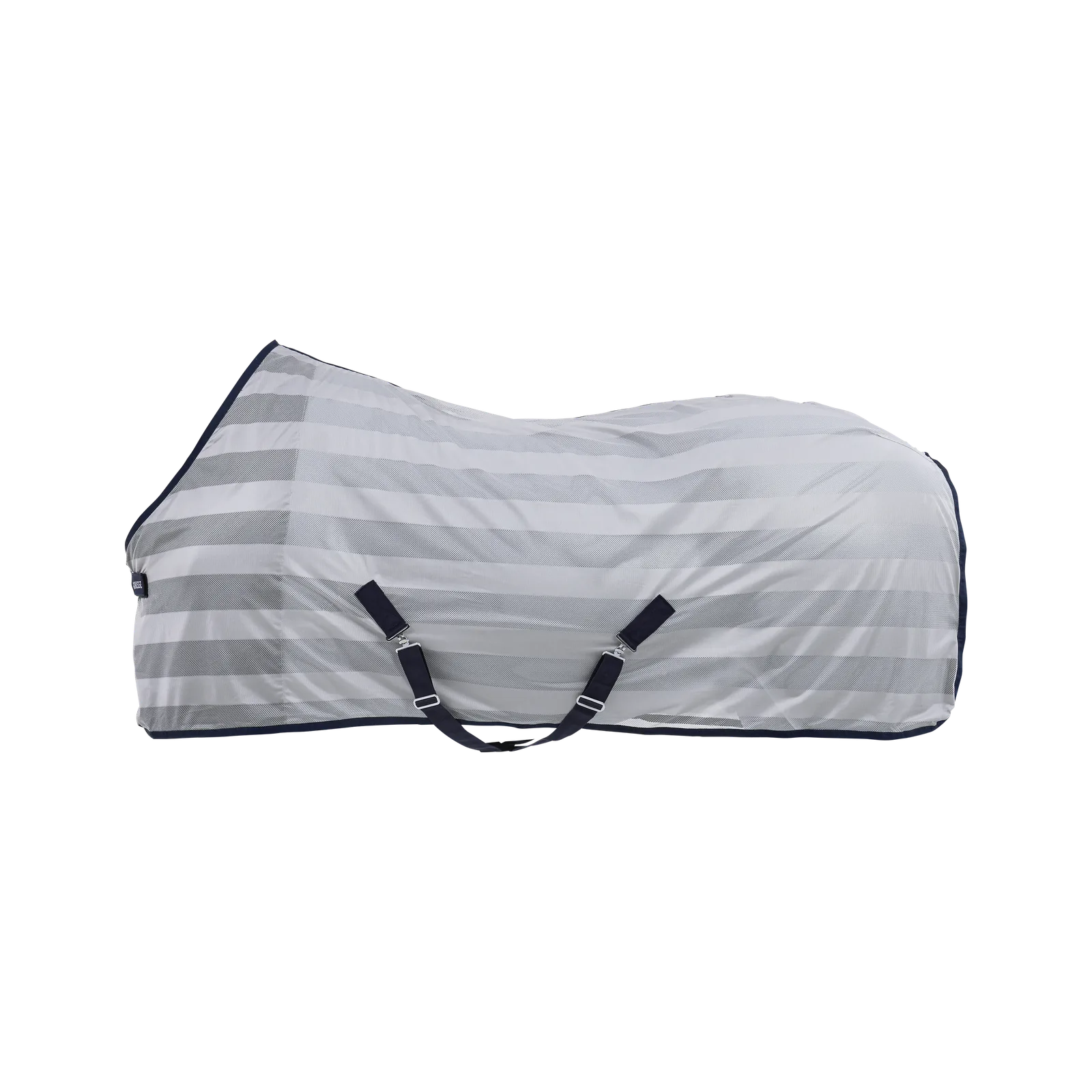
Busse
Busse Travel Fly Rug
incl. 19% VAT, plus shipping
In stock now · delivery in 3–5 days
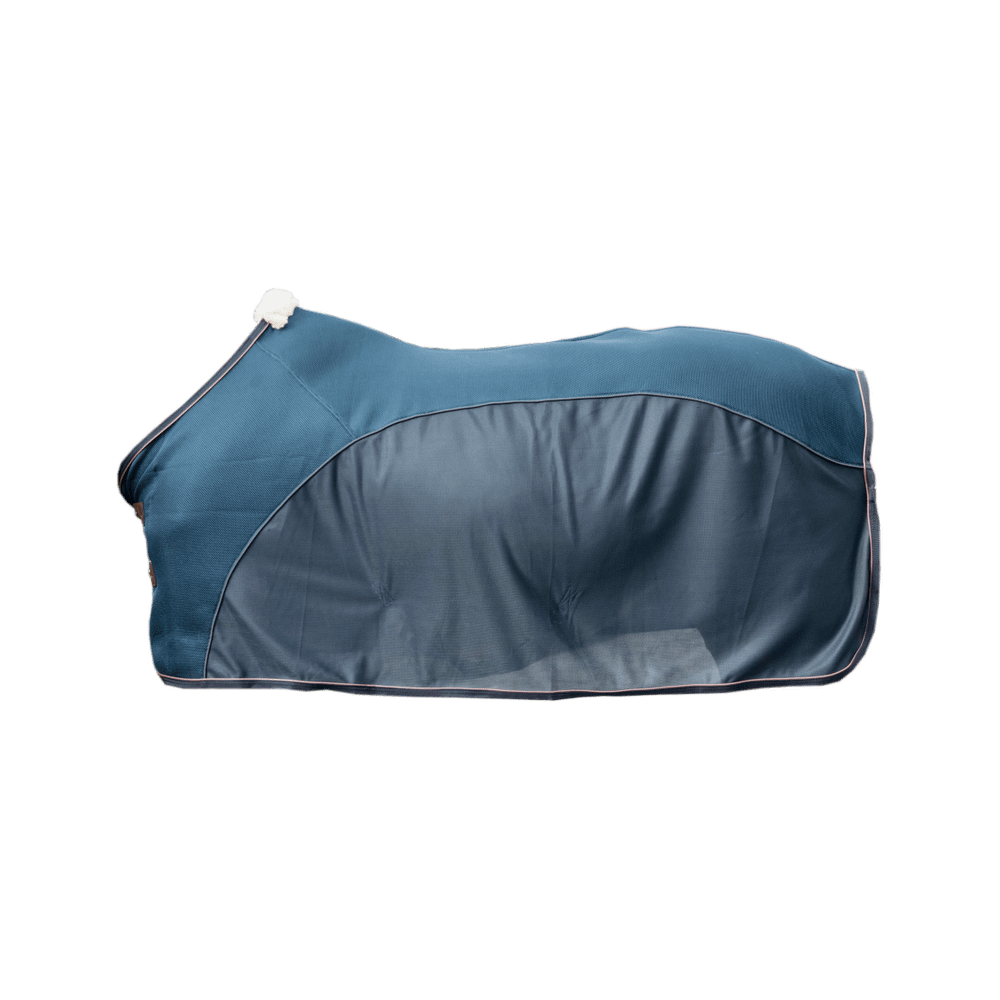
Kentucky Horsewear
Kentucky Fly Cooler Rug
incl. 19% VAT, plus shipping
In stock now · delivery in 3–5 days
Kentucky Horsewear
Kentucky Stable Rug Velvet 160 g
incl. 19% VAT, plus shipping
In stock now · delivery in 3–5 days
Busse
Busse Cooler Rug 3D Air
incl. 19% VAT, plus shipping
In stock now · delivery in 3–5 days
Busse
Busse Exercise Sheet Flexi Fly 3
incl. 19% VAT, plus shipping
In stock now · delivery in 3–5 days
Waldhausen
Waldhausen Sweet Itch Rug
incl. 19% VAT, plus shipping
In stock now · delivery in 3–5 days
LeMieux
LeMieux Kudos Turnout Rug 50g + Neck Cover
incl. 19% VAT, plus shipping
In stock now · delivery in 3–5 days
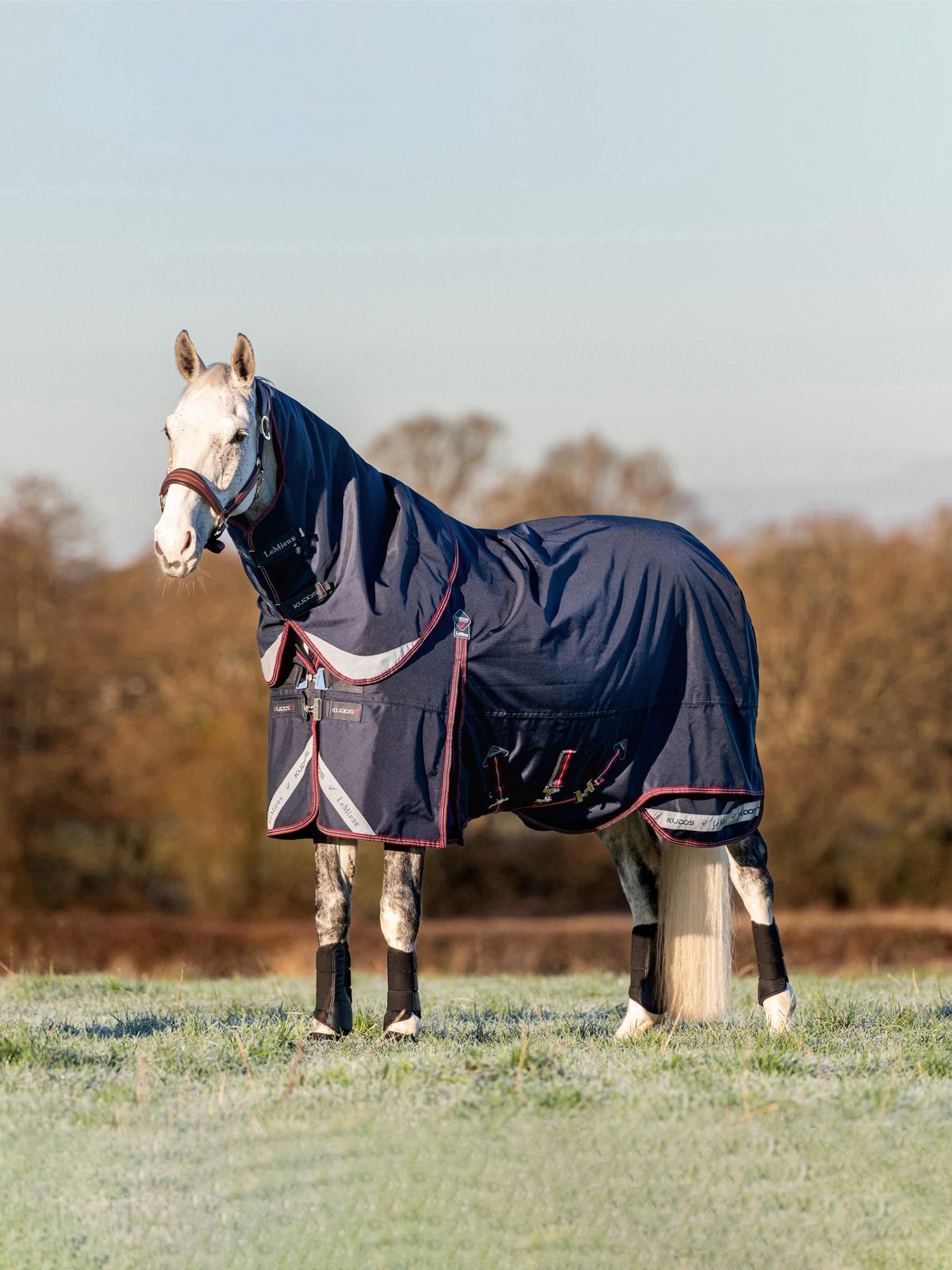
LeMieux
LeMieux Kudos Turnout Rug 100g + Neck Cover
incl. 19% VAT, plus shipping
In stock now · delivery in 3–5 days
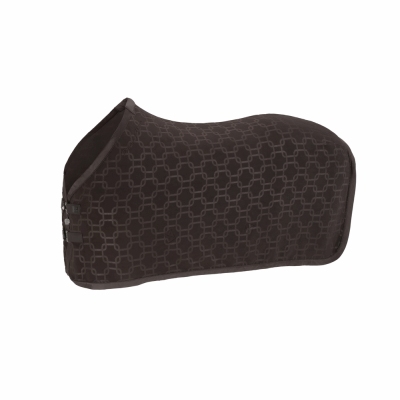
Eskadron
Eskadron Cooler Rug Fleece Stamp Chain Platinum
incl. 19% VAT, plus shipping
In stock now · delivery in 3–5 days
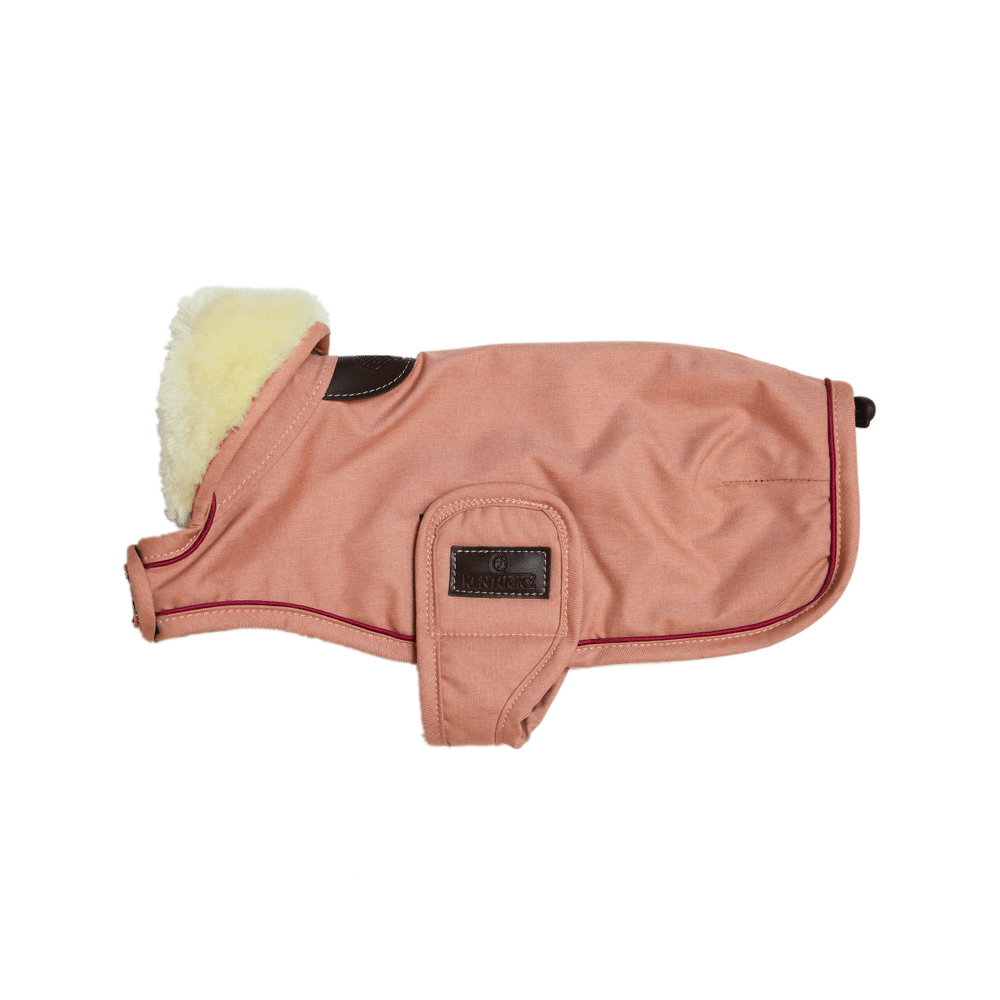
Kentucky Horsewear
Kentucky Dog Coat waterproof
incl. 19% VAT, plus shipping
In stock now · delivery in 3–5 days
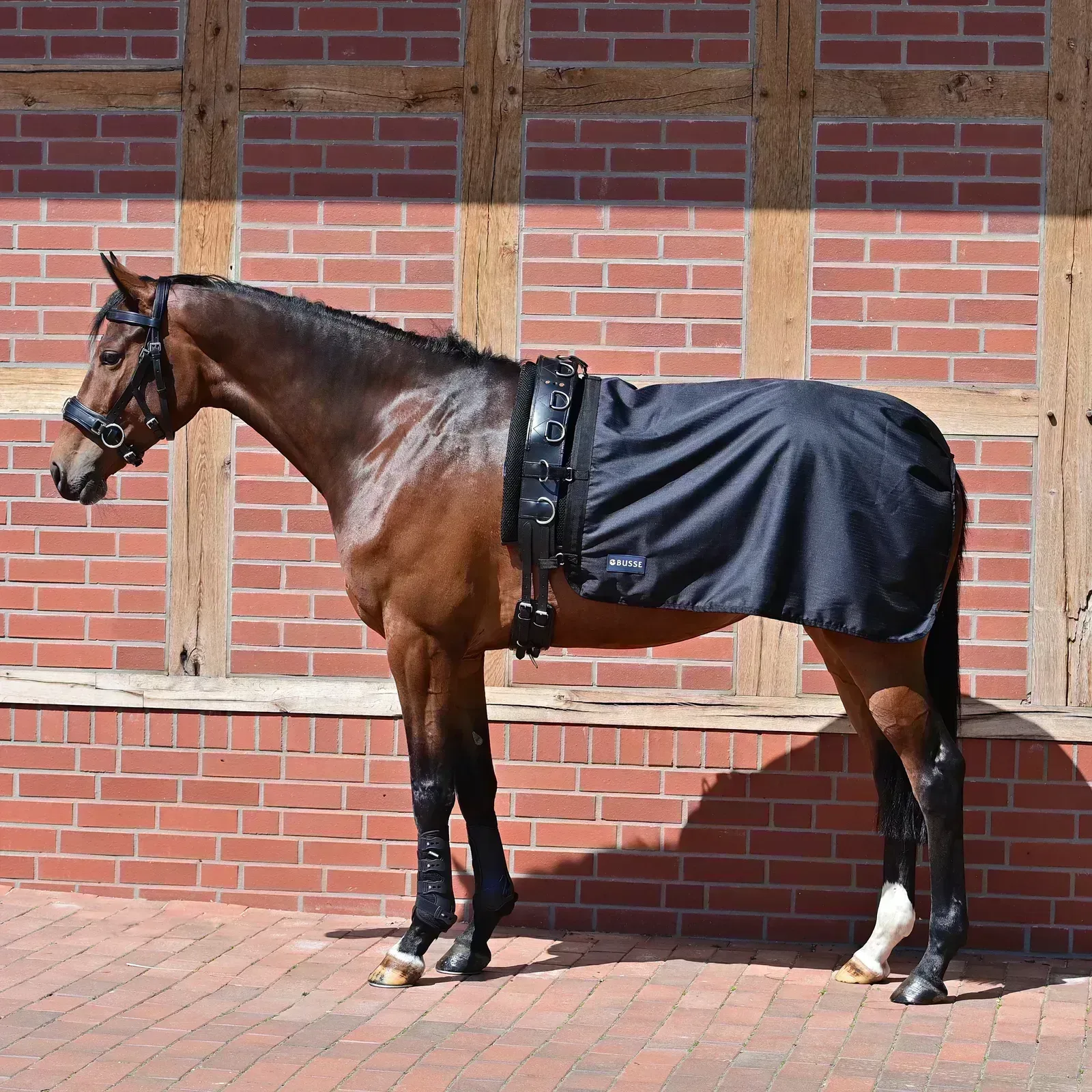
Busse
Busse Lunging Rug Rain 50
incl. 19% VAT, plus shipping
In stock now · delivery in 3–5 days
All 173 products
take a look