Questions about grooming and the stable
Here you will find answers on headcollars and lead ropes, fly protection, hoof and coat care, leather care and the stable first-aid kit. In the case of injuries or signs of illness, no care can replace the vet. For questions about feed and care we also offer personal advice in Tangstedt.
By Julia Lühr, Ahrens Reitsport in Tangstedt · Updated
What is the difference between a lead rope and a tying-up rope?
The difference is mainly in the clip. For leading you use a lead rope with a snap hook according to the FN magazine. For tying up at the grooming area or in the trailer you use a rope with a panic hook. The panic hook is intended to be opened quickly in an emergency. The FN competition packing list also lists both separately: the tying-up rope with panic hook and the lead rope for grazing.
However, do not rely on the hook alone when tying up. An expert interviewed by Cavallo points out that panic hooks often cannot be opened any more under strong tension. Always tie up with a safety knot that you can undo at the end of the rope in an emergency.
How long is a normal lead rope?
A normal lead rope is usually 2 to 2.5 metres long. Kerbl, for example, offers ropes that are 2 metres long, both with a snap hook and with a panic hook, and in the range from Kentucky Horsewear you can find lead ropes with lengths of 2 and 2.5 metres.
According to the FN magazine, when leading you should hold the rope about 40 to 50 centimetres below the snap hook, with your thumb pointing upwards. You hold the end of the rope neatly in your hand. Never wrap the rope around your hand or individual fingers, because if the horse gets a fright, there is a risk of severe injuries.
How do I tie a horse safely?
Tie your horse with a safety knot to a sturdy ring that is ideally positioned above the height of the withers. According to Cavallo the following applies: the higher the horse is tied, the safer it is. The lead rope must be neither too short nor too long. If it is too long, the horse can step into it or get it over its neck.
In an emergency it must be possible to undo the knot with a single pull, and it must not tighten. Never put your fingers through the loop when tying the knot. Clear the tying area so that the horse cannot injure itself anywhere. If it panics, it is better to release it via the rope than via the clip.
What headcollar sizes are there and which one fits my horse?
Common headcollar sizes are Shetland, Pony, Cob (also Thoroughbred), Full (Warmblood) and X-Full (Draught). Kerbl also offers XX-Full. Which size fits depends on the shape of the head, not just on the breed. Measure the nose circumference directly on the horse, about two to three fingers below the cheekbone.
As a guide, the manufacturer HeyMa assigns Icelandic horses, Arabians and Quarter Horses to Cob size, and Haflingers and Fjord horses to Warmblood. According to Nelaya, the nose circumference for Cob is roughly between 52 and 60 cm, and for Warmbloods between 56 and 68 cm.
Sources (3)
From what age should you accustom a foal to a headcollar?
Foals can be introduced to a headcollar and lead rope within the first few days of life, as described by veterinary surgeon Dr Annette Wyrwoll in Cavallo. Many foals have to be halter-broken after just a few weeks, meaning that they quietly follow on the lead rope, because they travel with their dam to foal shows.
What matters is patience, not force: never hold a foal by the headcollar, because the neck muscles are still soft and can suffer permanent damage. Any pulling on the lead rope is a no-go, the foal should follow the loose rope. At first, only leave the headcollar on for short periods and under supervision.
Sources (2)
Why should you not lunge a horse with a stable headcollar?
Lunging with a stable headcollar is risky, because the headcollar can easily slip and, depending on how the lunge line is attached, it can be pulled into the horse’s eye. The magazine pferde.de points this out. In addition, you cannot give precise aids through a loosely fitting headcollar.
A lunging cavesson is designed for lunging. According to Cavallo, the impulses act precisely on the nose and poll via the centrally positioned ring. However, the lunging cavesson must also fit well: models without a stable nosepiece can slip sideways and also come into contact with the outer eye.
Sources (2)
When does a horse need a fly mask?
A fly mask is useful when there are a lot of insects about during the turnout season. Flies are attracted by tear fluid and can transmit germs that lead to conjunctivitis. This is how Cavallo and pferde.de describe it. Masks with ear covers also keep insects away from the ears.
A detachable nose cover protects light-skinned horses from the sun according to Cavallo. Some masks have tested UV protection. If an eye is watering, swollen or the horse keeps it half closed, it needs to be seen by a vet. A fly mask is no substitute for treatment.
Sources (3)
How can I tell if a fly mask fits well?
A good fly mask leaves about two to three centimetres of space between the eyelashes and the mesh, fits snugly around the nose and jowls, and gives the ears enough room. Cavallo and pferde.de mention these three points. If the mask is too loose, flies crawl underneath or it slips down when the horse shakes its head.
Soft, stretchy mesh is comfortable but delicate. Firmer material with larger holes lasts longer. A mask that has slipped can press into the eye and trigger panic, and pferde.de reports a serious accident. You should therefore check the fit regularly. For horses with sensitive ears there are masks without ear pieces.
Sources (3)
What fly protection can you use when riding?
When riding, the main options are fly veils (ear covers) and nose nets that are attached to the bridle. At competitions under the German competition rules (LPO) ear covers are permitted in all classes, including noise-reducing versions. The eyes and nasal bridge must remain free, and the ear covers must not be connected to the noseband.
A nose net is attached to the noseband or to the cheekpieces and must not impair breathing. A net-style fly mask is allowed in the warm-up arena according to the FN equipment rules, but not when jumping obstacles.
Sources (2)
Which is better, hoof oil or hoof grease?
Neither is fundamentally better, because both mainly regulate the water balance of the hoof. According to FN magazine, hoof oil applied to the dried hoof wall has a water-repellent effect. If the horn is too dry, hoof grease or hoof oil should only be applied after washing, because fat repels water.
You can tell whether your horse needs care by looking at the coronet band: the horn should be tough and elastic. If the coronet is whitish and soft, the hoof is too moist. If it is hard and cracked, it is too dry. In the case of brittle hooves, cracks or lameness, ask your farrier and vet to find the cause.
What belongs in a yard first-aid kit for horses?
A yard first-aid kit should mainly contain bandaging material, a thermometer, products for cleaning wounds, bandage scissors, disposable gloves and the phone numbers of your vet and the emergency vet service. This is what is listed, for example, in a checklist by Colorado State University. It is best to agree the exact contents with your vet.
In Germany you are allowed to keep a stock of non-prescription products that are licensed for use in horses. Vets are not allowed to dispense prescription-only medicines for stockpiling. According to the Animal Hospital of the University of Zurich, the normal body temperature of a horse is 37.0–38.0 °C.
What do you need to groom a horse, and in what order do you groom it?
For grooming you need a curry comb, a body brush, a dandy brush, a mane brush and a hoof pick. The German Equestrian Federation (FN) also shows this basic grooming kit in its film series for beginner riders. Soft sponges for eyes and nostrils and a sweat scraper after washing complete the grooming kit.
First you use the curry comb in circular movements to lift the coat and loosen the dirt. Then you clean and smooth it with the body brush, working from the head towards the hindquarters. You pick out the hooves before and after riding, along the frog grooves from the heel to the edge of the hoof.
How often should you clean your grooming kit and grooming box?
You should clean your grooming kit regularly and disinfect it occasionally. There is no fixed schedule for this. It is more important that each horse has its own grooming kit. According to the ehorses magazine, this keeps down the risk of diseases being transmitted to other horses via brushes and sponges.
It is best to clean the grooming box at the same time as you clean the brushes. If a horse has a skin problem such as suspected ringworm, have the vet find the cause. Ask them as well how you should then clean grooming kit, rugs and saddle pads.
Sources (1)
What does leather care do for a saddle and bridle?
Regular leather care keeps your saddle and bridle supple and grippy so that the leather lasts a long time. Saddle manufacturer Stübben recommends two steps for this: after riding, clean with a damp cloth or sponge and saddle soap, and treat with a care product about once a week, not after every ride.
The order is important: clean first, then condition. The care product is applied thinly with a damp cloth and, once it has soaked in, polished with a wool cloth. How often your leather tack needs care depends on use, weather and the type of leather.
More in our guide: Leather care for saddle and bridle: the right routine
Sources (1)
What is a grazing muzzle and when is it useful?
A grazing muzzle is a muzzle worn in the field that greatly limits how much grass the horse can eat. It is mainly used for overweight horses and ponies that should still be turned out in the field with the herd. In a study with four ponies led by Dr Annette Longland, grazing muzzles reduced grass intake by an average of 83 percent.
The researchers advise fitting the grazing muzzle carefully and getting the horse used to it gradually. Models that prevent eating completely are not recommended. In a study by the University of Maryland, miniature horses wearing grazing muzzles lost weight without any measurable signs of physical stress. If your horse is overweight, it is best to discuss the feeding plan with your vet.
Sources (2)
Can’t find your question?
Ask us: in our shop in Tangstedt, by phone on +49 4109 252173 or via the contact form. Personal advice is also available under Services.
From our range
Matching products
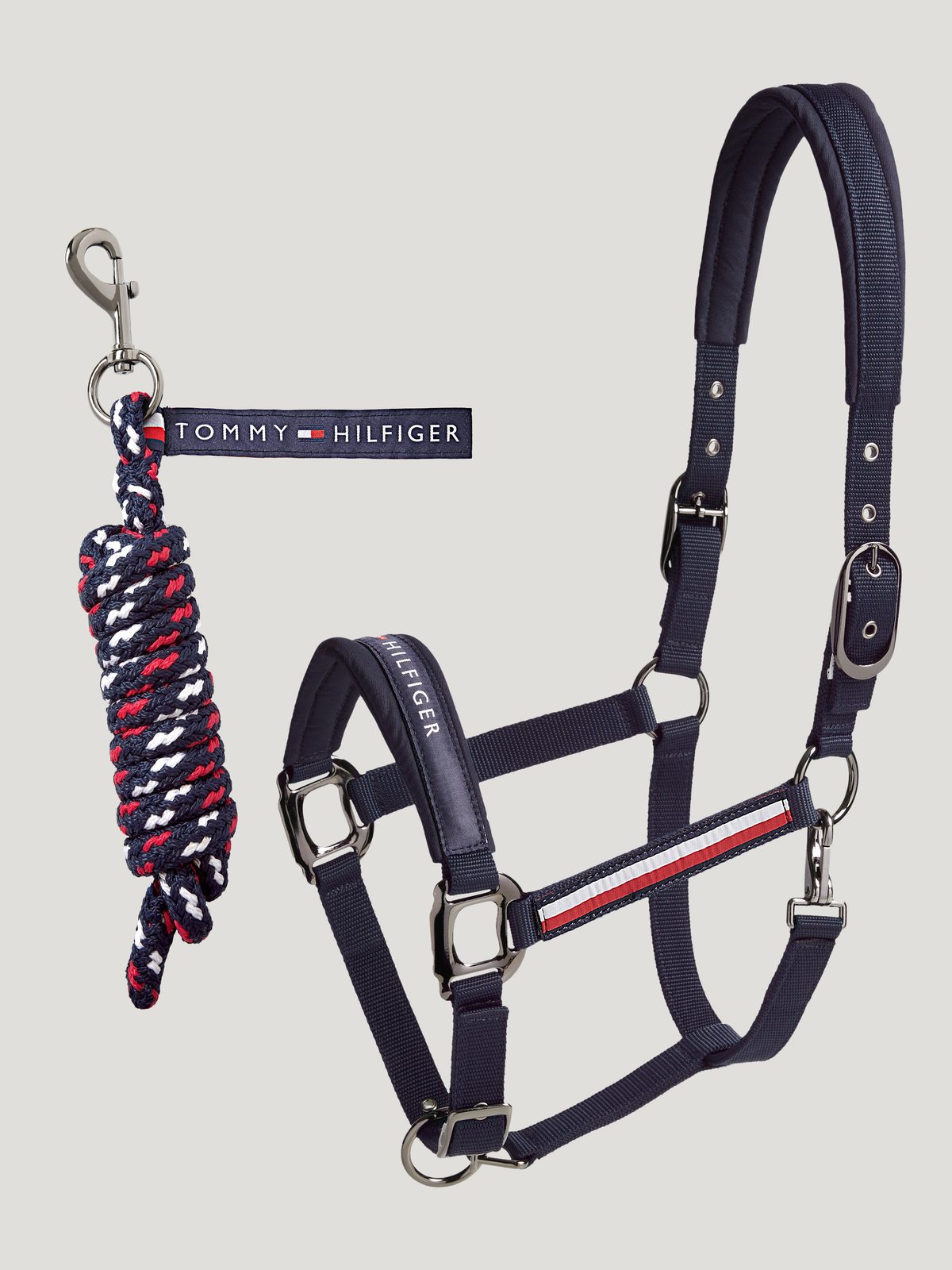
Tommy Hilfiger Equestrian
Tommy Hilfiger Yale Set Headcollar Rope AW25
incl. 19% VAT, plus shipping
In stock now · delivery in 3–5 days
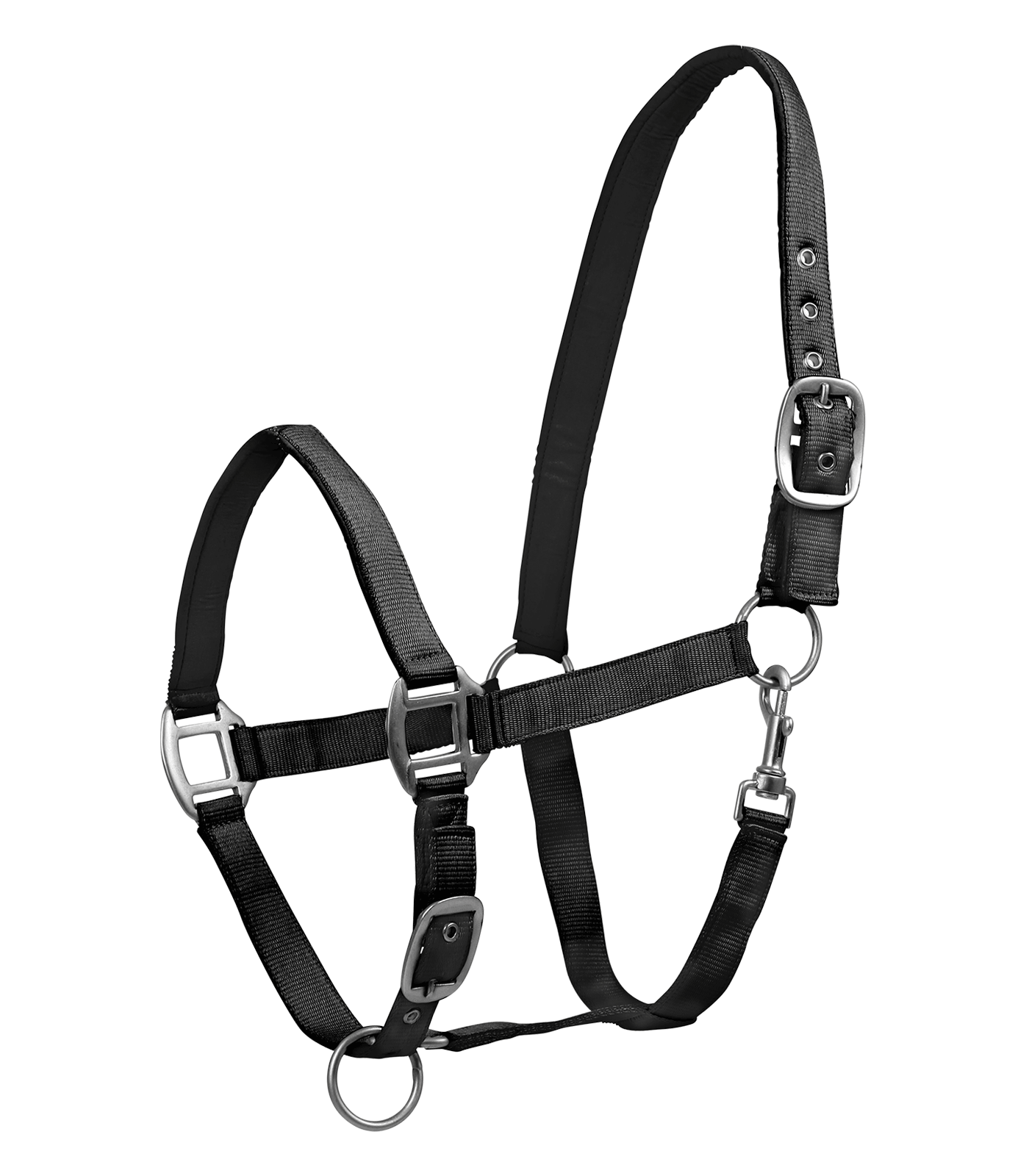
Waldhausen
Waldhausen Perlon Headcollar Satin
incl. 19% VAT, plus shipping
In stock now · delivery in 3–5 days
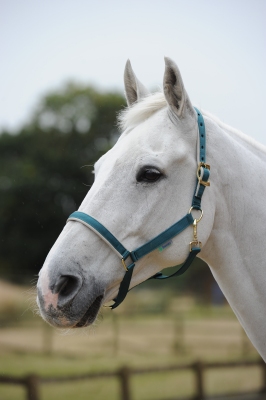
Bucas
Bucas Headcollar Dublin assorted colours
incl. 19% VAT, plus shipping
In stock now · delivery in 3–5 days
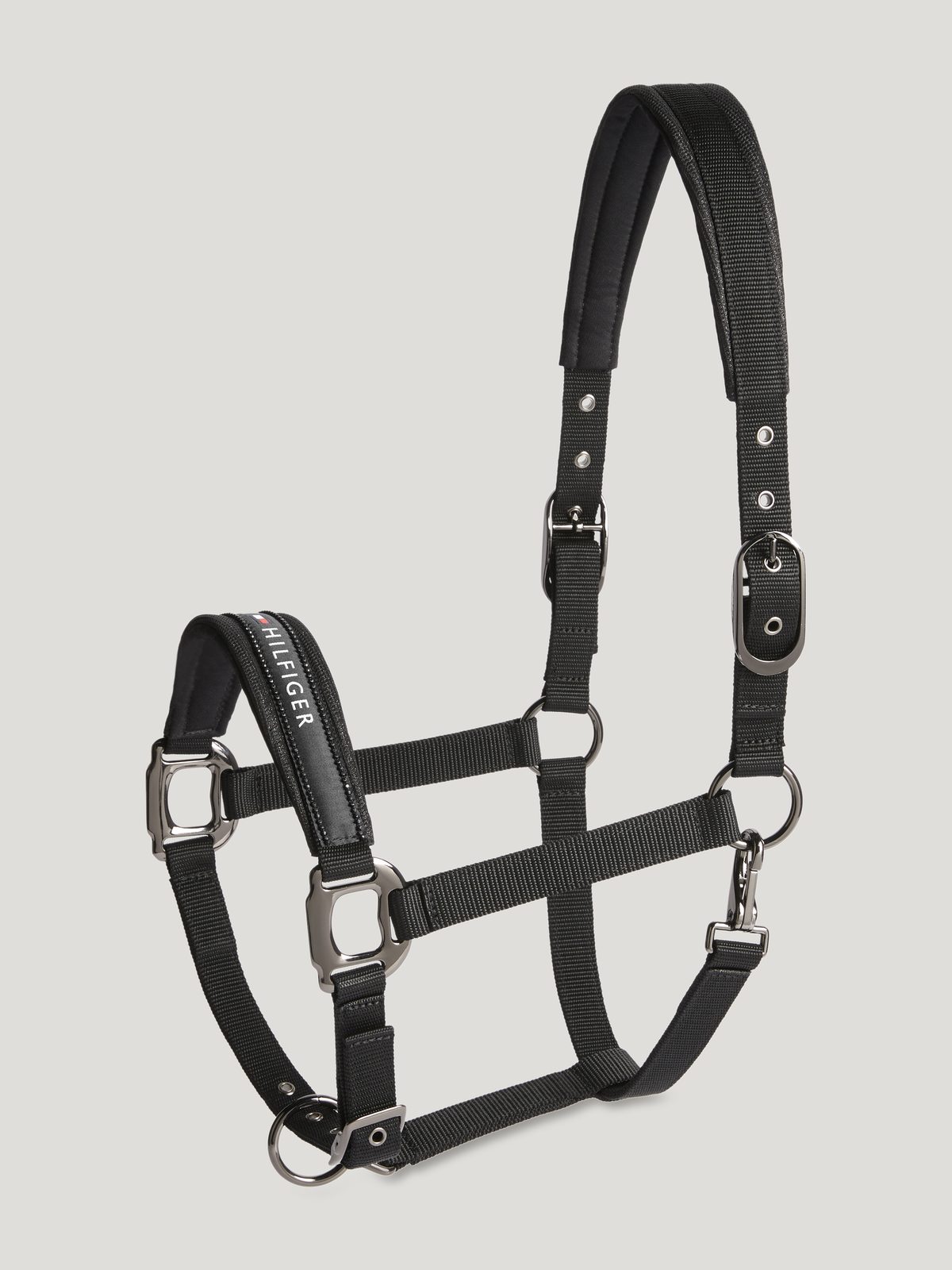
Tommy Hilfiger Equestrian
Yale Shine Set Halter Rope BLACK
incl. 19% VAT, plus shipping
In stock now · delivery in 3–5 days
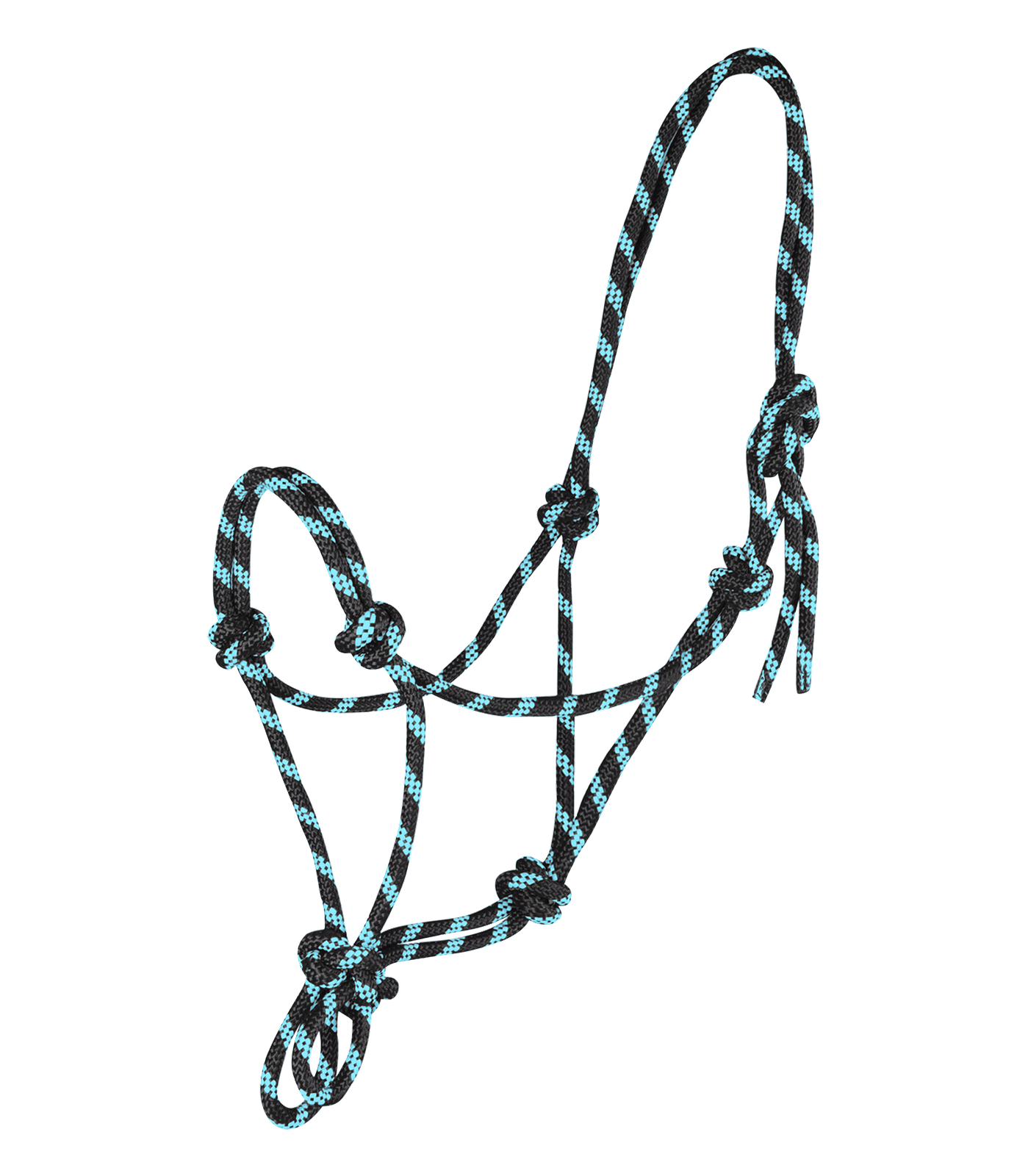
Waldhausen
Waldhausen Rope Halter
incl. 19% VAT, plus shipping
In stock now · delivery in 3–5 days
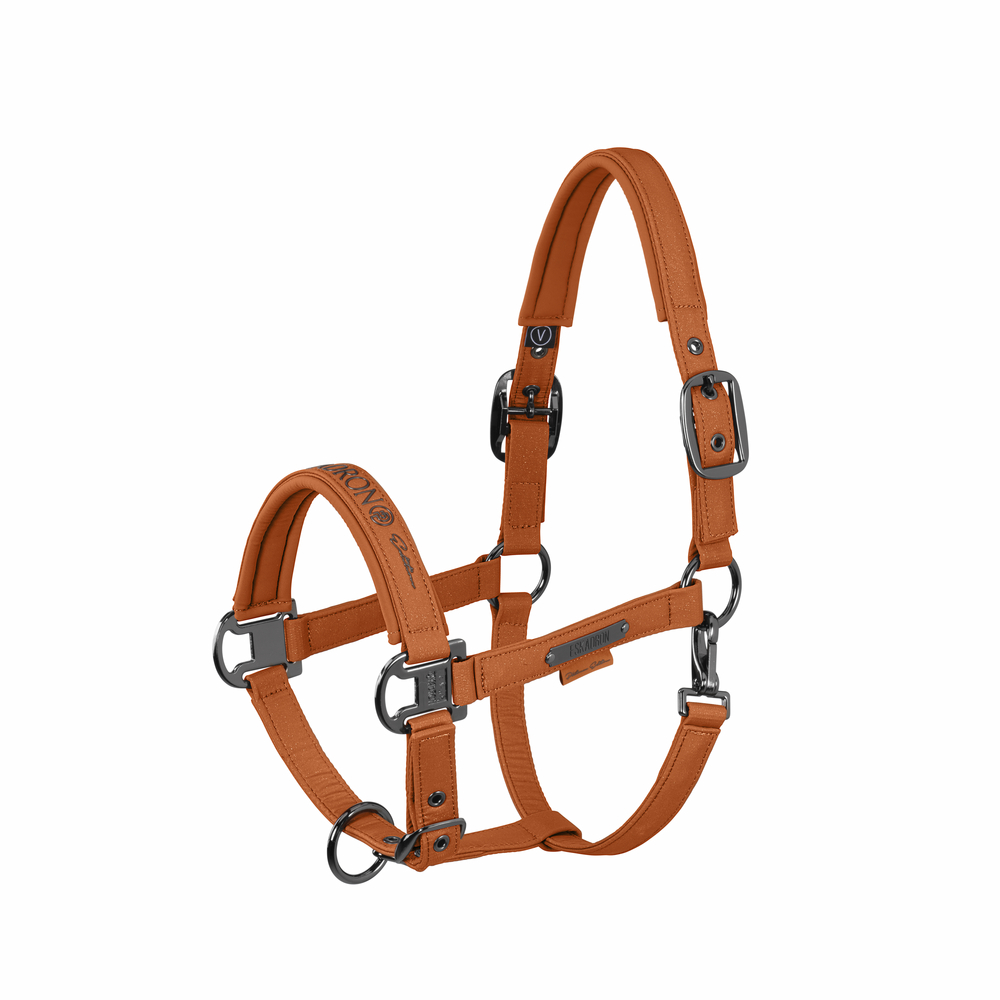
Eskadron
Eskadron Sparkle Double Pin Headcollar Platinum S26
incl. 19% VAT, plus shipping
In stock now · delivery in 3–5 days
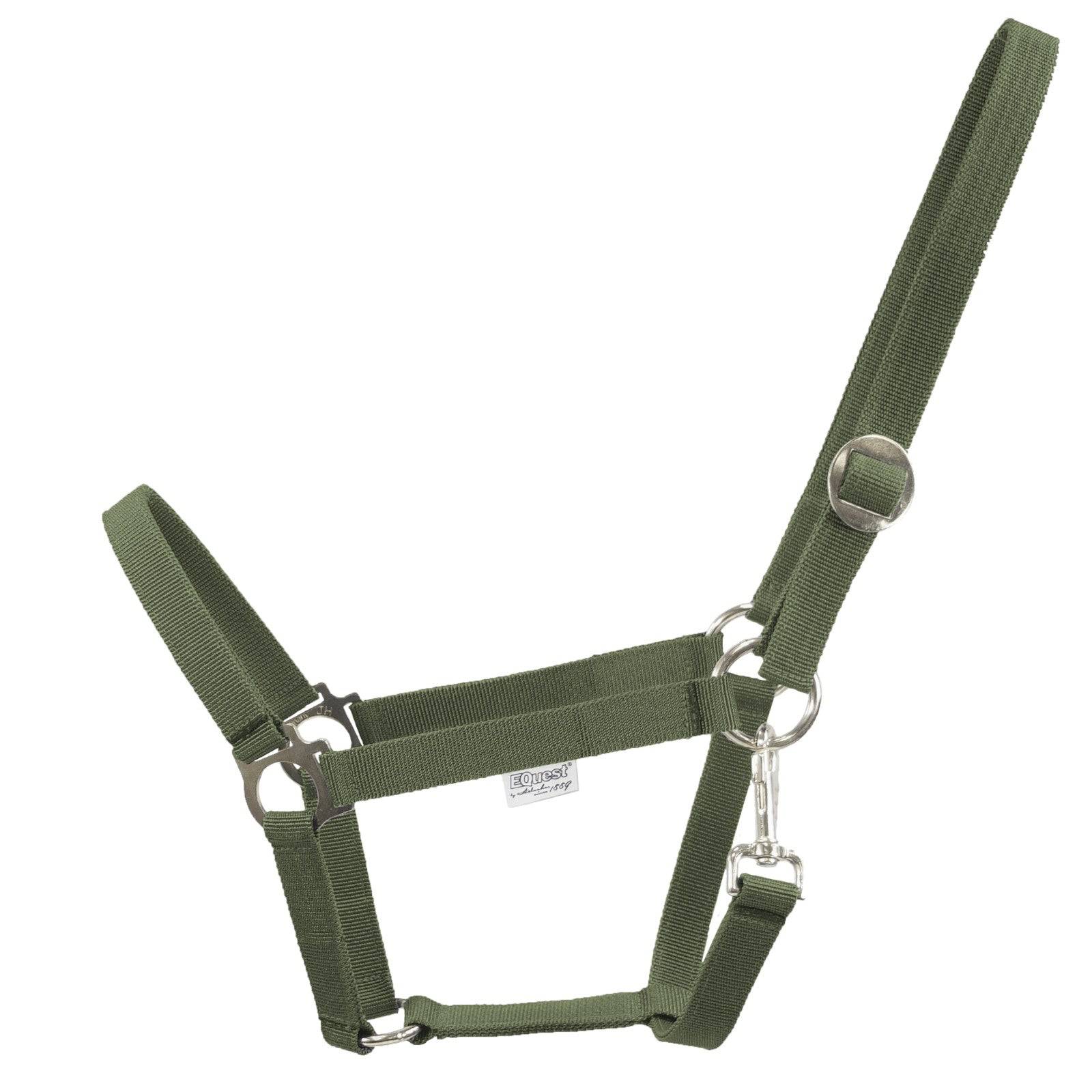
Equest
Equest Headcollar Regular
incl. 19% VAT, plus shipping
In stock now · delivery in 3–5 days
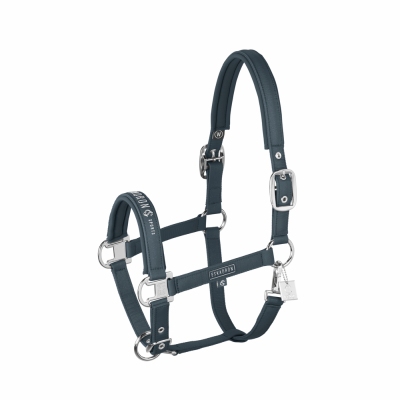
Eskadron
Eskadron Headcollar Sparkle DP CS26
incl. 19% VAT, plus shipping
In stock now · delivery in 3–5 days
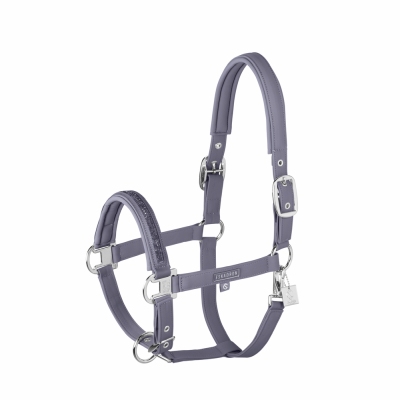
Eskadron
Eskadron Headcollar Softshell Jewel DP CS26
incl. 19% VAT, plus shipping
In stock now · delivery in 3–5 days
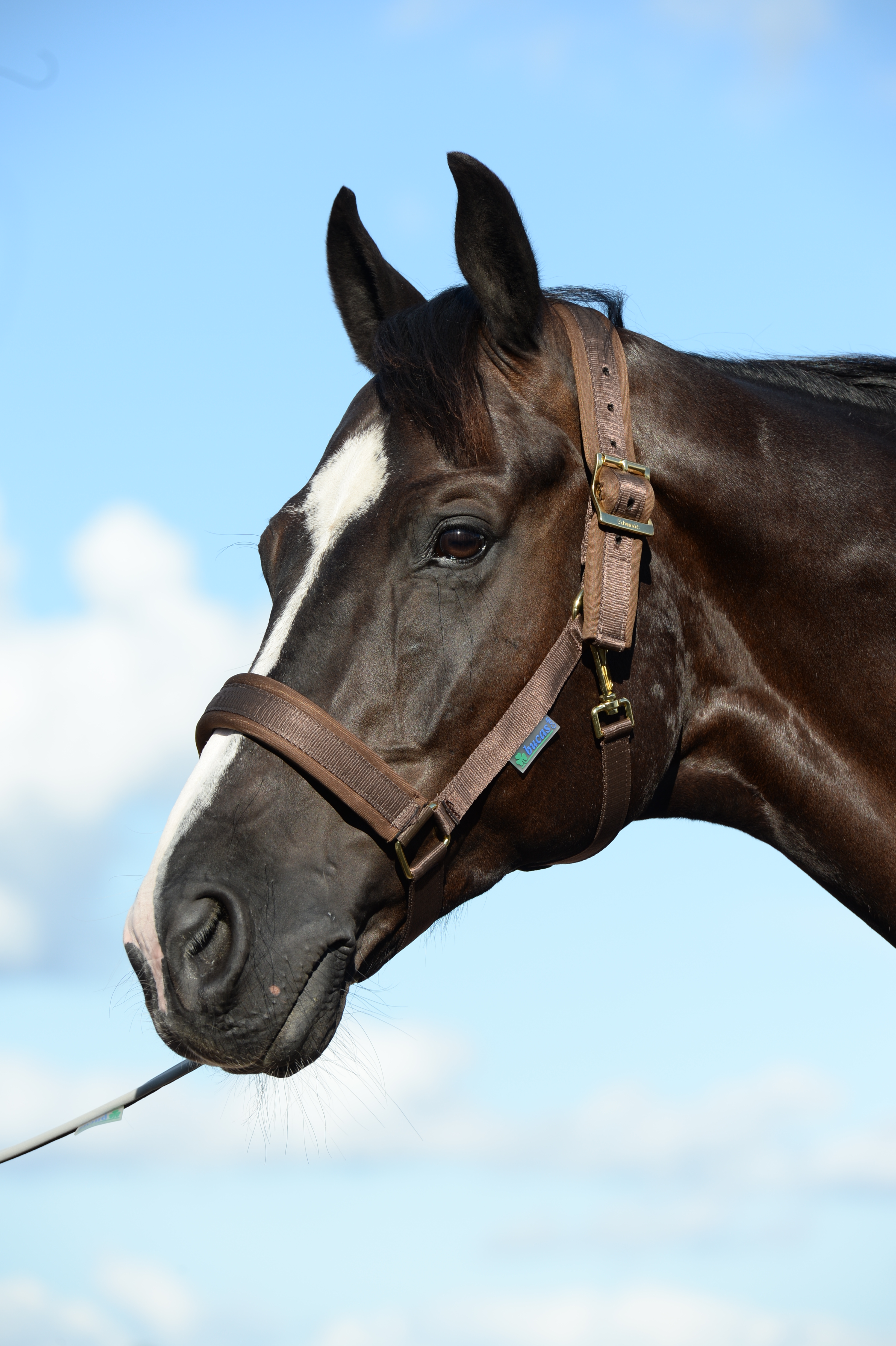
Bucas
Bucas Comfort Headcollar
incl. 19% VAT, plus shipping
In stock now · delivery in 3–5 days
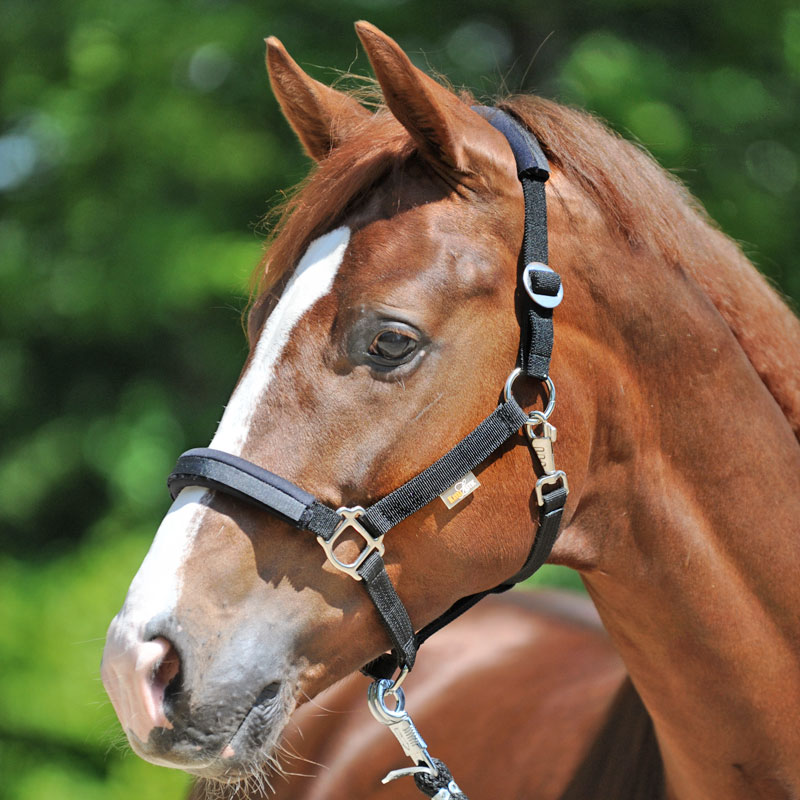
Kavalkade
Kavalkade Safety Headcollar Kaval-Lastic
incl. 19% VAT, plus shipping
In stock now · delivery in 3–5 days
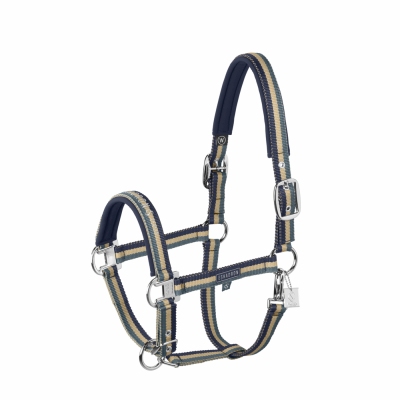
Eskadron
Eskadron Headcollar Double Pin CS26
incl. 19% VAT, plus shipping
In stock now · delivery in 3–5 days
All 45 products
take a look
More topics
- Questions about horse rugs
- Questions about bits and bridles
- Questions about riding helmets
- Questions about body protectors
- Questions about riding boots and half chaps
- Questions about riding clothing
- Questions about brushing boots, bandages and overreach boots
- Questions about saddle accessories
- Questions about horse feeding