
What belongs in a yard first-aid kit for horses?
A yard first-aid kit should mainly contain bandaging material, a thermometer, products for cleaning wounds, bandage scissors, disposable gloves and the phone numbers of your vet and the emergency vet service. This is what is listed, for example, in a checklist by Colorado State University. It is best to agree the exact contents with your vet.
In Germany you are allowed to keep a stock of non-prescription products that are licensed for use in horses. Vets are not allowed to dispense prescription-only medicines for stockpiling. According to the Animal Hospital of the University of Zurich, the normal body temperature of a horse is 37.0–38.0 °C.
By Julia Lühr, Ahrens Reitsport in Tangstedt · Updated
A yard first-aid kit is the basic medical equipment you use to give your horse initial emergency care until the vet arrives. It is usually a box or cupboard that closes securely. It is best to put the contents together with your vet. The following overview is based on a checklist from Colorado State University and a paper from the University of Veterinary Medicine Vienna.
Which bandaging materials belong in the yard first-aid kit?
Bandaging material is the most important part, because wounds often need to be covered immediately.
- sterile dressings and non-adherent wound pads
- gauze bandages and padding cotton wool
- self-adhesive elastic bandages
- bandages or pads for a leg bandage
- strong adhesive tape
Which equipment should I have ready to hand?
- a thermometer
- a stethoscope, if you know how to use it
- a tape measure to estimate weight
- bandage scissors and disposable gloves
- a torch with batteries
- large syringes for flushing wounds
Which products for wound care are useful?
The checklist from Colorado State University mentions among other things an antiseptic wash solution, saline solution for flushing and a shallow bucket or a hoof boot. Only use medicines after consulting your vet.
Which medicines am I allowed to keep in stock in Germany?
You are allowed to keep non-prescription medicines that are licensed for use in horses. These include various disinfectants. Follow the package leaflet and leave any use for other purposes to your vet. Prescription-only medicines may not be supplied for stockpiling. The vet only supplies the amount that is probably needed for a specific treatment.
How do I take my horse’s temperature?
A horse’s temperature is taken rectally. According to the Animal Hospital of the University of Zurich, the normal body temperature is 37.0–38.0 °C. Above 38.4 °C it is referred to as a fever, from 39.0 °C as a high fever. A fever should always be checked by a vet.
| Category | Temperature |
|---|---|
| normal | 37.0–38.0 °C |
| fever | over 38.4 °C |
| high fever | from 39.0 °C |
What else belongs in the kit apart from materials?
Put the phone numbers of your regular vet and the veterinary emergency service somewhere clearly visible in the yard first-aid kit. Check expiry dates regularly and replace anything you have used. In cases of severe bleeding or serious injuries call the vet immediately, because every minute counts.
Sources
All questions: Questions about grooming and the stable
From our range
Matching products
Tommy Hilfiger Equestrian
Tommy Hilfiger Yale Set Headcollar Rope AW25
incl. 19% VAT, plus shipping
In stock now · delivery in 3–5 days
Waldhausen
Waldhausen Perlon Headcollar Satin
incl. 19% VAT, plus shipping
In stock now · delivery in 3–5 days
Bucas
Bucas Headcollar Dublin assorted colours
incl. 19% VAT, plus shipping
In stock now · delivery in 3–5 days
Tommy Hilfiger Equestrian
Yale Shine Set Halter Rope BLACK
incl. 19% VAT, plus shipping
In stock now · delivery in 3–5 days
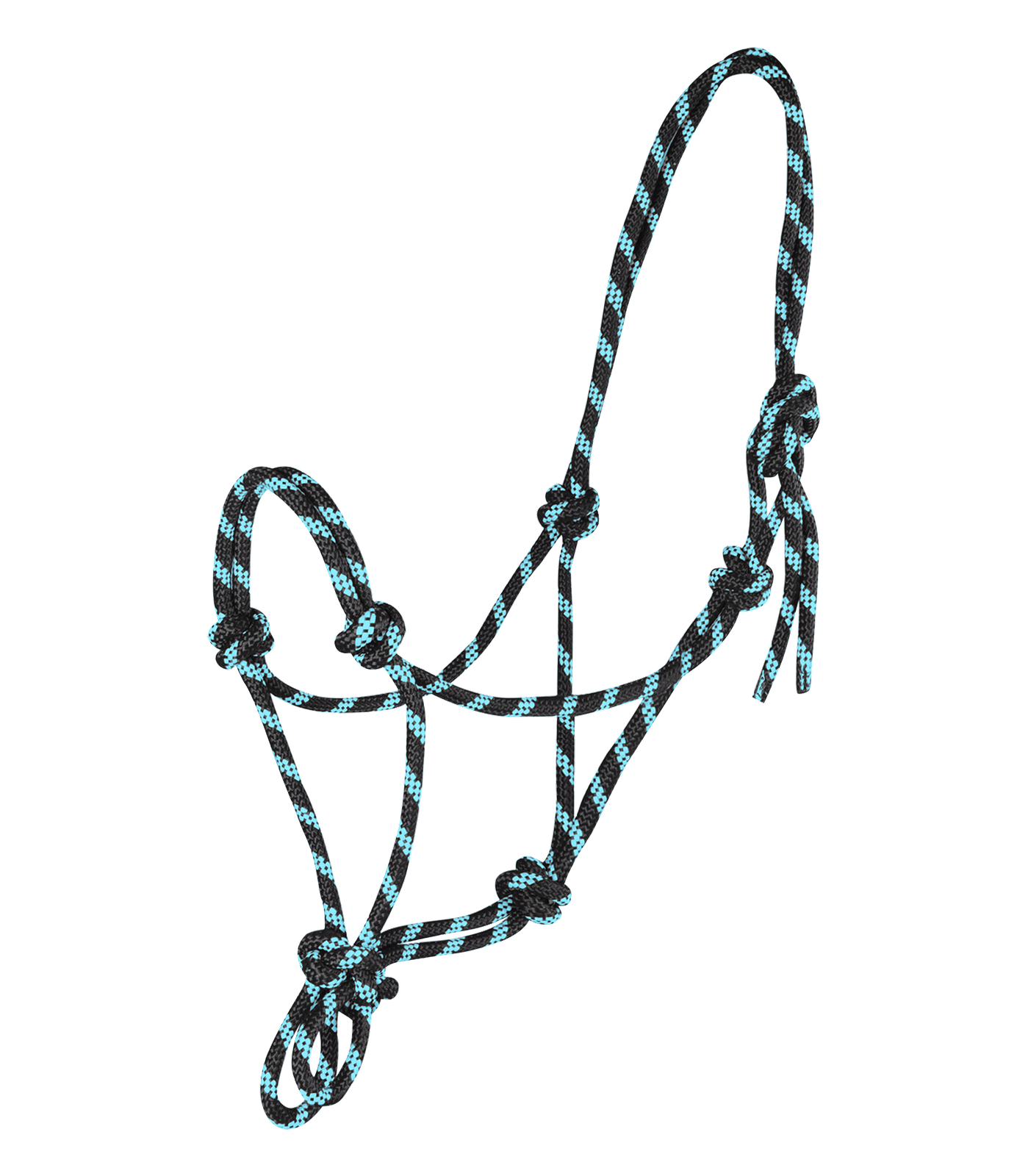
Waldhausen
Waldhausen Rope Halter
incl. 19% VAT, plus shipping
In stock now · delivery in 3–5 days
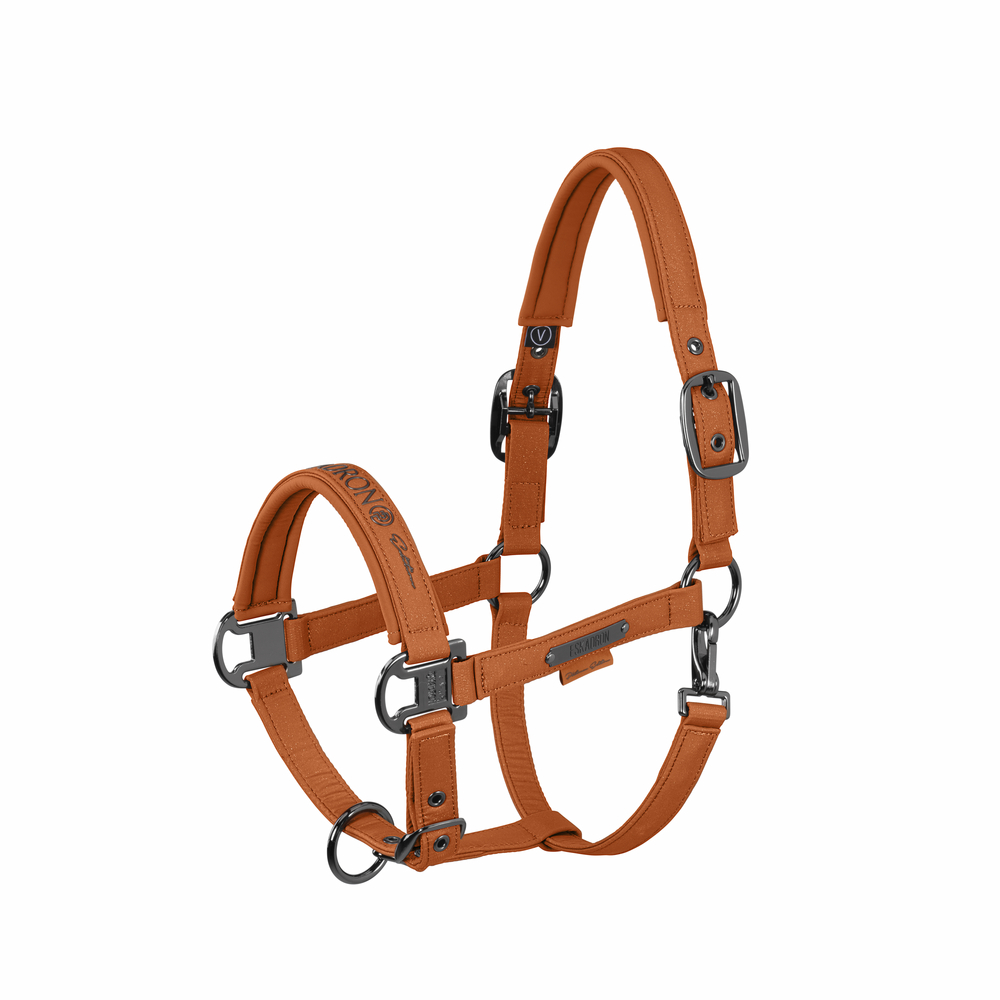
Eskadron
Eskadron Sparkle Double Pin Headcollar Platinum S26
incl. 19% VAT, plus shipping
In stock now · delivery in 3–5 days
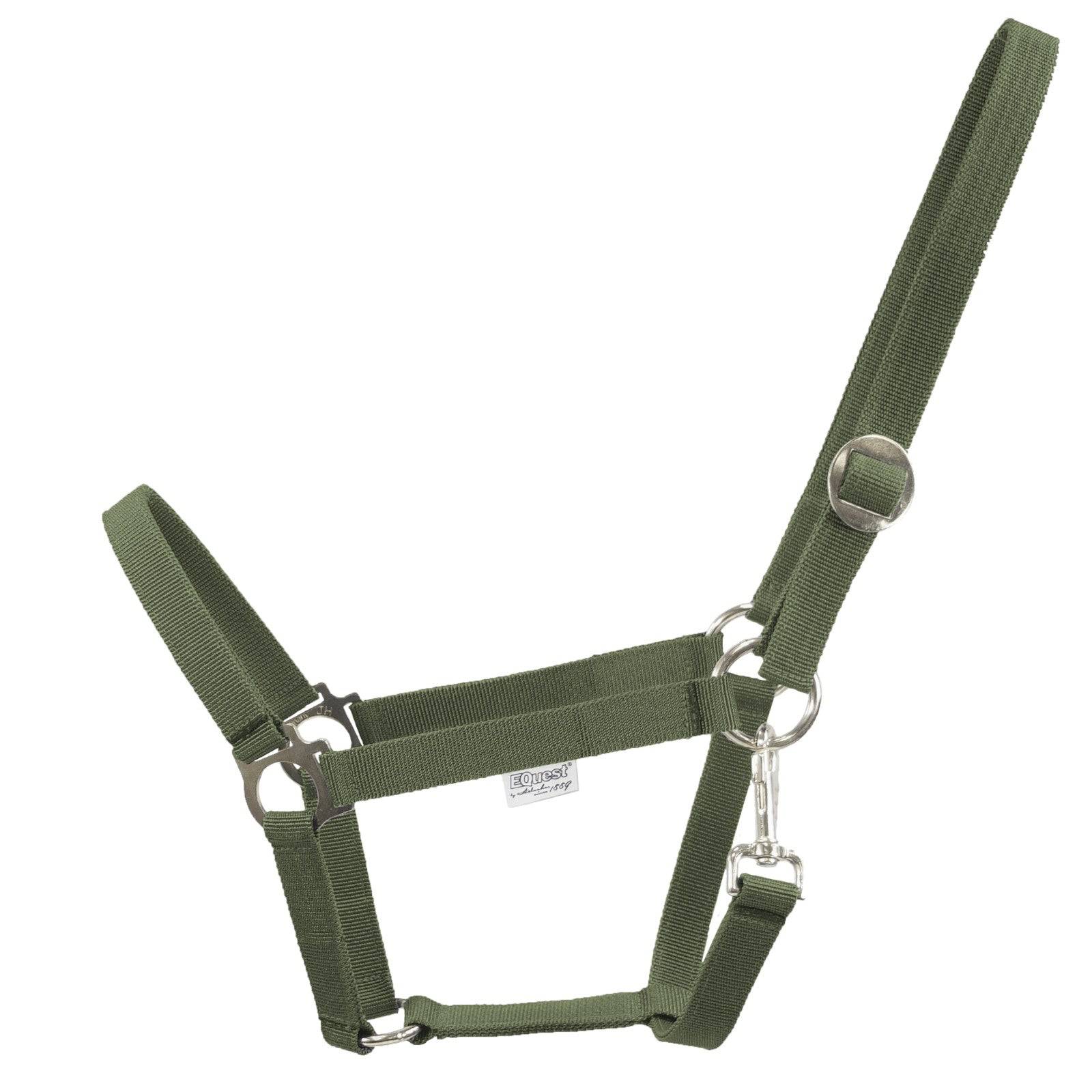
Equest
Equest Headcollar Regular
incl. 19% VAT, plus shipping
In stock now · delivery in 3–5 days
Eskadron
Eskadron Headcollar Sparkle DP CS26
incl. 19% VAT, plus shipping
In stock now · delivery in 3–5 days
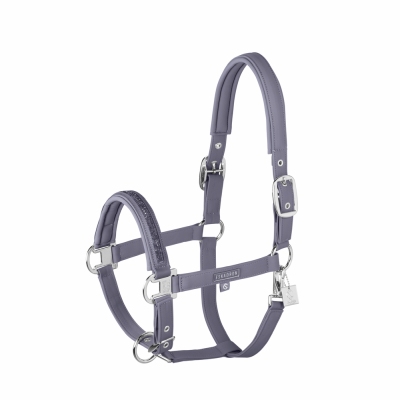
Eskadron
Eskadron Headcollar Softshell Jewel DP CS26
incl. 19% VAT, plus shipping
In stock now · delivery in 3–5 days
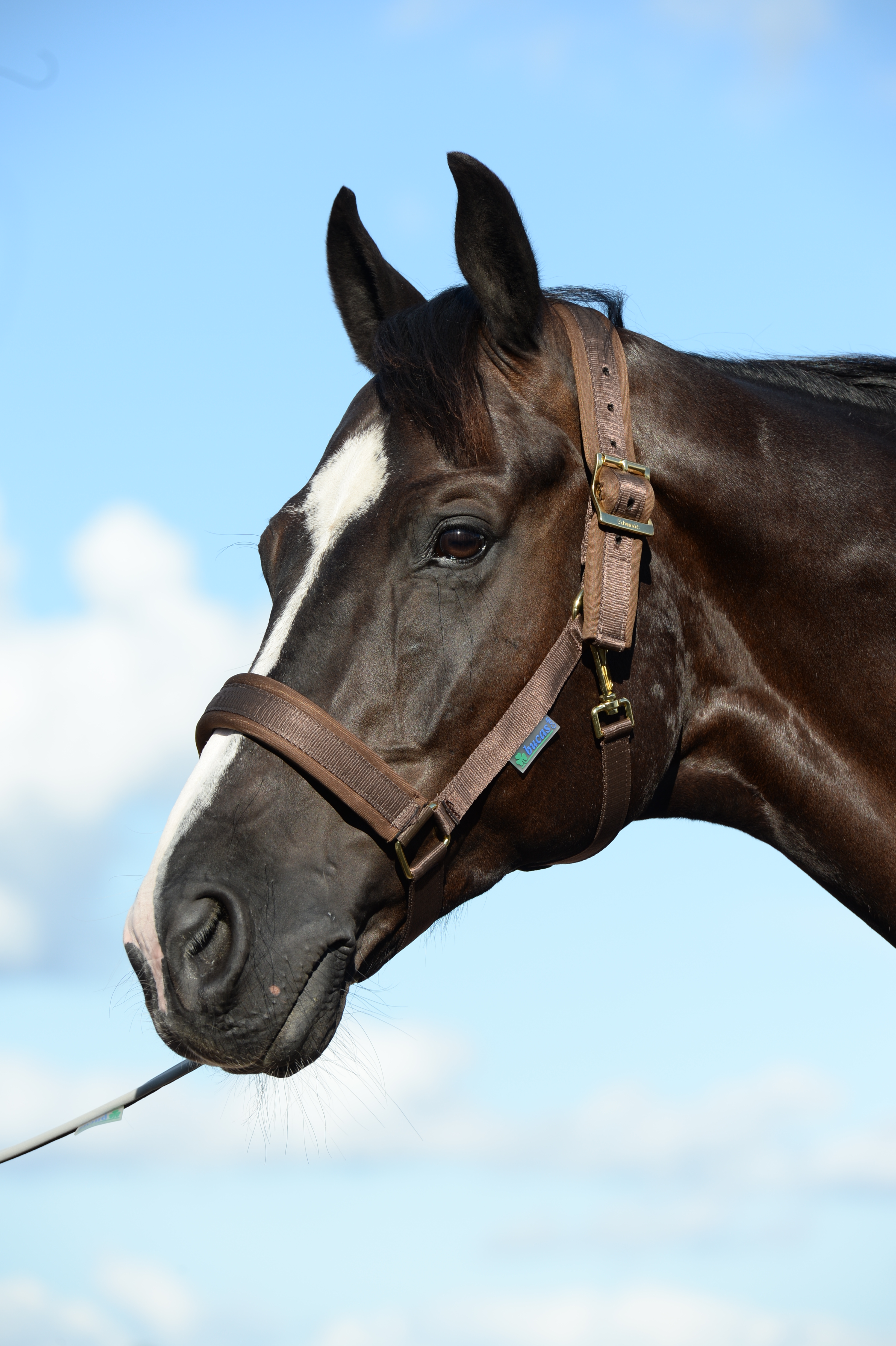
Bucas
Bucas Comfort Headcollar
incl. 19% VAT, plus shipping
In stock now · delivery in 3–5 days
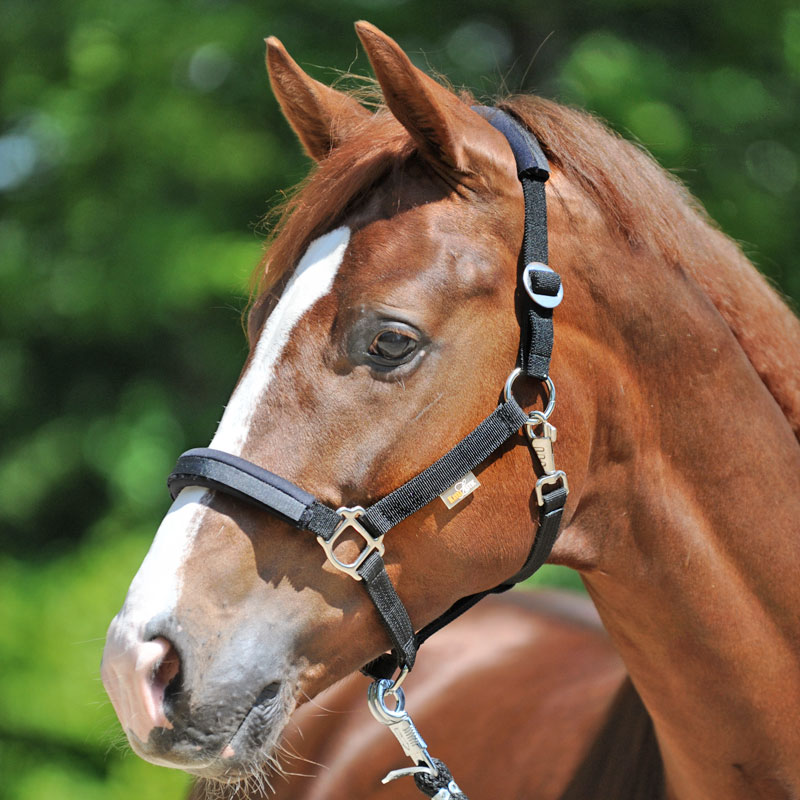
Kavalkade
Kavalkade Safety Headcollar Kaval-Lastic
incl. 19% VAT, plus shipping
In stock now · delivery in 3–5 days
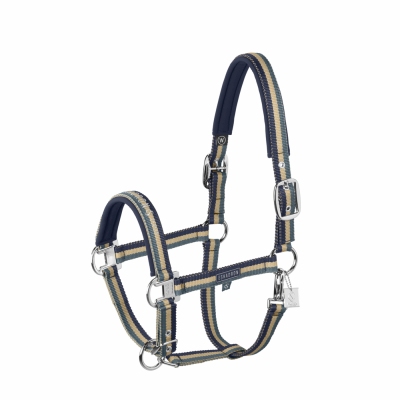
Eskadron
Eskadron Headcollar Double Pin CS26
incl. 19% VAT, plus shipping
In stock now · delivery in 3–5 days
All 45 products
take a look