
Questions about bits and bridles
Here we answer frequently asked questions about bits, bridles and nosebands: size, action, competition rules and care. A bit must fit the mouth exactly, because according to the German Equestrian Federation (FN) there is often only around 1.5 cm of space left for the mouthpiece. Which bits and nosebands are permitted at competitions is defined in the FN equipment rules.
By Julia Lühr, Ahrens Reitsport in Tangstedt · Updated
Which bit is suitable for my horse?
The right bit is the one whose shape, width and thickness are exactly right for your horse’s mouth, there is no bit that suits every horse. According to the German Equestrian Federation (FN), there is often only about 1.5 cm of space left in the toothless area between the upper and lower jaw because the tongue fills the rest. Bits that are too long, too short or too thick are therefore the most common bad purchases.
For basic schooling and daily training, the German Equestrian Federation (FN) regards a single-jointed or double-jointed bit as the first choice. A stronger bit does not, in their view, solve any schooling problem. Our bit fitting with Julia Lühr will help you choose, either in our shop in Tangstedt or at your yard, using Sprenger test bits.
More in our guide: Which bit suits my horse? A guide to snaffle bits
How do I measure the correct bit size for my horse?
Measure the bit width with a bit gauge, a leather strap or a tape measure, which you place in the mouth like a bit and mark at both corners of the mouth. According to the German Equestrian Federation (FN) the measurement is taken from inside hole to inside hole. A loose ring snaffle with movable rings should protrude by about half a centimetre on each side so the rings do not pinch the lips.
Bits with fixed cheeks such as eggbutt, D-ring or full cheek snaffles must sit close to the mouth and are therefore chosen about one centimetre shorter. For the thickness, the two-finger test provides an initial guide: if you feel pressure on both fingers when the incisors are closed, Sprenger recommends 14 to 16 mm.
More in our guide: Which bit suits my horse? A guide to snaffle bits
What bit size does a Shetland or pony need?
There is no fixed bit size for Shetlands or ponies, so you should measure your pony’s mouth in the same way as for a horse. The German Equestrian Federation (FN) emphasises that no two horses’ mouths are the same and that it is mainly the tongue that determines how much space is left. Sprenger offers its bits in increments of 1 cm in width, which is 0.5 cm per side.
For competitions the FN equipment rules specify separate limits for ponies: the bit thickness at the corners of the mouth must be 10–18 mm and the diameter of the bit rings 45–70 mm. For horses the figures are 14–21 mm and 55–90 mm. The best option is to bring the current, well fitting bit with you for the fitting so the size can be compared directly.
More in our guide: Which bit suits my horse? A guide to snaffle bits
Which bit is the most comfortable for my horse?
The most comfortable bit for your horse is the one that fits its mouth exactly and is ridden with a quiet hand, not automatically the thickest or softest. According to the German Equestrian Federation (FN), the common rule "the thicker, the gentler" is not correct, because a mouthpiece that is too thick can press on the sensitive palate. Hollow or very light bits move restlessly in the mouth in the opinion of a vet quoted in the FN magazine.
Your horse will show you whether it is content: it chews calmly, confidently seeks the contact and relaxes its topline. Sprenger names headshaking, a gaping mouth, sore corners of the mouth or redness on the tongue as warning signs. If there are injuries in the mouth, please consult your vet.
More in our guide: Which bit suits my horse? A guide to snaffle bits
Is a double-jointed bit stronger than a single-jointed bit?
No, a double-jointed bit is not automatically stronger, it just works differently. With two joints and a central piece, it distributes the pressure more evenly over the tongue and bars, according to Sprenger. The German Equestrian Federation (FN) describes the single-jointed bit with one joint as more precise and direct.
Conversely, double-jointed is not automatically milder either. The FN explains that some horses are distracted by the central piece and respond better to a single-jointed bit. According to the FN, tests were unable to demonstrate the dreaded nutcracker effect, although a suitable width is still important. The best way to find out which variant your horse prefers is to compare them in training.
More in our guide: Which bit suits my horse? A guide to snaffle bits
Which bits are allowed for dressage at competitions?
According to the FN equipment rules, only single-jointed and double-jointed bits are allowed in dressage tests ridden in a snaffle. The loose ring snaffle, eggbutt, D-ring and full cheek snaffle are permitted, as well as combinations of these ring shapes, for example made of metal, rubber, plastic or leather. The bit thickness at the corners of the mouth must be 14–21 mm for horses and 10–18 mm for ponies.
The curb bit is mandatory from Class S** upwards and in Classes L to S* is only allowed if it is stated in the schedule. It is always used with a bradoon, curb chain and cavesson noseband. The current version of the FN equipment rules and the schedule are decisive.
Which bits are allowed in show jumping, including E show jumping?
In E show jumping the FN equipment rules only allow single-jointed and double-jointed bits with loose ring snaffle, eggbutt, D-ring or full cheek snaffle rings. From level A onwards mullen mouth / straight bar bits, Pelham, show jumping curb bit, Baucher bit and three-ring gag are added, each with only one pair of reins. Pelham, show jumping curb bit and three-ring gag must not be combined with a drop noseband.
From level M** any bridle is allowed, including bitless. It must comply with the principles of riding theory and animal welfare and you must be able to explain it to the judge on request. In competitions under the German rules for grassroots competitions (WBO) mullen mouth / straight bar bits, Pelham, show jumping curb bit and three-ring gag are not permitted.
What is a Baucher bit and which horses is it suitable for?
A Baucher bit is a snaffle with fixed cheeks and a small upper ring, the hanging cheek, to which the cheekpiece is fastened. According to Sprenger, it lies particularly still in the mouth and can hardly be pushed forwards towards the incisors. This can be helpful for horses with a short mouth opening, for horses that do not like a restless bit, or for horses that tend to fall out through the outside shoulder in turns.
According to the manufacturer, the Baucher bit has no leverage effect, because it has no lower shank and no curb chain. The aids come through more directly though and therefore require a quiet hand. In the FN equipment rules it is listed for show jumping and cross-country competitions from Class A upwards.
What is the difference between a bridle and a snaffle?
Bridle is the umbrella term for everything you use on the horse’s head to lead and steer it, and the snaffle bridle is one particular type. Strictly speaking, snaffle refers to the bit with its rings, but in the yard people usually mean the complete snaffle bridle. According to the Digital Dictionary of the German Language, the German word Trense was borrowed from Dutch at the end of the 16th century.
The German Equestrian Federation (FN) describes the snaffle bridle as consisting of two parts: headpiece, cheekpieces, throatlatch and browband with bit and reins form the snaffle bridle, and the noseband is added to this. The term bridle also covers the double bridle with curb bit and bradoon, as well as bitless bridles.
More in our guide: Anatomical bridles: useful or just a trend?
Which types of bridles and nosebands are there?
Bridles differ mainly in the type of noseband and in the shape of the headpiece, which can be a traditional straight cut or anatomically shaped. The FN equipment rules list the drop, cavesson, flash and grackle nosebands as the traditional types, plus many permitted variants. Headpieces are allowed in any shape that distributes pressure evenly over the poll.
On a grackle noseband two straps cross over the bridge of the nose. A flash noseband is a cavesson with an additional flash strap below the bit. For dressage in a double bridle only the cavesson noseband is permitted, and Pelhams, jumping curbs and three-ring bits may not be combined with a drop noseband.
More in our guide: Anatomical bridles: useful or just a trend?
How tight may the noseband be and what is its purpose?
The noseband should lie gently against the horse and must neither restrict breathing nor prevent chewing, as stated in the FN equipment rules. You must be able to fit two fingers between the bridge of the nose and the noseband.
A noseband that is fastened too tightly places a measurable burden on the horse: researchers at the University of Sydney found an increased heart rate and less chewing with very tight nosebands. At competitions the FEI taper gauge may be used for checking. It is best to check the fit before every ride.
More in our guide: Anatomical bridles: useful or just a trend?
How do I adjust the bridle correctly?
A bridle fits correctly if the noseband sits about one to two finger-widths below the cheekbone, if you can fit an upright hand under the throatlatch, and if the cheekpieces are adjusted so that there is one wrinkle at the corners of the mouth and the cheekpieces do not bow out when you take up the reins.
Sprenger gives the following as signs of a good adjustment: the bridle goes easily over the ears and the cheekpieces do not flap. The bit must not touch any teeth, and the palate and tongue should remain free from pressure points.
More in our guide: Anatomical bridles: useful or just a trend?
Sources (2)
Can I lunge my horse with a bridle and how do I attach the lunge line?
Yes, you can lunge with a bridle, as long as the lunge line is attached correctly. In a training series by the German Equestrian Federation (FN) it is attached to the inside bit ring and the chin strap of the flash noseband, and to the small ring on a drop noseband. Alternatively, you can put a well fitting headcollar over the bridle and clip the lunge line to the bit ring and the inside ring of the headcollar.
The FN advises against a lunge line that is threaded from the inside bit ring under the chin to the outside ring or over the poll. This pushes the bit against the palate and lower jaw or puts pressure on the poll. A lunging cavesson fitted over the bridle, with the lunge line usually attached to the centre ring, has also proved its worth.
Sources (1)
What is a bitless bridle and is it suitable for beginners?
A bitless bridle does not act on the mouth, but mainly on the bridge of the nose and jaw, and depending on the design, via leverage also on the poll. Well-known types are sidepulls, bosals and rope halters. Bitless does not automatically mean gentle: the German Equestrian Federation (FN) points out that mechanical bitless bridles can be particularly severe because of their leverage, since the rein aid acts directly on the sensitive nasal bone.
For beginners the most important thing is therefore a quiet, sensitive hand, with or without a bit. In certain competitions under the German rules for grassroots competitions (WBO), sidepulls, bosals and rope halters are permitted. In competitions under the German competition rules (LPO), bitless bridles are only allowed in show jumping from Medium level two-star (M**) upwards and in cross-country from Medium level (M) upwards.
Can I try a Sprenger bit before buying it?
Yes, Ahrens Reitsport runs a Sprenger test centre, so you do not have to rely only on measurements and descriptions. In our bit fitting with Julia Lühr we use Sprenger test bits, either in our shop in Tangstedt or at your yard. This way you can see together with us how your horse responds to a mouthpiece.
To prepare, it helps to know the width, thickness and ring shape of the bit you currently use. Sprenger recommends checking the fit on the bridled horse: there should be no more than 3 to 5 mm of space between the bit ring hole and the corners of the mouth. You can find out exactly how the test works on our advice page or by phone on +49 4109 252173.
More in our guide: Which bit suits my horse? A guide to snaffle bits
When should I replace a bit and how do I care for it correctly?
Replace a bit as soon as it shows rough areas, sharp edges or other damage, because according to the FN equipment rules bits must be rounded and smooth and their shape must not be destroyed by chewing. According to the FN, plastic and rubber wear quickly and chewing can create sharp edges. Copper alloys wear faster than stainless steel.
For care, Sprenger recommends rinsing the bit with water after every ride and removing stubborn residue with a small brush. Otherwise, dried-on feed and saliva residues will settle in the sensitive corners of the mouth and can cause sore spots. While doing this, also check rings and joints.
Can’t find your question?
Ask us: in our shop in Tangstedt, by phone on +49 4109 252173 or via the contact form. Personal advice is also available under Services.
From our range
Matching products
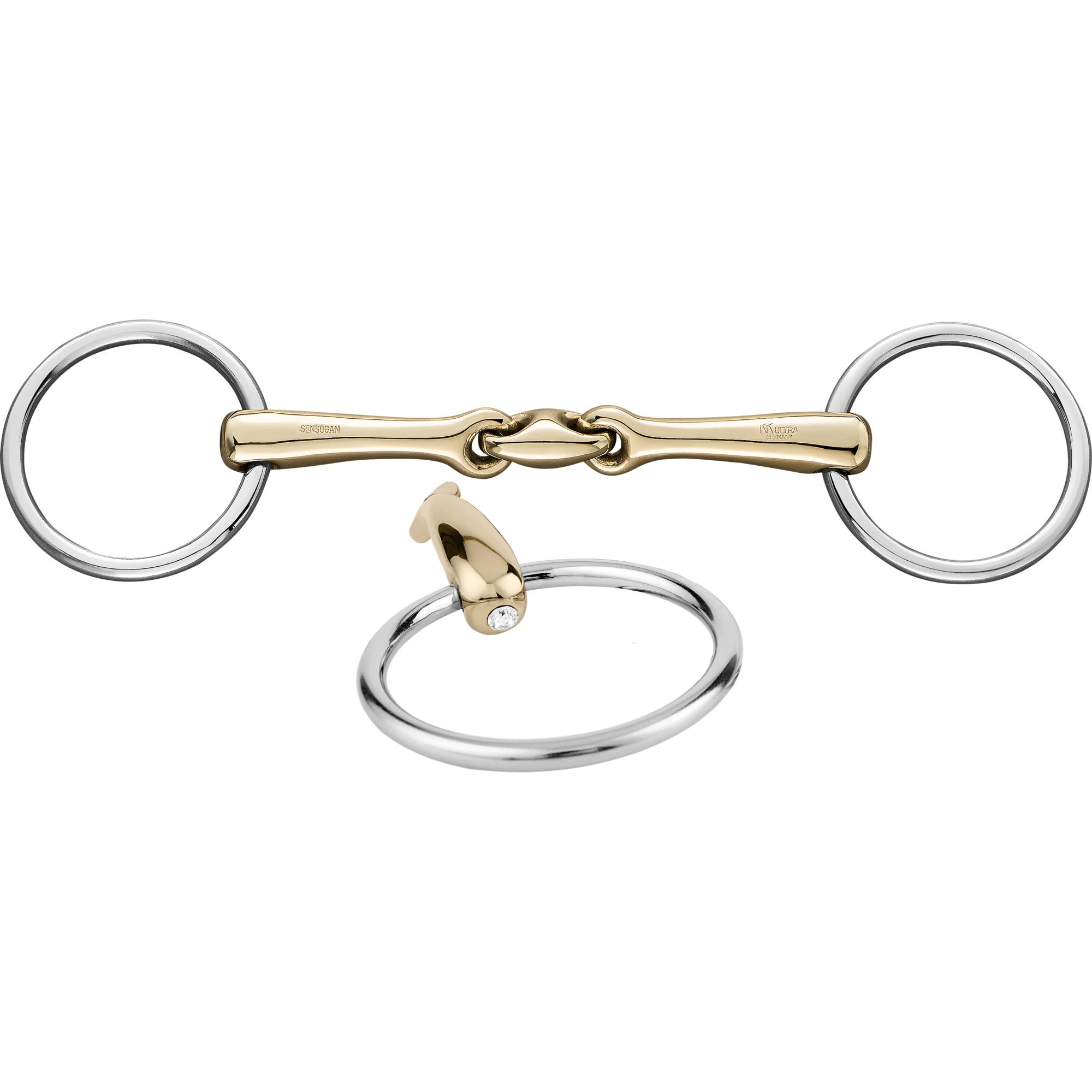
Sprenger
Sprenger Dynamic RS double jointed 16mm Sensogan + Swarovski crystal
incl. 19% VAT, plus shipping
In stock now · delivery in 3–5 days
Sprenger
Sprenger Dynamic RS double jointed 16mm Sensogan + Swarovski light topaz
incl. 19% VAT, plus shipping
In stock now · delivery in 3–5 days
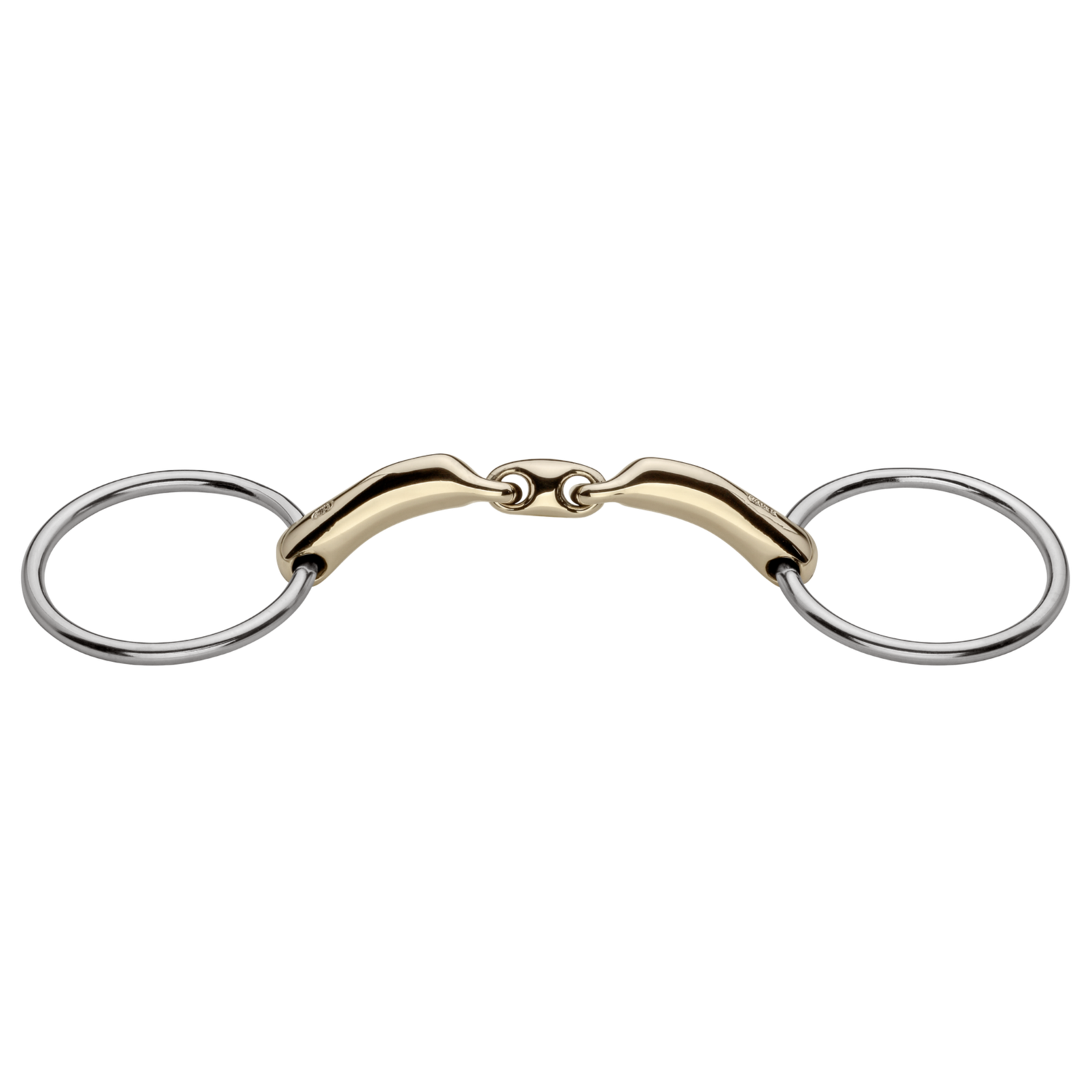
Sprenger
Sprenger novocontact double jointed 14mm Sensogan
incl. 19% VAT, plus shipping
In stock now · delivery in 3–5 days
Sprenger
Sprenger novocontact single jointed 14mm Sensogan
incl. 19% VAT, plus shipping
In stock now · delivery in 3–5 days
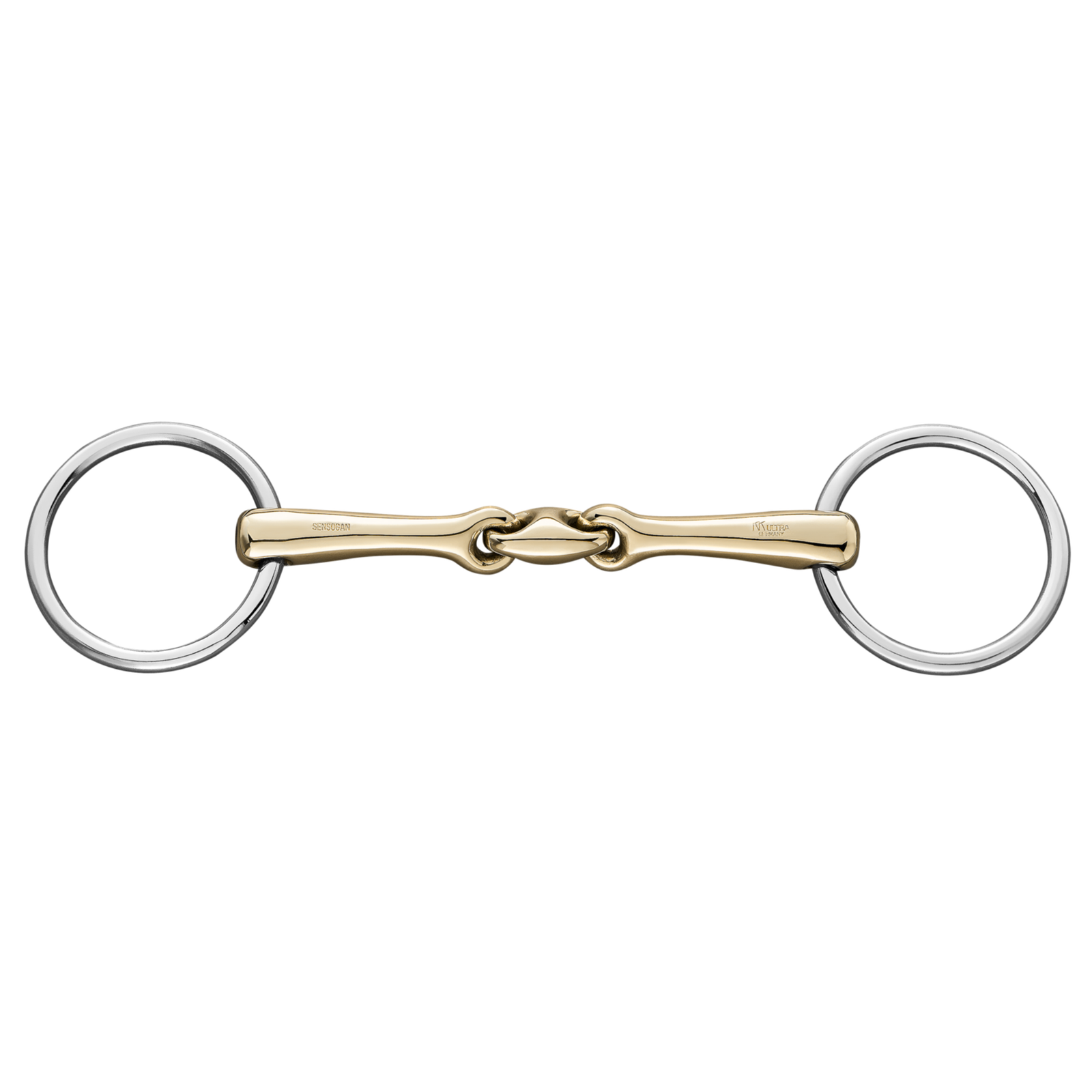
Sprenger
Sprenger KK Ultra Bradoon 16mm Sensogan
incl. 19% VAT, plus shipping
In stock now · delivery in 3–5 days
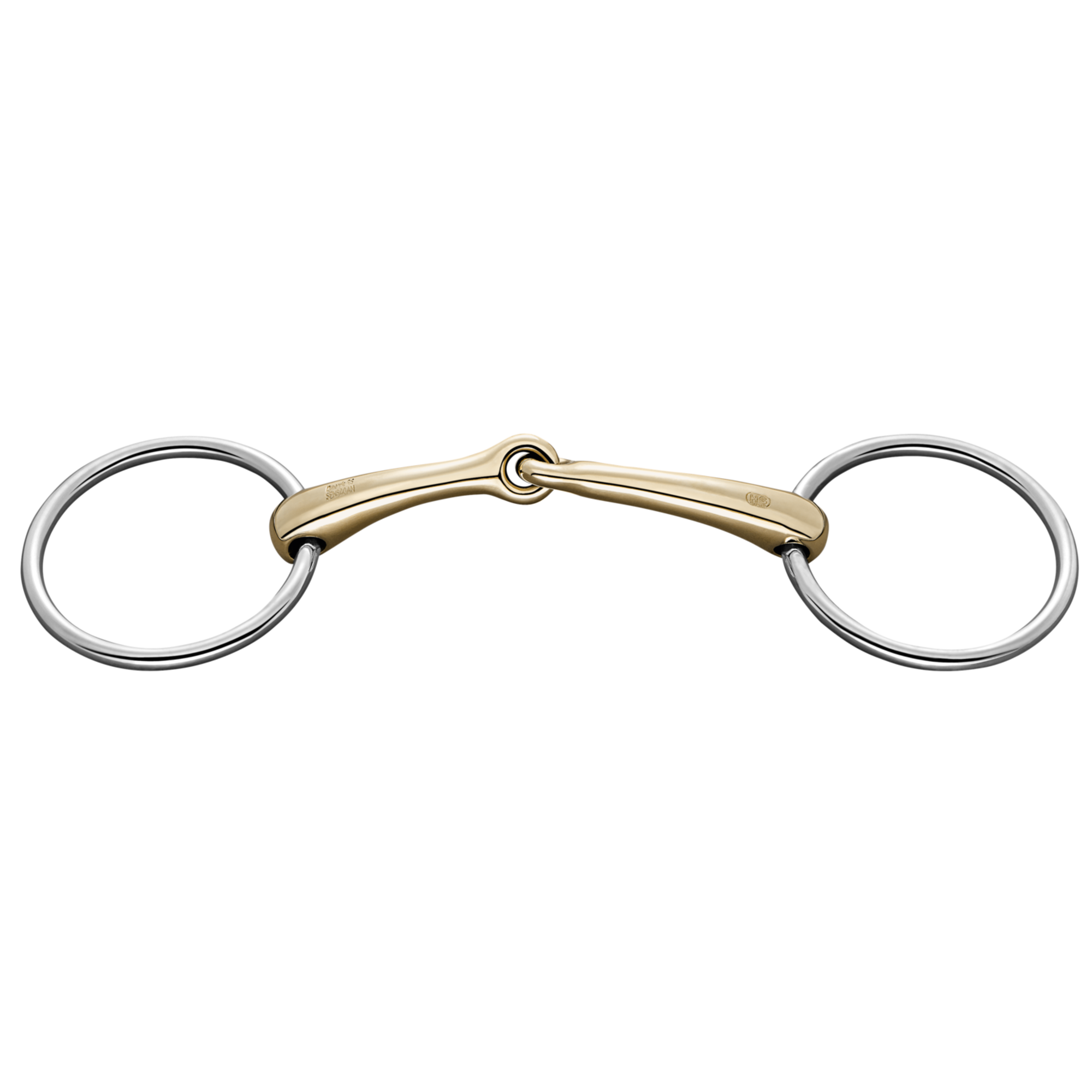
Sprenger
Sprenger Dynamic RS single jointed 14 mm Sensogan
incl. 19% VAT, plus shipping
In stock now · delivery in 3–5 days
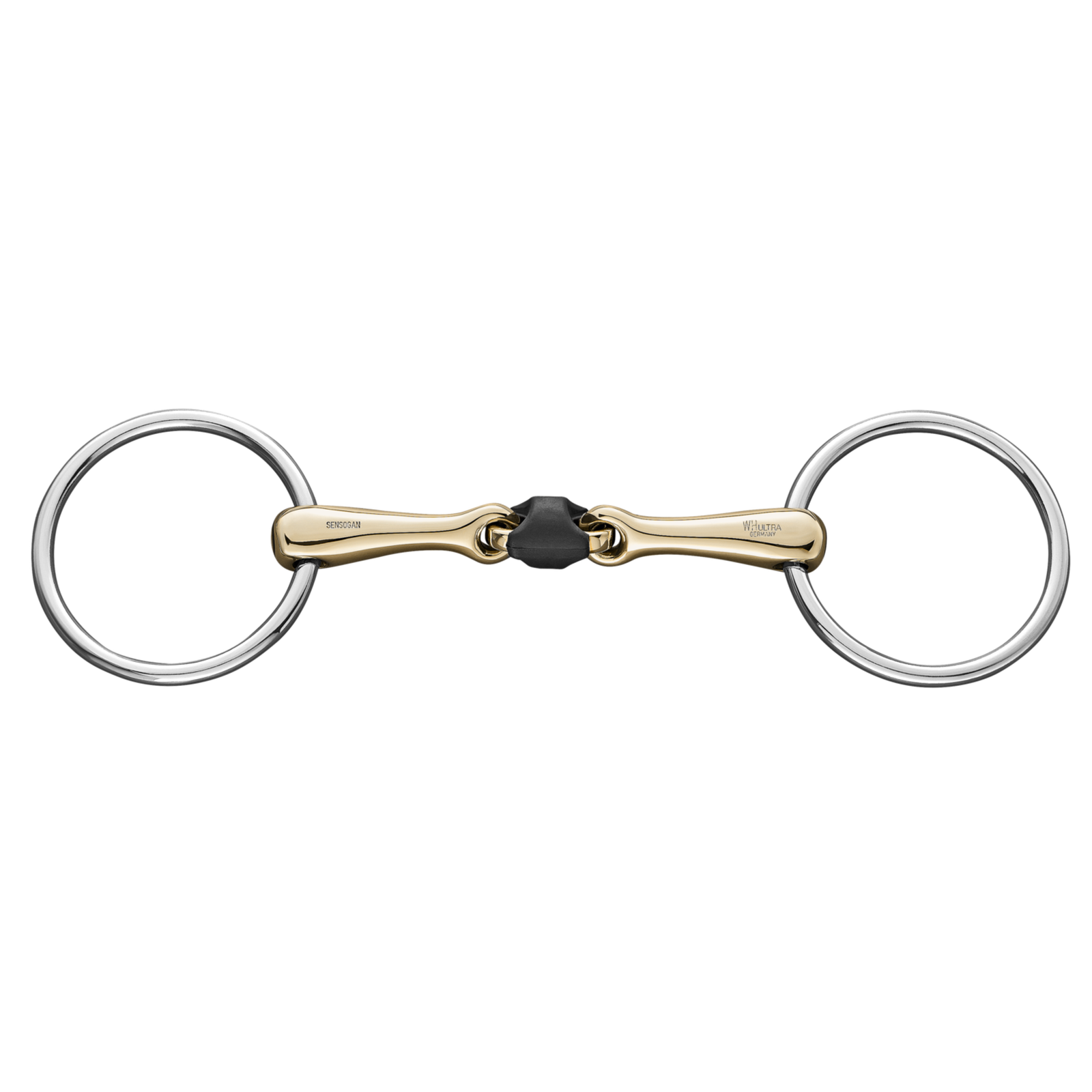
Sprenger
Sprenger WH Ultra Soft 16mm Sensogan
incl. 19% VAT, plus shipping
In stock now · delivery in 3–5 days
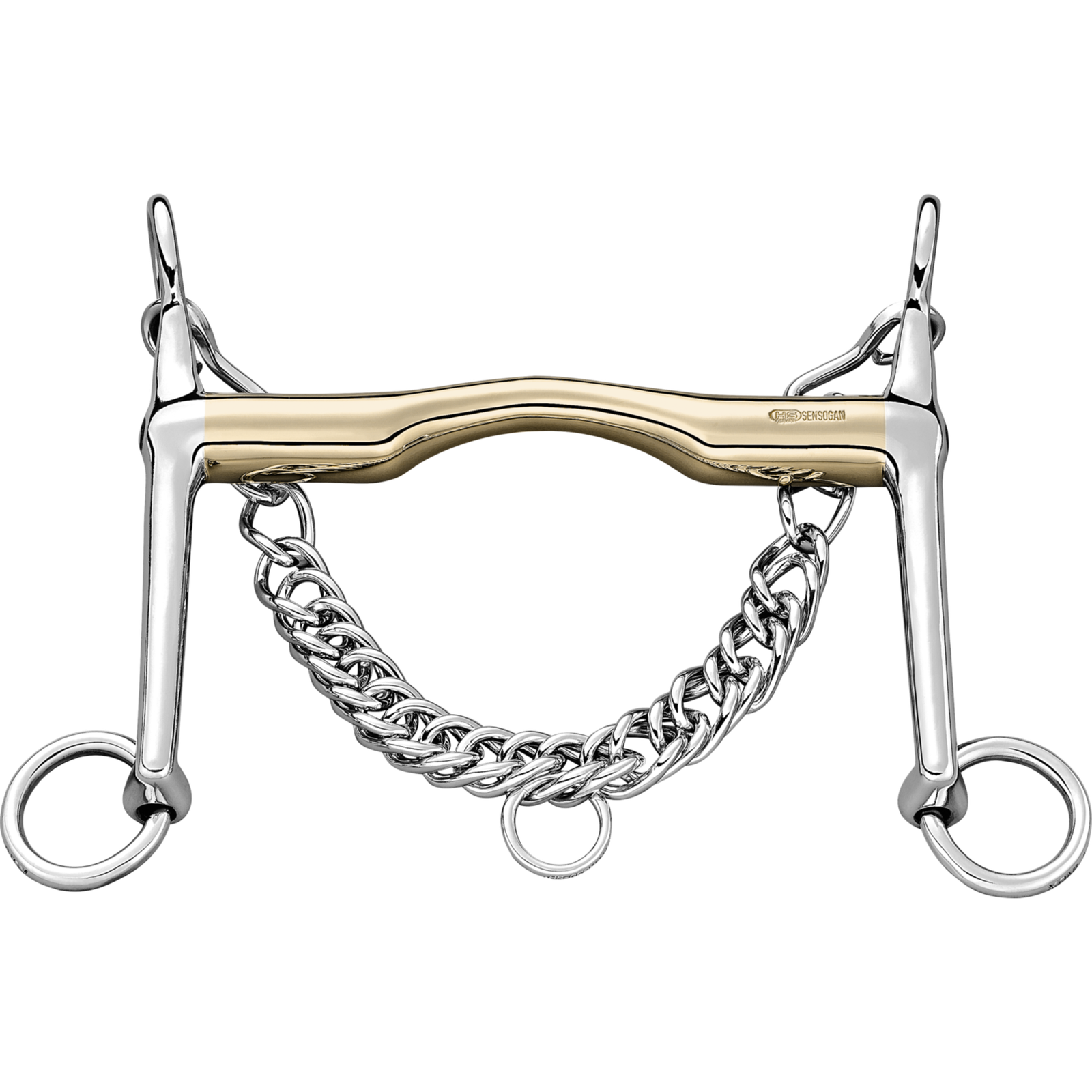
Sprenger
Sprenger FC Curb Bit Long Cheeks 16mm Stainless Steel
incl. 19% VAT, plus shipping
In stock now · delivery in 3–5 days
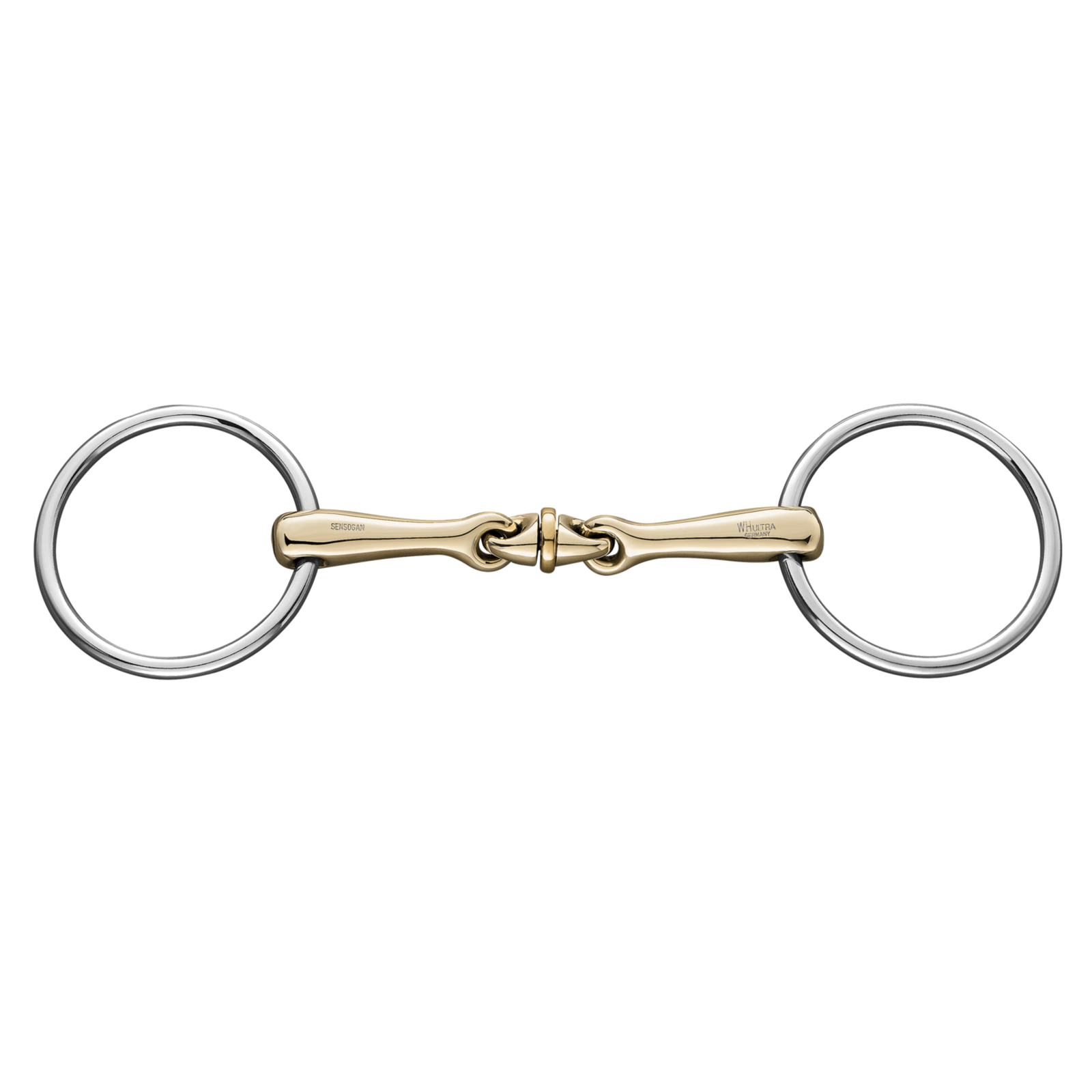
Sprenger
Sprenger WH Ultra 16mm Sensogan
incl. 19% VAT, plus shipping
In stock now · delivery in 3–5 days
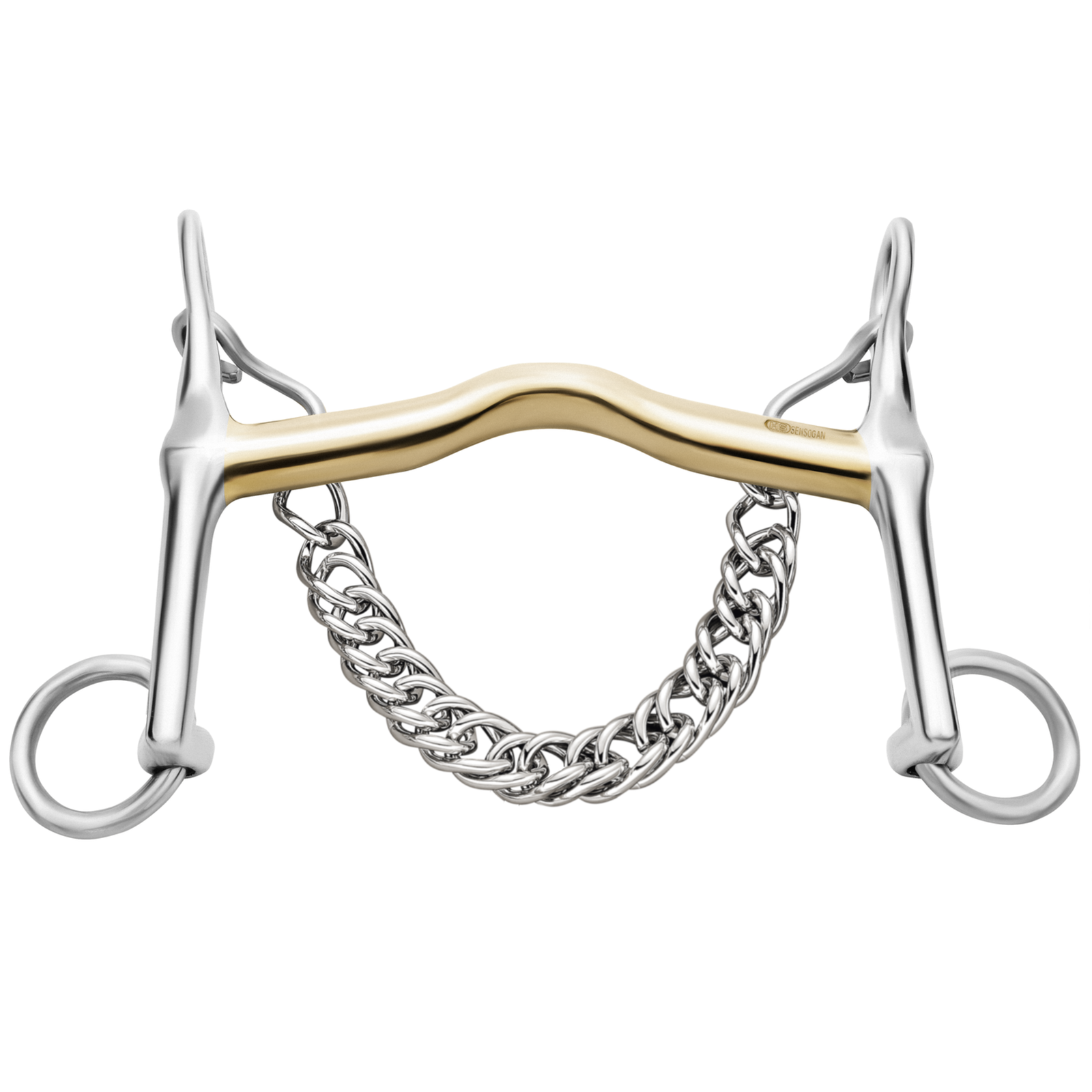
Sprenger
Sprenger novocontact Curb Bit Short Cheeks 14mm
incl. 19% VAT, plus shipping
In stock now · delivery in 3–5 days
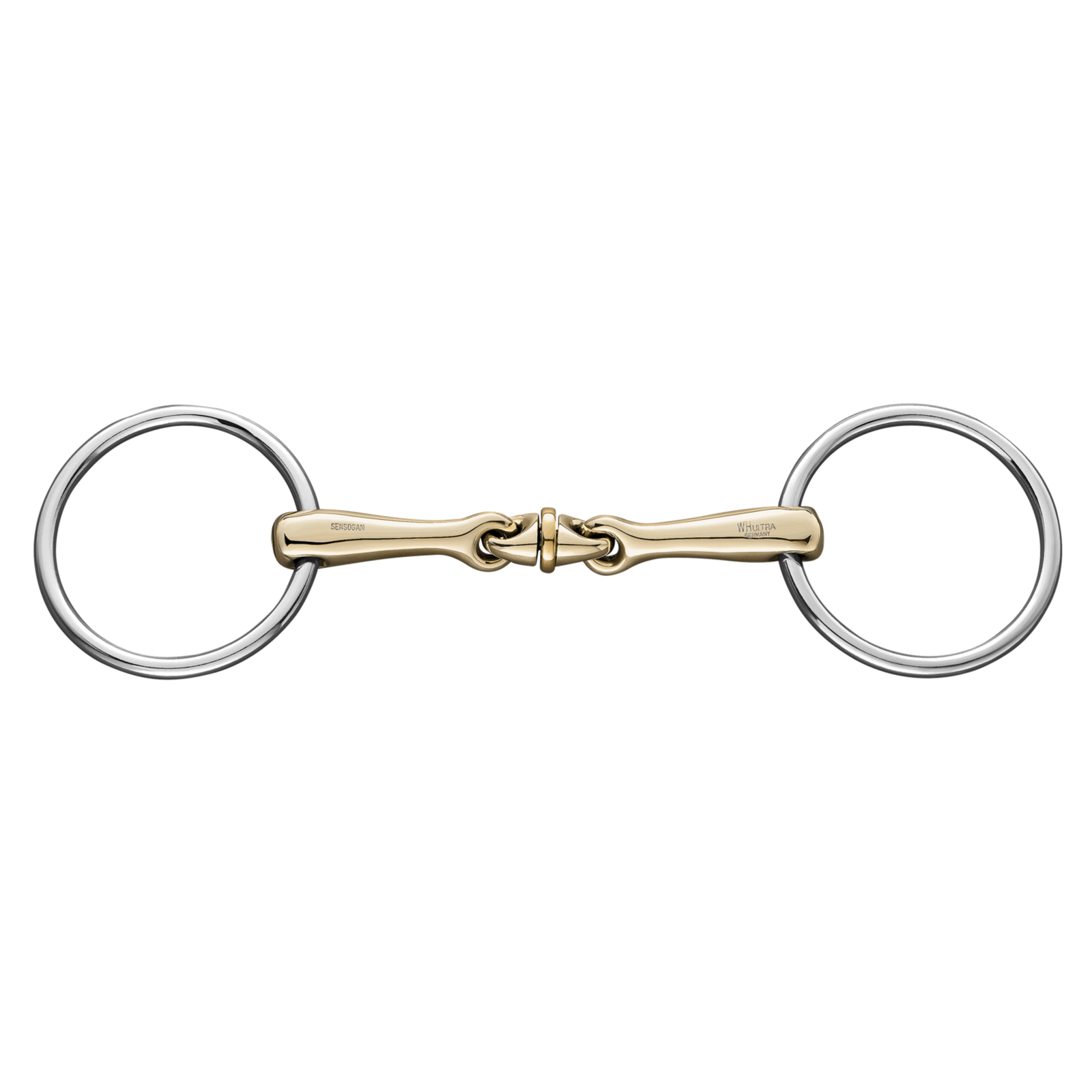
Sprenger
Sprenger WH Ultra 18mm Sensogan
incl. 19% VAT, plus shipping
In stock now · delivery in 3–5 days
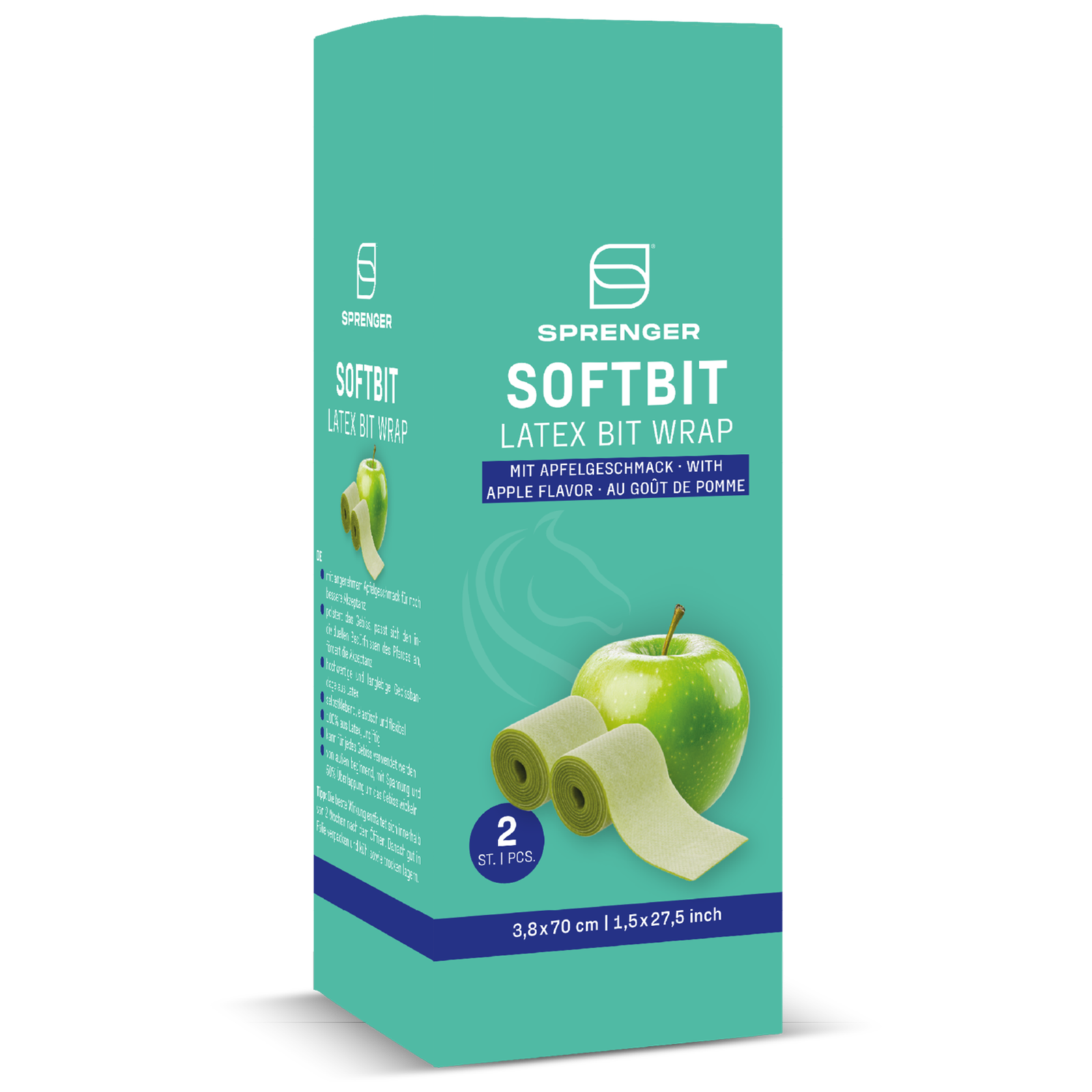
Sprenger
Sprenger Softbit Latex Bandage Apple Flavour
incl. 19% VAT, plus shipping
In stock now · delivery in 3–5 days
All 100 products
take a look
More topics
- Questions about horse rugs
- Questions about riding helmets
- Questions about body protectors
- Questions about riding boots and half chaps
- Questions about riding clothing
- Questions about brushing boots, bandages and overreach boots
- Questions about saddle accessories
- Questions about horse feeding
- Questions about grooming and the stable