
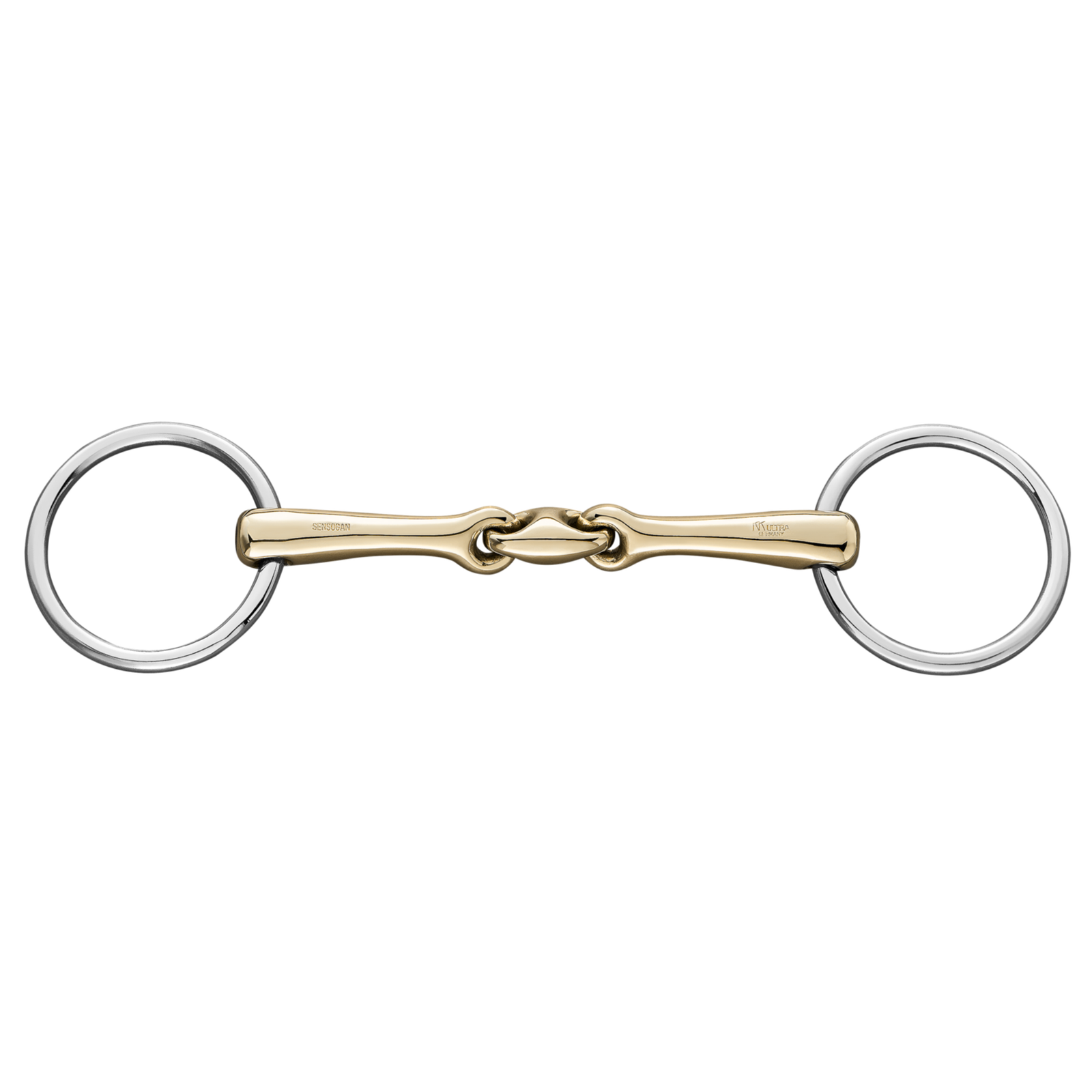
Anatomical bridles: useful or just a trend?
Anatomical bridles are designed to relieve pressure on the horse’s poll and face. What studies on pressure distribution show, where the limitations lie and why fit is crucial.
Cut-out headpieces, softly padded nosebands, curved shapes: anatomical bridles have now become standard in many yards. They are designed to relieve pressure on the horse’s sensitive head. But what is behind the concept, and does every horse need such a bridle? In this article we sum up what is known about the design and effects, where research is still limited and what really matters when fastening the bridle.
What makes a bridle anatomical?
An anatomical bridle is cut and padded in such a way that it avoids sensitive areas of the horse’s head and distributes pressure over less sensitive regions. A typical feature is a headpiece that is cut away behind the ears to give the ears more freedom. It is often wider and more thickly padded than on classic models. The noseband is also often shaped so that it does not put direct pressure on the facial bones or on points where nerves emerge.
On some models the headpiece sits further back, or the throatlatch is connected to the noseband. This is intended to relieve the area around the first cervical vertebra. Designs differ considerably between manufacturers.
What is the difference between bridle and snaffle bridle?
Bridle is the umbrella term for everything used on the horse’s head to lead and steer it, the snaffle bridle is a specific type of this. Strictly speaking, Trense refers to the snaffle bit in the mouth. In the yard, however, Trense usually means the whole snaffle bridle, which is also where the verb auftrensen (to put the bridle on) comes from.
The German Equestrian Federation (FN) describes the snaffle bridle in its FN equipment rules as consisting of two parts: the headpiece, cheekpieces, throatlatch and browband with bit and reins, plus the noseband. Both parts may be stitched together. At competitions under the German competition rules (LPO) a snaffle bridle is compulsory in all classes, with exceptions such as dressage tests ridden in a double bridle.
Besides the snaffle bridle, the term bridle also covers the double bridle and bitless bridles. In English riding, the double bridle combines a curb bit with a smaller bradoon and a second pair of reins. Bitless bridles such as a lunging cavesson or a hackamore act on the nose rather than on the mouth.
Why is the horse’s head so sensitive to pressure?
Important nerves run close under the skin on the horse’s head, which is why areas such as the poll, mouth and bridge of the nose are sensitive to pressure. On the side of the face, for example, a branch of the trigeminal nerve emerges below the eye. A noseband that is too high or too tight can interfere here.
How high the pressure can become was shown by a study on 19 dressage horses in which a research team headed by Rachel Murray measured pressure under well-fitted bridles using pressure sensors. The researchers found several zones of high pressure, including behind the ears, on the poll, under the start of the browband and under the noseband. The pressure peaks repeated in time with the movement.
What do studies say about anatomical bridles?
The available studies show that a well thought out design can measurably reduce pressure, but the research is still limited. In the study mentioned above, the team used a modified bridle whose headpiece avoided the ears and atlas wings and whose noseband was padded. The pressure measured under the headpiece was reduced to about half. At the same time, gait analysis showed that the horses took slightly longer strides and flexed their joints more.
More recent work from the same research environment concludes that the headpiece should be broad and evenly padded in relation to the anatomy. However, there are only a few independent comparisons between different off-the-peg anatomical bridles across breeds and disciplines. A study at Myerscough College in the UK found that every bridle exerts pressure on the face and that fit and design should always be assessed on a case-by-case basis.
Does every horse need an anatomical bridle?
No, an anatomical bridle is not a must, but it can be a sensible choice for horses that react sensitively to pressure on the poll or head. Even manufacturers express this cautiously. Kentucky Horsewear writes that its specially shaped bridle is intended primarily for horses with pressure-related discomfort behind the ears and that it does not offer any particular advantage without such signs.
Realistic expectations are important. An anatomical bridle does not solve training problems and even the best design cannot make up for poor fit or an overly tight noseband. If your horse shows headshaking, resistance when bridling or sensitivity around the head, you should have this checked by a vet before changing the tack.
How tight can the noseband be fastened?
You should be able to fit two adult fingers side by side between the noseband and the bridge of the nose. This two-finger rule appears in the guidelines on animal welfare in equestrian sport issued by the Federal Ministry of Agriculture. The bridle must not impair breathing or prevent chewing activity. As a more precise tool, the guidelines mention a taper gauge as recommended by the International Society for Equitation Science (ISES).
In practice this rule is often not followed. A study of 750 horses in which nosebands were checked with the ISES taper gauge found that only a small proportion were fastened to allow two fingers and in almost half of the horses there was no room for even one finger. Researchers at the University of Sydney observed an increased heart rate with very tight nosebands, and chewing, licking and swallowing were suppressed. In international competitions, the world governing body FEI now requires a taper gauge in all disciplines. Which equipment is permitted at national competitions is set out in the German competition rules (LPO) of the German Equestrian Federation (FN).
Does the type of noseband make a difference?
Yes, according to current measurements it apparently does. In the study by Rachel Murray’s team, the highest pressures were usually found under the flash noseband, while the drop noseband and the grackle noseband showed the lowest values. In the study of 750 horses the flash noseband was also much more tightly fastened than other types. However, which noseband suits your horse always depends on head shape, bit and level of training as well.
What types of bridles and nosebands are there?
Bridles differ mainly in the noseband, that is the strap around the nose, and in the design of the headpiece, classic or anatomical. In the FN equipment rules, the German Equestrian Federation (FN) lists the drop, cavesson, flash and grackle nosebands, including variants, as permitted types. The most important at a glance:
- Drop noseband (hannoversches Reithalfter): The noseband lies low, but still several fingers above the nostrils, and is fastened in the chin groove over the bit rings. According to the FN, two fingers should fit between the bridge of the nose and the strap when it is correctly fastened.
- Cavesson noseband (englisches Reithalfter): A broad noseband sits about two to three centimetres below the cheekbone and above the bit. For dressage tests ridden in a double bridle, only this noseband is permitted under FN rules.
- Flash noseband (kombiniertes Reithalfter): a cavesson noseband with an additional flash strap that runs through a loop on the noseband and is fastened under the bit in the chin groove. In Germany it is the most commonly used type.
- Grackle noseband (mexikanisches Reithalfter): Two straps cross over the bridge of the nose. When fastened high it does not restrict breathing.
- Swedish noseband (schwedisches Reithalfter): Similar to the flash noseband, but the noseband runs back through a crank buckle. This works like a pulley, so it is easy to tighten it too much.
Important for competition riders: Pelham, jumping curb bits and three-ring bits must not be combined with a drop noseband under FN rules. We are happy to help you find out which combination of noseband and bit suits your horse in our bit fitting service.
How should an anatomical bridle fit?
A bridle fits well if the browband, noseband and bit lie horizontally and no strap presses or rubs. Guidance from the Faculty of Veterinary Medicine at Leipzig University gives several reference points:
- Noseband: about one finger-width below the facial crest so that it does not lie directly on the bone.
- Throatlatch: loose enough to fit an upright hand between the strap and the throat.
- Cheekpieces: adjusted so that one or two wrinkles form at the corners of the mouth.
- Bit: protrudes on both sides about 1 to 1.5 cm from the mouth.
- Flash strap: never tighter than the noseband.
Also make sure that the browband is long enough and does not pull the headpiece forwards towards the ears. Anatomical bridles are usually available in Pony, Cob, Full and sometimes Extra Full, but not every model comes in every size. If in doubt, measure your old, well-fitting bridle and compare the measurements.
At Ahrens Reitsport you will find anatomical and classic bridles as well as suitable bridle accessories. Since bridle and bit work together, it can also be worthwhile to book an appointment for our bit fitting with Julia Lühr if you are unsure, either in our shop in Tangstedt or directly at your yard.
From our range
Matching products
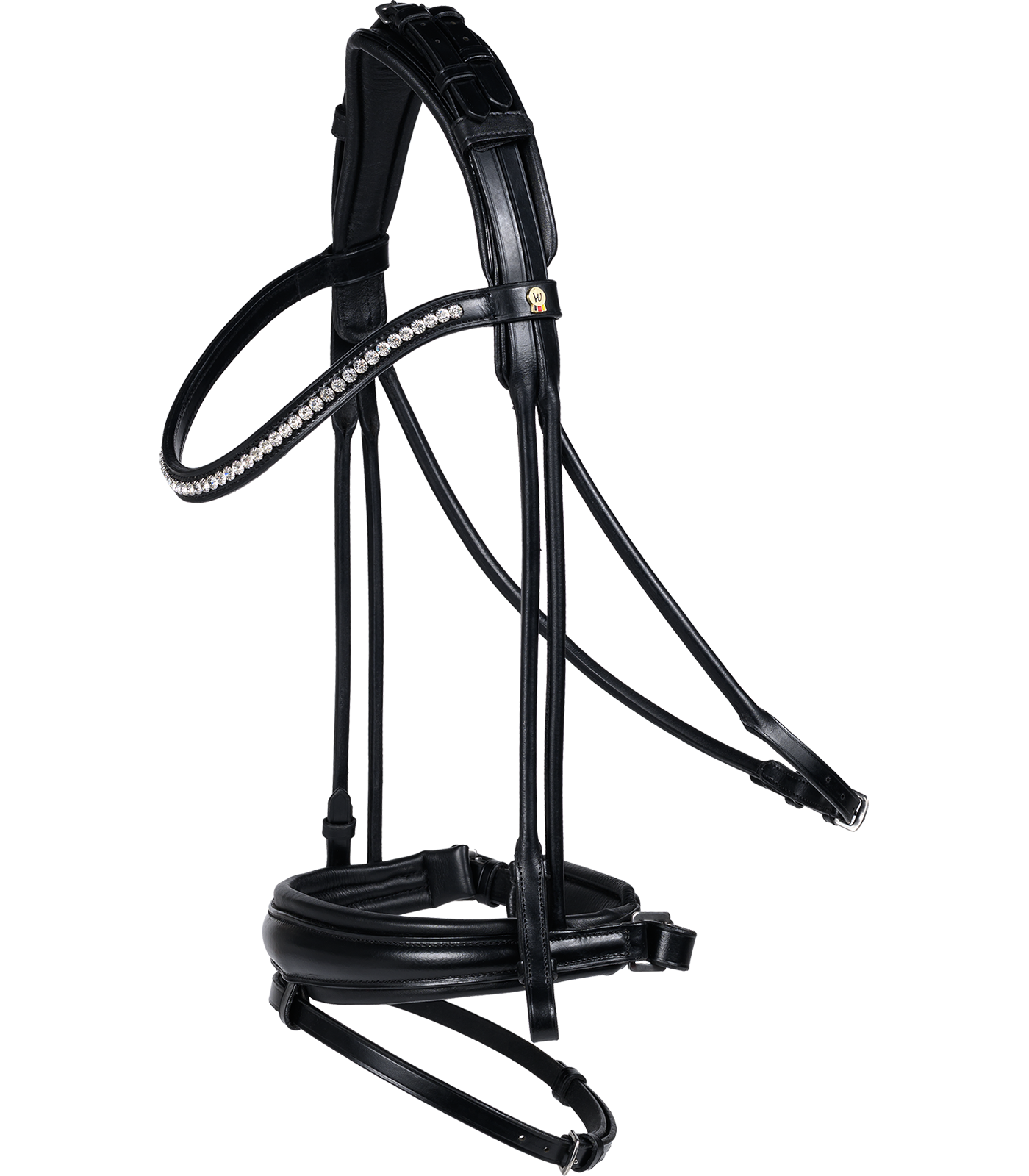
Waldhausen
Waldhausen Bridle S-Line Grace Swedish Flash
incl. 19% VAT, plus shipping
In stock now · delivery in 3–5 days
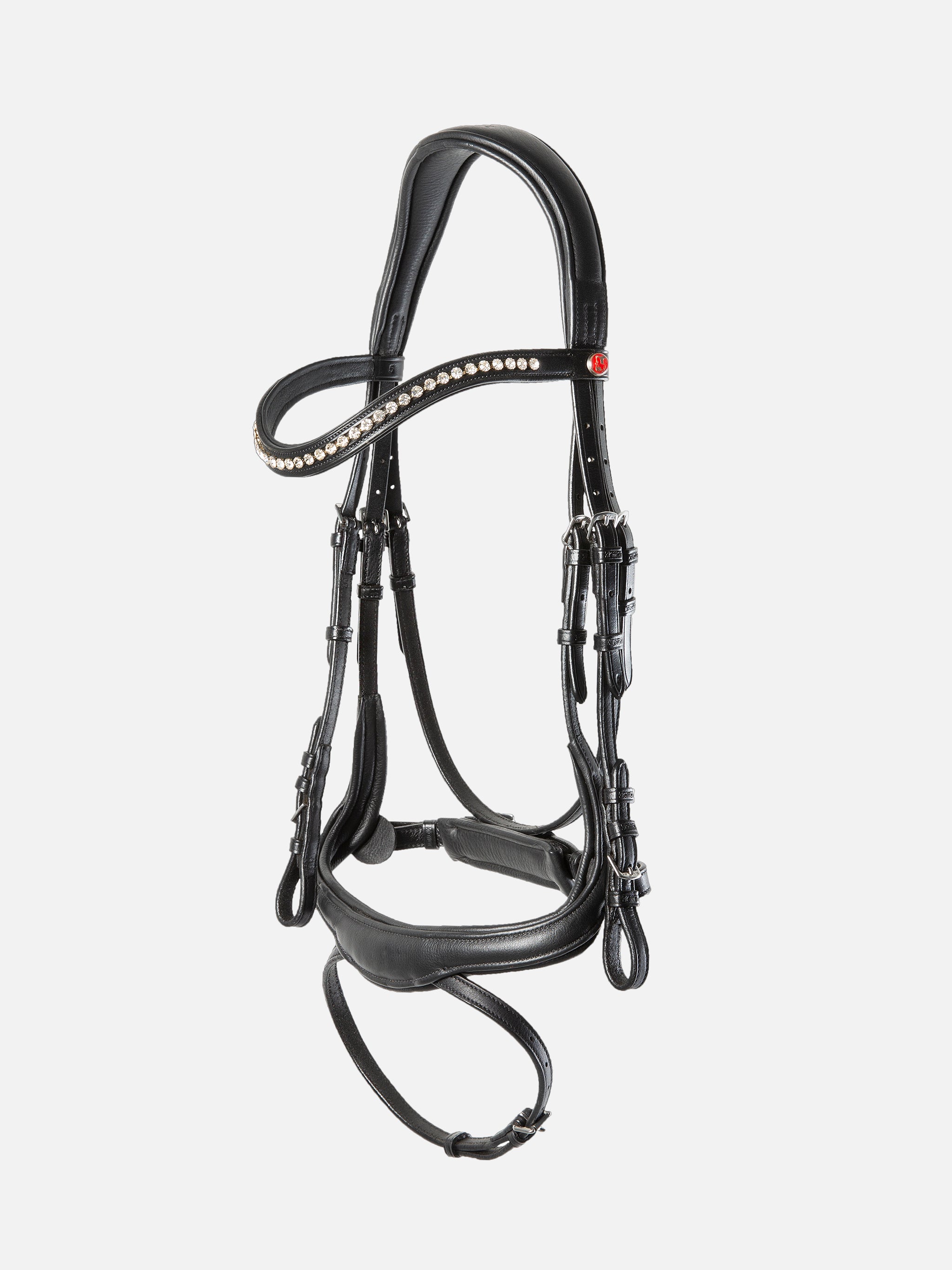
Kieffer
Kieffer Bridle Amy Ultrasoft black
incl. 19% VAT, plus shipping
In stock now · delivery in 3–5 days
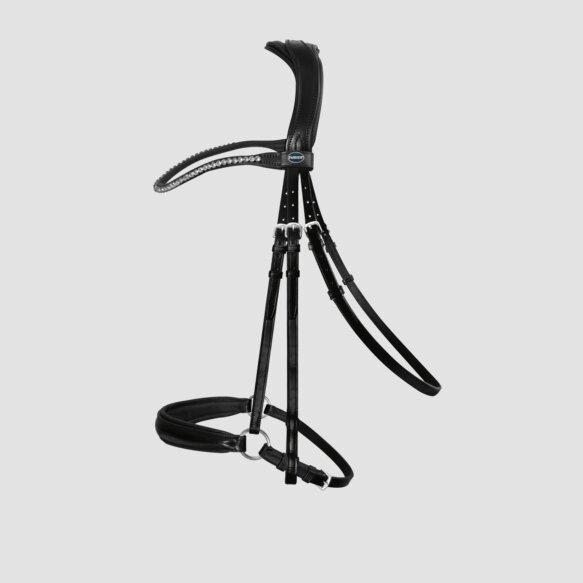
Passier
Passier Bridle Confidence Drop Noseband
incl. 19% VAT, plus shipping
In stock now · delivery in 3–5 days
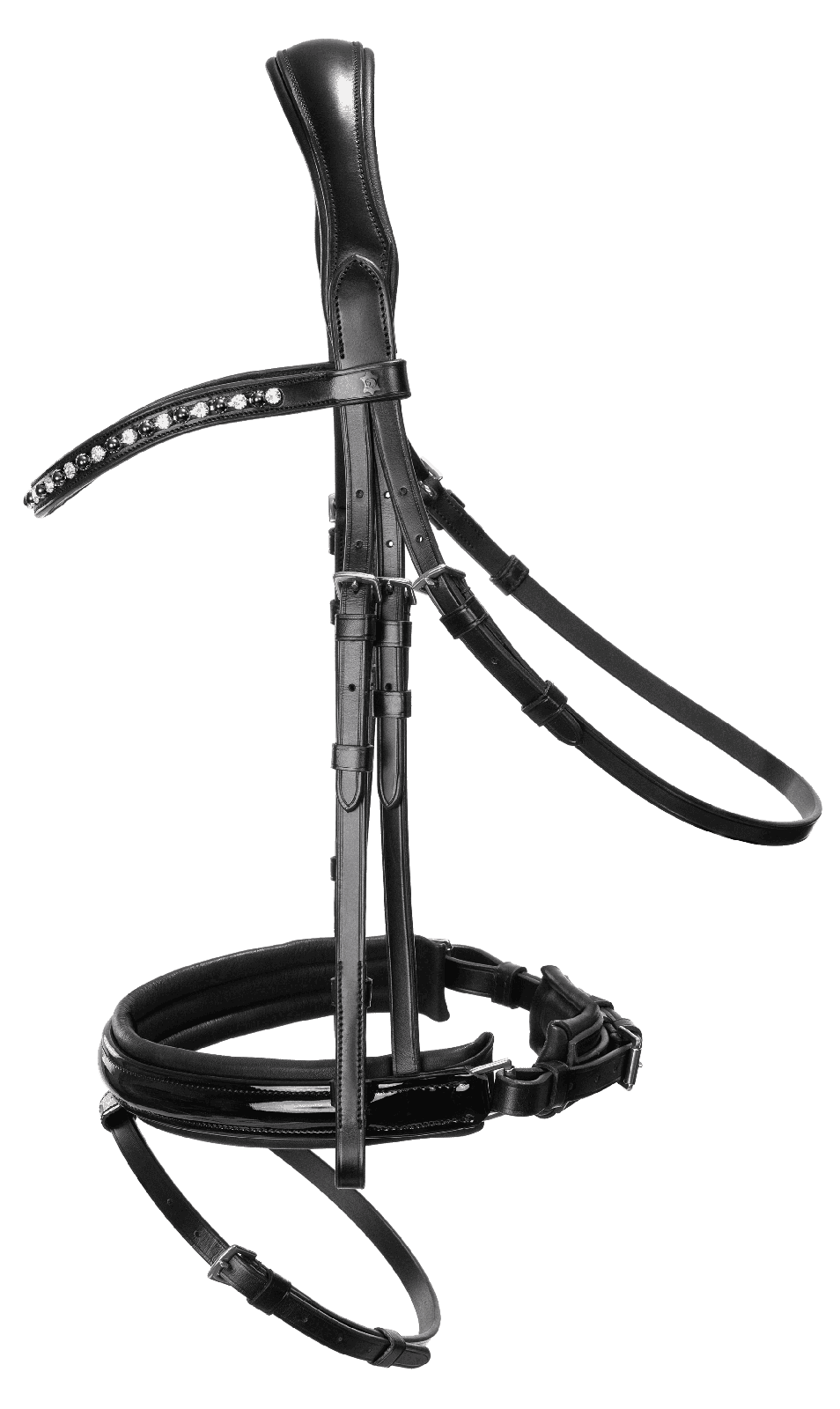
Snaffle Bridle Mainz Swedish Flash
incl. 19% VAT, plus shipping
In stock now · delivery in 3–5 days
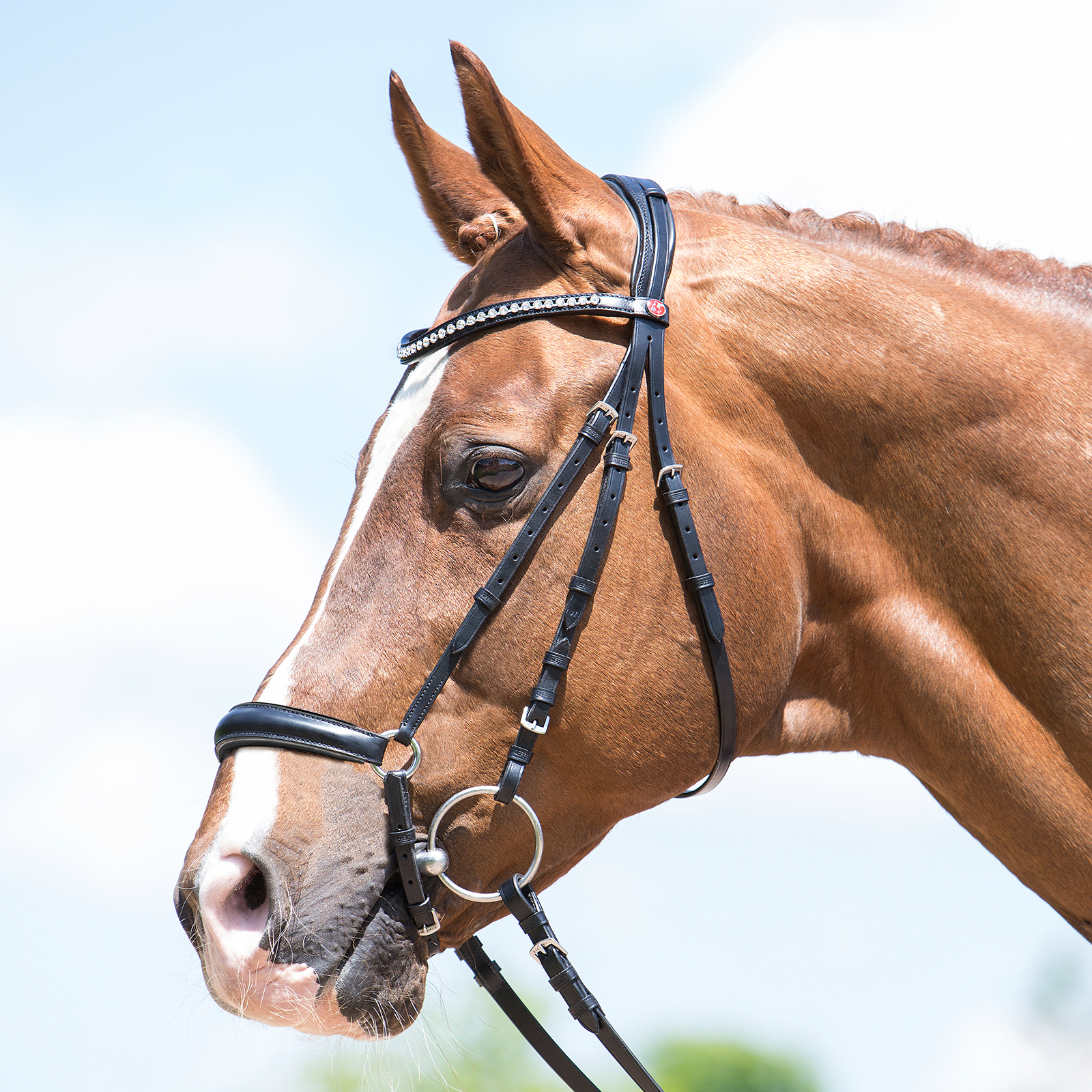
Kieffer
Kieffer Bridle Comfort Lyon Drop Noseband
incl. 19% VAT, plus shipping
In stock now · delivery in 3–5 days
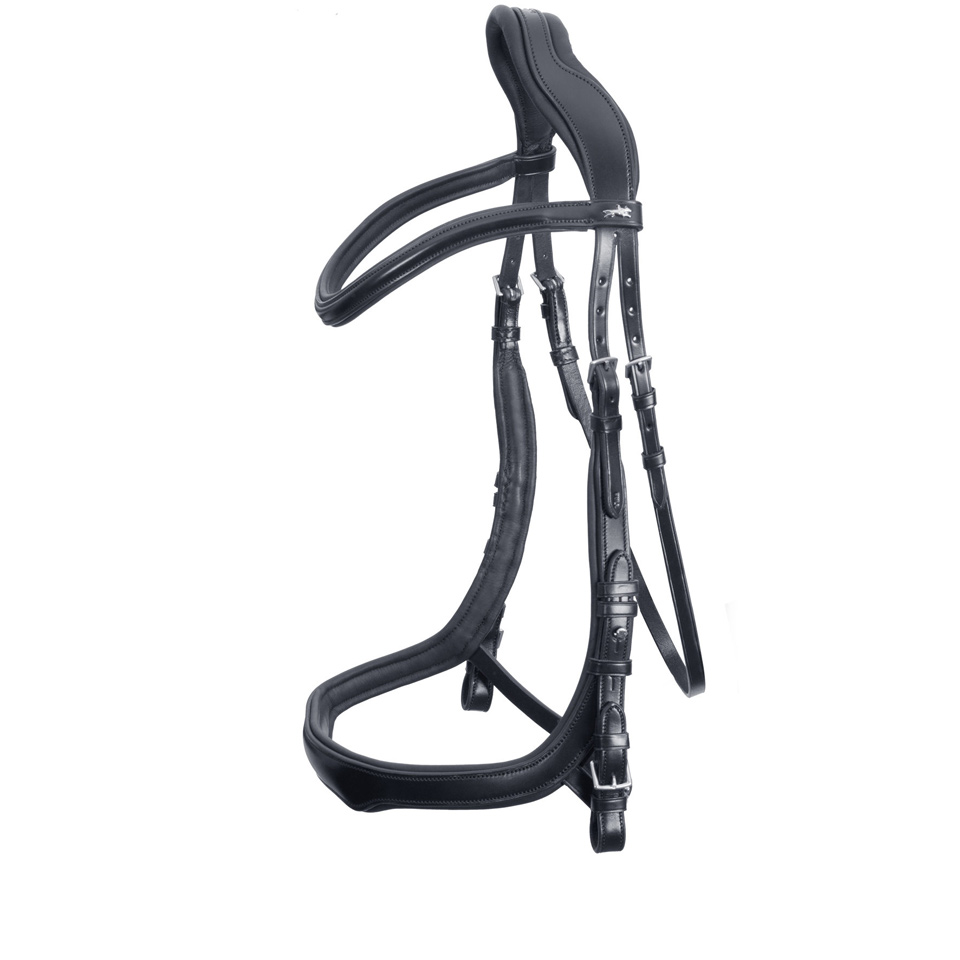
Schockemöhle Sports
Schockemöhle Equitus Delta Bridle
incl. 19% VAT, plus shipping
In stock now · delivery in 3–5 days
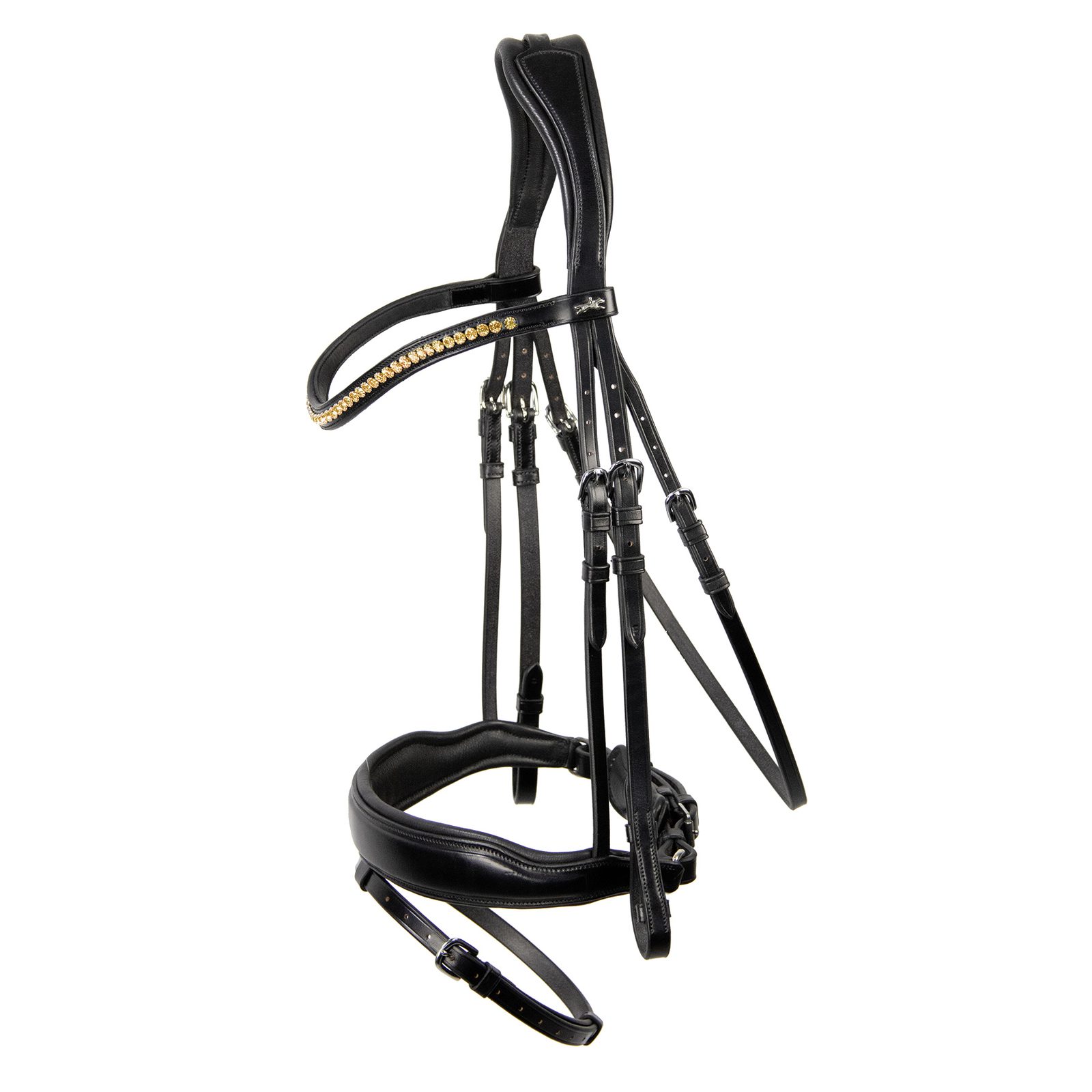
Bridle Stanton Select Schockemöhle
incl. 19% VAT, plus shipping
In stock now · delivery in 3–5 days
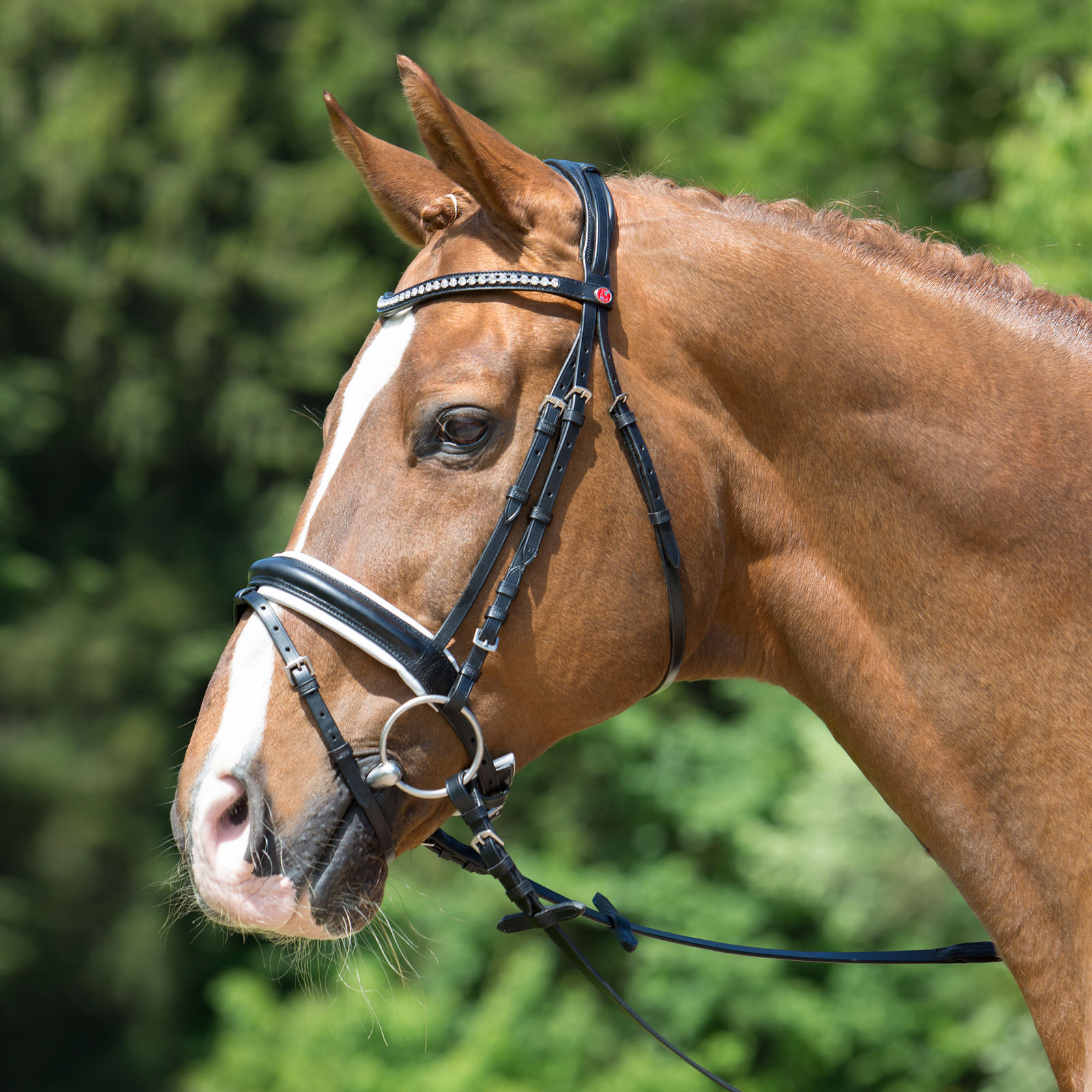
Kieffer
Kieffer Bridle Comfort Lyon Cavesson
incl. 19% VAT, plus shipping
In stock now · delivery in 3–5 days
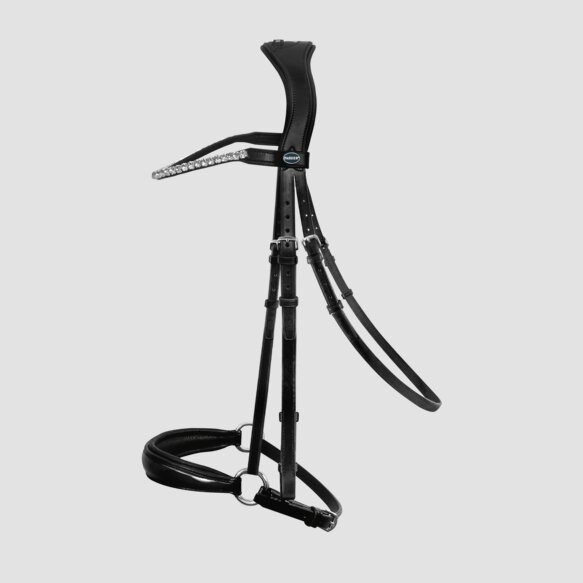
Passier
Passier Bridle Favorite by Klimke Drop Noseband patent
incl. 19% VAT, plus shipping
In stock now · delivery in 3–5 days
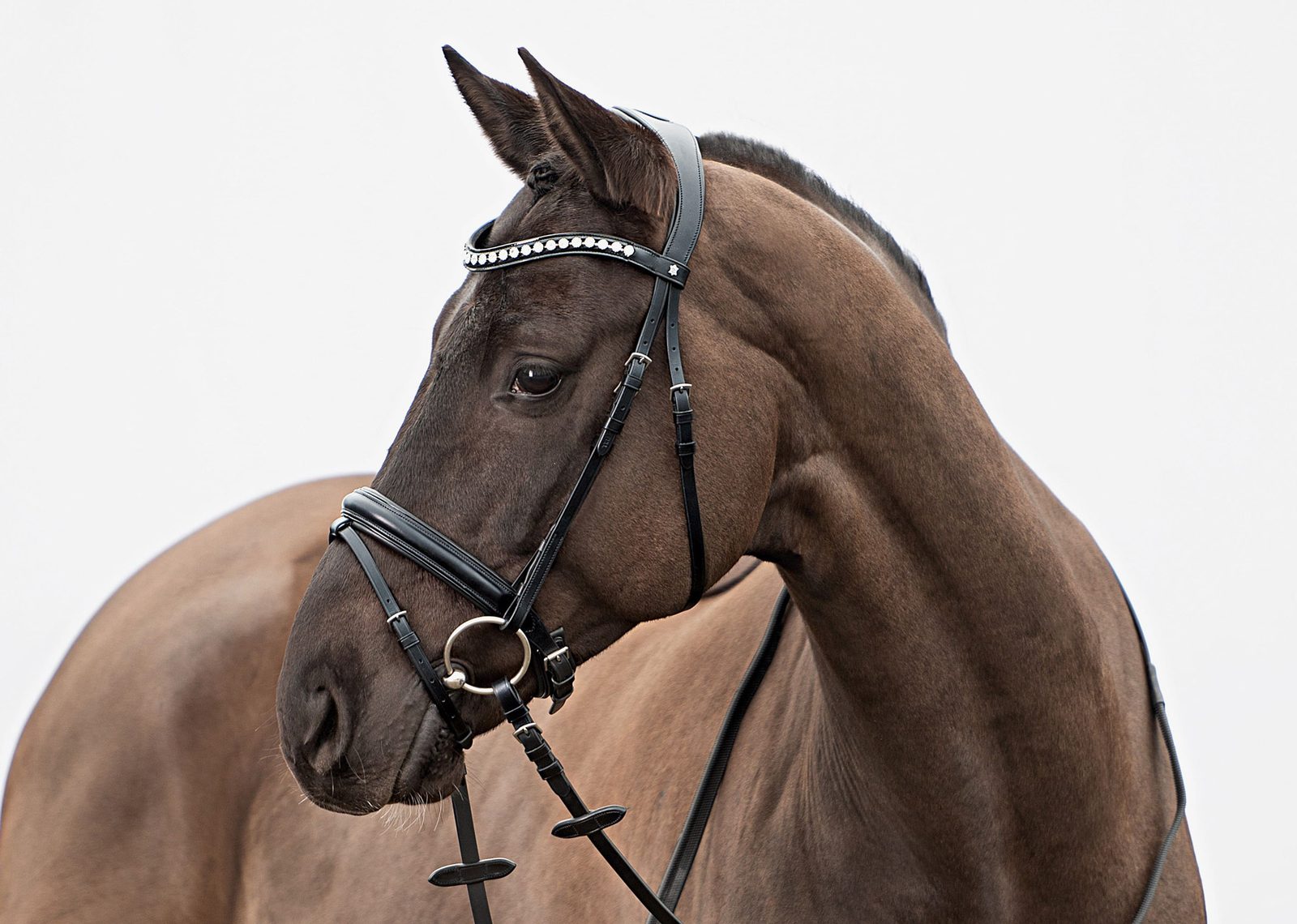
Snaffle Bridle Hamburg patent piping Swedish Flash
incl. 19% VAT, plus shipping
In stock now · delivery in 3–5 days
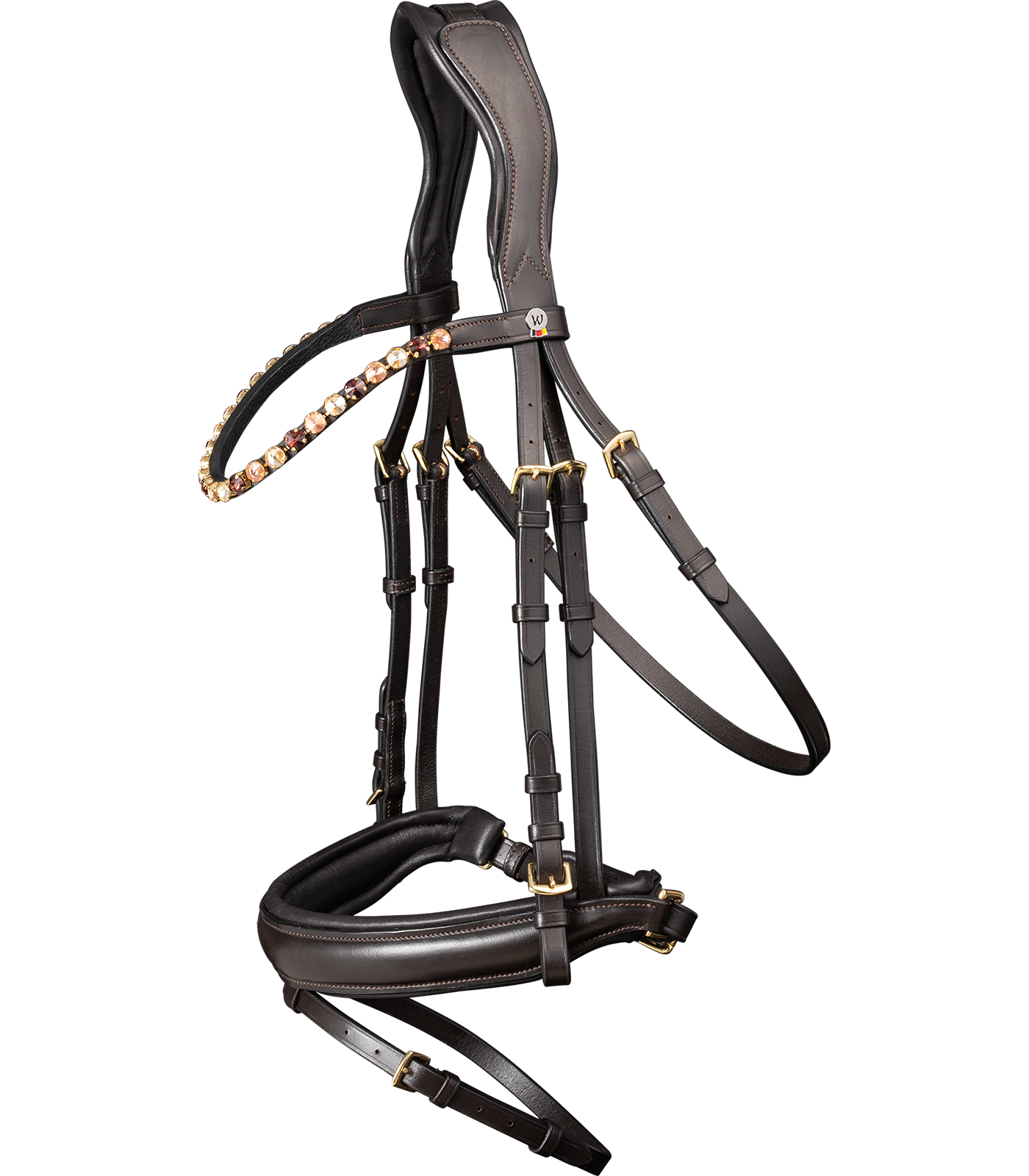
Snaffle Bridle X-Line Goldheart Cavesson Waldhausen
incl. 19% VAT, plus shipping
In stock now · delivery in 3–5 days
Passier
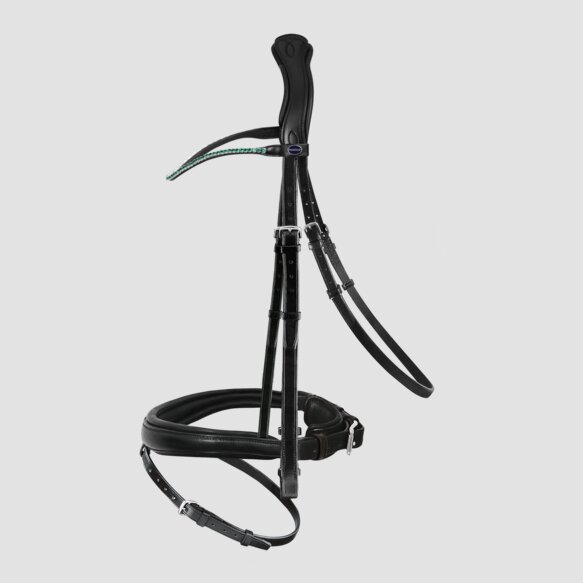
Passier Bridle Fantastic anatomic Swedish
incl. 19% VAT, plus shipping
In stock now · delivery in 3–5 days
All 55 products
take a look