
Which bits are allowed for dressage at competitions?
According to the FN equipment rules, only single-jointed and double-jointed bits are allowed in dressage tests ridden in a snaffle. The loose ring snaffle, eggbutt, D-ring and full cheek snaffle are permitted, as well as combinations of these ring shapes, for example made of metal, rubber, plastic or leather. The bit thickness at the corners of the mouth must be 14–21 mm for horses and 10–18 mm for ponies.
The curb bit is mandatory from Class S** upwards and in Classes L to S* is only allowed if it is stated in the schedule. It is always used with a bradoon, curb chain and cavesson noseband. The current version of the FN equipment rules and the schedule are decisive.
By Julia Lühr, Ahrens Reitsport in Tangstedt · Updated
For dressage tests under the German competition rules (LPO) the FN equipment rules specify exactly which bits, measurements and nosebands are permitted. The basic principle is that any equipment which is not expressly listed there is not allowed. The rules are updated at the beginning of each year, the following overview is based on the version as of February 2026.
Which bits are allowed in dressage tests in a snaffle?
Only single and double jointed bits are allowed. Mullen mouth / straight bar bits, Pelhams, jumping curbs, Baucher bits and three-ring bits are reserved for show jumping and cross-country from Class A upwards. The following ring types are permitted:
- Loose ring snaffle with loose, round rings
- Eggbutt snaffle, also with loose rings
- D-ring snaffle
- Full cheek snaffle (the version with loop attachment only in classes over fences)
- Combinations of these ring shapes
The rules list materials such as metal, rubber, plastic and leather. The material must withstand tensile loads, must not be destroyed by chewing and must be smooth and rounded. Curved mouthpieces with tongue relief, freely rotating parts in the centre piece and ball joints are also illustrated. Locking joints are not permitted.
What measurements does the FN prescribe for jointed bits?
The measurements differ for horses and ponies and are taken according to the illustrations in the rules.
| Specification | Horses | Ponies |
|---|---|---|
| Bit thickness at the corners of the mouth | 14–21 mm | 10–18 mm |
| Thinnest part | over 8 mm | over 8 mm |
| Diameter of bit rings | 55–90 mm | 45–70 mm |
| Centre piece of double jointed bits | max. 40 mm long | max. 40 mm long |
| Bit guards made of smooth, flexible material | at least 45 mm | at least 45 mm |
In addition, the bit must not pinch the corners of the mouth and when lying straight should not protrude more than about 0.5 cm between the corners of the mouth and the bit ring. According to the rules the rider is responsible for compliance with the measurements.
When may or must a curb be used in dressage?
From Class S** upwards the curb bit is compulsory. In Classes L to S* it is only allowed if stated in the schedule. It is also compulsory in Class S rider dressage tests and in the dressage phase of Class S eventing. If the schedule provides for it, it may also be used in Class L and M rider dressage tests and in Class S dressage horse tests. The following applies to the double bridle:
- always with a bradoon (loose ring, eggbutt or D-ring snaffle, 10–16 mm thick)
- upper shank max. 5 cm, lower shank max. 10 cm, ratio 1:1 to 1:2
- tongue relief max. 40 mm
- curb chain compulsory, curb chain guard and lip strap permitted
- only in combination with a cavesson noseband
Which nosebands are permitted in dressage?
On a snaffle bridle drop nosebands, cavesson nosebands, flash nosebands and grackle nosebands are allowed as well as numerous illustrated variants. With a drop noseband two fingers must fit between the bridge of the nose and the strap, with a cavesson and flash one to two fingers. The FEI measuring gauge may be used for checking.
What applies to grassroots competitions under the WBO?
For grassroots competitions the German rules for grassroots competitions (WBO) apply, which differ in some points. Mullen mouth / straight bar bits, for example, are not allowed there. The schedule and the special regulations of the regional federation are always decisive.
Sources
All questions: Questions about bits and bridles
From our range
Matching products
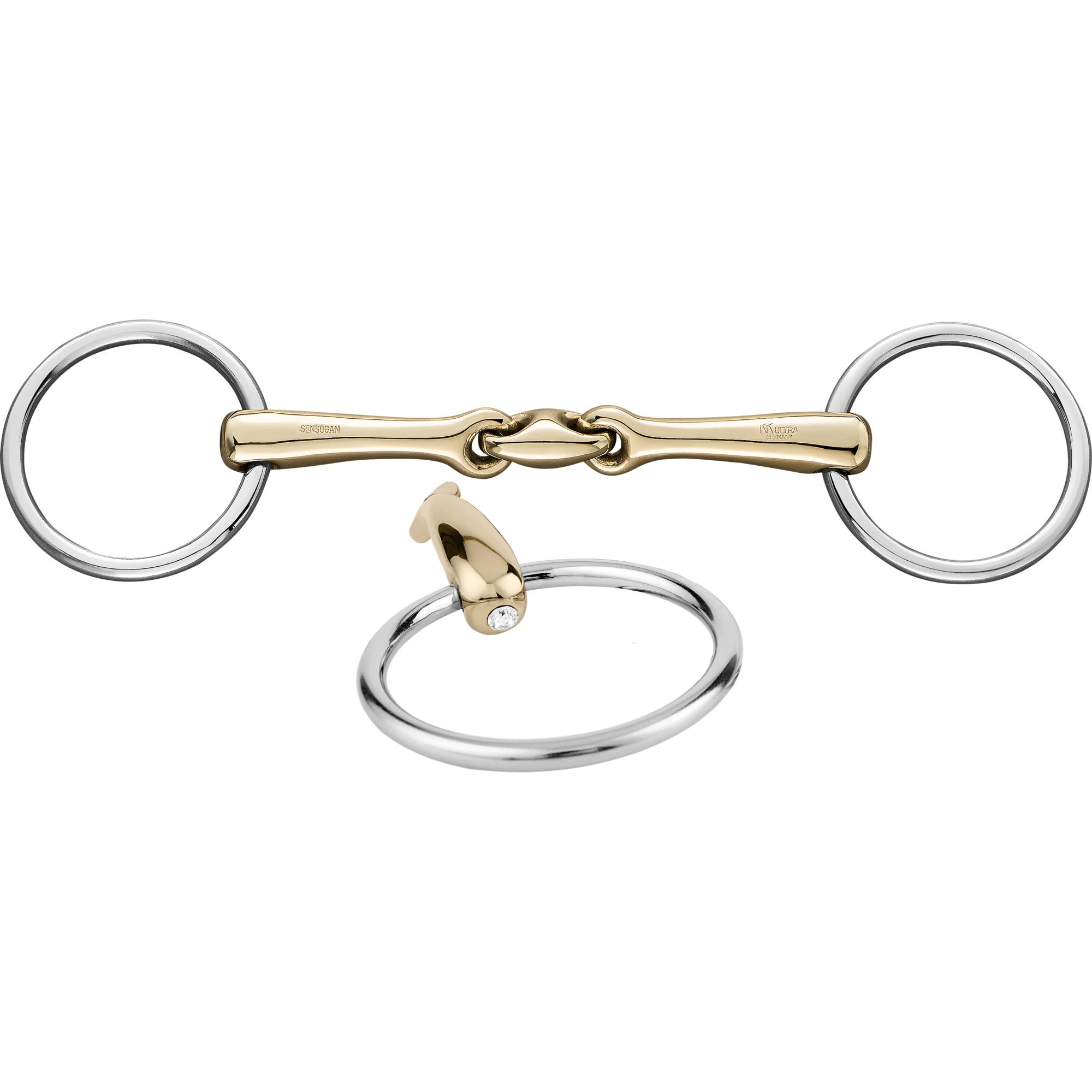
Sprenger
Sprenger Dynamic RS double jointed 16mm Sensogan + Swarovski crystal
incl. 19% VAT, plus shipping
In stock now · delivery in 3–5 days
Sprenger
Sprenger Dynamic RS double jointed 16mm Sensogan + Swarovski light topaz
incl. 19% VAT, plus shipping
In stock now · delivery in 3–5 days
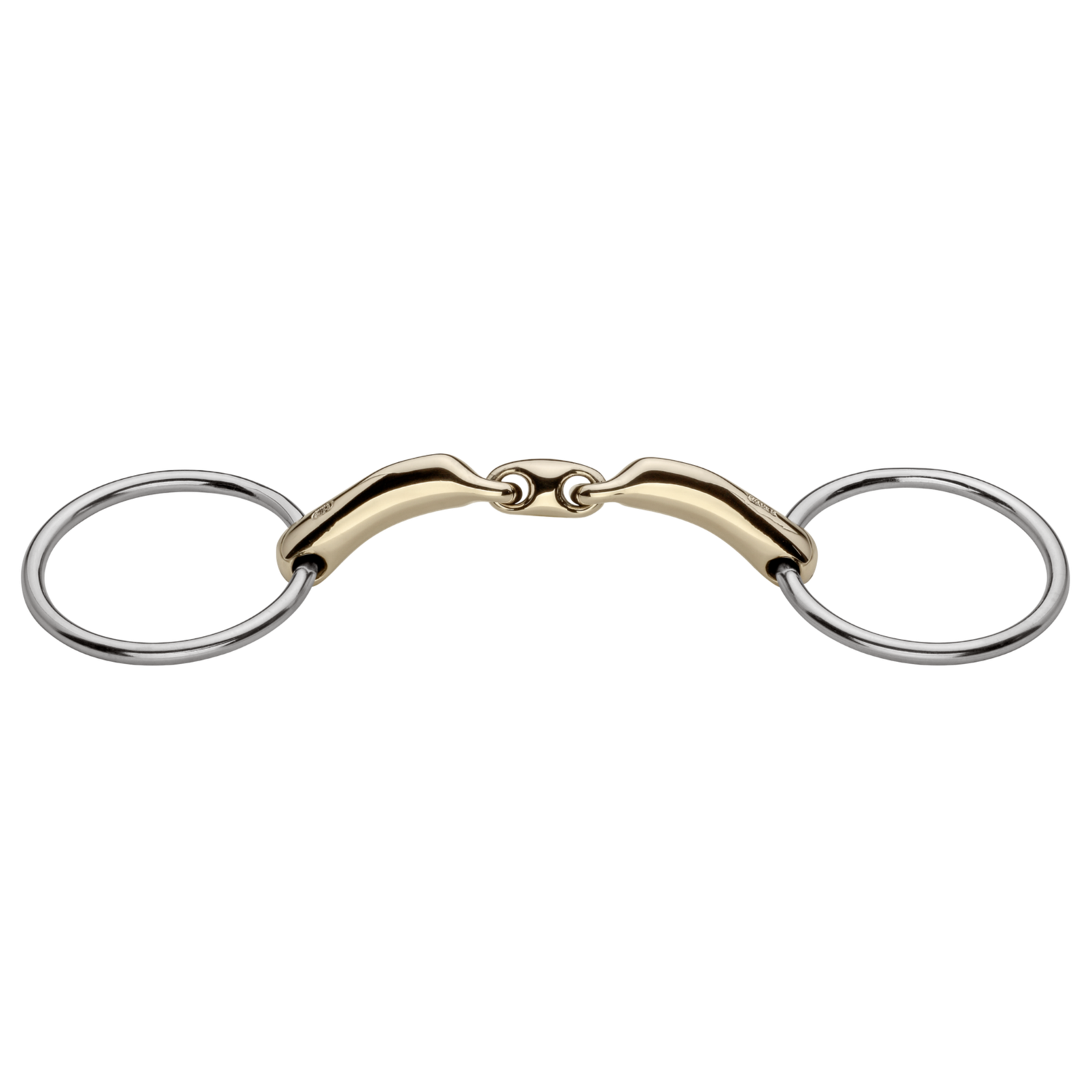
Sprenger
Sprenger novocontact double jointed 14mm Sensogan
incl. 19% VAT, plus shipping
In stock now · delivery in 3–5 days
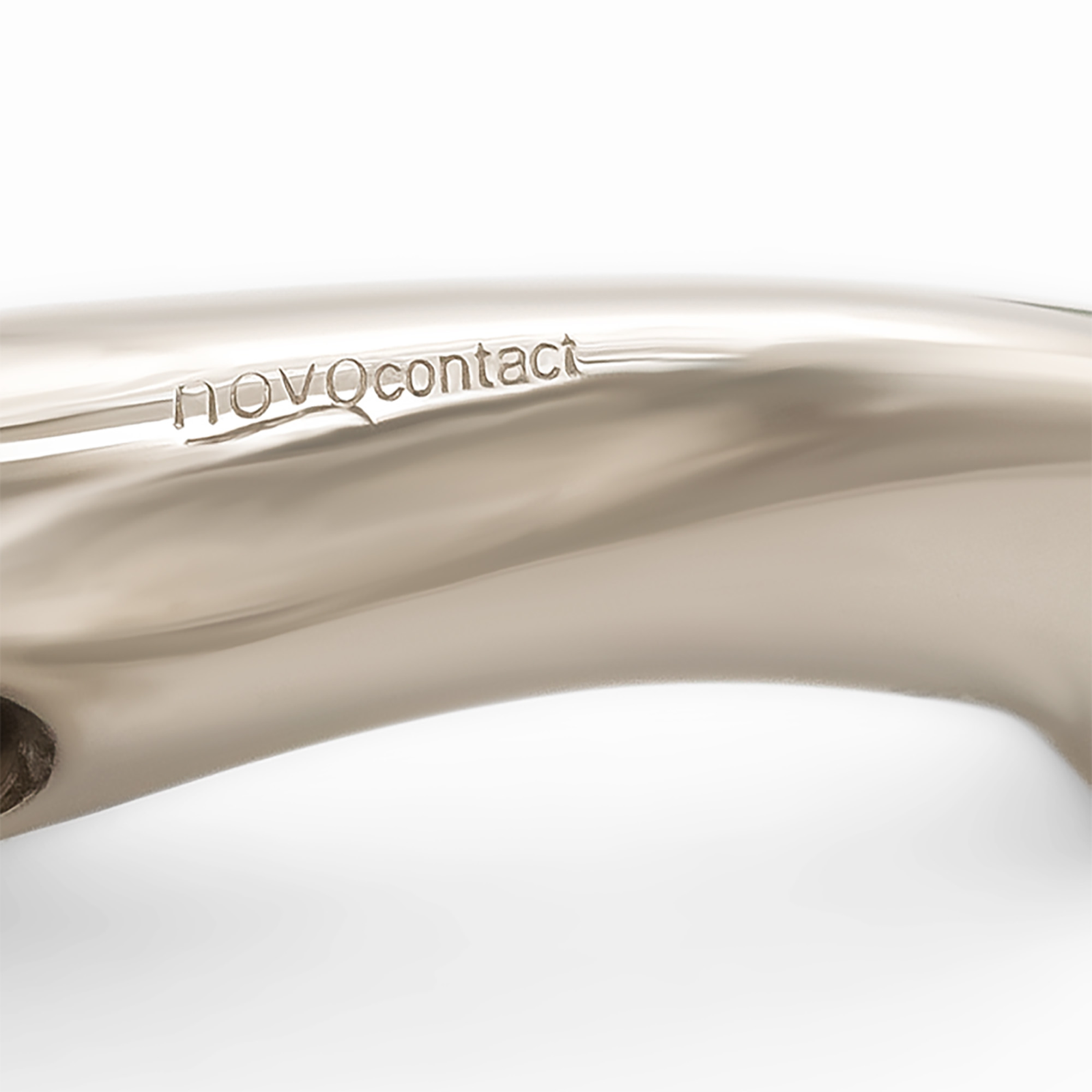
Sprenger
Sprenger novocontact single jointed 14mm Sensogan
incl. 19% VAT, plus shipping
In stock now · delivery in 3–5 days
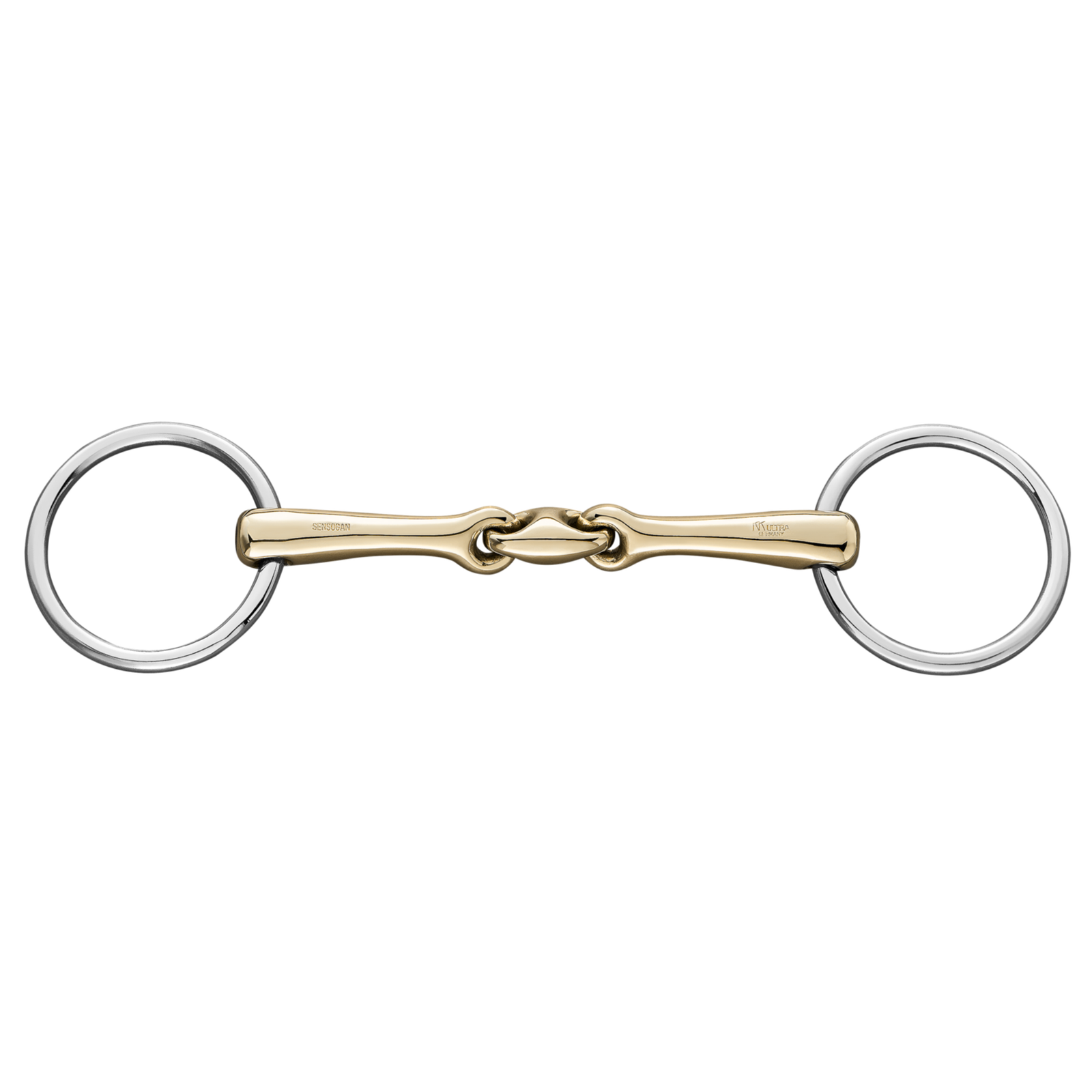
Sprenger
Sprenger KK Ultra Bradoon 16mm Sensogan
incl. 19% VAT, plus shipping
In stock now · delivery in 3–5 days
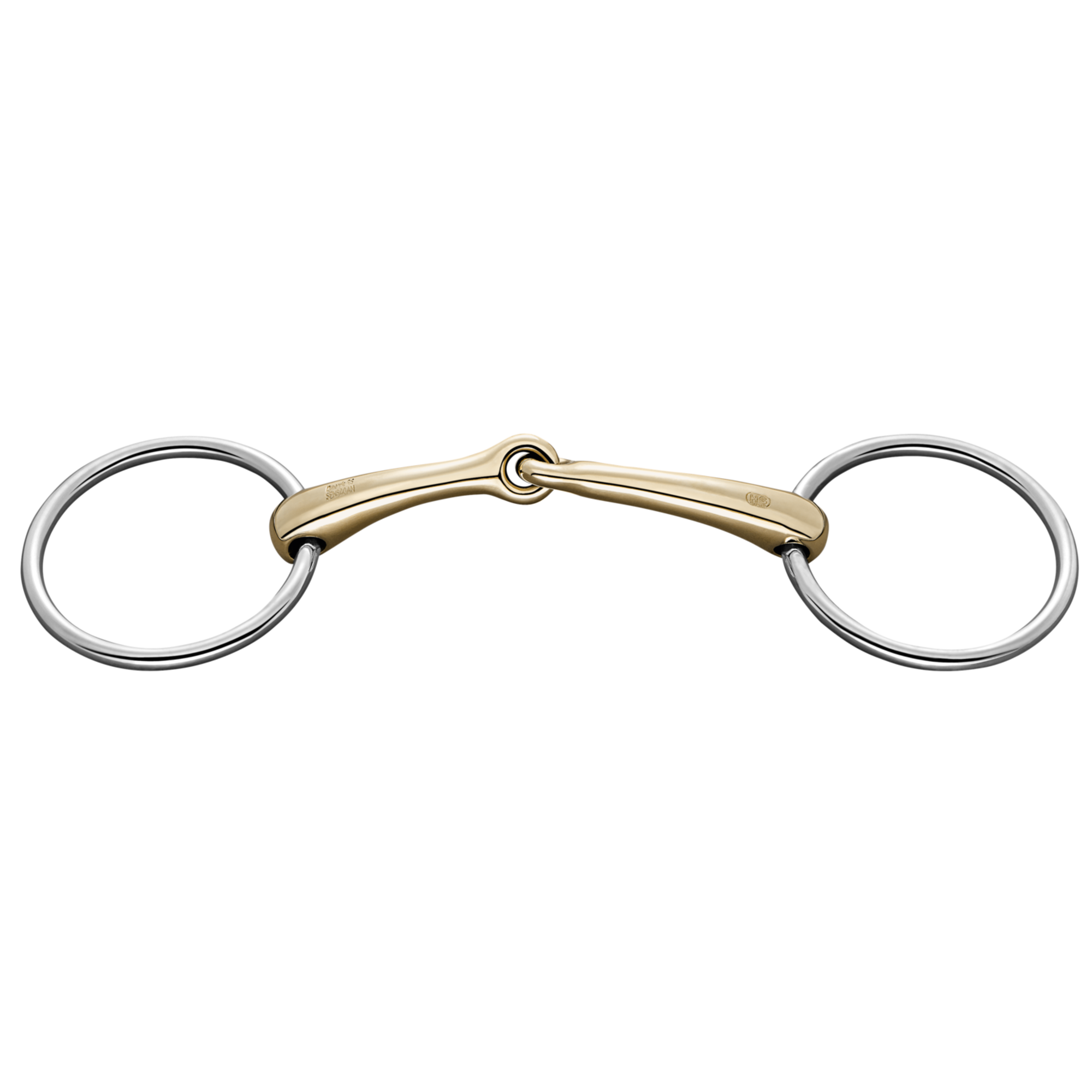
Sprenger
Sprenger Dynamic RS single jointed 14 mm Sensogan
incl. 19% VAT, plus shipping
In stock now · delivery in 3–5 days
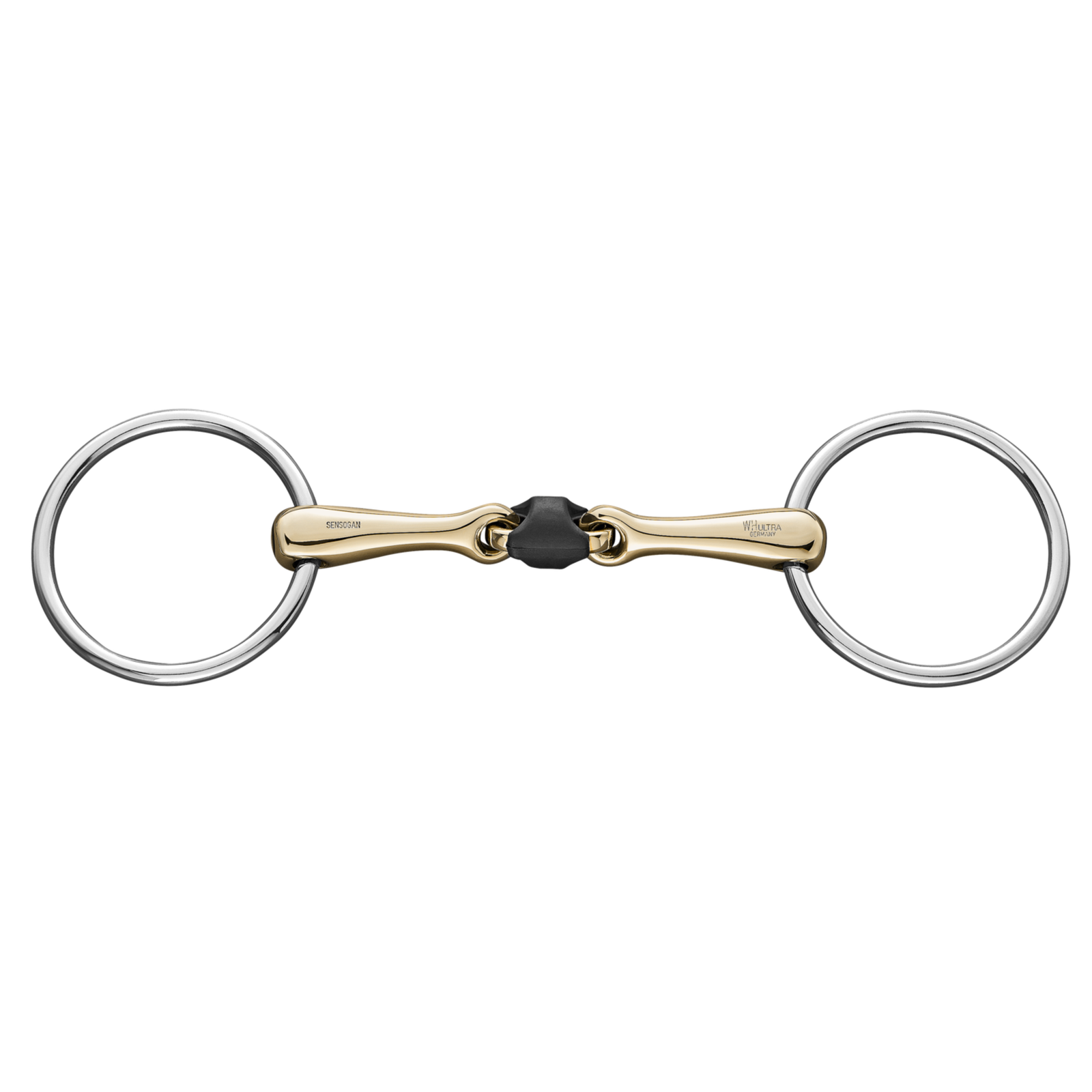
Sprenger
Sprenger WH Ultra Soft 16mm Sensogan
incl. 19% VAT, plus shipping
In stock now · delivery in 3–5 days
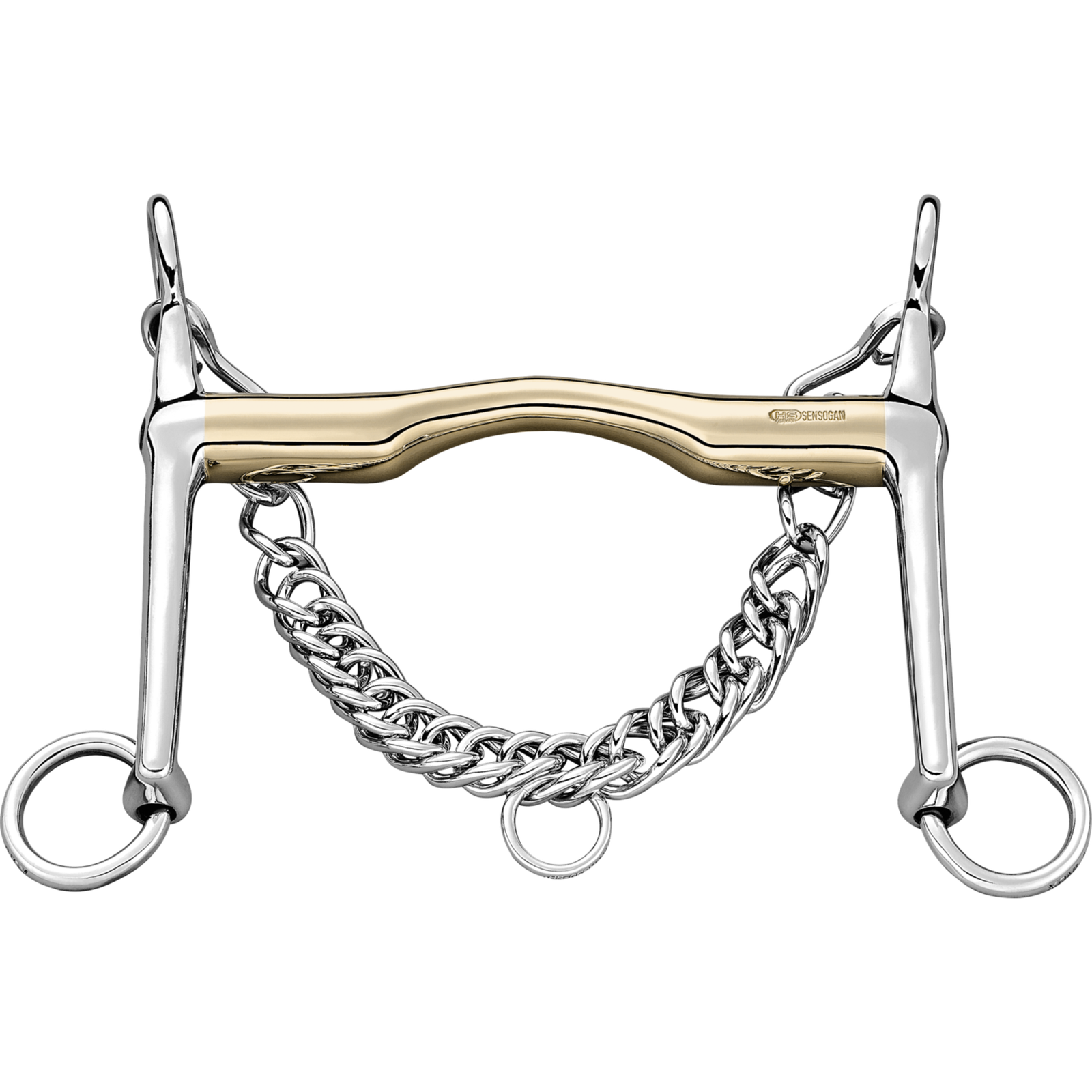
Sprenger
Sprenger FC Curb Bit Long Cheeks 16mm Stainless Steel
incl. 19% VAT, plus shipping
In stock now · delivery in 3–5 days
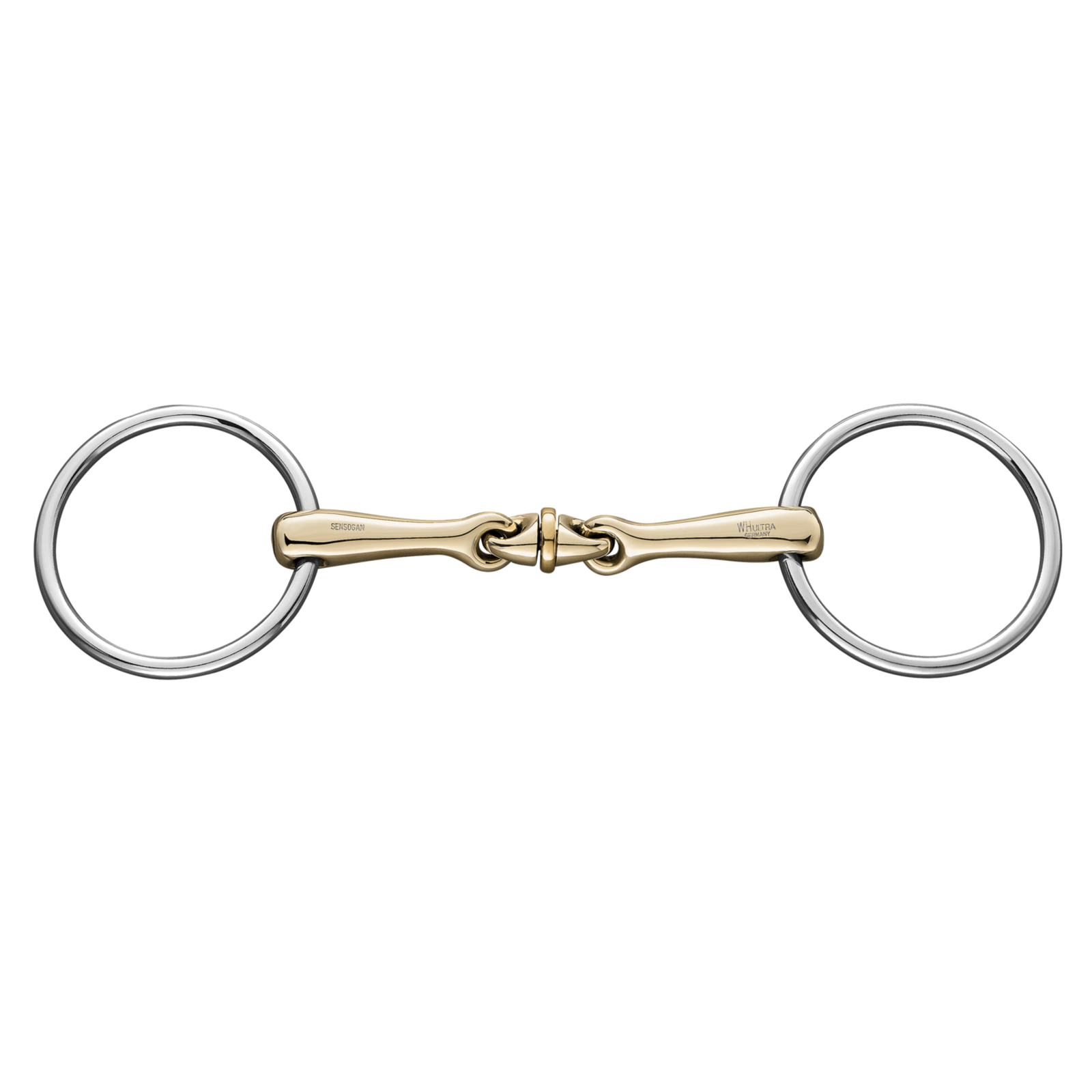
Sprenger
Sprenger WH Ultra 16mm Sensogan
incl. 19% VAT, plus shipping
In stock now · delivery in 3–5 days
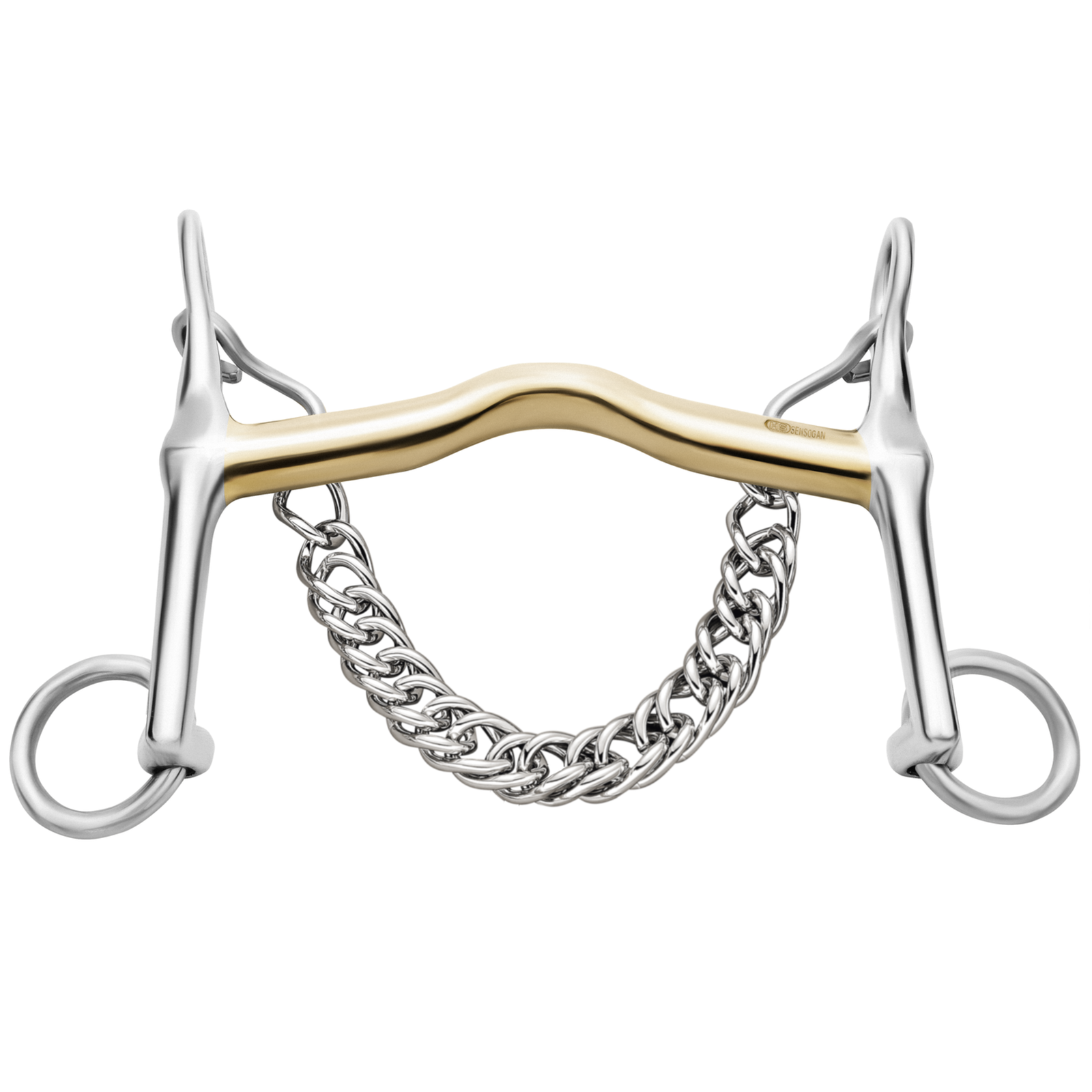
Sprenger
Sprenger novocontact Curb Bit Short Cheeks 14mm
incl. 19% VAT, plus shipping
In stock now · delivery in 3–5 days
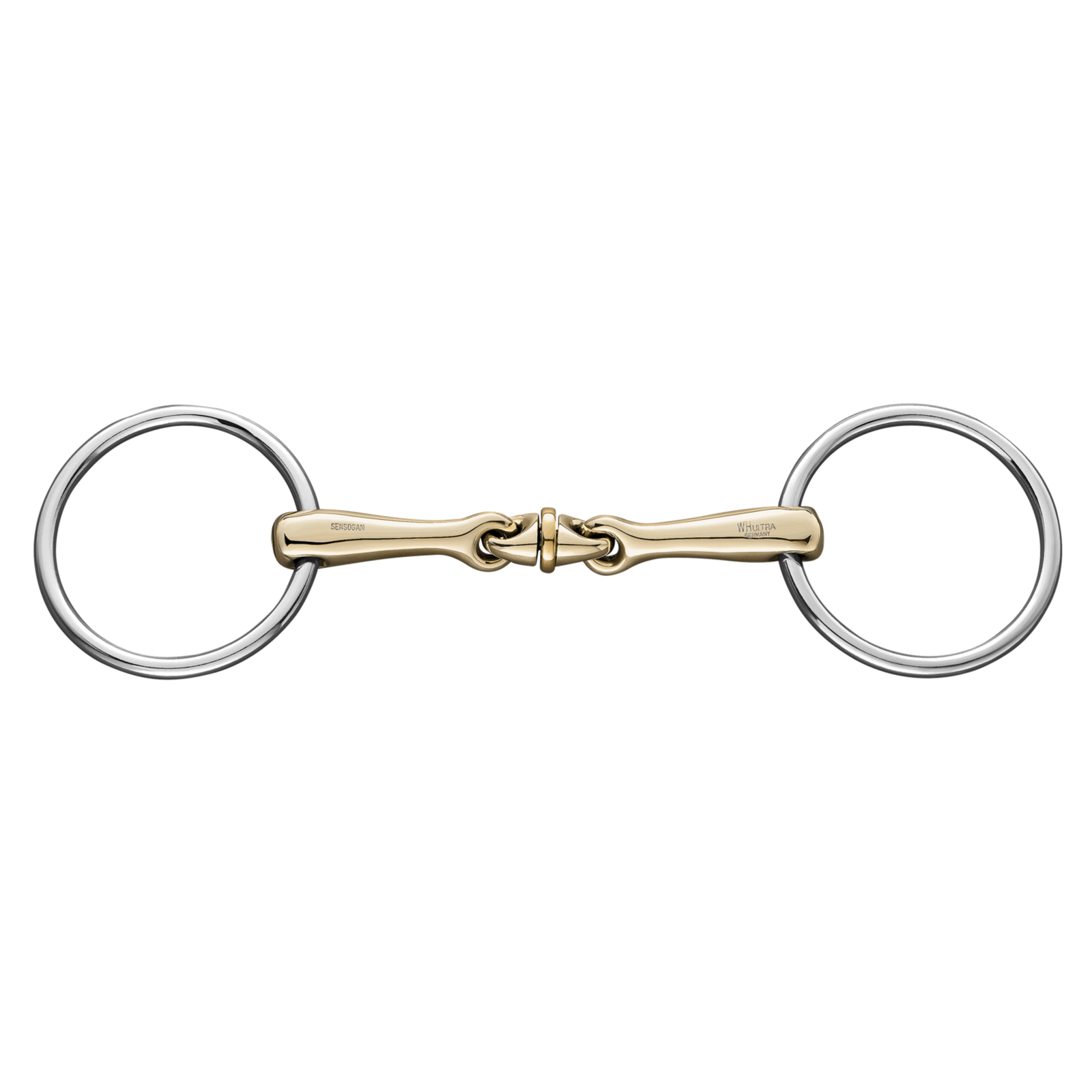
Sprenger
Sprenger WH Ultra 18mm Sensogan
incl. 19% VAT, plus shipping
In stock now · delivery in 3–5 days
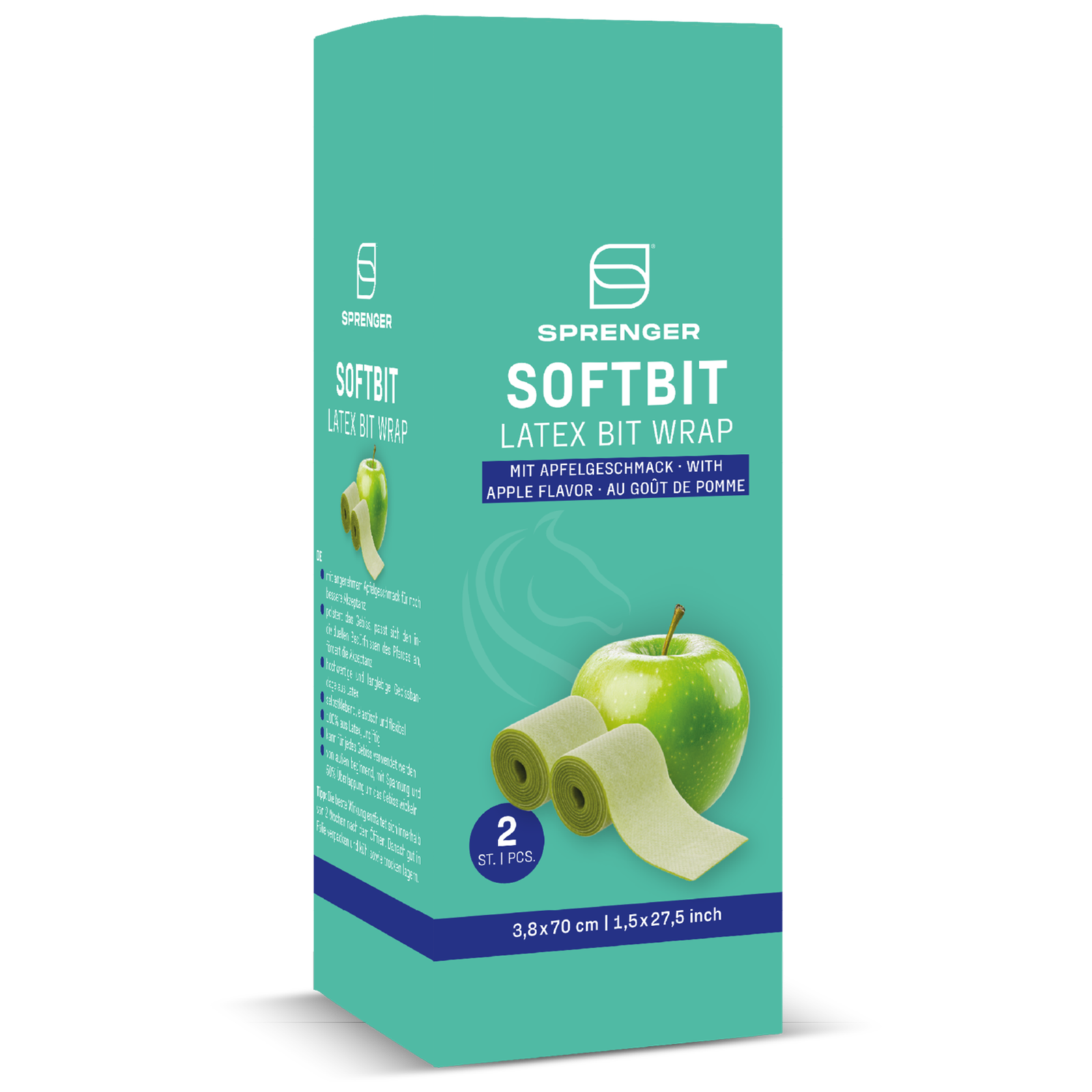
Sprenger
Sprenger Softbit Latex Bandage Apple Flavour
incl. 19% VAT, plus shipping
In stock now · delivery in 3–5 days
All 100 products
take a look