
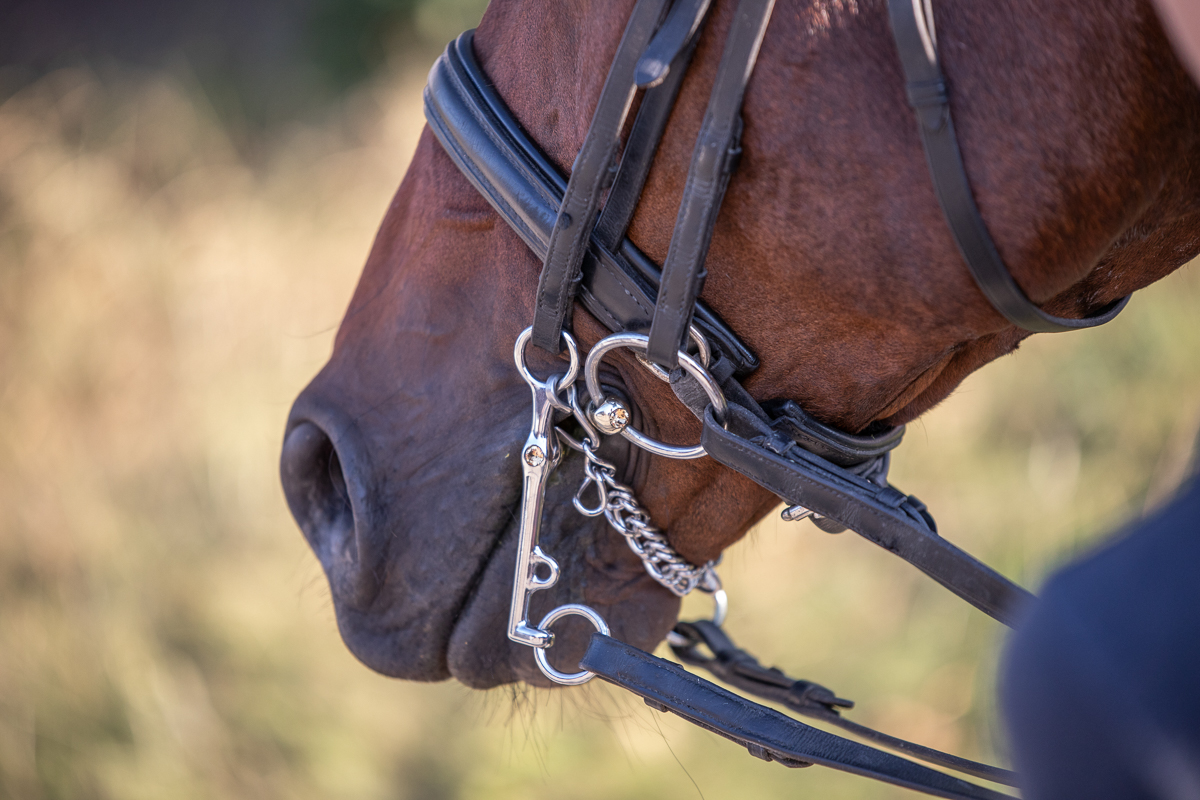
Which bit suits my horse? A guide to snaffle bits
Loose ring snaffle or eggbutt, single or double jointed, stainless steel or copper alloy: we explain the basics of choosing a bit and why there is no one best bit.
Is there one best bit for every horse?
No, there is no bit that suits every horse, and anyone promising you a miracle bit should make you sceptical. The right choice depends on the individual horse: on the shape of its mouth, its level of training and, very importantly, on the rider’s hand on the reins. No material and no ring shape can replace a quiet rider’s hand and solid schooling.
The German Equestrian Federation (FN) describes the bit as an important part of the connection between horse and rider that must fit the horse well. How little room there is in the mouth is shown by their data: after subtracting the thickness of the tongue, there is often only around 1.5 cm left. Anatomy, rideability and rider influence always interact. You can find an overview of our range under bits.
What does a snaffle bit act on in the horse’s mouth?
A snaffle bit mainly acts on the tongue, the bars of the lower jaw (the toothless edges of the jaw) and the corners of the mouth. Depending on the design, the pressure is distributed differently.
What is the difference between single jointed and double jointed?
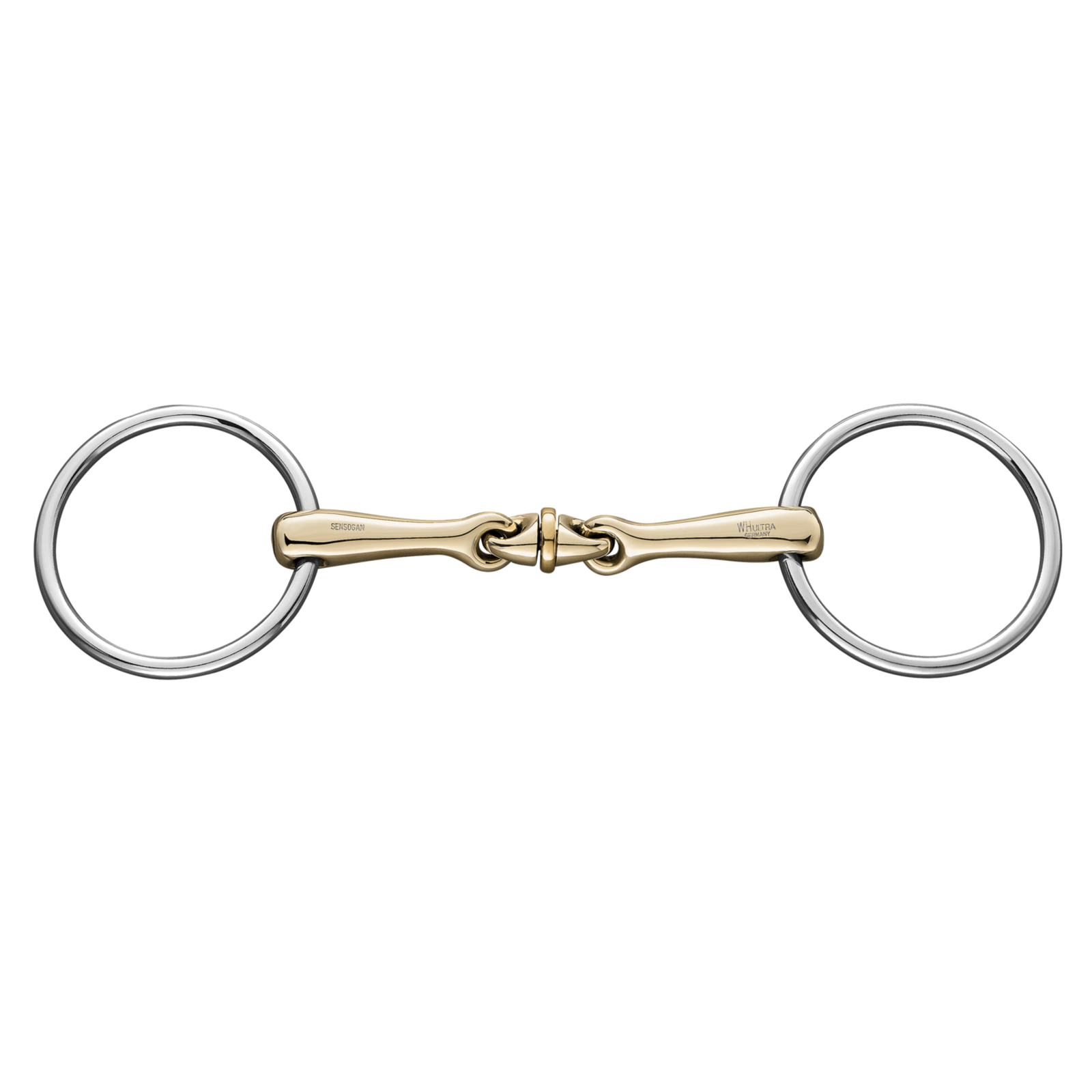
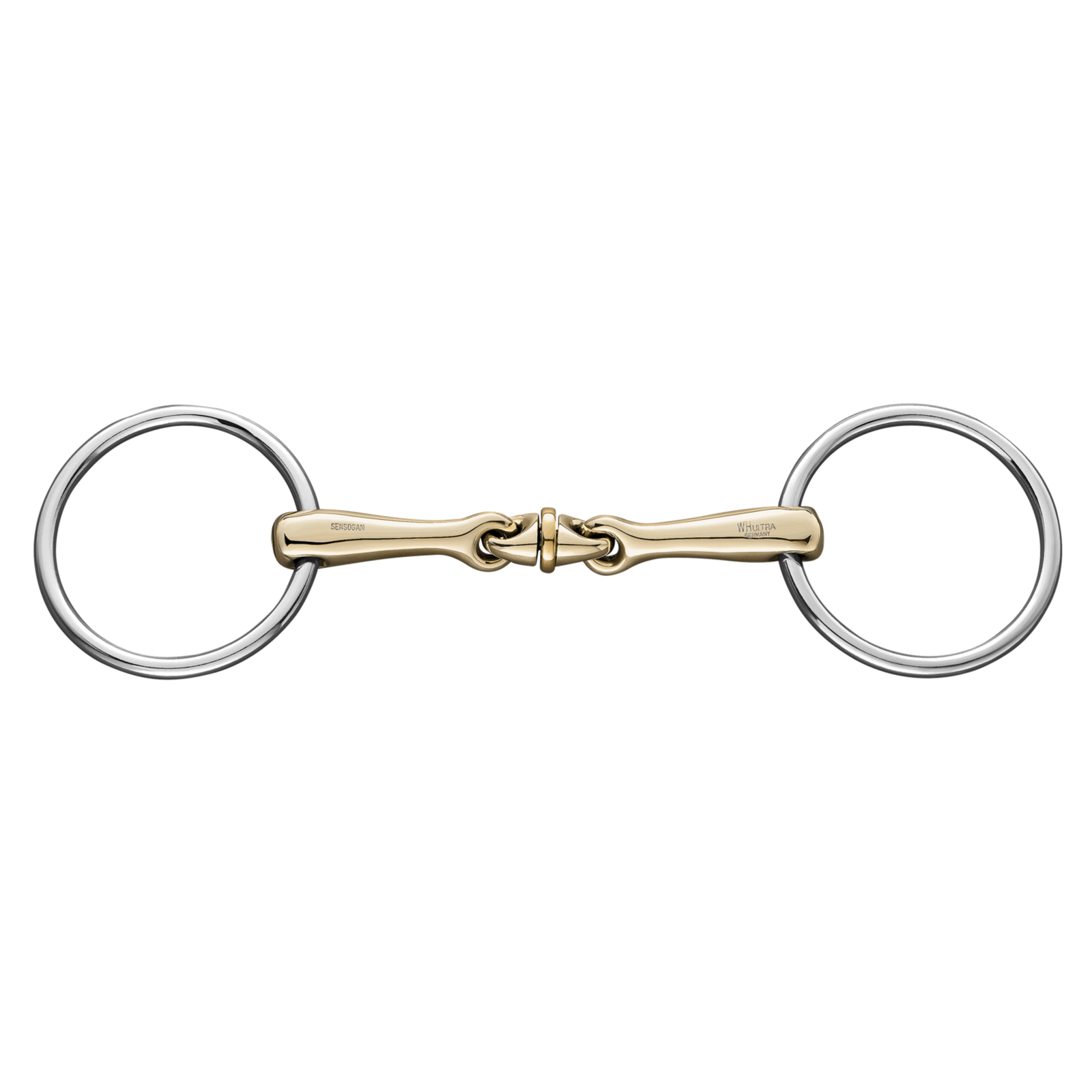
A single jointed bit has one joint in the middle, a double jointed bit has two joints with a small central piece between them.
Single jointed: It acts on the tongue and the bars of the lower jaw. One-sided rein aids are transmitted fairly independently of each other, and the horse can avoid the pressure by lifting the tongue slightly. According to specialist sources, the feared nutcracker effect mainly occurs with bits that are too long or too thick.
Double jointed: The mouthpiece lies closer around the tongue. Even when the rein is given, it can exert a light, uniform pressure that the horse is less able to avoid.
Which variant is better depends on the shape of the mouth and the horse’s preferences and cannot be answered in general terms. With a flatter palate, a double jointed bit can certainly be a sensible option.
Loose ring snaffle, eggbutt, D-ring or full cheek snaffle: which ring shape for what?
The ring shape mainly determines how much lateral guidance a bit provides and how still it lies in the mouth.
Loose ring snaffle: The classic with freely moving rings, single or double jointed. The rings must remain freely movable so that they do not pinch the corners of the mouth.
Eggbutt bit: Fixed, egg-shaped sides instead of loose rings. It lies more quietly in the mouth and gives more lateral guidance than a loose ring snaffle.
D-ring bit: Fixed, D-shaped rings limit lateral movement a little more
Full cheek snaffle: Long cheeks above and below give clear lateral guidance without leverage.
Whether a particular bit is allowed in competition is governed by the list of permitted equipment in the German competition rules (LPO) of the German Equestrian Federation (FN). Check these before you start.
Which bit material is the right one?
The material mainly influences how readily a horse chews and produces saliva, and nickel-free alloys are in demand for sensitive horses.
Stainless steel: Robust, easy to care for and neutral in taste. It does not additionally stimulate chewing.
Sensogan (Sprenger): A nickel-free alloy of copper, manganese and zinc and the further development of Aurigan. It contains less copper than its predecessor, is intended to specifically stimulate chewing activity and warms up quickly. According to the manufacturer, the bits have been toxicologically tested.
Aurigan (Sprenger): A nickel-free alloy of copper, silicon and zinc that is intended to stimulate saliva production and chewing activity.
Sweet Copper (Stübben): A nickel-free material with around 90 percent copper. The slightly sweet taste is intended to promote chewing.
You can find out more about one of the best-known bit manufacturers on our page for the brand Sprenger.
How do I find the right bit size and thickness?
A bit fits in width if there are only a few millimetres of space between the corner of the mouth and the ring on each side, as a guideline about 5 mm. A leather strap or measuring tape that is placed in the mouth like a bit is suitable for measuring. Bits with fixed sides such as eggbutt or D-ring are often chosen half to a whole size smaller than a loose ring snaffle. If a bit is too long, it creates an unfavourable angle in the mouth when the reins are taken up. If it is too short, it pinches the lips.
For thickness the following applies: thicker is not automatically softer. The German Equestrian Federation (FN) warns that a mouthpiece that is too thick can press on the sensitive palate. A first guideline is the two-finger test: if you feel clear pressure with your index and middle finger at the point where the bit lies, there is little room and a rather slim mouthpiece is sensible. If in doubt, your vet or equine dentist can help at the next dental check.
When does a curb bit come into play?
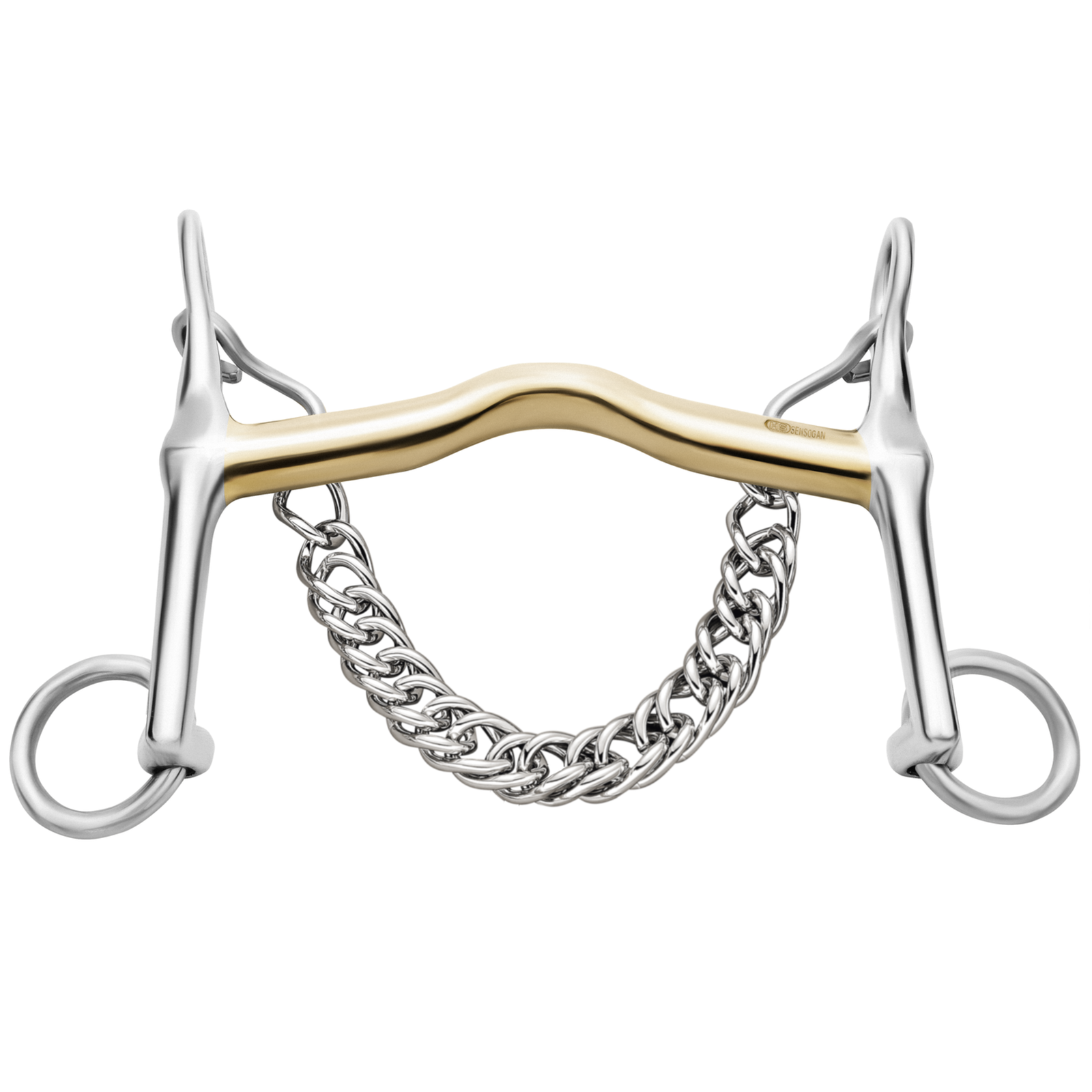
The curb bit is used in more advanced dressage together with a bradoon and two pairs of reins. It is an unjointed bar bit with shanks and a curb chain and acts through leverage on the poll, the lower jaw and the chin groove. It belongs in experienced hands and presupposes a horse that already responds reliably to the aids. The curb bit is usually chosen half to a whole size smaller than the bradoon. You will find bridles in our bridles and double bridles category.
How does Ahrens Reitsport help me choose a bit?
In our bit fitting, Julia Lühr looks at your horse together with you at your yard. Sprenger test bits are used so that you can test first and then buy.
Through our Sprenger Test Centre, you can take selected bits and curb bits home with you against a deposit and try them out in your usual training before you decide. We answer questions by phone on +49 4109 252173 or via our contact page.
Personal advice in Tangstedt
From our range
Matching products
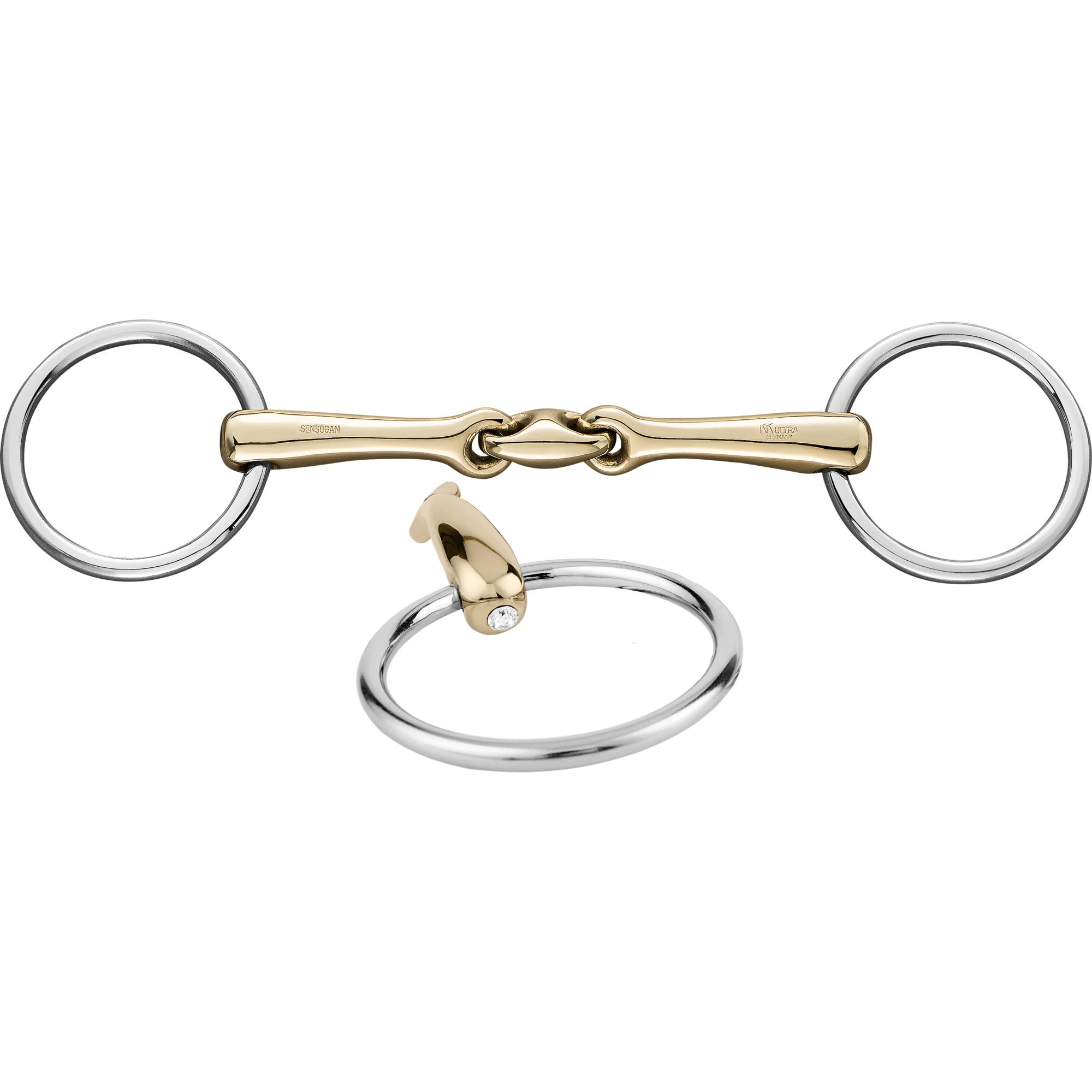
Sprenger
Sprenger Dynamic RS double jointed 16mm Sensogan + Swarovski crystal
incl. 19% VAT, plus shipping
In stock now · delivery in 3–5 days

Sprenger
Sprenger Dynamic RS double jointed 16mm Sensogan + Swarovski light topaz
incl. 19% VAT, plus shipping
In stock now · delivery in 3–5 days
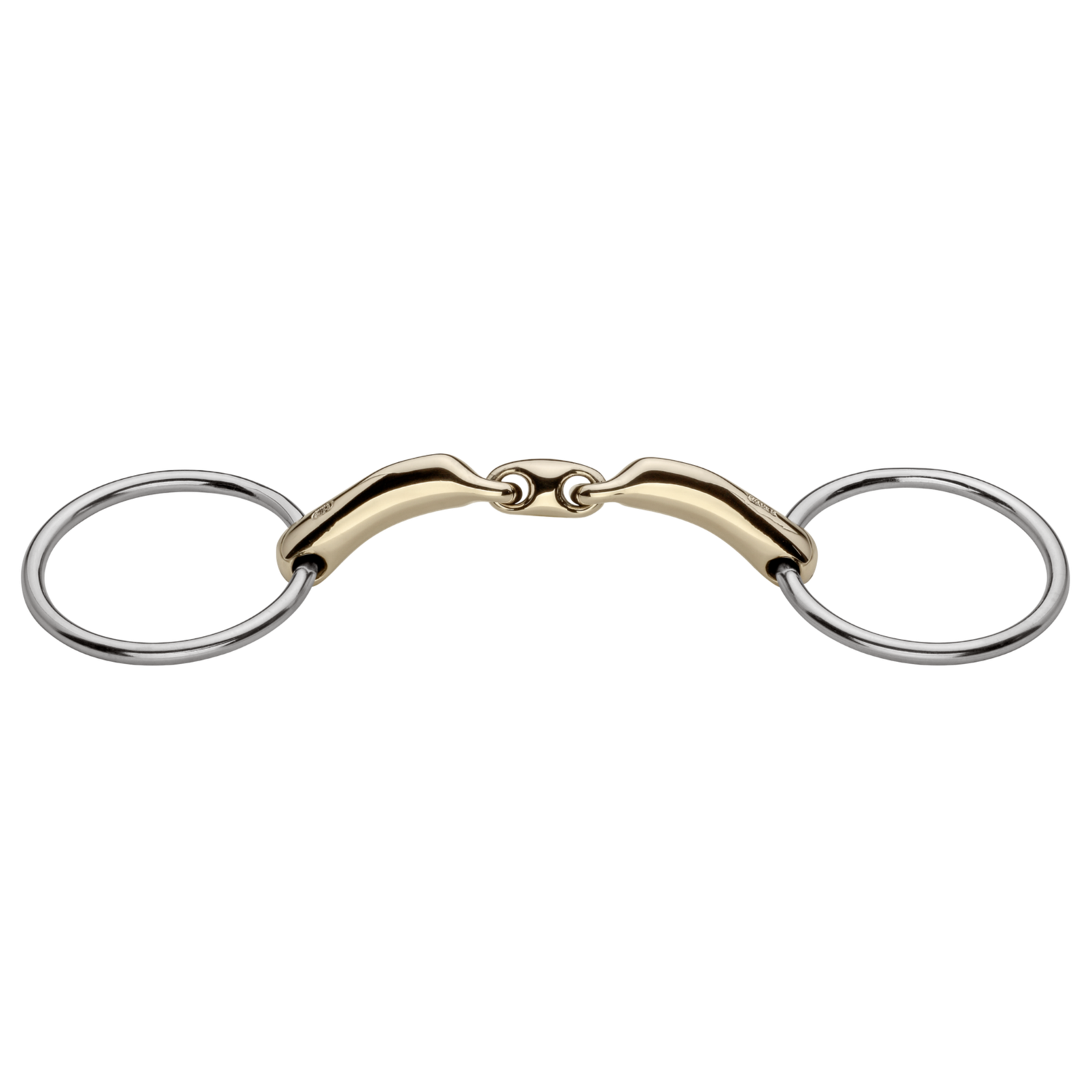
Sprenger
Sprenger novocontact double jointed 14mm Sensogan
incl. 19% VAT, plus shipping
In stock now · delivery in 3–5 days
Sprenger
Sprenger novocontact single jointed 14mm Sensogan
incl. 19% VAT, plus shipping
In stock now · delivery in 3–5 days
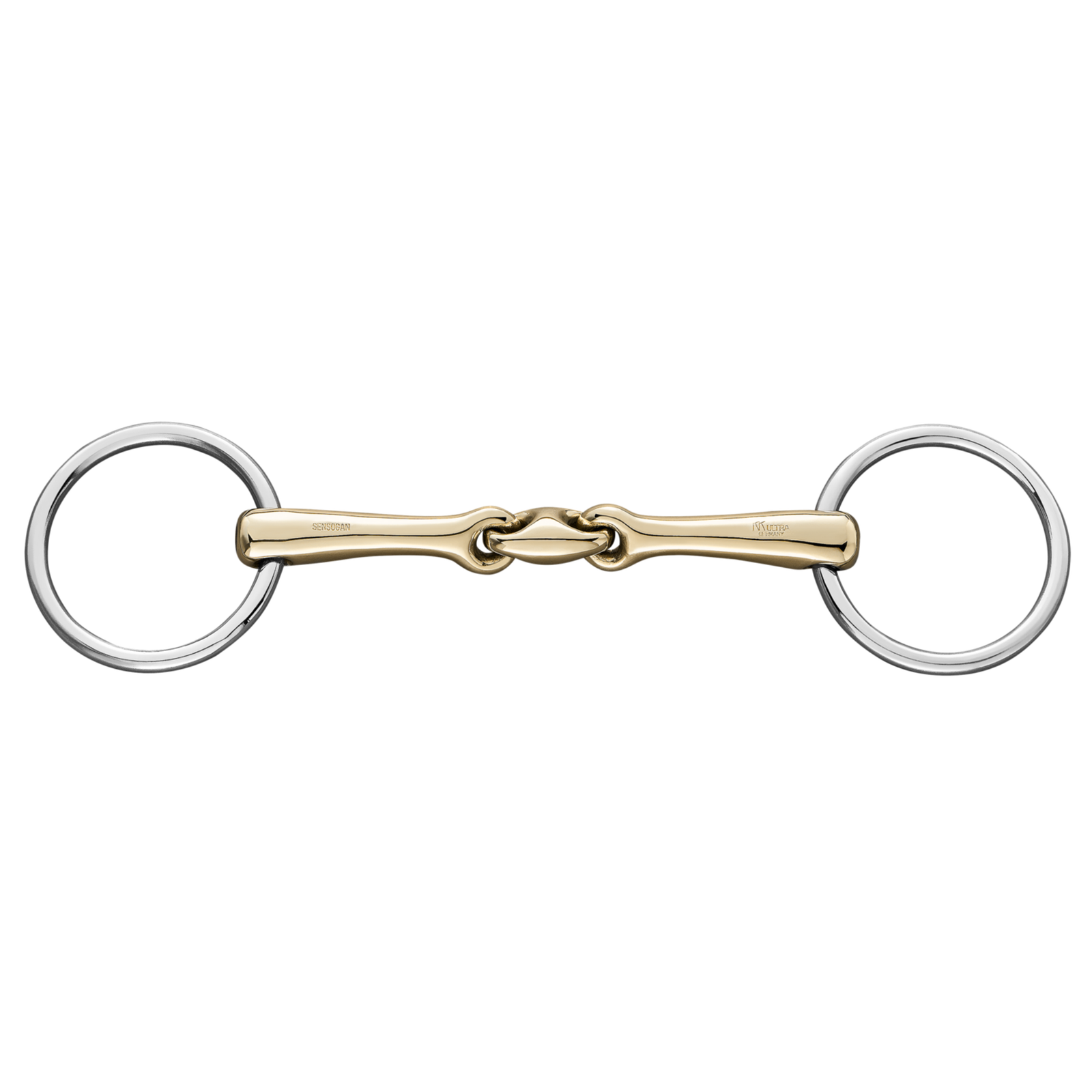
Sprenger
Sprenger KK Ultra Bradoon 16mm Sensogan
incl. 19% VAT, plus shipping
In stock now · delivery in 3–5 days
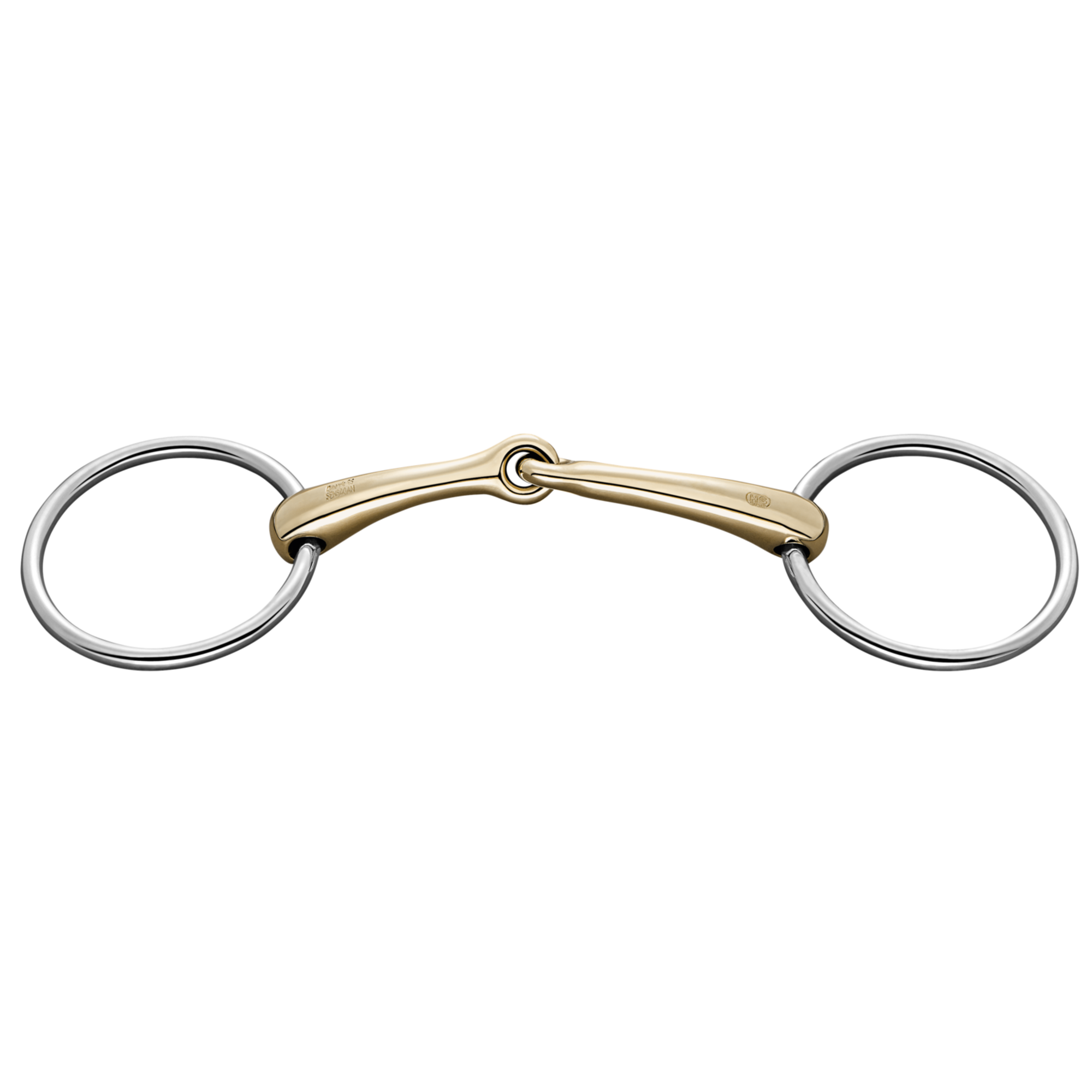
Sprenger
Sprenger Dynamic RS single jointed 14 mm Sensogan
incl. 19% VAT, plus shipping
In stock now · delivery in 3–5 days
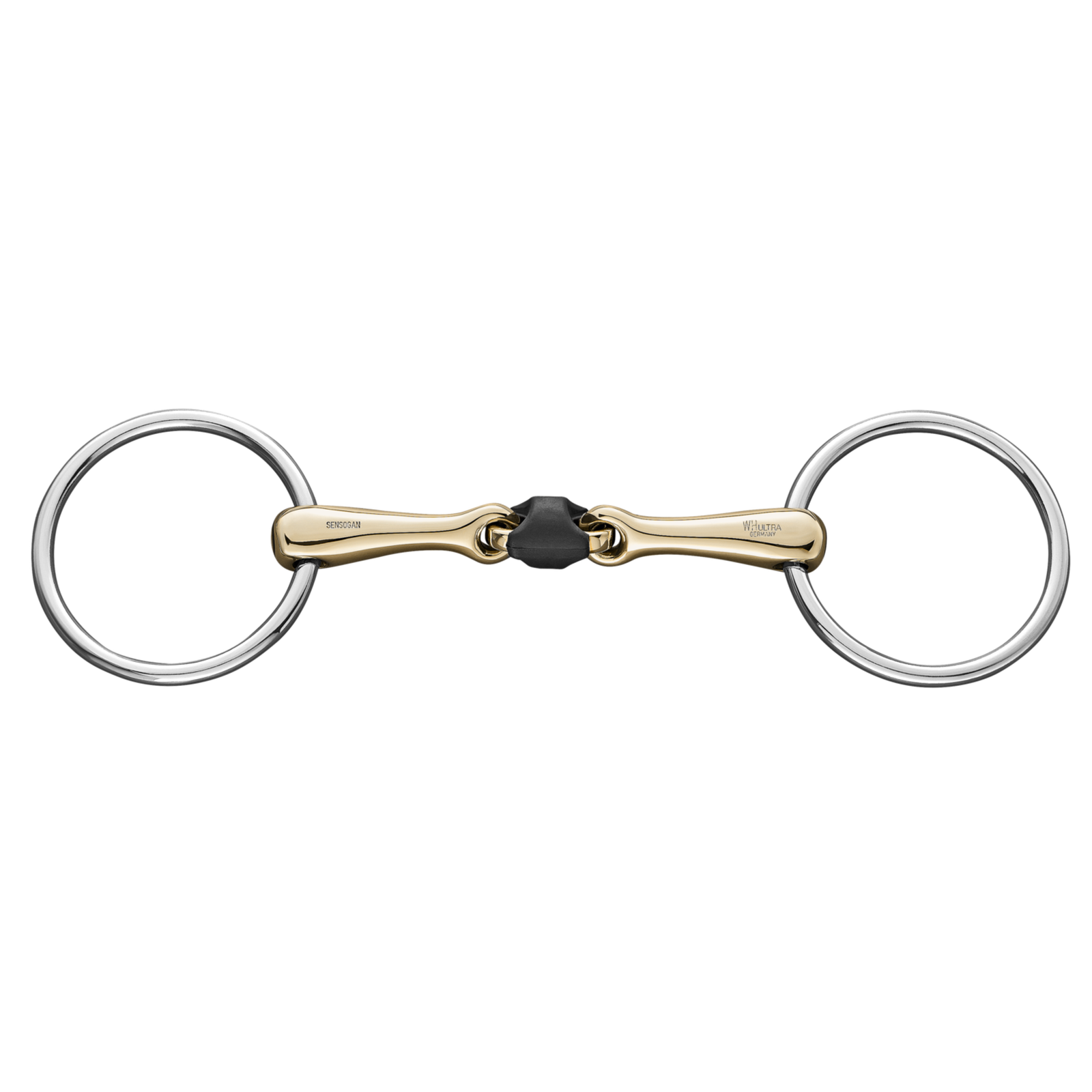
Sprenger
Sprenger WH Ultra Soft 16mm Sensogan
incl. 19% VAT, plus shipping
In stock now · delivery in 3–5 days
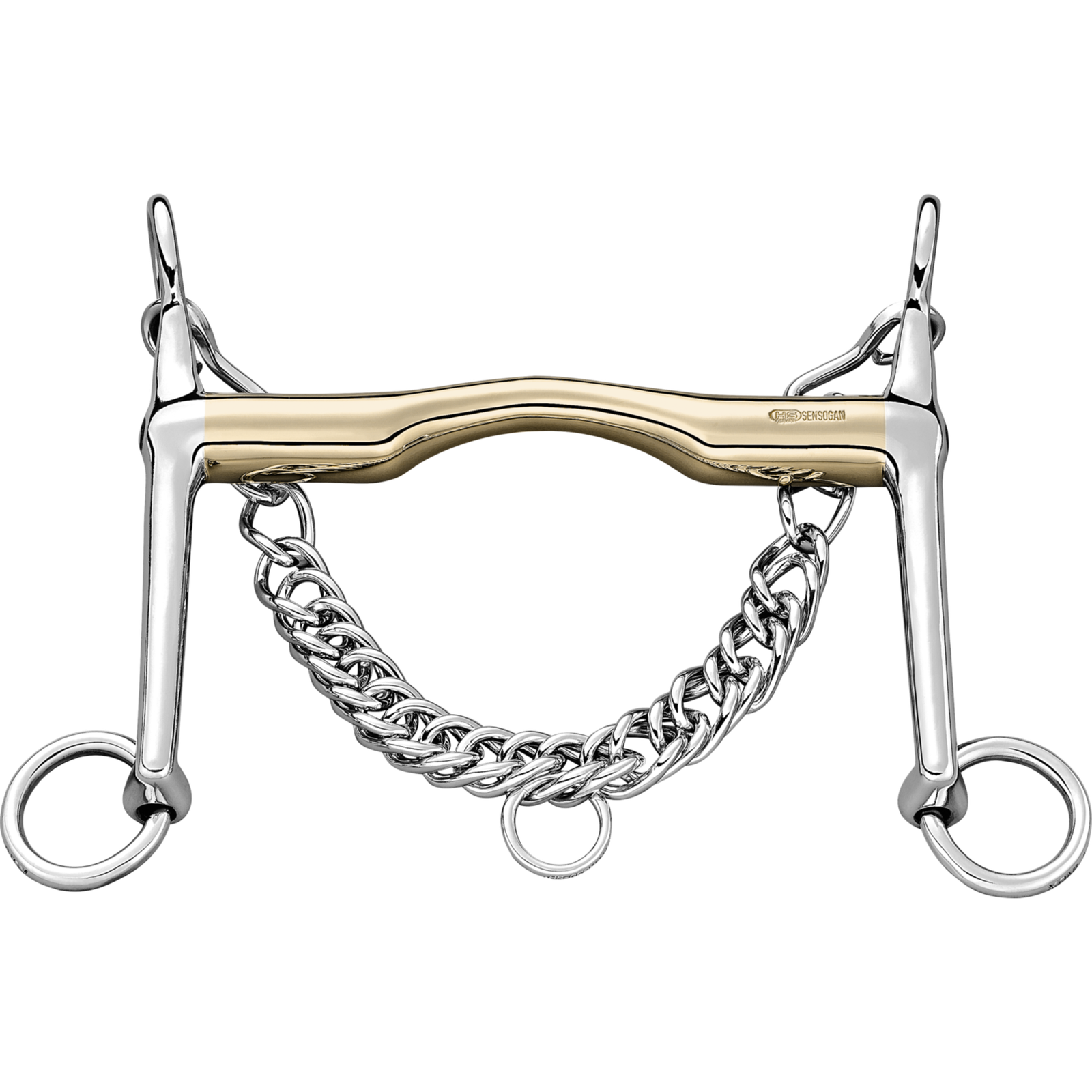
Sprenger
Sprenger FC Curb Bit Long Cheeks 16mm Stainless Steel
incl. 19% VAT, plus shipping
In stock now · delivery in 3–5 days
Sprenger
Sprenger WH Ultra 16mm Sensogan
incl. 19% VAT, plus shipping
In stock now · delivery in 3–5 days
Sprenger
Sprenger novocontact Curb Bit Short Cheeks 14mm
incl. 19% VAT, plus shipping
In stock now · delivery in 3–5 days
Sprenger
Sprenger WH Ultra 18mm Sensogan
incl. 19% VAT, plus shipping
In stock now · delivery in 3–5 days
Sprenger
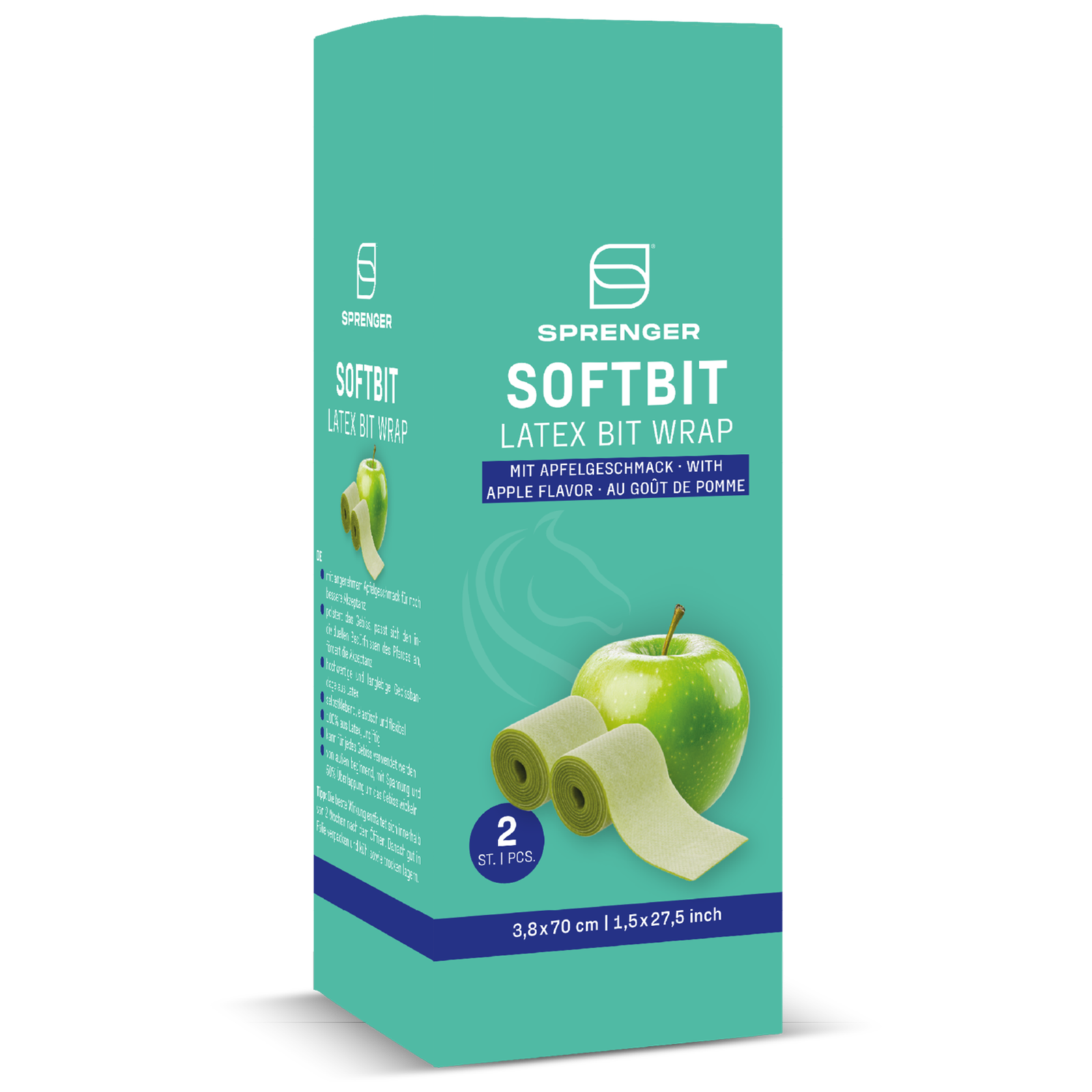
Sprenger Softbit Latex Bandage Apple Flavour
incl. 19% VAT, plus shipping
In stock now · delivery in 3–5 days
All 100 products
take a look