Questions about riding helmets
Here we answer the most frequent questions about riding helmets: size, fit, head shape, standards, lifespan and helmets for children. A riding helmet only offers proper protection if it meets the applicable EN 1384 standard and fits exactly. After a fall, or at the latest after a few years of use, it must be replaced.
By Julia Lühr, Ahrens Reitsport in Tangstedt · Updated
Which riding helmet size do I need and how do I measure my head circumference?
Your riding helmet size corresponds to your head circumference in centimetres, measured with a flexible tape at the widest part of the head, just above your eyebrows and ears. You then compare this measurement with the size chart of the relevant manufacturer.
Many helmets with a dial-fit system cover several centimetres, for example one size S to M for 55 to 57 cm. Helmets without a dial-fit system are available in individual sizes and must fit perfectly the first time you put them on. The measurement is only a starting point. Only trying the helmet on will show whether the internal shape suits your head.
More in our guide: Does my riding helmet fit properly? The fit check in six steps
How can I tell if my riding helmet fits correctly?
A riding helmet fits correctly if it stays firmly in place even with the chinstrap open while you shake your head vigorously and bend forwards. It sits central and level, just above your ears and about one to two finger widths above your eyebrows.
When you move the helmet slightly back and forth at the peak, your eyebrows should move with it. The closed chinstrap should allow space for about two fingers. If the helmet only presses in certain spots or just sits on the top of your head, then this model does not suit the shape of your head.
More in our guide: Does my riding helmet fit properly? The fit check in six steps
Which riding helmet suits my head shape, for example if I have a narrow head?
A suitable riding helmet for your head shape is one that encloses your head evenly all the way round without pressing in individual places. Heads are round or oval, and not every model suits every shape, even if the circumference is correct.
Individual pressure points when you try a helmet on are usually a sign that it is the wrong model. Going up a size will not solve the problem. This is why manufacturers use different outer shells and inner padding. If you have a narrow head, it is worth trying several brands one after the other, for example in our helmet fitting in Tangstedt.
More in our guide: Does my riding helmet fit properly? The fit check in six steps
Sources (2)
How long can you wear a riding helmet?
You should replace a riding helmet three to five years after first use, depending on how often you use it. This is the recommendation of the German Equestrian Federation (FN). An unused helmet will last for a maximum of eight years from the date of manufacture, which is shown as a date clock or sticker inside the helmet.
Individual manufacturers specify their own time limits, so the instructions for use of your particular model are decisive. Heat over 60 °C, for example on the parcel shelf in the car, strong UV radiation and chemicals cause the materials to age more quickly. Store the helmet in a cool, dry and dark place.
More in our guide: Riding helmet standards explained: EN 1384:2023, VG1 and when to replace a helmet
Do I have to replace my riding helmet after a fall?
Yes, after a fall or an impact on the helmet you should replace it, even if it looks intact from the outside. A riding helmet absorbs the impact because the shell and padding partially deform or are destroyed. This damage is often invisible.
According to the German Equestrian Federation (FN), this also applies if the helmet has fallen from your hand onto the floor. A helmet that has been previously damaged can no longer reliably absorb another impact. If you are unsure, have the helmet checked in a specialist shop.
More in our guide: Riding helmet standards explained: EN 1384:2023, VG1 and when to replace a helmet
What do I need to look out for when buying a riding helmet for my child?
A children’s riding helmet must meet the current EN 1384 standard and must fit exactly, so it must not be bought to “grow into”. A helmet that is too large does not provide sufficient protection at the moment of impact.
The German Equestrian Federation (FN) recommends in its parents’ guide a well-ventilated helmet with three- or four-point fastenings and adjustment straps, bought with advice in a specialist shop. Try the helmet on together with your child and check the fit regularly, because the head continues to grow slowly until puberty. For the first lessons you can ask the riding school about hire helmets.
More in our guide: Does my riding helmet fit properly? The fit check in six steps
Can I also wear a bicycle helmet for riding?
No, a bicycle helmet is not a substitute for a riding helmet, because it is not designed for a fall from a horse. The German Equestrian Federation (FN) expressly points this out. You usually fall from a significantly greater height from a horse than from a bicycle.
A riding helmet is tested in accordance with the riding helmet standard EN 1384 and must have a three- or four-point harness. For your first riding lessons you can ask the riding school about loan helmets. There are also inexpensive entry-level models that comply with the current European standard.
Which riding helmet is suitable for long hair?
For long hair, riding helmets with an opening at the back of the head are suitable, as you can pull your ponytail through this gap above the adjustment wheel. uvex, for example, explicitly describes this kind of cut-out as a comfort feature on some models.
It is important that your hairstyle does not change the fit. First check the fit with your hair down or in a low plait. A thick bun or twisted hair under the shell will create pressure points. For this reason you should measure and try on the helmet with the hairstyle you will also ride in.
More in our guide: Does my riding helmet fit properly? The fit check in six steps
Why do you wear a hairnet under a riding helmet?
A hairnet keeps long hair flat and tidy against your head so it does not form bumps under the helmet or change the fit. It also gives you the neat appearance that is standard at competitions.
A low plait in the hairnet that is fanned out flat across the back of the head has proved effective. Alternatively, you can put your hair into a low, flat bun in the nape of your neck that does not interfere with the harness. A hairnet with a smooth, knot-free seam avoids creating extra pressure points.
Sources (1)
What is MIPS and which riding helmets have MIPS?
MIPS is a low-friction sliding layer in the helmet that moves by about 10 to 15 mm in the event of an oblique impact and is intended to reduce rotational forces on the head. The manufacturer stresses that MIPS does not protect against all injuries either.
Riding helmets with MIPS are available from several brands. Uvex, for example, offers the exxential III MIPS. You can recognise the system by a yellow MIPS dot on the outside of the helmet and by the information on the packaging. MIPS complements the standard, but does not replace the correct fit.
Which riding helmet is the safest?
There is no single safest riding helmet. The safest helmet is one that meets the current EN 1384 standard and fits your head perfectly. A poorly fitting helmet can move out of place in a fall and lose its protective effect.
Helmets with several test standards have been tested for more types of impact. Independent guidance is provided by Virginia Tech in the USA. It assesses riding helmets with 16 laboratory tests in the STAR system according to how well they reduce the risk of concussion.
More in our guide: Riding helmet standards explained: EN 1384:2023, VG1 and when to replace a helmet
Is an expensive riding helmet safer than a cheap one?
Not automatically, because every riding helmet with a valid standard has passed the same minimum tests. According to the helmet system provider MIPS, adequate protection does not depend on a high price.
The German Equestrian Federation (FN) points out that there are entry-level models that comply with the current European standard. More expensive helmets often offer additional features such as rotational protection, multiple test standards, finer adjustment systems or washable padding. In every price range the decisive factor is still that the helmet fits perfectly.
Which standard does a riding helmet have to meet at a competition?
At competitions under the German competition rules (LPO) you must wear a riding helmet that complies with the European standard EN 1384 with a three- or four-point harness. The current version is EN 1384:2023.
Helmets certified according to the former transitional regulation VG1 01.040 2014-12 are still accepted depending on their date of manufacture. However, the Social Insurance for Agriculture, Forestry and Horticulture (SVLFG) points out that such helmets must be replaced by 2027 or 2028 at the latest. The applicable LPO in its current version is always decisive.
More in our guide: Riding helmet standards explained: EN 1384:2023, VG1 and when to replace a helmet
Can I buy a used riding helmet?
Experts advise against buying a used riding helmet, because you do not know whether it has already been involved in a fall or has received an impact. Damage to the outer shell and the padding is often not visible, but it significantly reduces the level of protection.
Age is another factor: the German Equestrian Federation (FN) recommends replacing a helmet after three to five years of use, and even an unused helmet will last at most eight years from the date of manufacture. With a used helmet, both of these points are difficult to check.
More in our guide: Riding helmet standards explained: EN 1384:2023, VG1 and when to replace a helmet
Can’t find your question?
Ask us: in our shop in Tangstedt, by phone on +49 4109 252173 or via the contact form. Personal advice is also available under Services.
From our range
Matching products
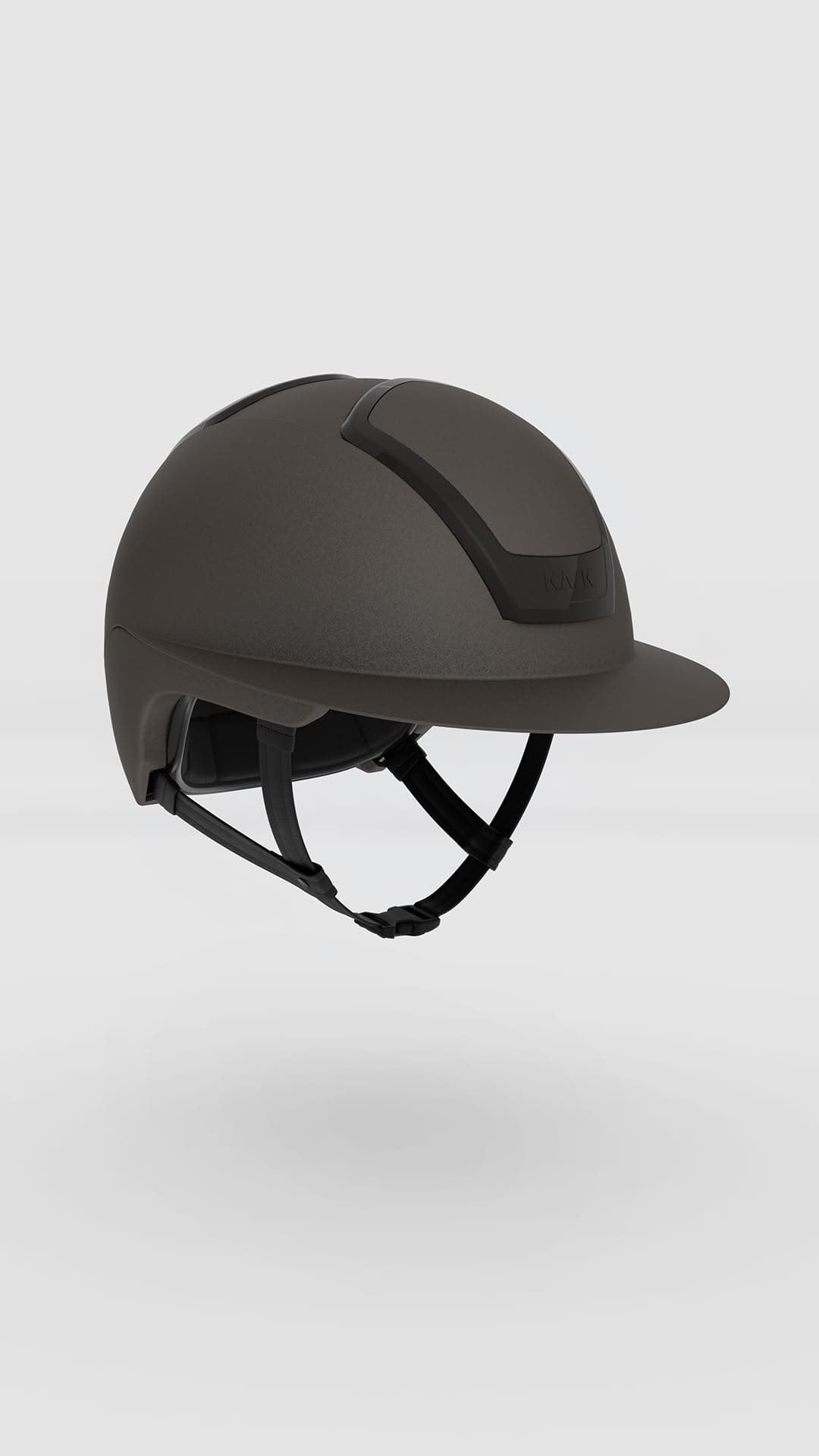
Kask
Kask Riding Helmet Nemesi ash brown
incl. 19% VAT, plus shipping
In stock now · delivery in 3–5 days
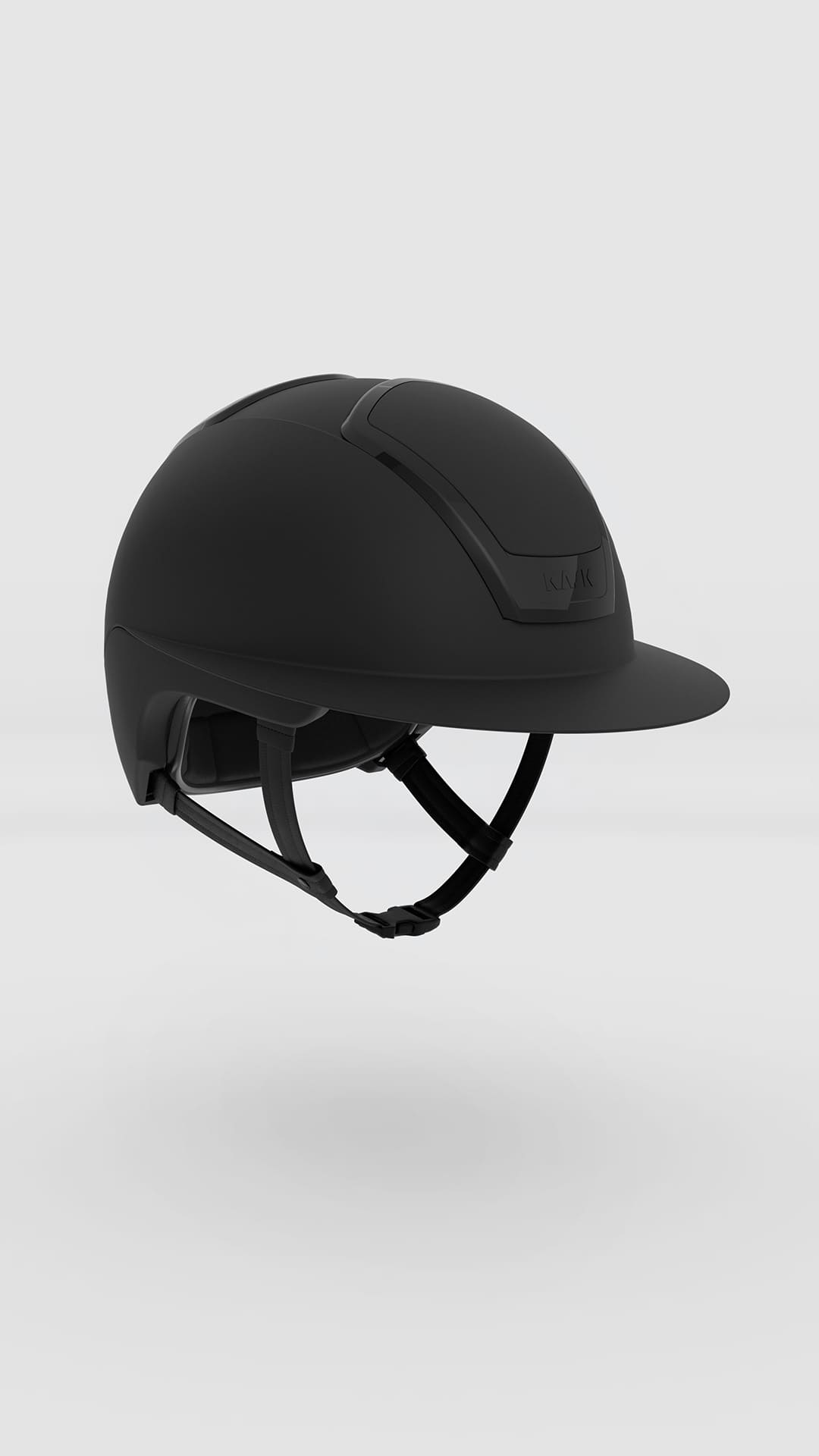
Kask
Kask Riding Helmet Nemesi smokey black
incl. 19% VAT, plus shipping
In stock now · delivery in 3–5 days
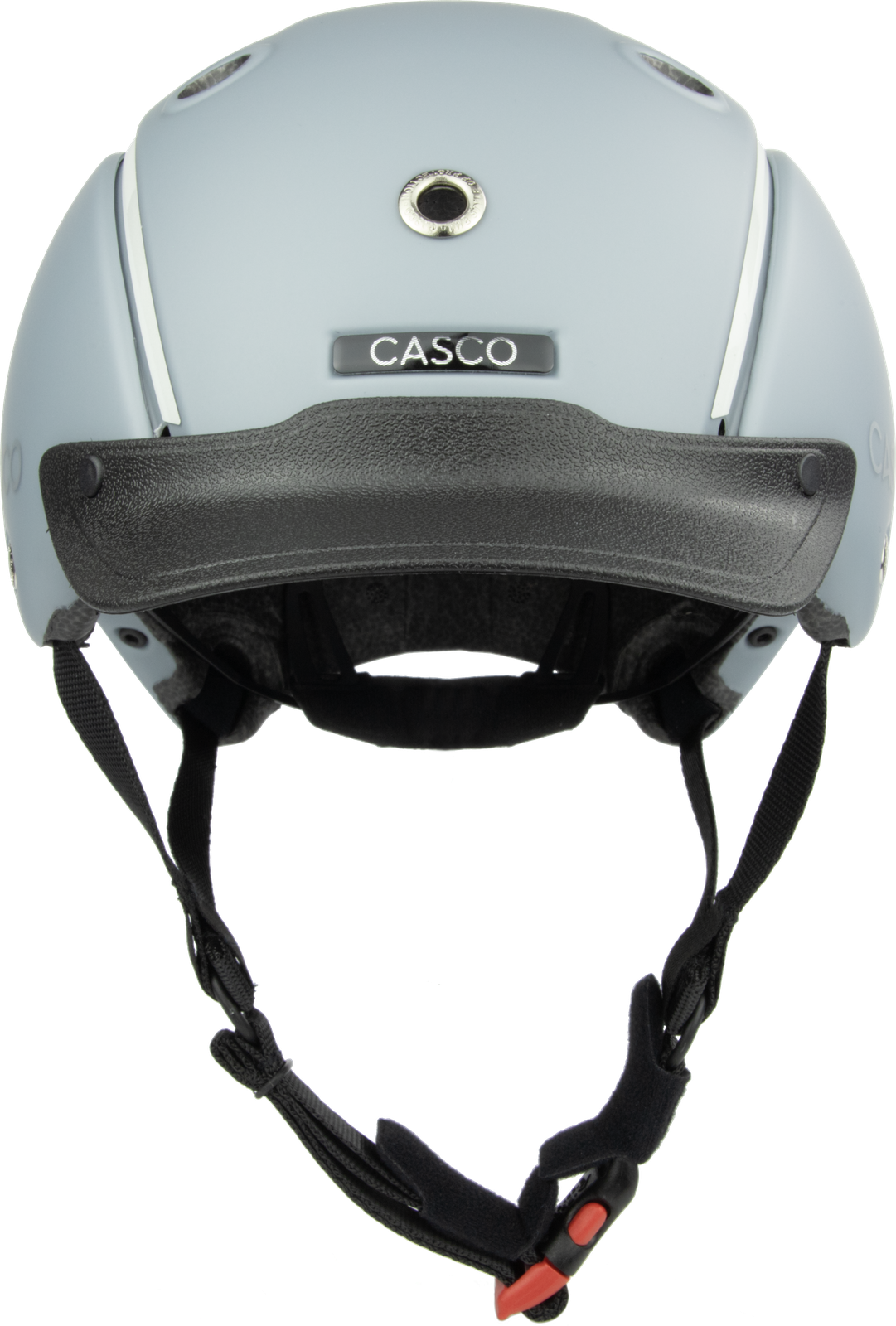
Casco
Casco Kids' Riding Helmet Nori Trail of Tales grey
incl. 19% VAT, plus shipping
In stock now · delivery in 3–5 days
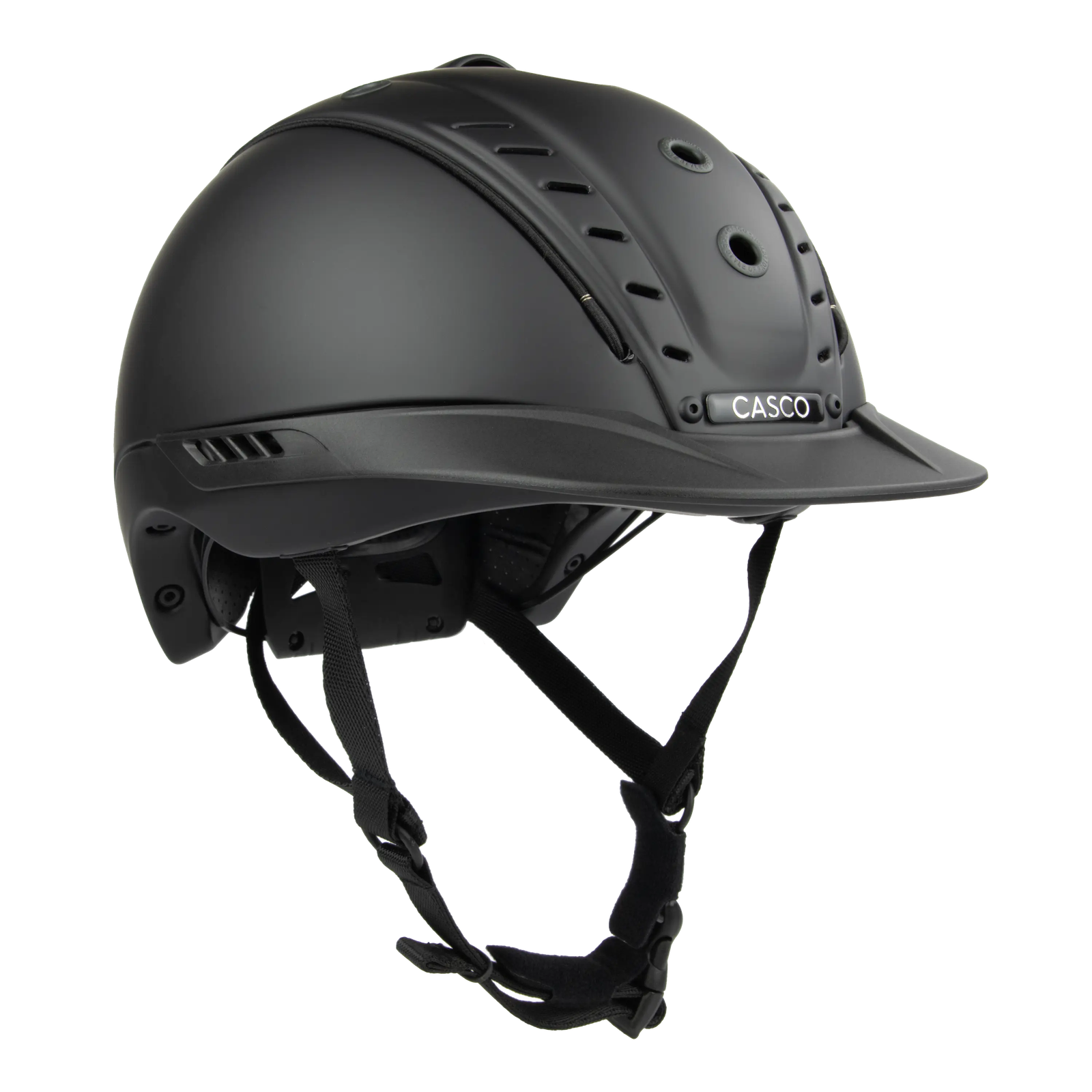
Casco
Casco Riding Helmet Mistrall 2 prime black
incl. 19% VAT, plus shipping
In stock now · delivery in 3–5 days
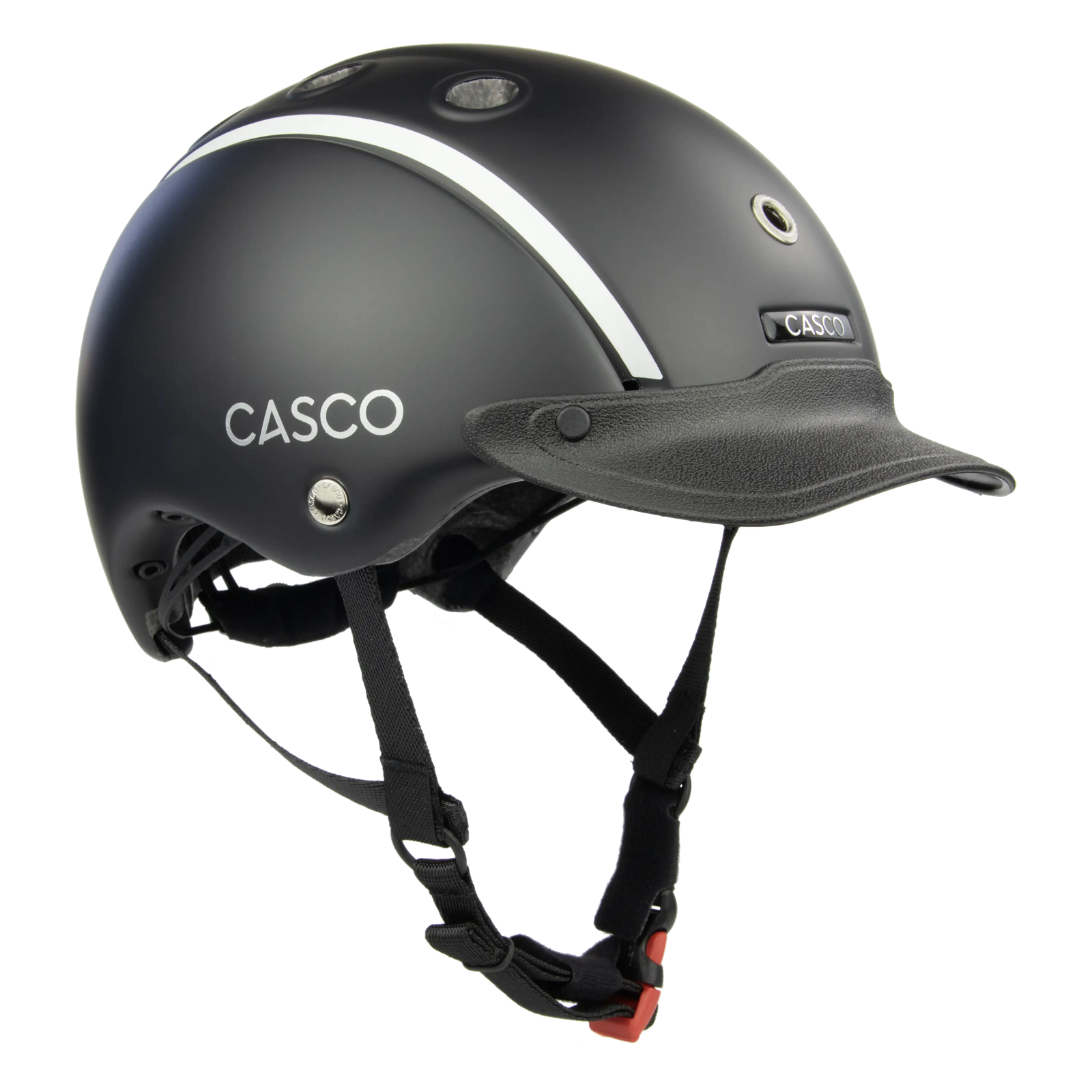
Casco
Casco Riding Helmet Choice prime black
incl. 19% VAT, plus shipping
In stock now · delivery in 3–5 days
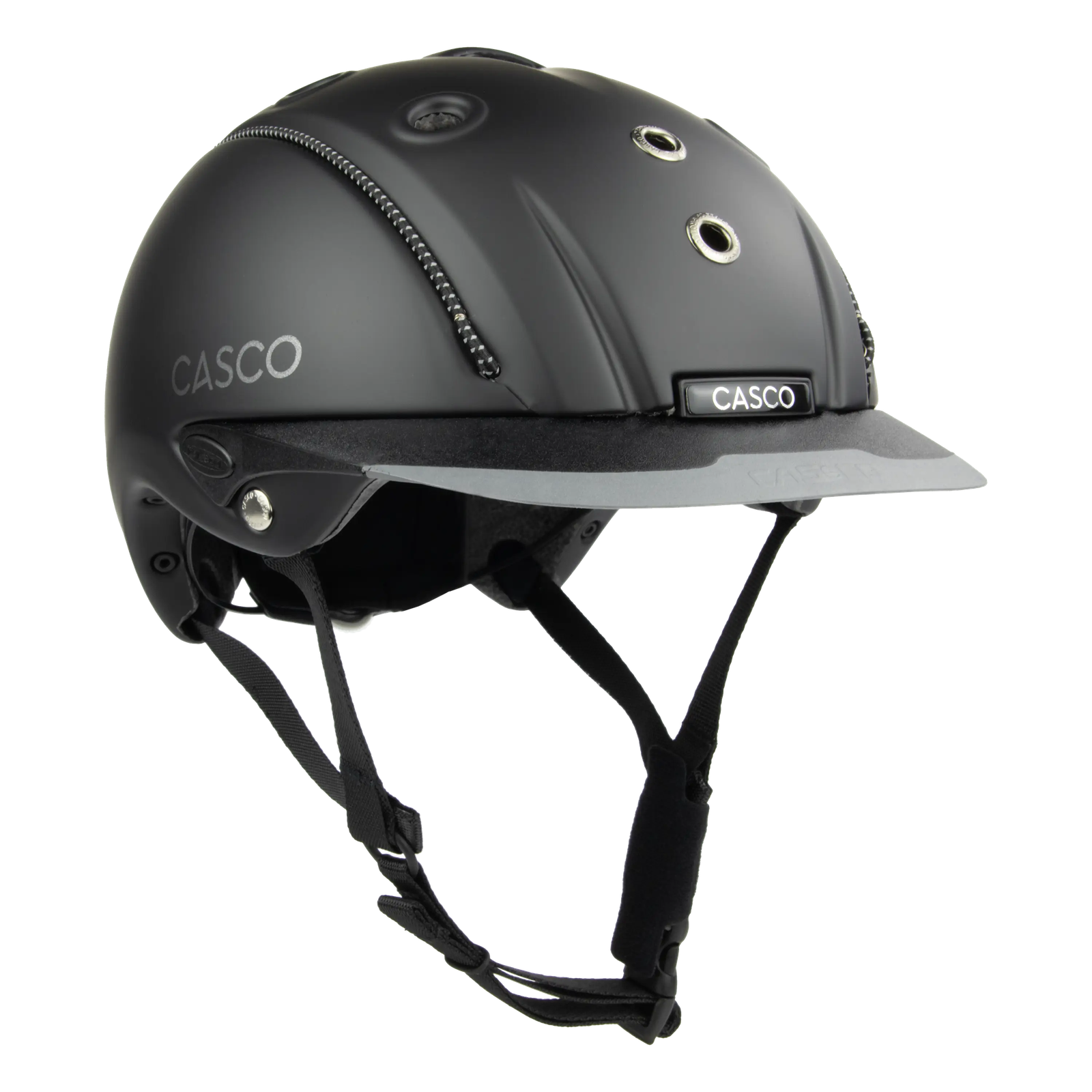
Casco
Casco Riding Helmet Mistrall prime black
incl. 19% VAT, plus shipping
In stock now · delivery in 3–5 days
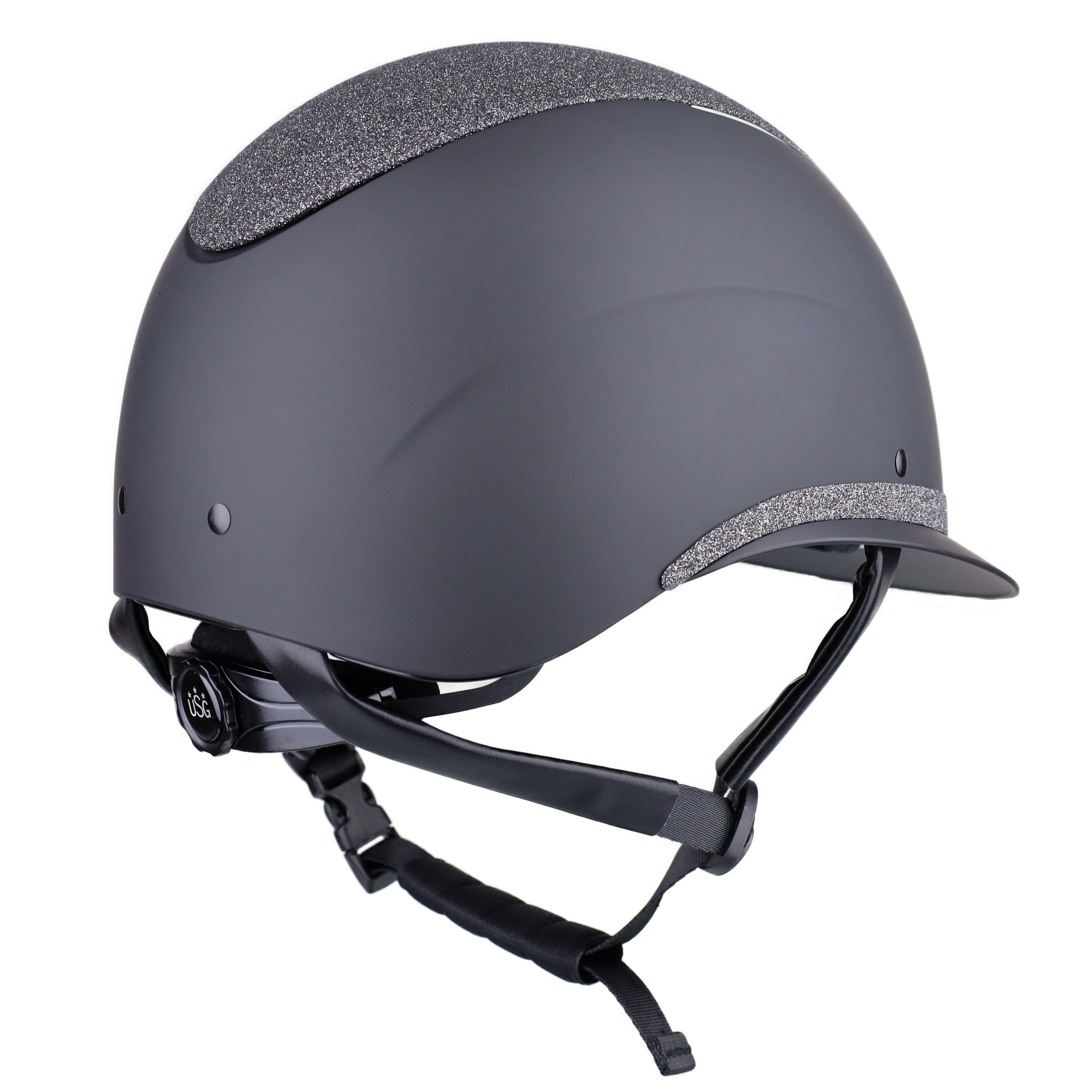
USG
USG Riding Helmet Comfort Sparkle
incl. 19% VAT, plus shipping
In stock now · delivery in 3–5 days
Casco
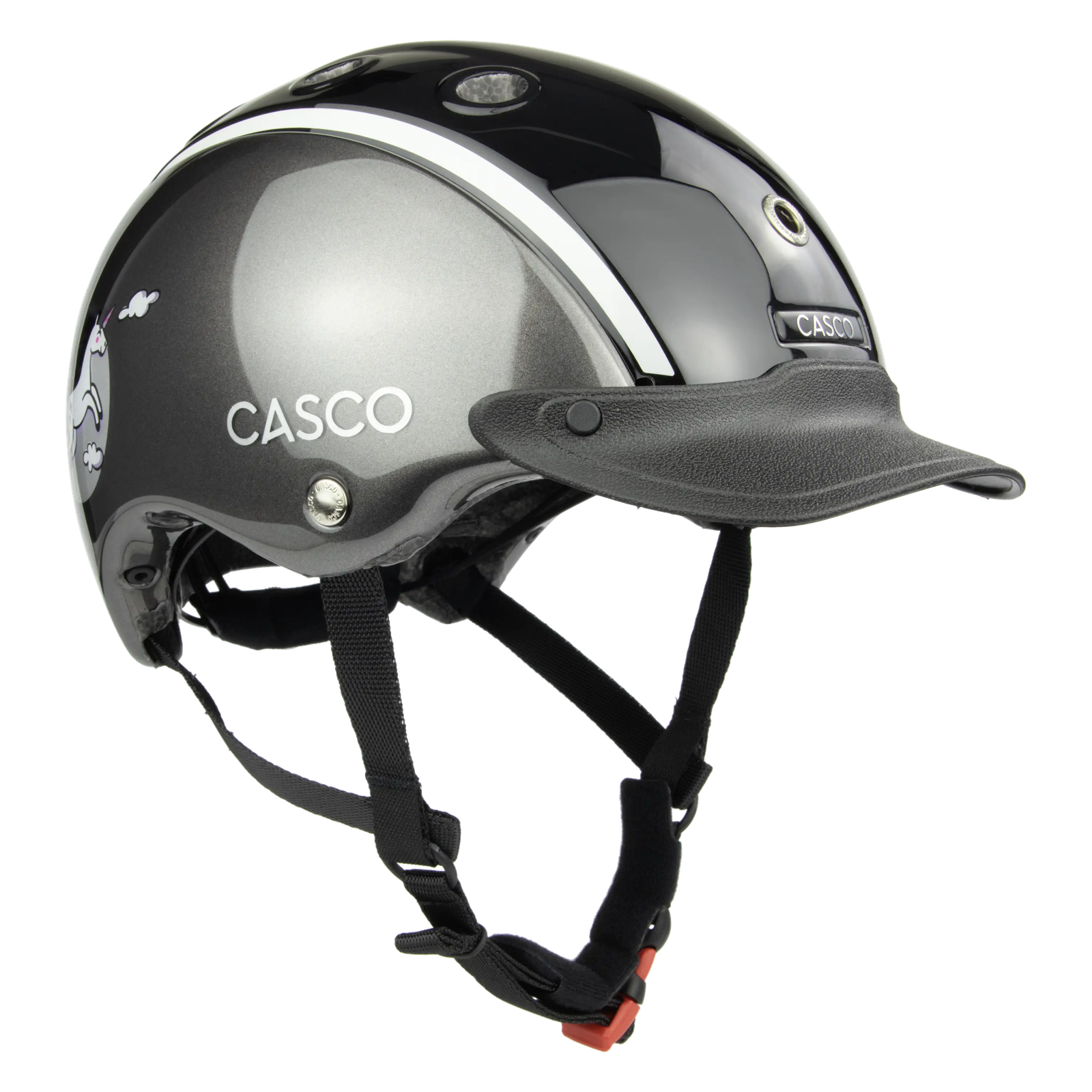
Casco Kids' Riding Helmet Nori Moonbeam anthracite
incl. 19% VAT, plus shipping
In stock now · delivery in 3–5 days
Casco
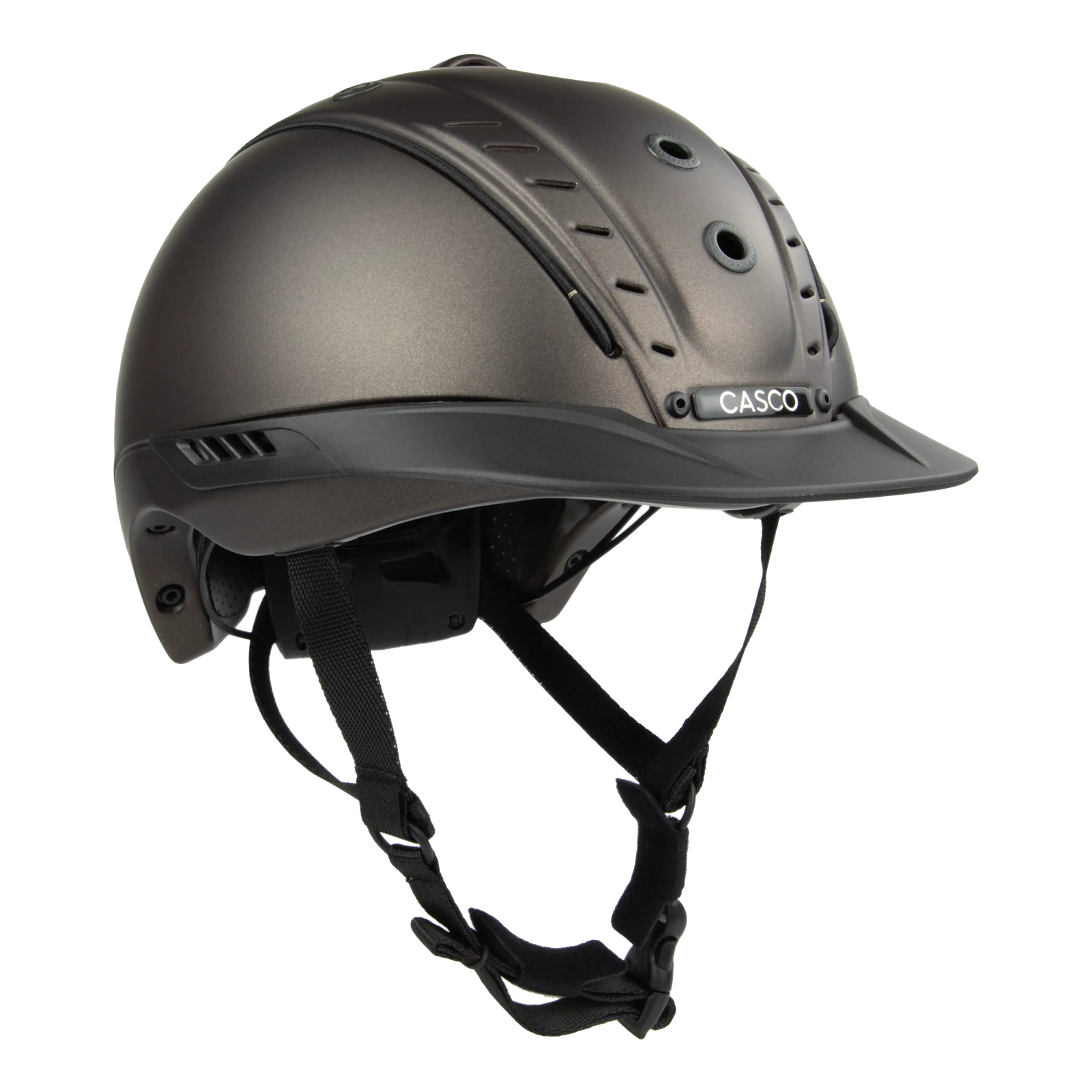
Casco Riding Helmet Mistrall 2 prime brown
incl. 19% VAT, plus shipping
In stock now · delivery in 3–5 days
Casco
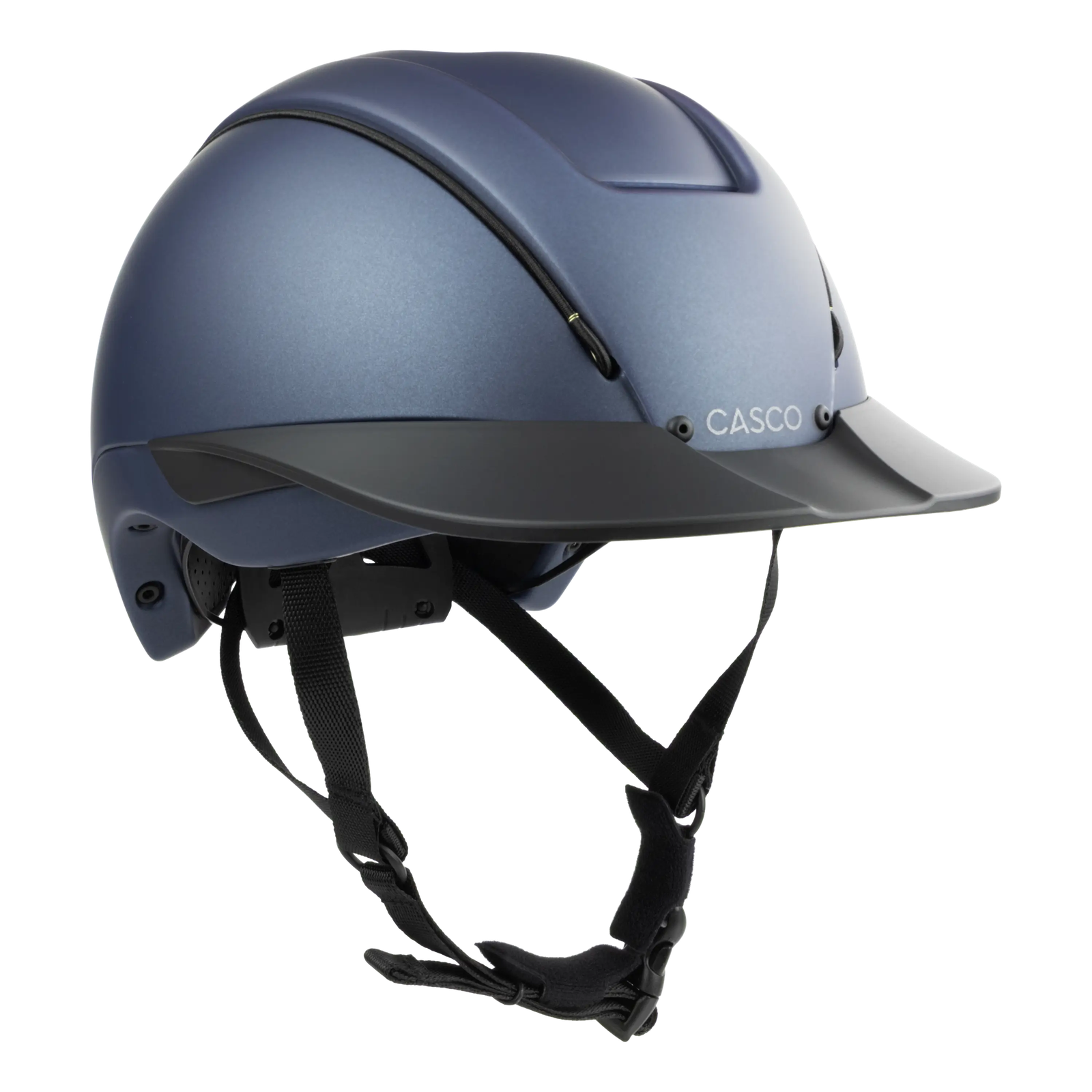
Casco Duell Prime Marentis Riding Helmet
incl. 19% VAT, plus shipping
In stock now · delivery in 3–5 days
Uvex
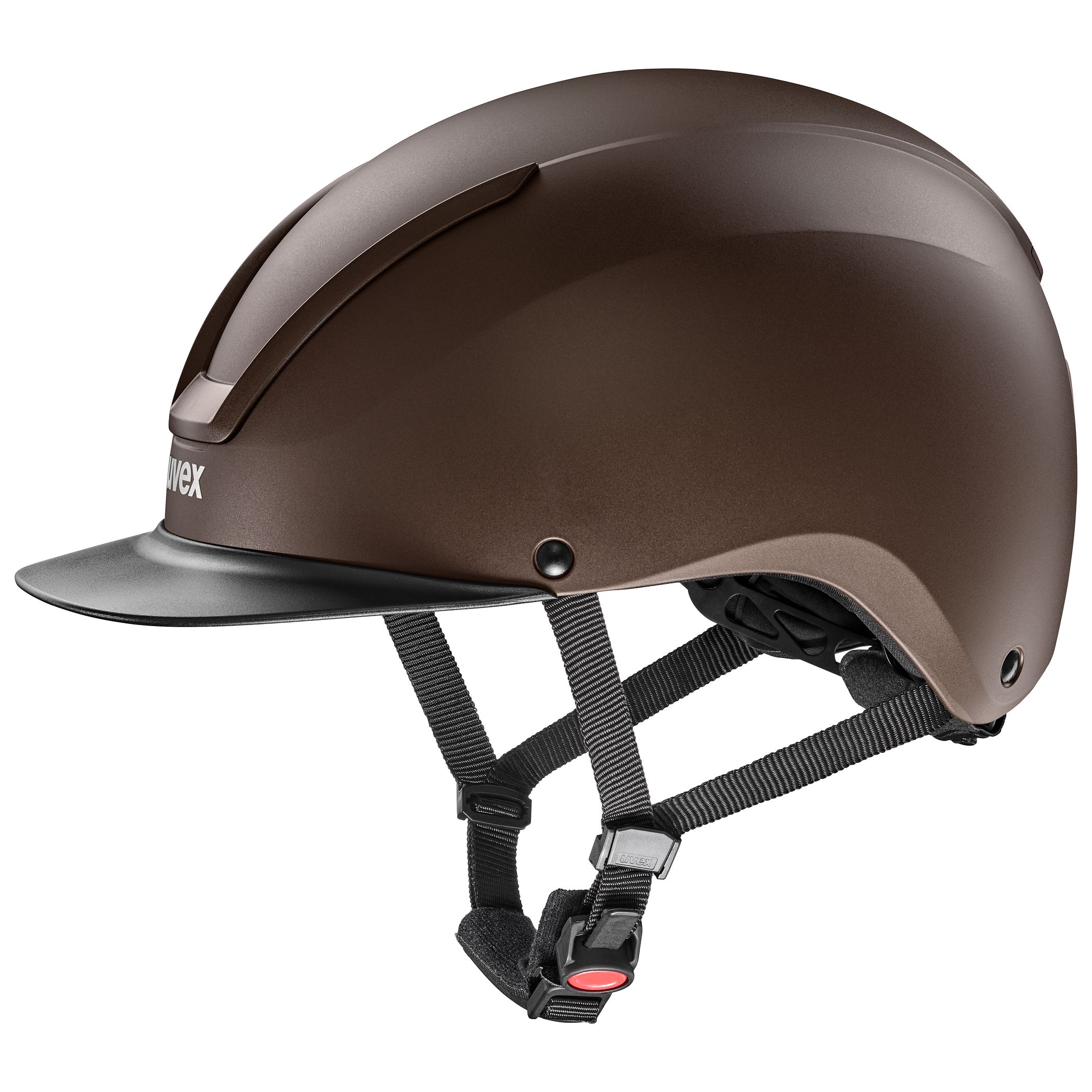
Uvex Riding Helmet ixxo active
incl. 19% VAT, plus shipping
In stock now · delivery in 3–5 days
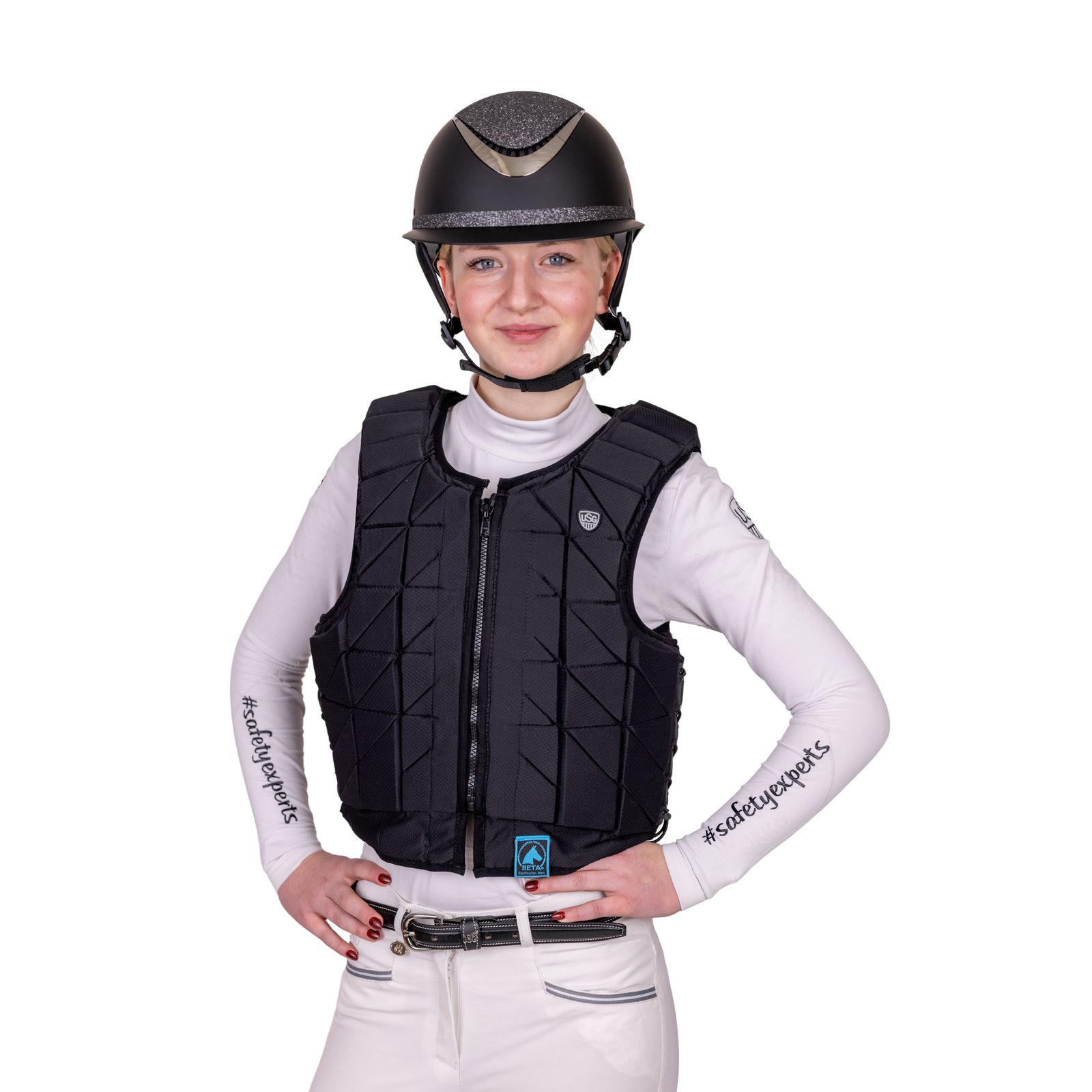
USG
USG Panel Body Protector Flexi Adult
incl. 19% VAT, plus shipping
In stock now · delivery in 3–5 days
All 102 products
take a look
More topics
- Questions about horse rugs
- Questions about bits and bridles
- Questions about body protectors
- Questions about riding boots and half chaps
- Questions about riding clothing
- Questions about brushing boots, bandages and overreach boots
- Questions about saddle accessories
- Questions about horse feeding
- Questions about grooming and the stable