What is MIPS and which riding helmets have MIPS?
MIPS is a low-friction sliding layer in the helmet that moves by about 10 to 15 mm in the event of an oblique impact and is intended to reduce rotational forces on the head. The manufacturer stresses that MIPS does not protect against all injuries either.
Riding helmets with MIPS are available from several brands. Uvex, for example, offers the exxential III MIPS. You can recognise the system by a yellow MIPS dot on the outside of the helmet and by the information on the packaging. MIPS complements the standard, but does not replace the correct fit.
By Julia Lühr, Ahrens Reitsport in Tangstedt · Updated
How does MIPS work in a riding helmet?
MIPS is a low-friction layer between the padding and the foam shell that can move by 10 to 15 mm relative to the shell in the event of an oblique impact. This is intended to transfer less rotational movement to the head. The system was developed in Sweden by a neurosurgeon and a biomechanics expert and, according to the manufacturer, weighs 25 to 45 grams.
The background: in the case of oblique impacts, rotation of the head is considered a common cause of concussion. The brain follows the rotational movement of the head with a delay. The sliding layer absorbs part of this movement.
Which riding helmets have MIPS?
Several brands offer riding helmets with MIPS. One example from manufacturer information:
- uvex: The exxential III MIPS combines a height-adjustable MIPS inner shell with a cut-out for a ponytail and is tested in accordance with EN 1384:2023 and ASTM F1163-23.
Whether a helmet contains MIPS is shown by a yellow dot with the MIPS logo on the outside of the helmet. In some models the layer is integrated into the comfort padding and is hardly visible, the packaging then confirms the system.
Does MIPS replace the standard or the fit?
No, MIPS is an additional feature. At competitions the EN 1384 standard counts, and any helmet can only protect if it sits firmly and evenly. MIPS itself points out that no helmet protects against all injuries, and warns against removing or shifting the layer or continuing to use a helmet with a damaged layer.
Are there independent tests of the protection offered by riding helmets?
Yes, Virginia Tech in the USA evaluates riding helmets using the STAR system. Each helmet undergoes 16 laboratory tests with two test rigs: pendulum tests simulate falls at a slow pace or from a standstill, drop tests onto an oblique surface simulate falls at higher speed. The linear and rotational acceleration of the head is measured.
More stars mean a lower risk of concussion in these test impacts. The researchers emphasise that even the best helmet cannot rule out injury, because the individual risk depends on many factors.
| Feature | Standard EN 1384 | MIPS | STAR rating |
|---|---|---|---|
| What is it? | Mandatory test for riding helmets in Europe | Additional sliding layer in the helmet | Independent laboratory rating |
| Who issues it? | Test body in accordance with a European standard | Manufacturer Mips AB with helmet brand | Virginia Tech |
| Required at competitions? | Yes | No | No |
We are happy to compare models with and without MIPS directly on your head as part of our helmet fitting in Tangstedt.
Sources
All questions: Questions about riding helmets
From our range
Matching products
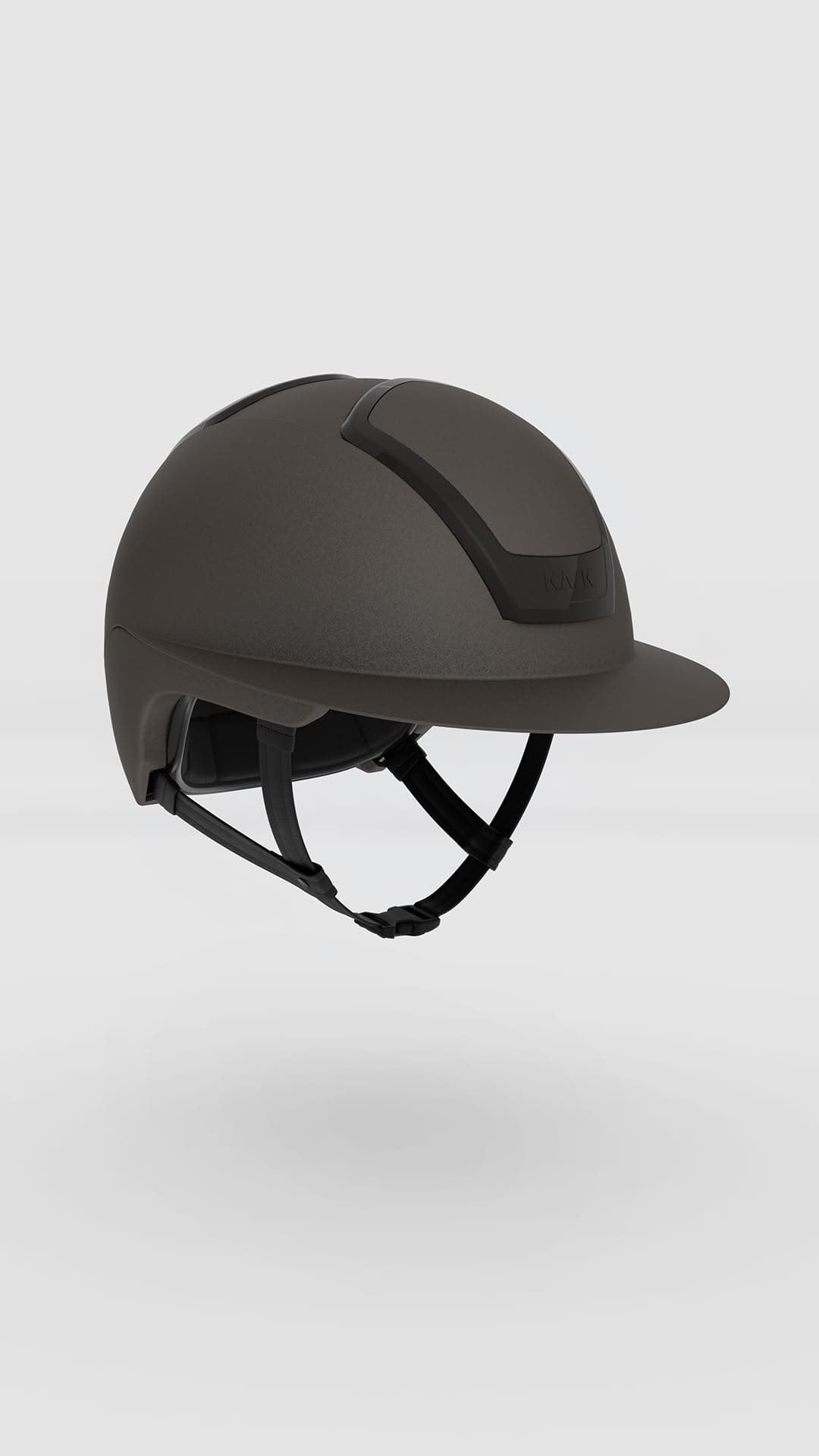
Kask
Kask Riding Helmet Nemesi ash brown
incl. 19% VAT, plus shipping
In stock now · delivery in 3–5 days
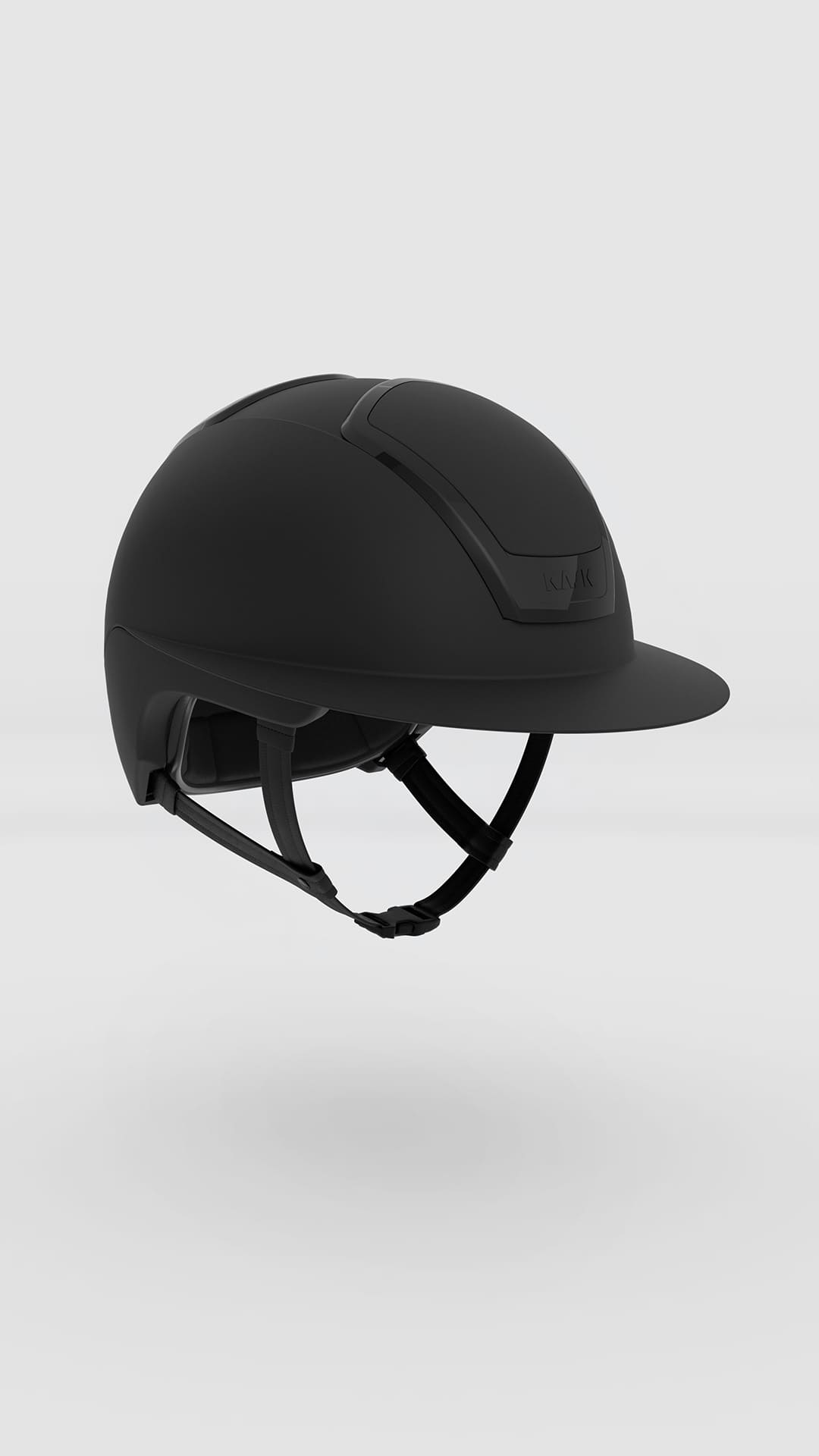
Kask
Kask Riding Helmet Nemesi smokey black
incl. 19% VAT, plus shipping
In stock now · delivery in 3–5 days
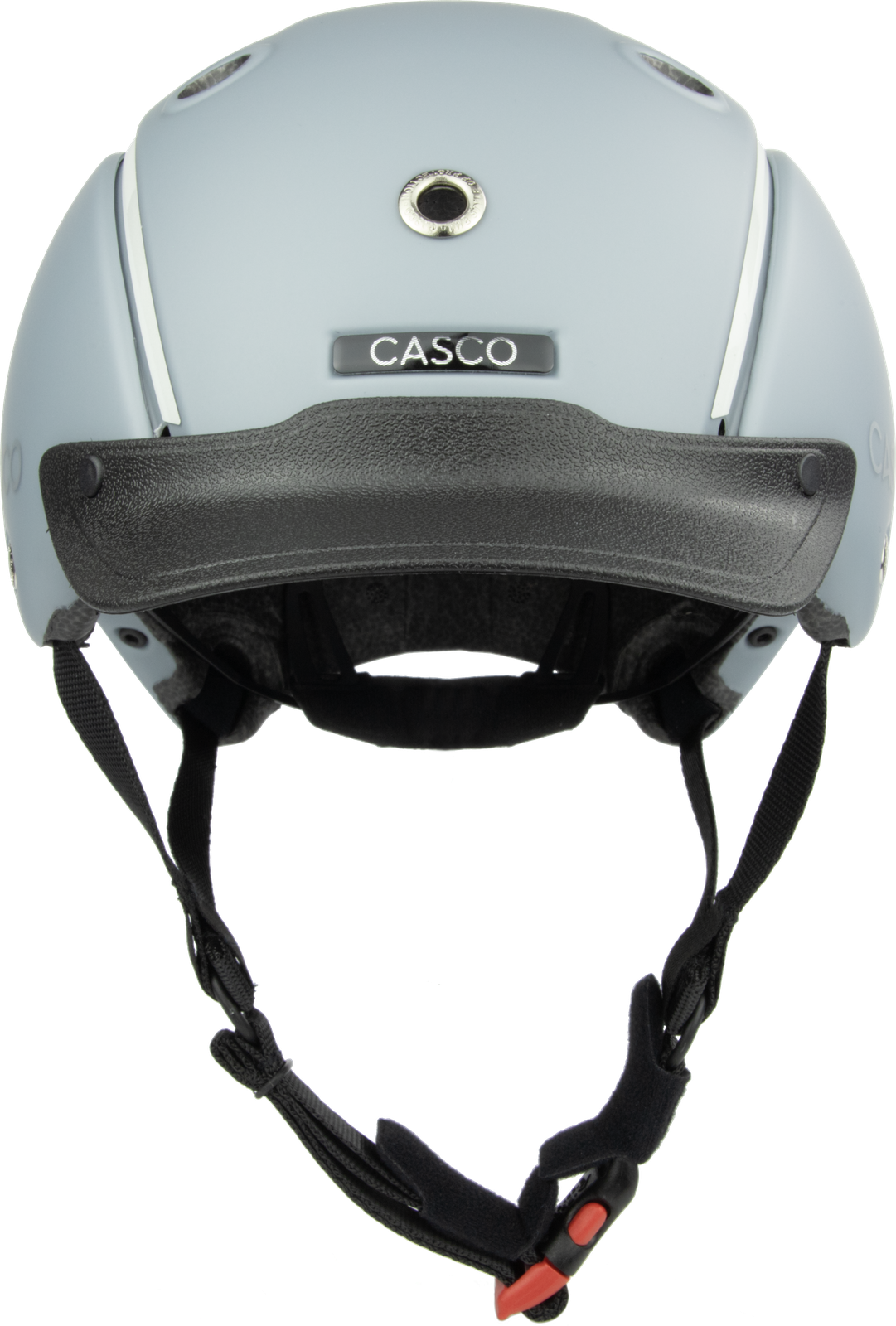
Casco
Casco Kids' Riding Helmet Nori Trail of Tales grey
incl. 19% VAT, plus shipping
In stock now · delivery in 3–5 days
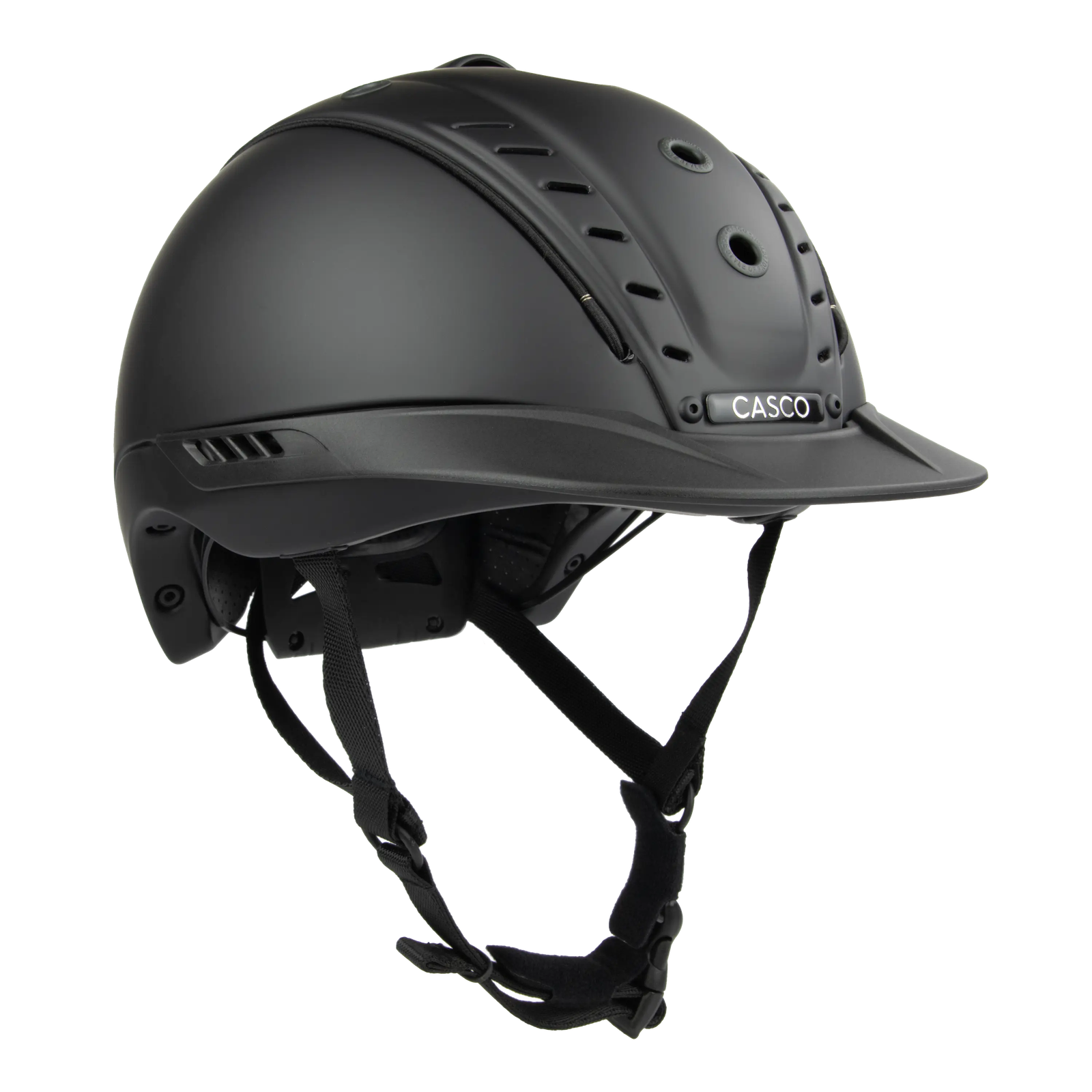
Casco
Casco Riding Helmet Mistrall 2 prime black
incl. 19% VAT, plus shipping
In stock now · delivery in 3–5 days
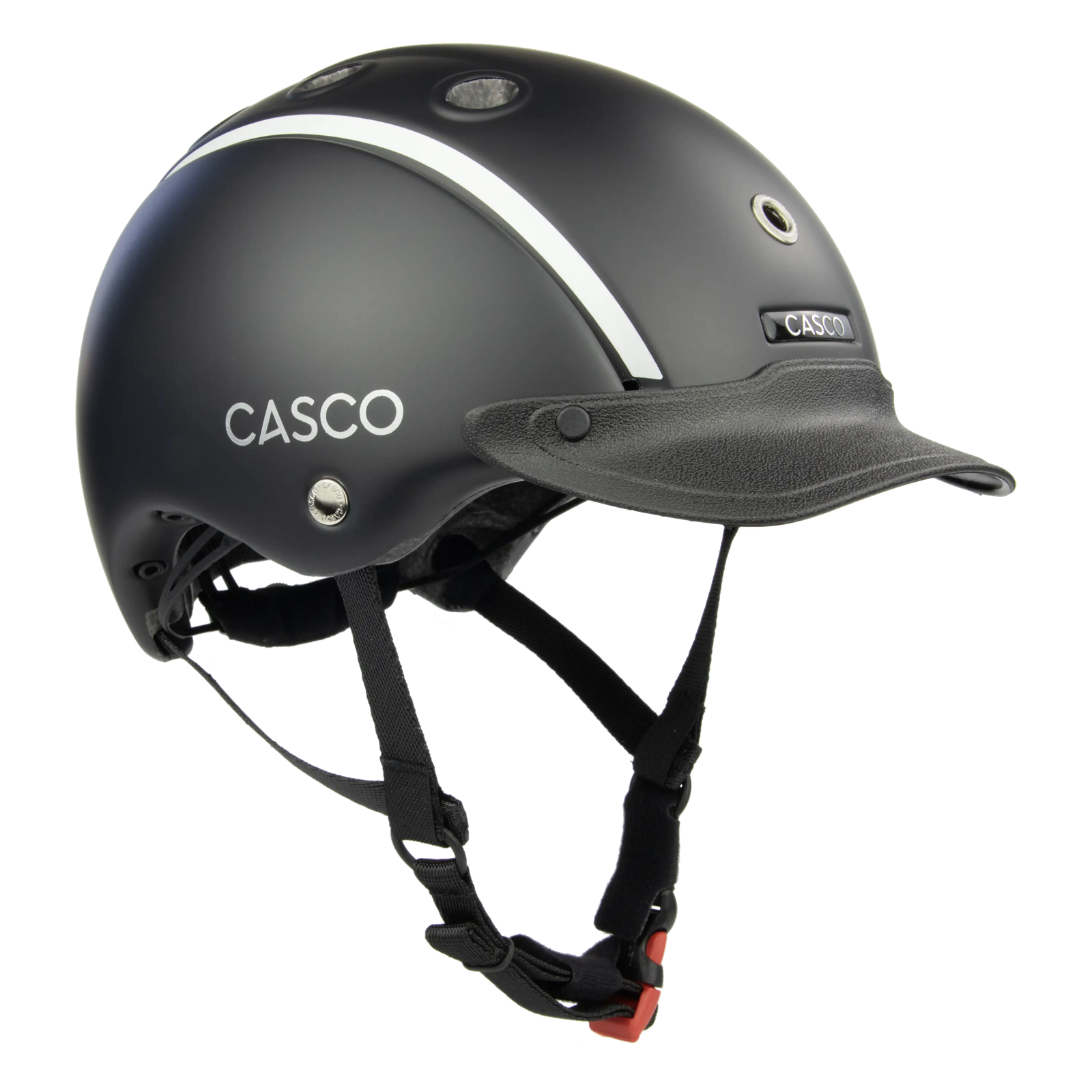
Casco
Casco Riding Helmet Choice prime black
incl. 19% VAT, plus shipping
In stock now · delivery in 3–5 days
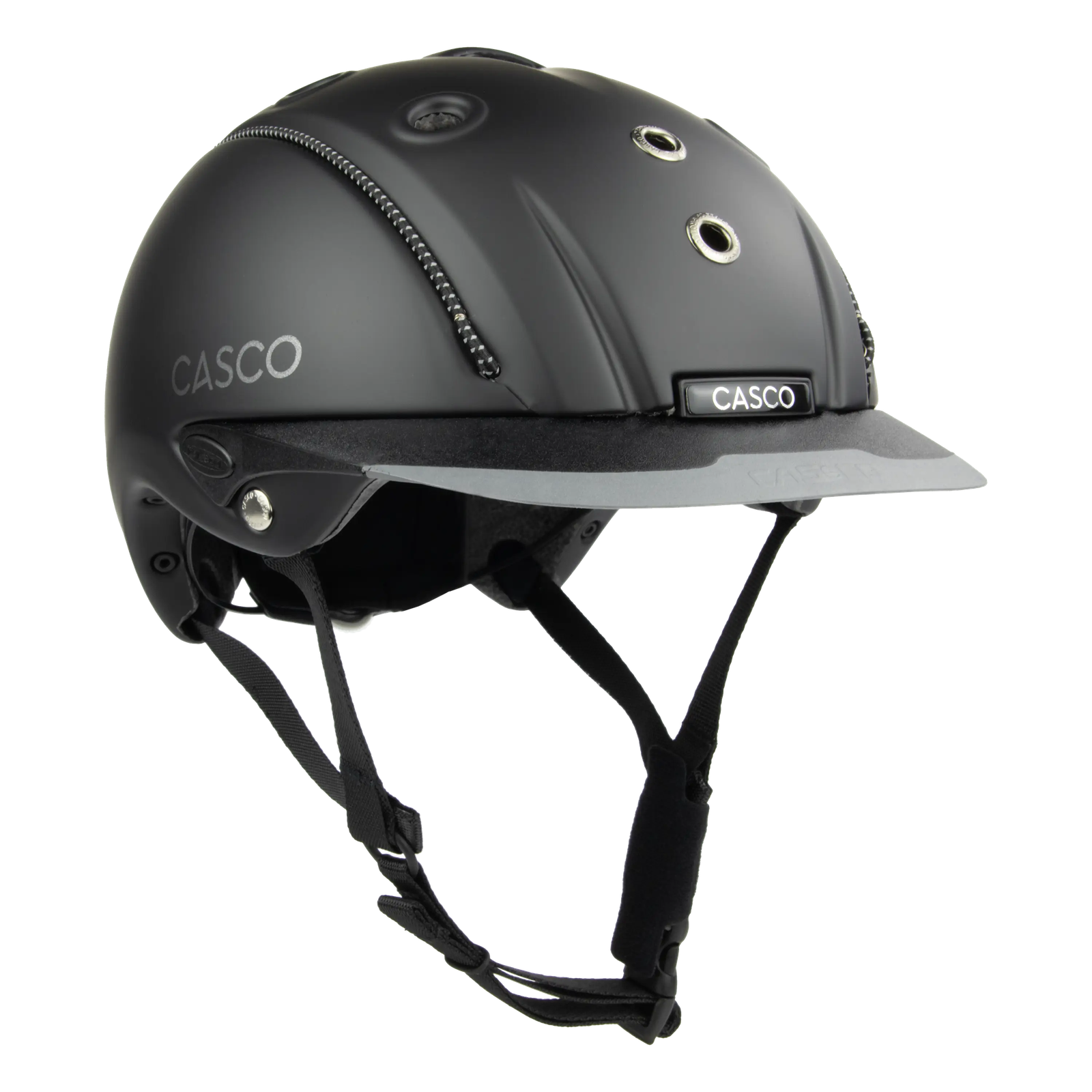
Casco
Casco Riding Helmet Mistrall prime black
incl. 19% VAT, plus shipping
In stock now · delivery in 3–5 days
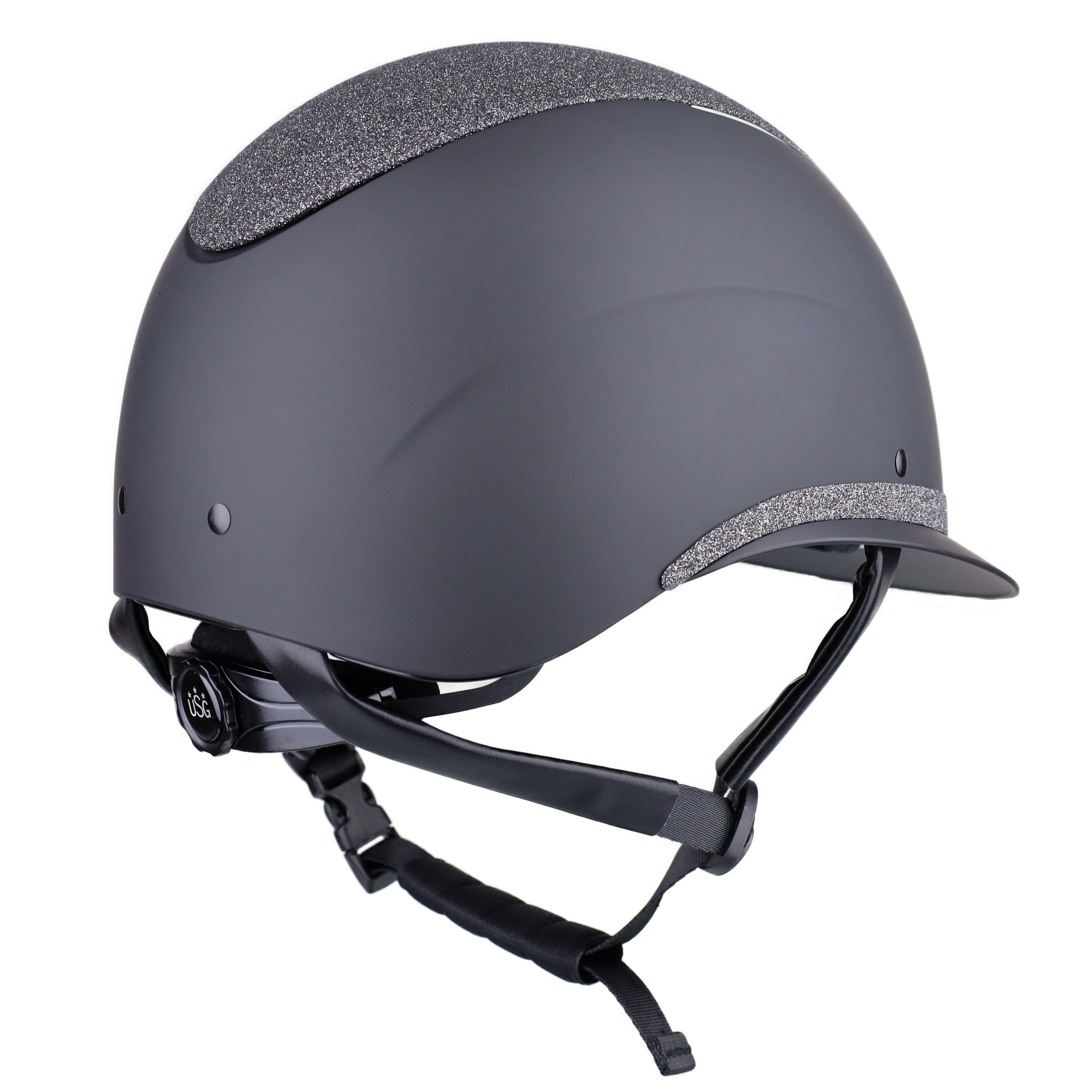
USG
USG Riding Helmet Comfort Sparkle
incl. 19% VAT, plus shipping
In stock now · delivery in 3–5 days
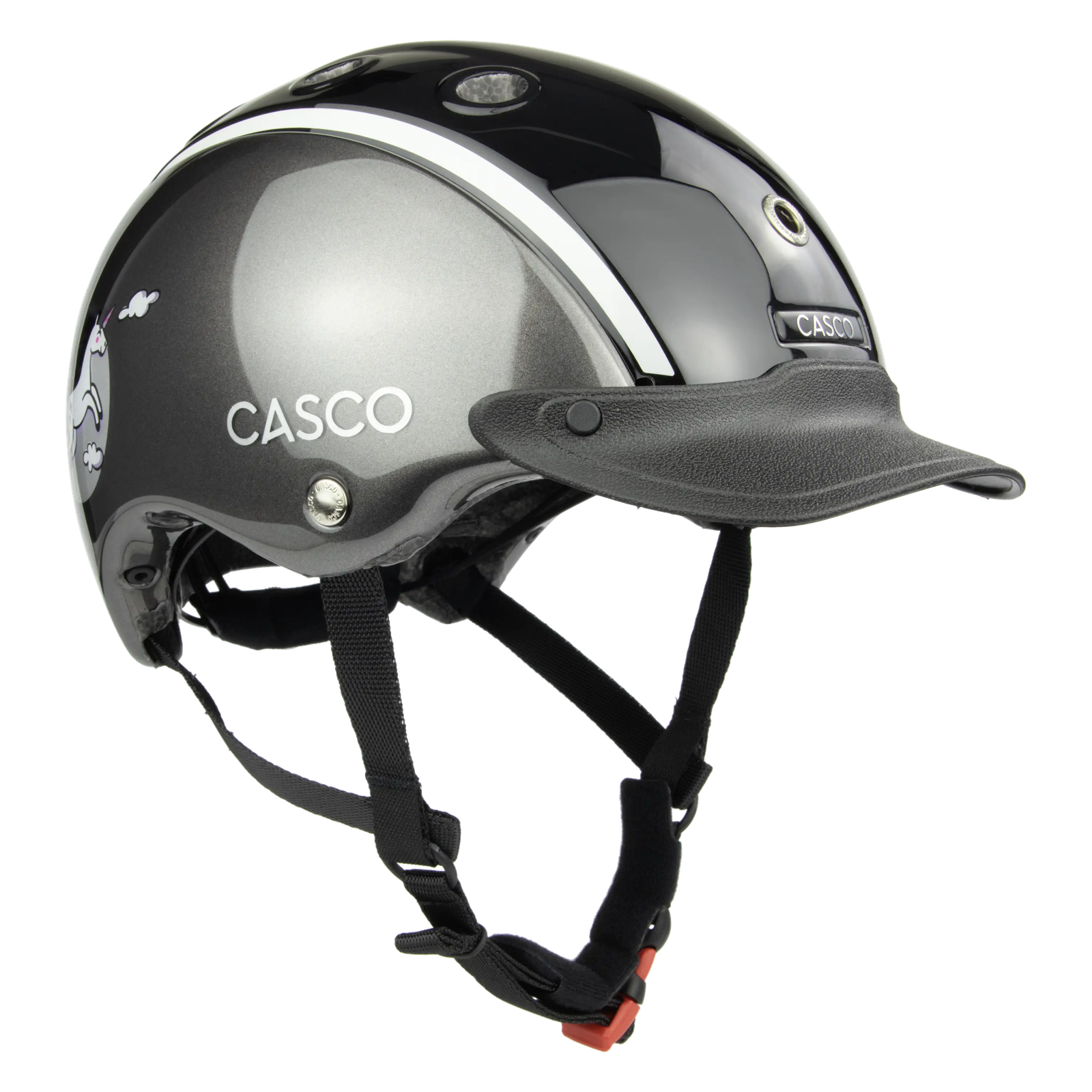
Casco
Casco Kids' Riding Helmet Nori Moonbeam anthracite
incl. 19% VAT, plus shipping
In stock now · delivery in 3–5 days
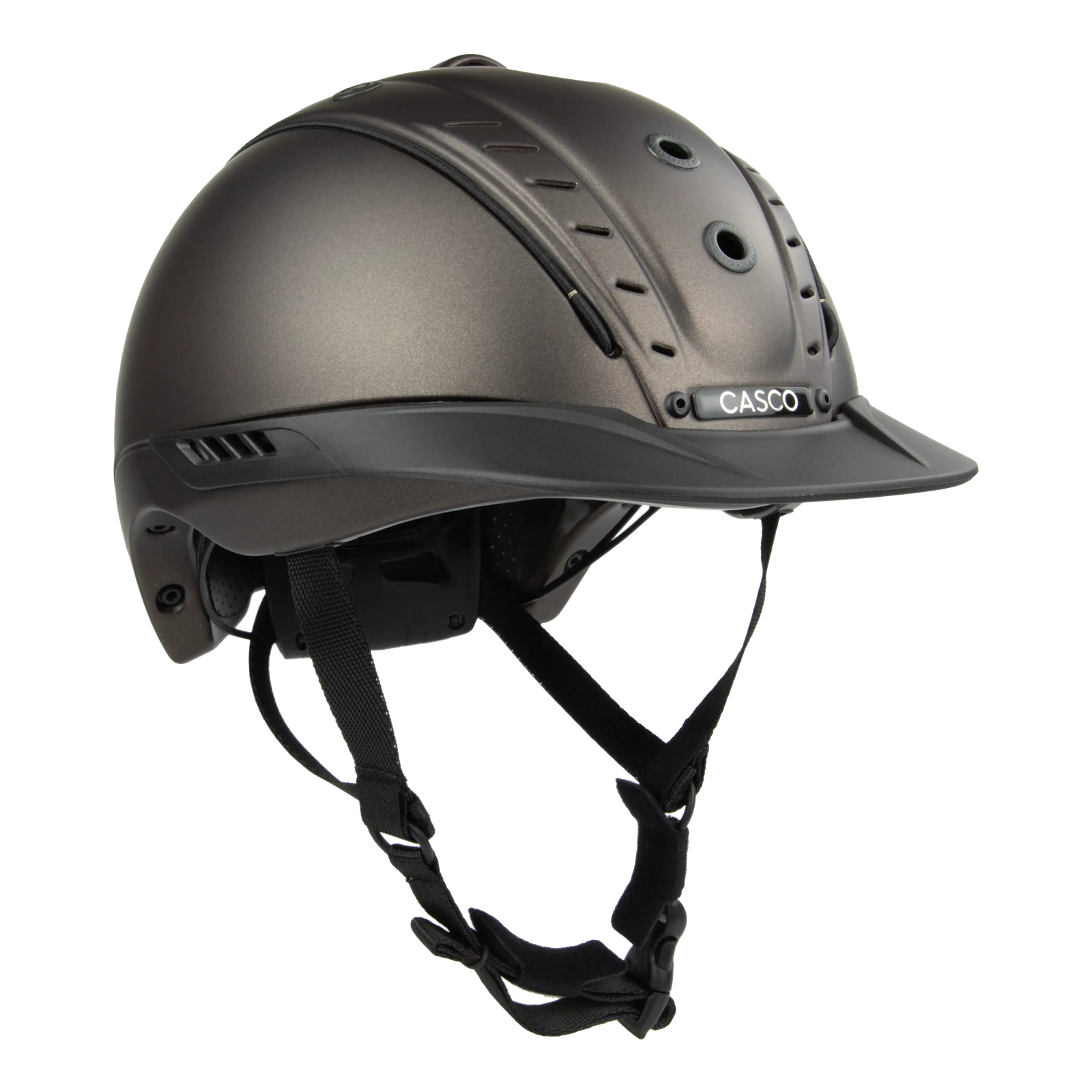
Casco
Casco Riding Helmet Mistrall 2 prime brown
incl. 19% VAT, plus shipping
In stock now · delivery in 3–5 days
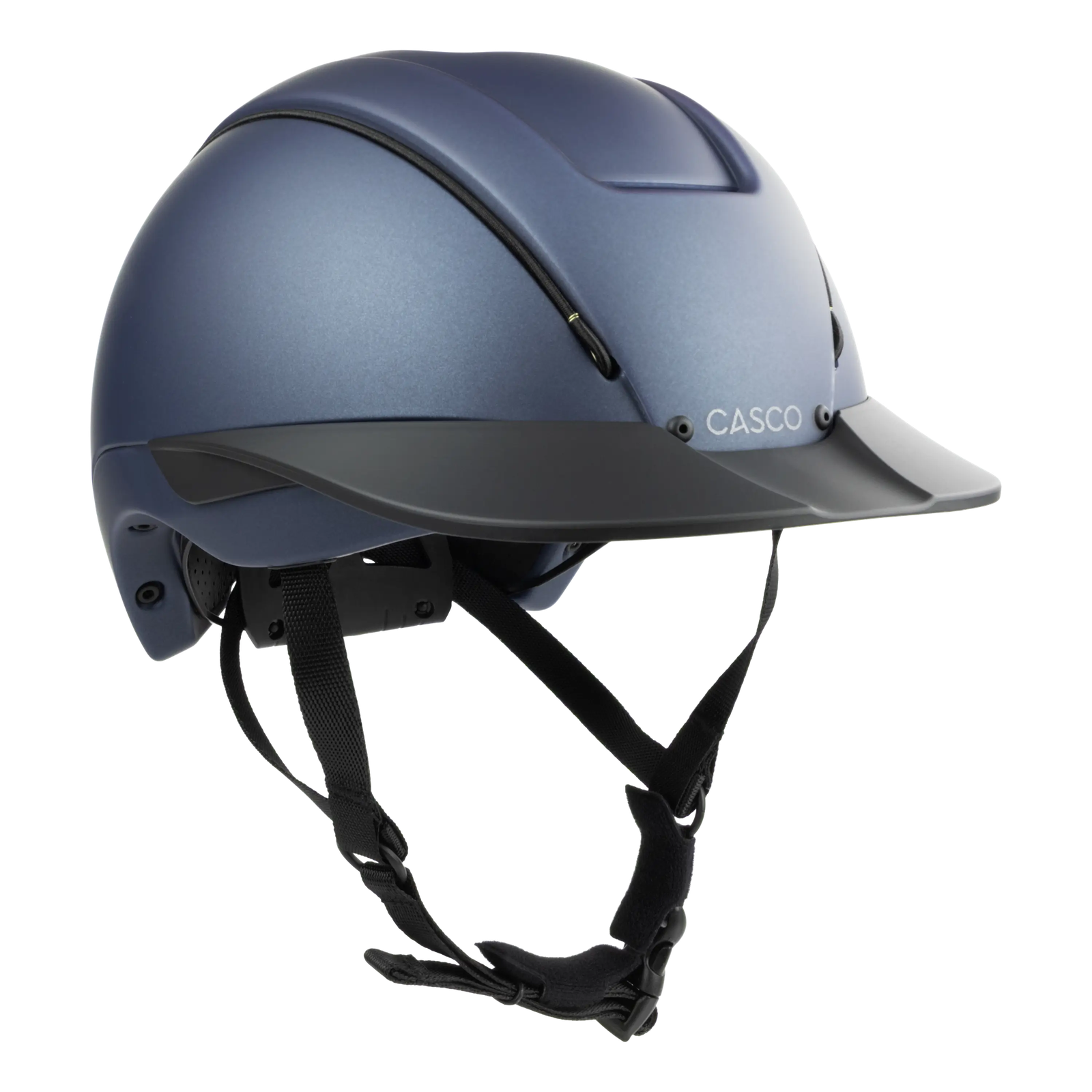
Casco
Casco Duell Prime Marentis Riding Helmet
incl. 19% VAT, plus shipping
In stock now · delivery in 3–5 days
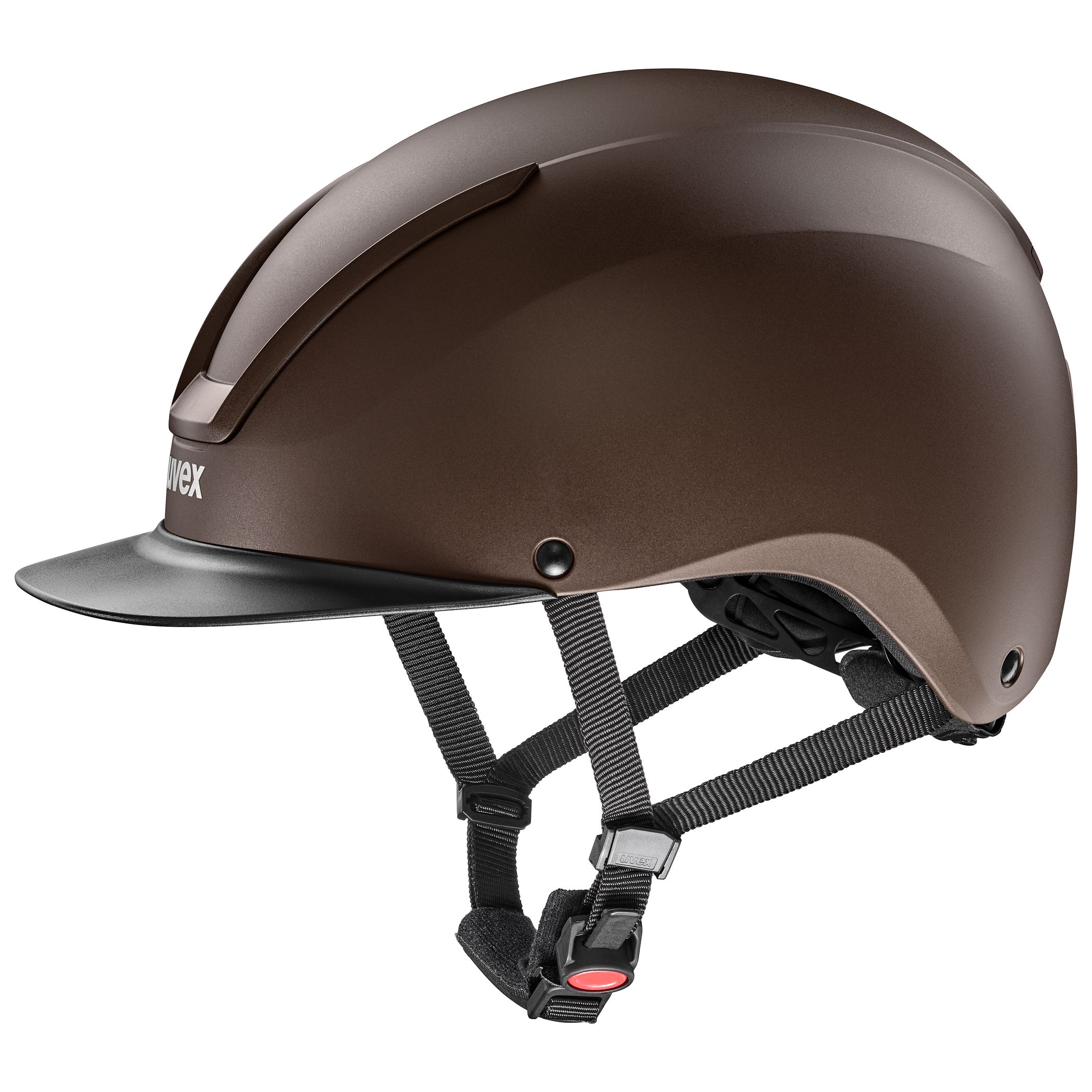
Uvex
Uvex Riding Helmet ixxo active
incl. 19% VAT, plus shipping
In stock now · delivery in 3–5 days
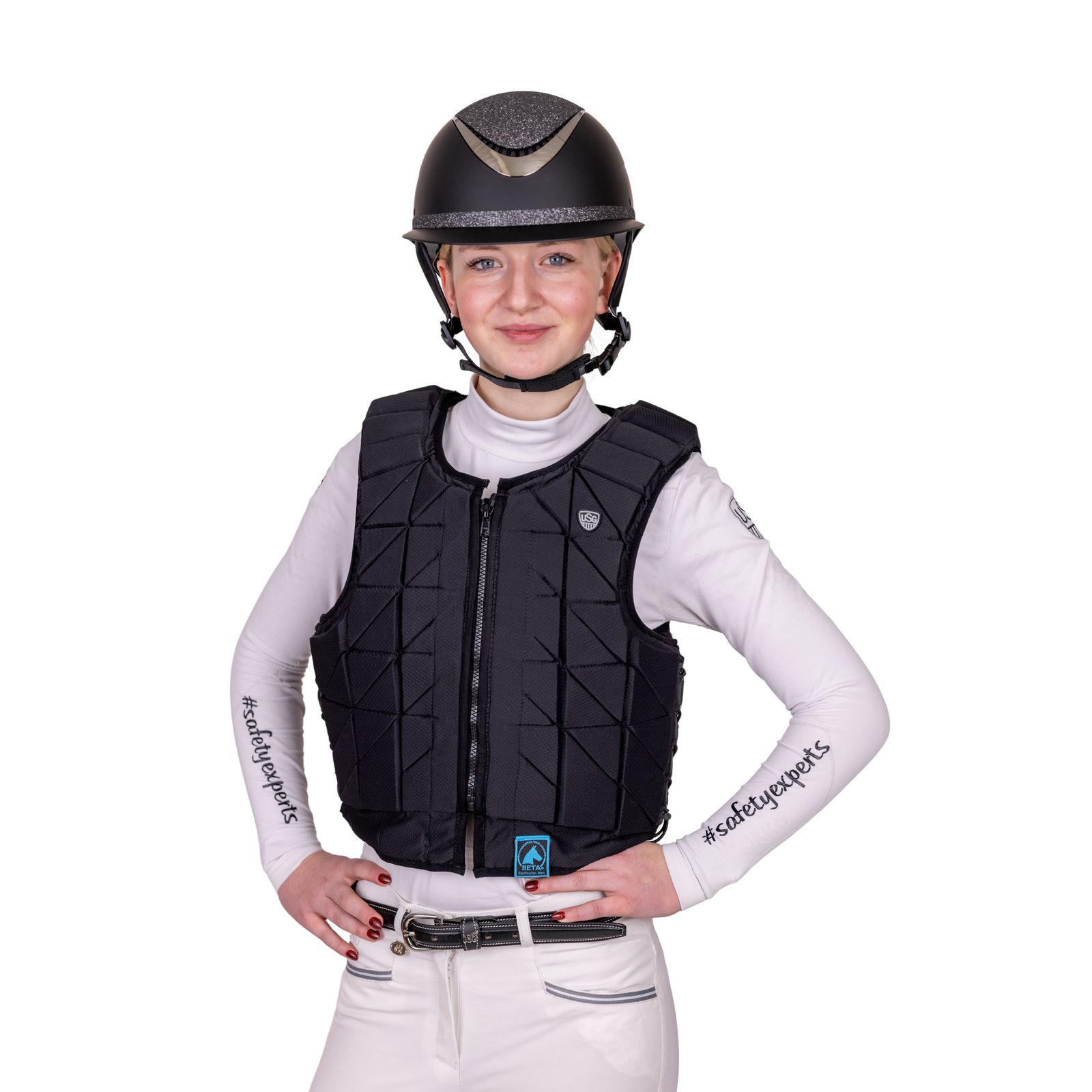
USG
USG Panel Body Protector Flexi Adult
incl. 19% VAT, plus shipping
In stock now · delivery in 3–5 days
All 102 products
take a look