Does my riding helmet fit properly? The fit check in six steps
A riding helmet only protects you if it fits. With a tape measure, wobble test and two-finger rule you can check in just a few minutes whether your helmet fits correctly.
A riding helmet can be made to the highest standard, but if it wobbles, slips or pinches it can only do its job to a limited extent. The fit is therefore at least as important as the model. The good news is that you can check the fit yourself in just a few simple steps. In this article we go through each step, from measuring your head circumference to adjusting the chin strap.
What size riding helmet do I need and how do I measure head circumference?
You measure head circumference with a flexible tape measure at the widest part of the head, slightly above the eyebrows and ears. The helmet manufacturer KEP suggests using a point about 2.5 cm above the eyebrows and ears as a guide. The tape measure should fit snugly, but not cut in. The result will be most accurate if a second person measures for you.
Bear your hairstyle in mind. A plait or thick bun increases the circumference at the back of the head, which means a helmet that fits with your hair down can suddenly be too tight with a plait. Measure and try on helmets with your hair the way you will wear it when riding. Some helmets have an opening at the back through which you can pull a ponytail.
Exactly where should the helmet sit on the head?
The helmet sits centrally and horizontally on the head, just above the ears and about one to two finger widths above the eyebrows. This is how the German Equestrian Federation (FN) describes it. It should neither slip back towards the nape of the neck and leave the forehead exposed nor sit so low that it restricts your vision.
A good helmet makes even contact all the way round without pressing uncomfortably in individual places. The FN describes the feeling by saying that the helmet should really enclose the head. A helmet that only rests on the top and leaves space at the sides does not suit your head shape.
Which riding helmet suits which head shape?
A rather round head needs a helmet with a round inner shape, a more oval head needs a helmet with a more elongated cut. You can see your head shape best from above, not from the front. Smooth your hair down as flat as possible and ask a second person to look down at your head from above.
If the shape is not right this shows up in typical pressure points. A round head will feel pressure at the sides in an oval helmet and the helmet can tip forwards and backwards. An oval head will feel pressure on the forehead in a round helmet and the helmet can wobble sideways. In that case a different size will not help, you need a different fit.
Many manufacturers solve this through the interior padding. KEP offers its inner pads in an oval version for European and a narrow version for North American head shapes and fine-tunes the fit with thin inserts. At Samshield the removable inner liner of the 2.0 model is available in three fits. Uvex points out that heads also differ in height and uses an adjustment system with height adjustment. The safest way to find your model is to compare helmets from several brands directly, for example in our helmet fitting in Tangstedt.
How does the wobble test for a riding helmet work?
Put the helmet on, leave the chin strap open and move your head vigorously from side to side, nod and bend forwards. If the helmet stays in place, the size is correct. The FN recommends also imitating the movement of your head in the trot. The helmet manufacturer uvex describes it in a similar way. The helmet should sit firmly even with the chin strap open.
How to recognise a helmet that is too big or too small:
- Too big: The helmet shifts noticeably when you move your head, slips into your face or falls off when you bend forwards.
- Too small: The helmet pinches, sits too far back and leaves the forehead exposed, or the straps cut into your ears.
How do I adjust the dial and the straps correctly?
Many helmets have a dial at the back of the head which you can use to fine-tune the width. Uvex recommends opening the adjustment system fully first, putting the helmet on and then tightening it with the dial until the helmet sits firmly but comfortably. On some models you can also adjust the height of the adjustment system to the curve at the back of the head. According to the FN, helmets without a dial must fit perfectly as soon as you put them on for the first time.
How should the side straps lie?
The side straps form a Y under each ear. The ear should sit freely inside this triangle and the straps should not press on it. On many helmets you can move the divider so that you can adjust the position to your ears.
How tight should the chin strap be?
The chin strap is correctly adjusted if there is room for about two fingers between your chin and the strap. Both the FN and uvex mention this rule of thumb. The fastener must click fully into place, with ratchet fasteners up to the last click. If the strap is too loose the helmet can slip in a fall. The straps should be adjusted so that they are tight, but not constricting.
Check the chin strap regularly. If it keeps loosening by itself or the fastener is damaged the helmet no longer sits securely. In this case it should be replaced or checked by a specialist.
How long should I wear a new helmet on trial?
Before you decide, wear a new helmet on trial for at least a quarter of an hour. KEP recommends 15 to 20 minutes of test wear. If no pressure points develop during this time, the helmet fits well. Also make sure that after this time it is still sitting in the same position and has not moved forwards or backwards.
If you are between two sizes, KEP recommends trying the larger size first and adjusting it with pads. If it is still too loose, the smaller size is the right choice. You should try adjustable helmets first with the smallest width setting.
Can I buy a children’s helmet for them to grow into?
No, the helmet should fit children properly at the time of purchase and should not be bought to grow into. A helmet that is too big can slip and then offers less protection. For children it is worth checking the fit regularly because the head is still growing. An adjustable model can offer a certain amount of leeway as long as it passes the wobble test at every setting.
The condition of the helmet is also part of the fit. After a fall on the head or a hard impact the helmet must be replaced according to the FN, even if there is no visible damage. Without a fall, manufacturers and the FN recommend replacement after a few years depending on the model. You will find the exact information in the user manual. The manufacturing date is printed inside the helmet.
In the shop of Ahrens Reitsport in Tangstedt you can put on and compare different riding helmets on the spot. In our helmet fitting we check size, fit and standard together with you, and if you would like to give your helmet a personal touch you will also find options for customisation with us, for example with Swarovski embellishments.
Personal advice in Tangstedt
From our range
Matching products
Kask
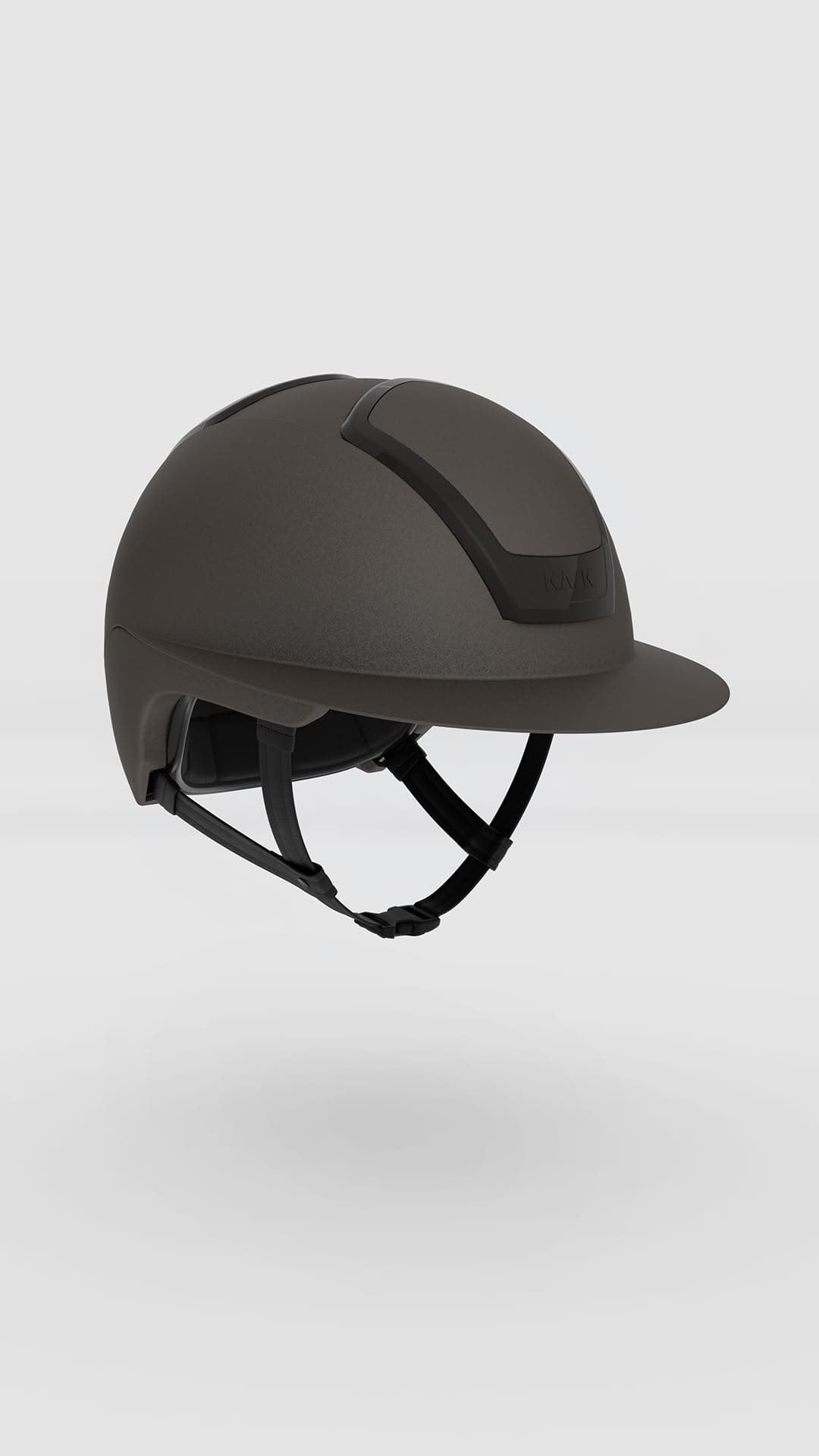
Kask Riding Helmet Nemesi ash brown
incl. 19% VAT, plus shipping
In stock now · delivery in 3–5 days
Kask
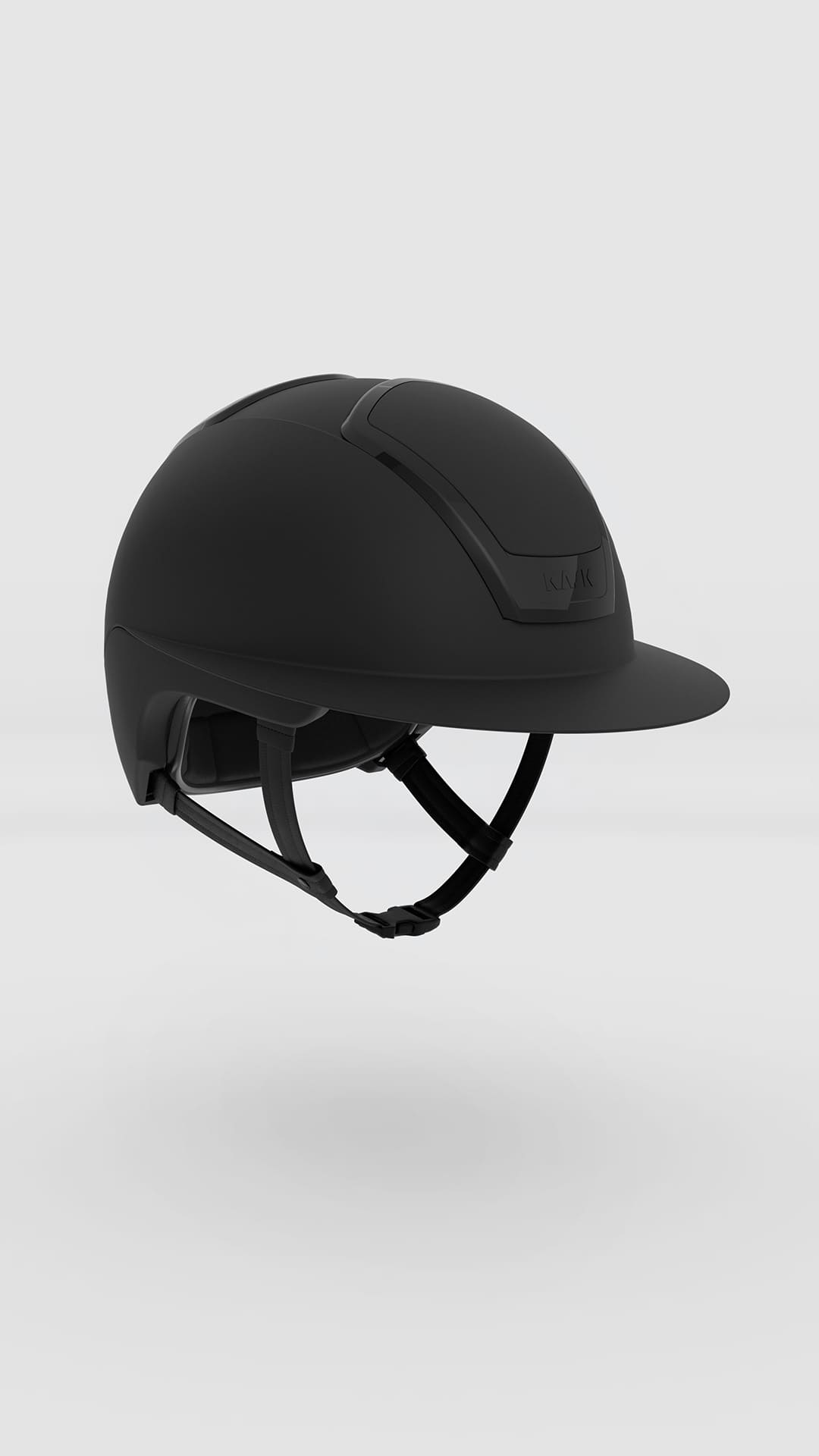
Kask Riding Helmet Nemesi smokey black
incl. 19% VAT, plus shipping
In stock now · delivery in 3–5 days
Casco
Casco Kids' Riding Helmet Nori Trail of Tales grey
incl. 19% VAT, plus shipping
In stock now · delivery in 3–5 days
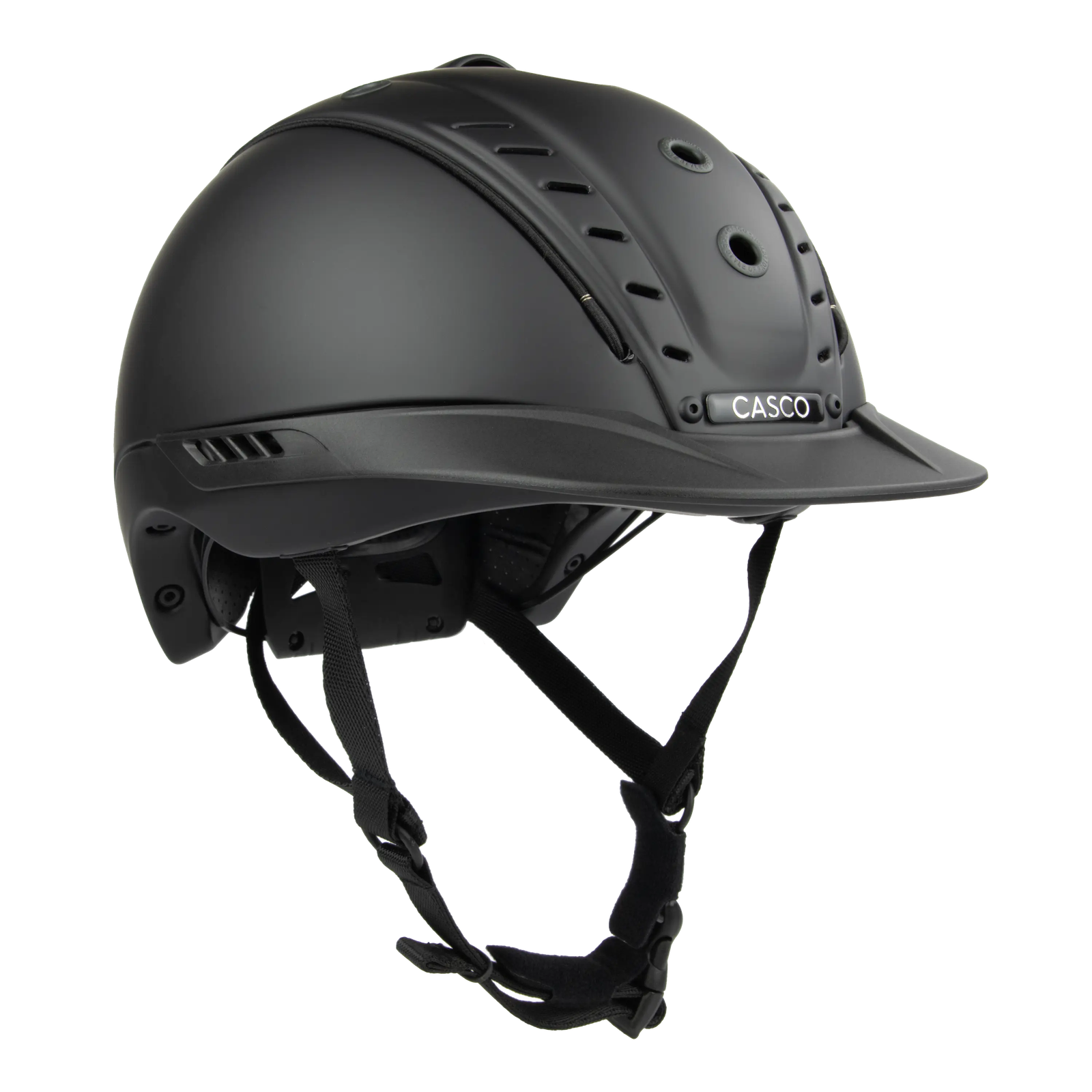
Casco
Casco Riding Helmet Mistrall 2 prime black
incl. 19% VAT, plus shipping
In stock now · delivery in 3–5 days
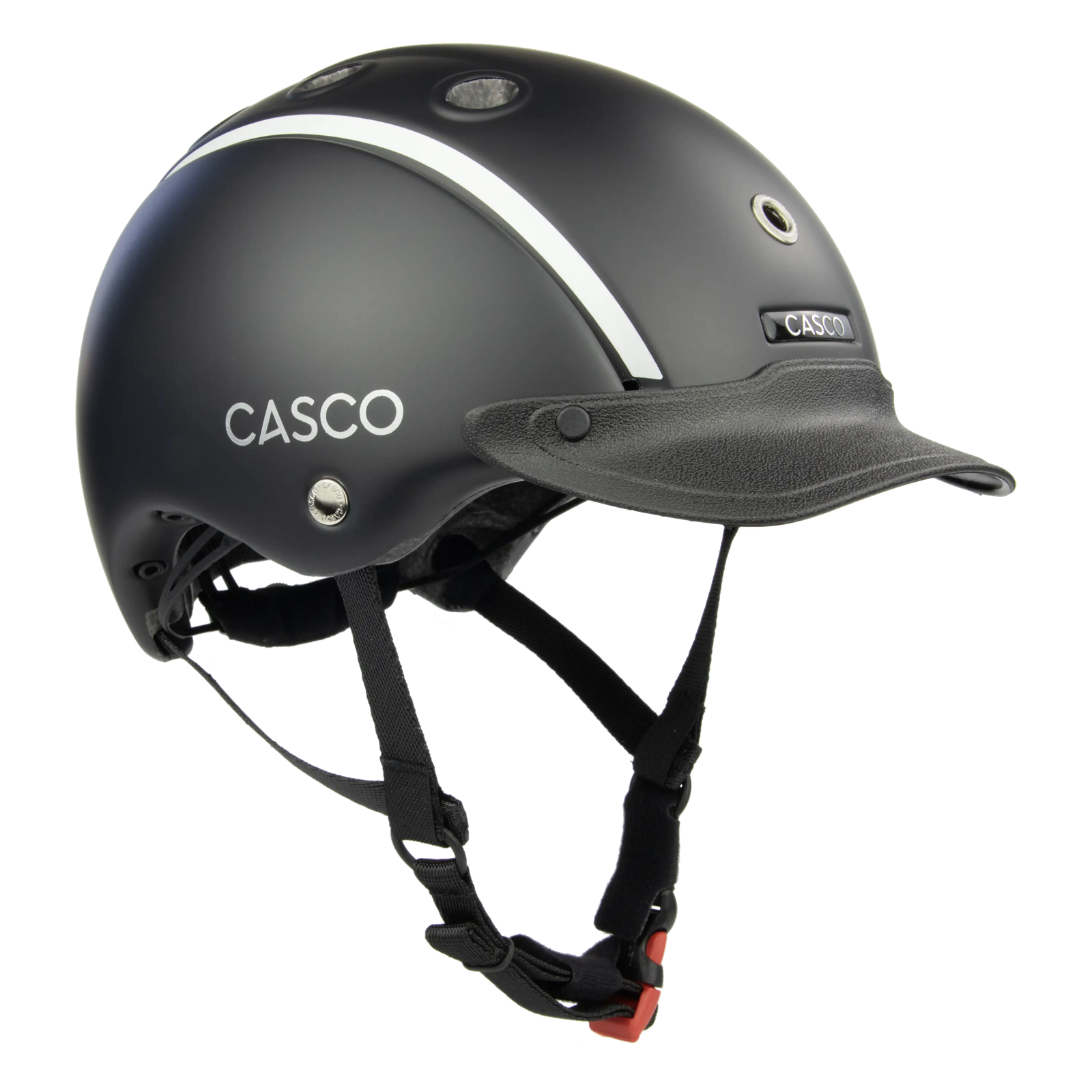
Casco
Casco Riding Helmet Choice prime black
incl. 19% VAT, plus shipping
In stock now · delivery in 3–5 days
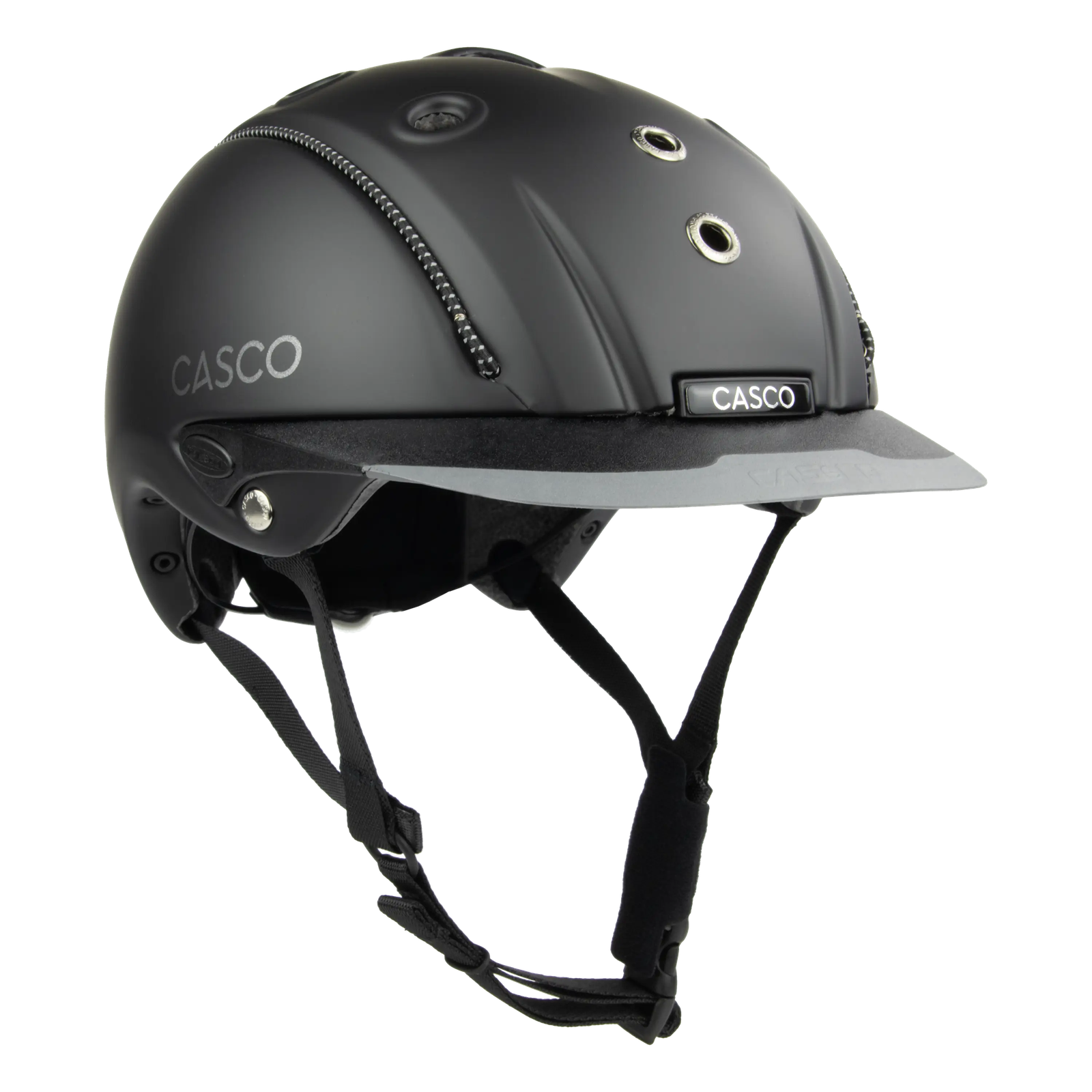
Casco
Casco Riding Helmet Mistrall prime black
incl. 19% VAT, plus shipping
In stock now · delivery in 3–5 days
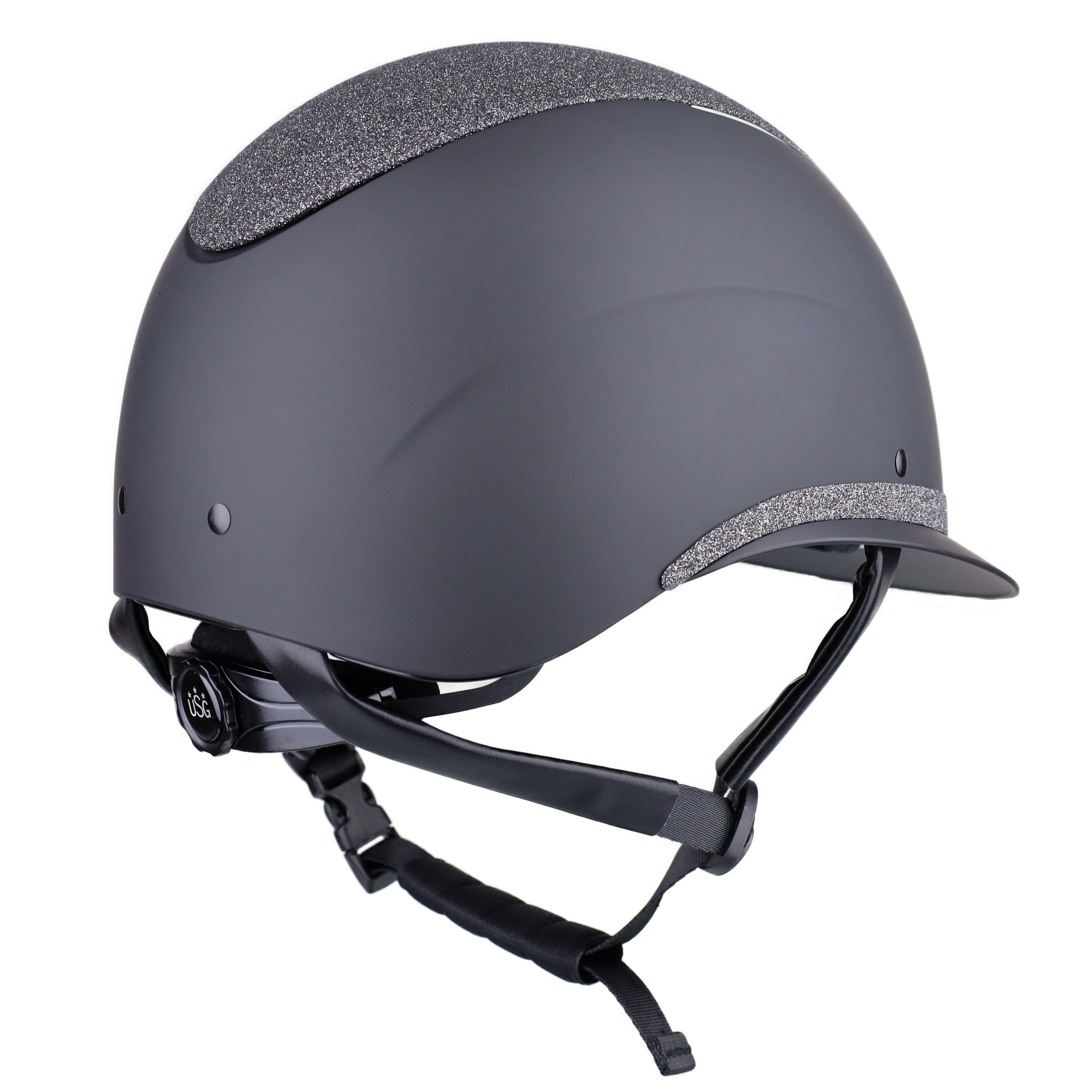
USG
USG Riding Helmet Comfort Sparkle
incl. 19% VAT, plus shipping
In stock now · delivery in 3–5 days
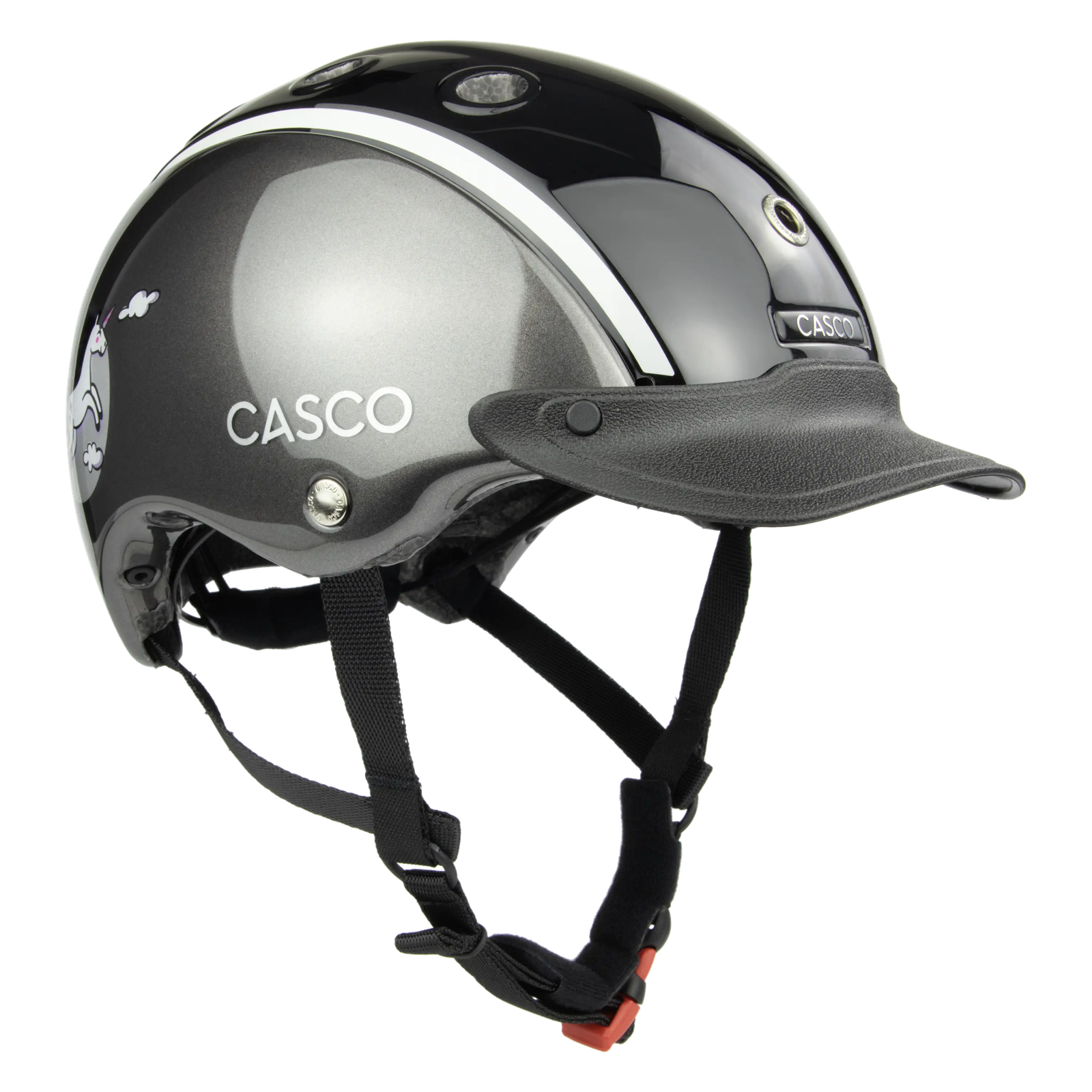
Casco
Casco Kids' Riding Helmet Nori Moonbeam anthracite
incl. 19% VAT, plus shipping
In stock now · delivery in 3–5 days
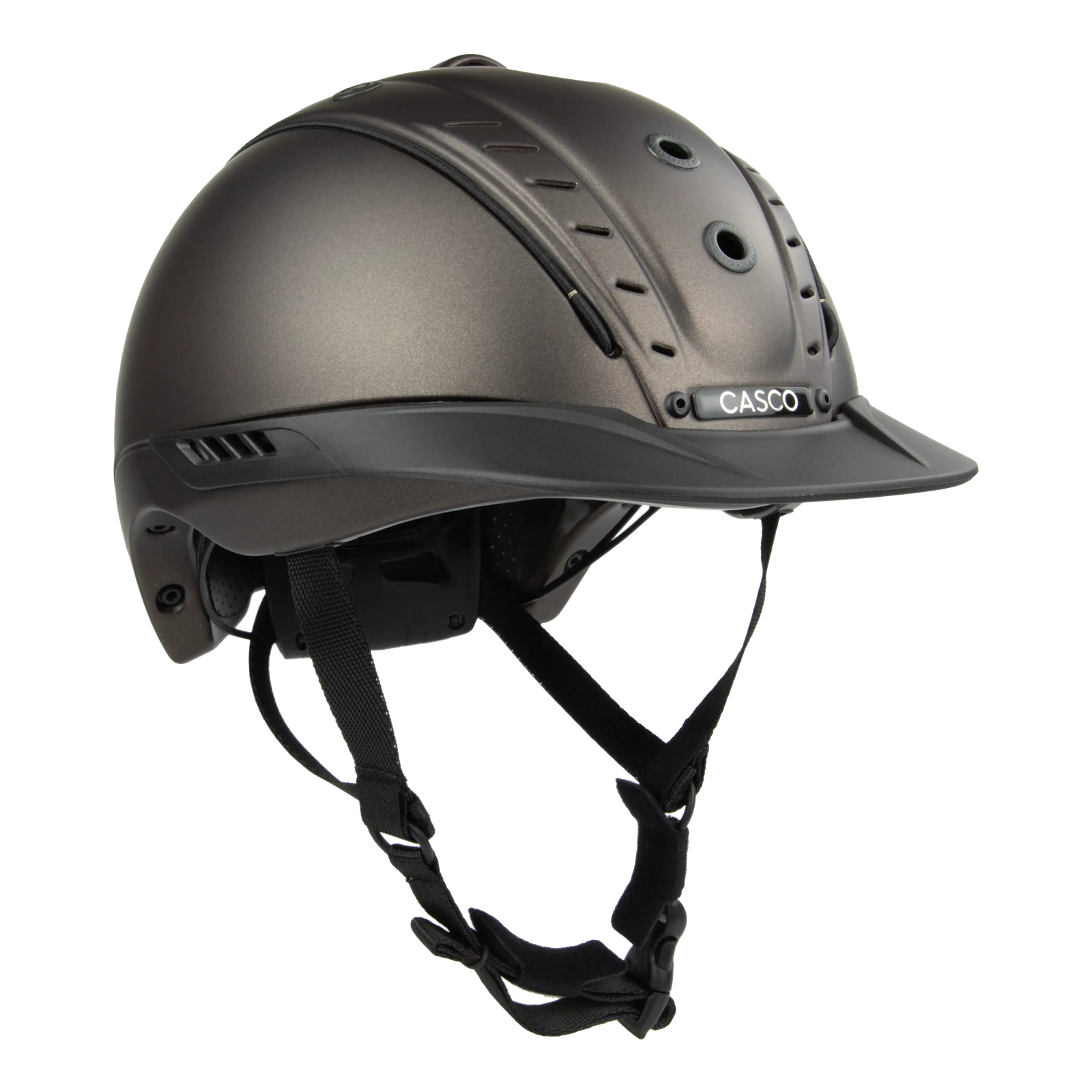
Casco
Casco Riding Helmet Mistrall 2 prime brown
incl. 19% VAT, plus shipping
In stock now · delivery in 3–5 days
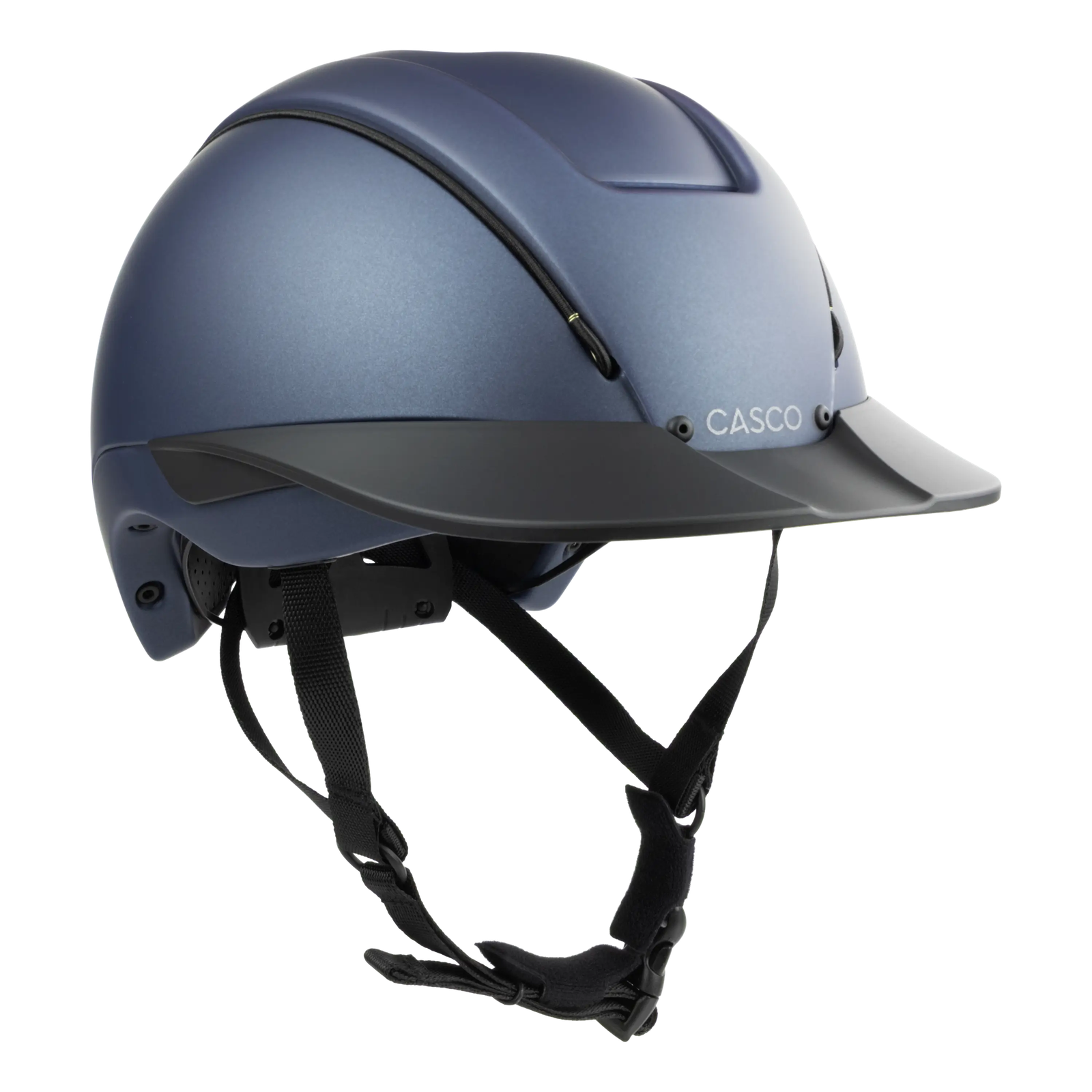
Casco
Casco Duell Prime Marentis Riding Helmet
incl. 19% VAT, plus shipping
In stock now · delivery in 3–5 days
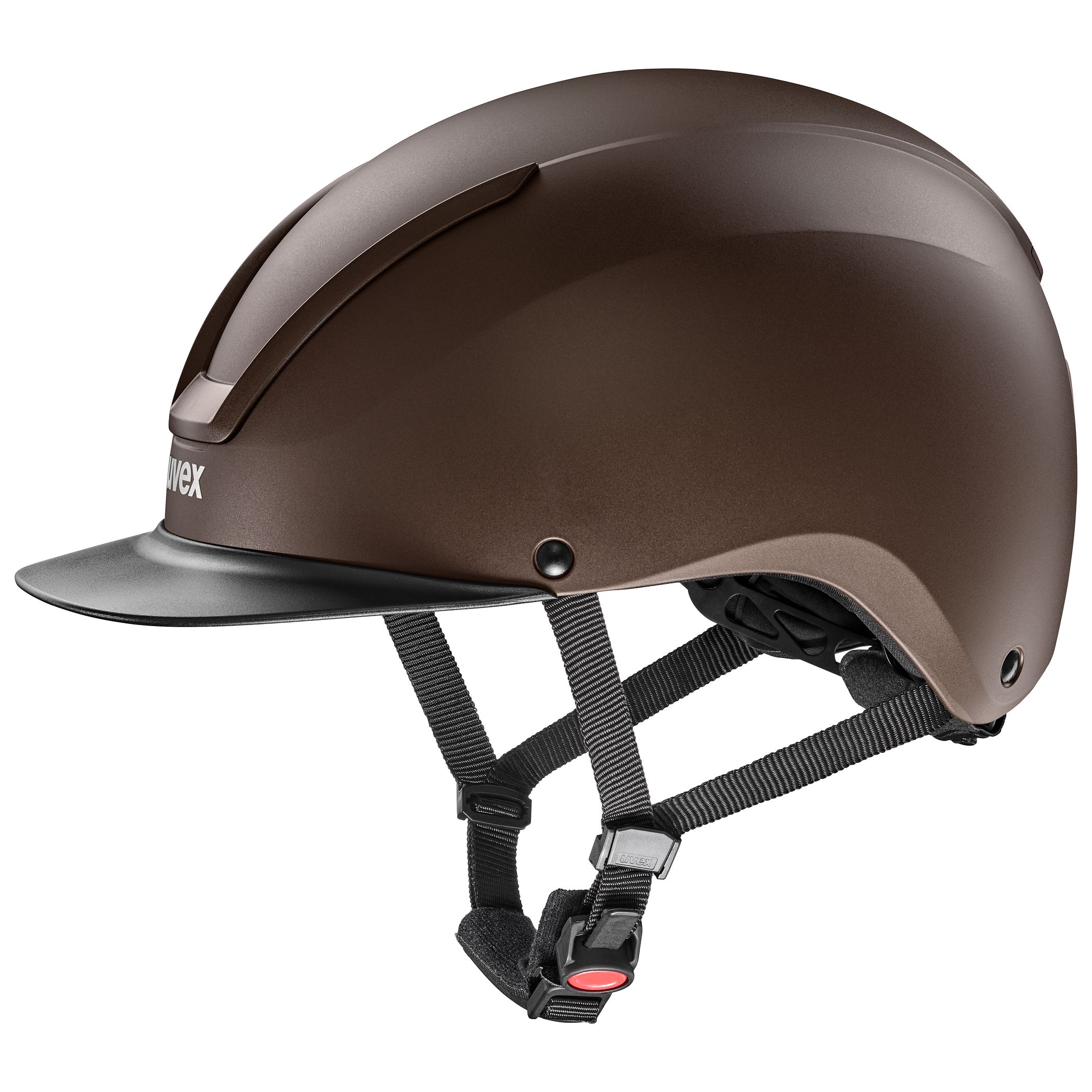
Uvex
Uvex Riding Helmet ixxo active
incl. 19% VAT, plus shipping
In stock now · delivery in 3–5 days
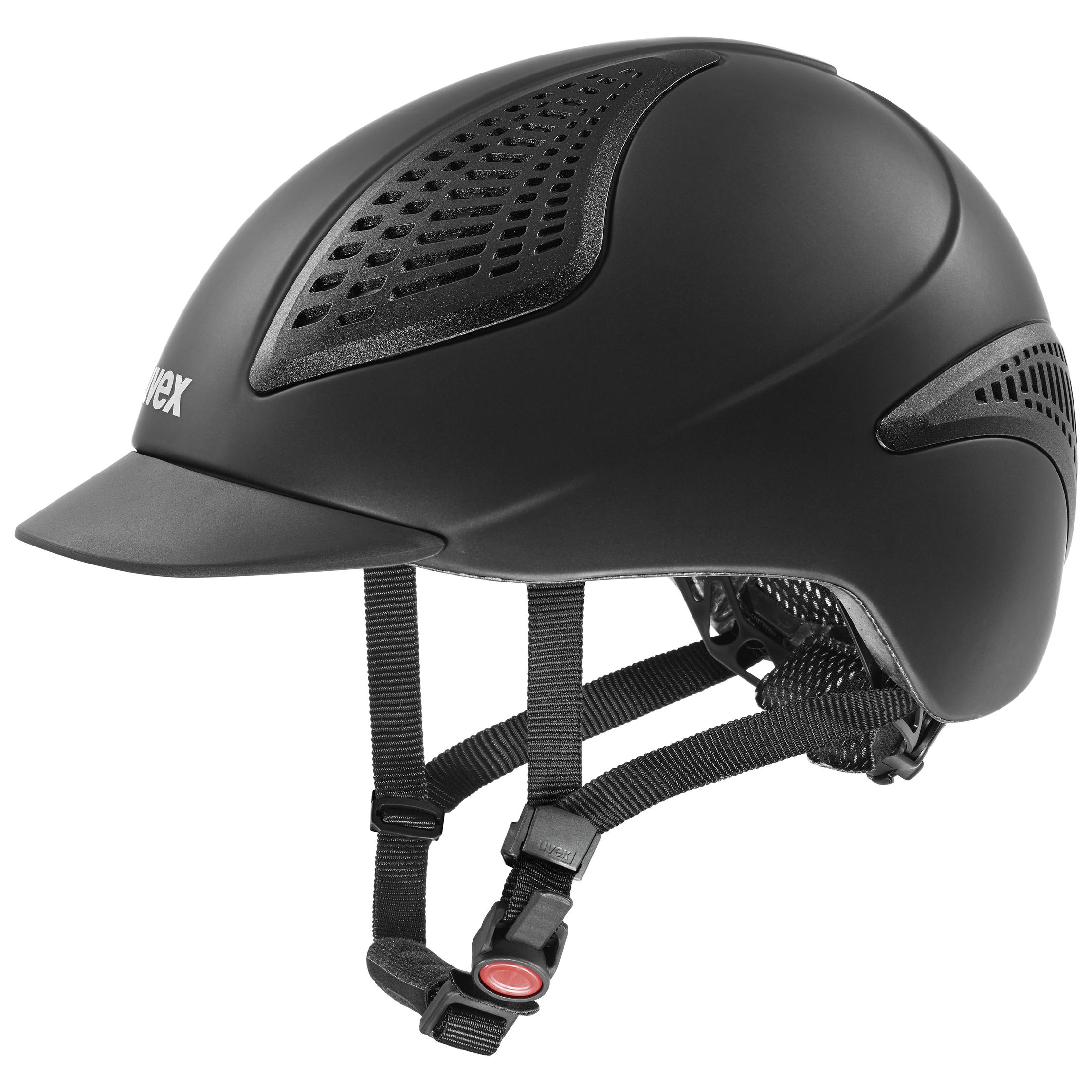
Uvex
Uvex Exxential 3 Riding Helmet black matt
incl. 19% VAT, plus shipping
In stock now · delivery in 3–5 days
All 95 products
take a look