
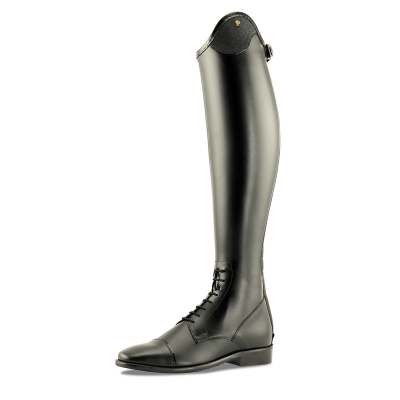
Measuring riding boots correctly: calf width, shaft height and foot length
Three measurements determine whether a riding boot fits. This is how to measure leg height, calf width and foot length correctly and how to tell when a made-to-measure boot is worth it.
A leather riding boot is an investment for many years. All the more annoying if the boot leg digs into the back of your knee, your calf does not fit in, or the boot seems too short after a few weeks. Unlike with street shoes, the shoe size alone is not enough. Three measurements are crucial: foot length, calf width and leg height. We explain how to take these correctly and what you should pay attention to.
Which measurements do I need for a riding boot?
For a correctly fitting riding boot you need the foot length, the calf width at the widest point and the leg height from the ground to the back of the knee. The foot length determines the shoe size. Calf width and leg height determine which boot leg fits you. Many manufacturers therefore offer the same shoe size with different leg widths and leg heights.
The following applies to all measurements: When measuring, wear the riding breeches and riding socks that you will later wear in the boot. Winter riding breeches or thick socks noticeably change the measurements. It is easiest with a flexible tape measure and a second person.
How do I measure calf width and leg width correctly for riding boots?
You measure the calf width with a flexible tape measure at the widest point of the calf. The tape should lie loosely without cutting in. Measure in several places to find the truly widest point.
Does the time of day matter when measuring?
Yes, because calves are often slimmer in the morning than in the evening. It is therefore advisable to measure in the evening.
Should I add something to the calf width?
Generally no. Leather stretches slightly in width as you break the boots in. A leather boot with elastic insert may therefore feel tight at first. With boots with a zip the width should still be such that the zip is not permanently under strong tension.
How do I determine the correct leg height?
You measure the leg height for most manufacturers at the back, from the ground to the back of the knee, ideally while seated with the knee at a right angle and your feet flat on the ground. Measuring while seated or with slightly bent knees gives a measurement that corresponds to your position in the saddle. If you measure the height while standing and then choose a leg that is too long, you risk the leg pressing into the back of your knee when riding.
Why does a new leather boot become shorter?
A leather boot drops over time, because folds form at the ankle when you press your heels down while riding. This makes the leg a few centimetres shorter. A new boot can therefore seem slightly too tall at first. However, the boot should not be chosen too high, because this puts extra strain on the zip and can cause it to break more quickly.
What leg width is normal?
There is no uniform standard for leg width. Each manufacturer defines what is normal for every model. In the size charts of well-known manufacturers, widths for standard boots range from about 28 to 44 cm, and several widths are available for each shoe size. What matters is always your own calf circumference compared to the chart of the boot you want to buy.
If your measurement lies between two widths, then for leather boots choose the narrower one, because leather stretches with wear and a boot that is too wide will only become wider. If no combination of width and height fits, a partially made-to-measure boot or a fully made-to-measure boot is the alternative.
When are riding boots too tight or too tall?
A new riding boot is too tight if it does not just sit firmly but actually hurts, makes your leg go numb or restricts the movement of your ankle. It is too tall if the leg cuts sharply into the back of your knee when you bend it and this does not ease even after breaking the boots in. A certain amount of tightness and height is desirable with new leather boots.
New boots should be difficult to fasten the first time you put them on and should feel slightly uncomfortable at first. If they cause real pain, they are probably too small. You should be able to close a zip completely while standing, without having to pull it up by force or it becoming twisted to the side.
How much a boot later stretches depends on the leather, the stiffness of the leg and the cut around the ankle. Dressage boots drop less than soft boots. Conversely, a boot that is too wide is a problem: it drops too much, collapses deeply at the ankle and ends up too short. The safest way to assess the fit is to try them on wearing your riding breeches and riding socks.
How do I measure my foot length for riding boots?
Stand upright in your riding socks on a sheet of paper and measure the distance from your heel to the tip of your longest toe. It is important here too to wear the socks that you will wear later when riding. Also bear in mind that different manufacturers use different lasts. It is therefore always worth taking a look at the size information for the particular model. For a made-to-measure boot, further measurements are needed, such as the circumference at the ball of the foot and the instep, and the shape of the heel.
Which boot type suits my leg and my discipline?
Dressage boots have a tall, rather stiff leg with a dressage bow on the outside. Show jumping boots are usually made of softer leather and often have lacing on the instep. The lacing lets the ankle flex more easily. Polo boots are laced all the way up the front and are therefore slightly variable in width.
Zip: Depending on the model it is positioned at the back on the outside or at the front on the inside, and makes putting the boots on and taking them off much easier.
Elastic insert: A stretch insert covered in leather compensates for small fluctuations in calf width.
Paddock boots with half chaps: An alternative if standard legs stubbornly refuse to fit.
When is a made-to-measure riding boot worth it?
A made-to-measure boot is worth it if your measurements do not fit into the standard size system, in other words if calf width, leg height and foot length do not match any combination in the size charts. Often a partially made-to-measure boot is enough, where only the leg or only the foot is made to measure. There are also solutions for existing boots. For example, a zip can be added afterwards or the boot width can be altered.
At Ahrens Reitsport you can try on riding boots in our shop in Tangstedt and test them with your riding breeches. If no standard model fits, we will take your measurements as part of our made-to-measure boots and half chaps service and order your boot directly from the manufacturer.
Personal advice in Tangstedt
From our range
Matching products
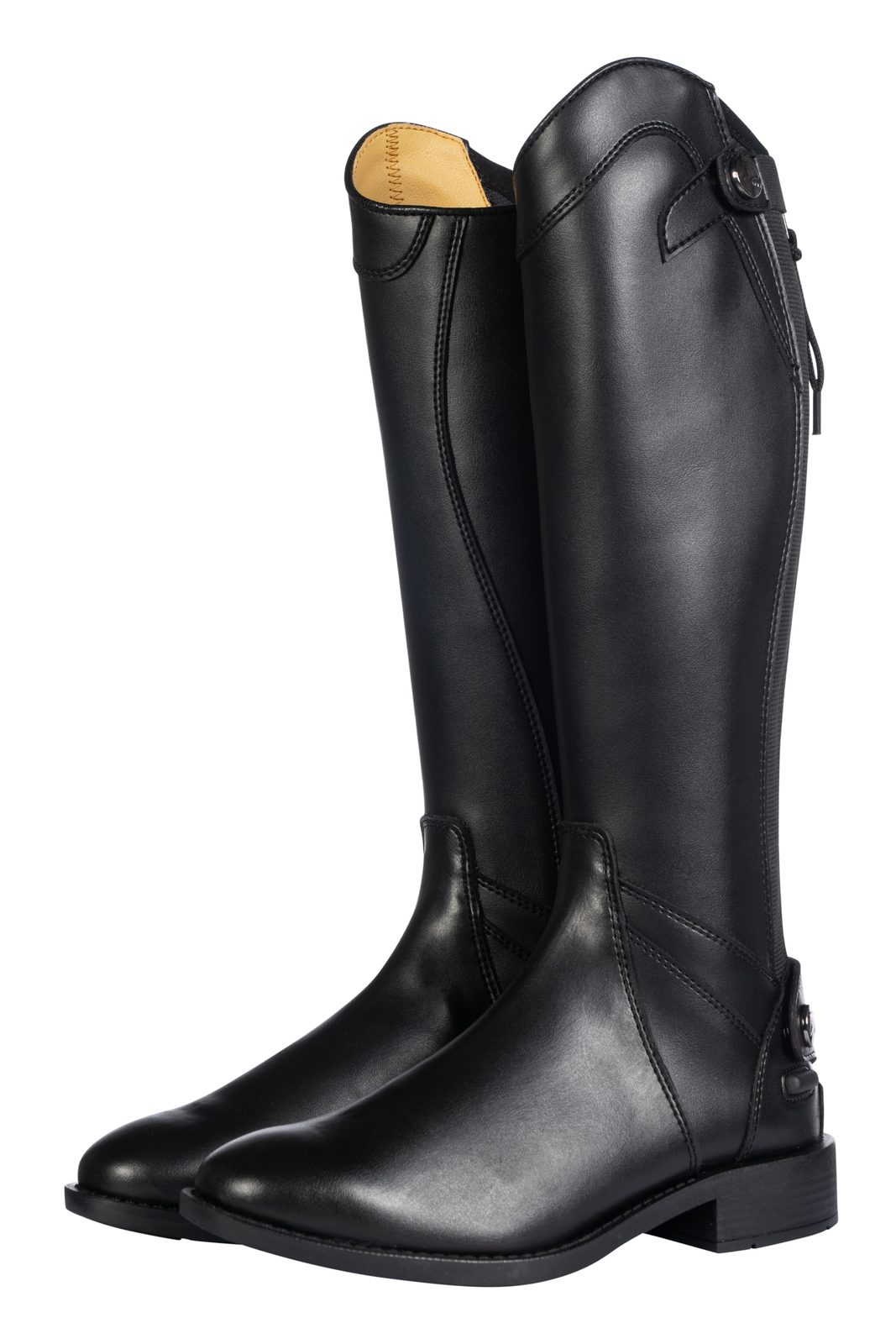
HKM
HKM Kids' Riding Boots Aberdeen standard height/narrow
incl. 19% VAT, plus shipping
In stock now · delivery in 3–5 days
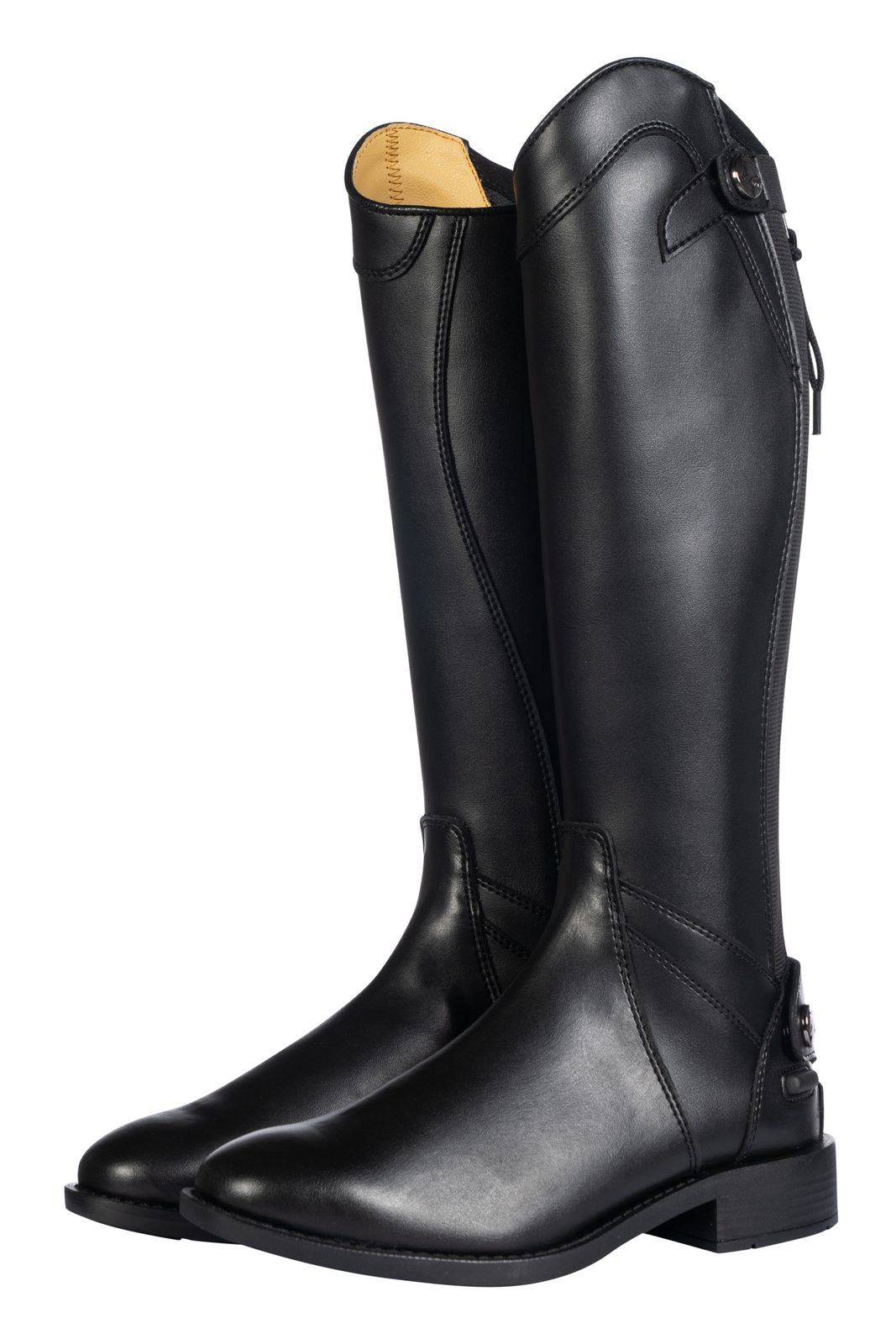
HKM
HKM Kids' Riding Boots Aberdeen long/narrow
incl. 19% VAT, plus shipping
In stock now · delivery in 3–5 days
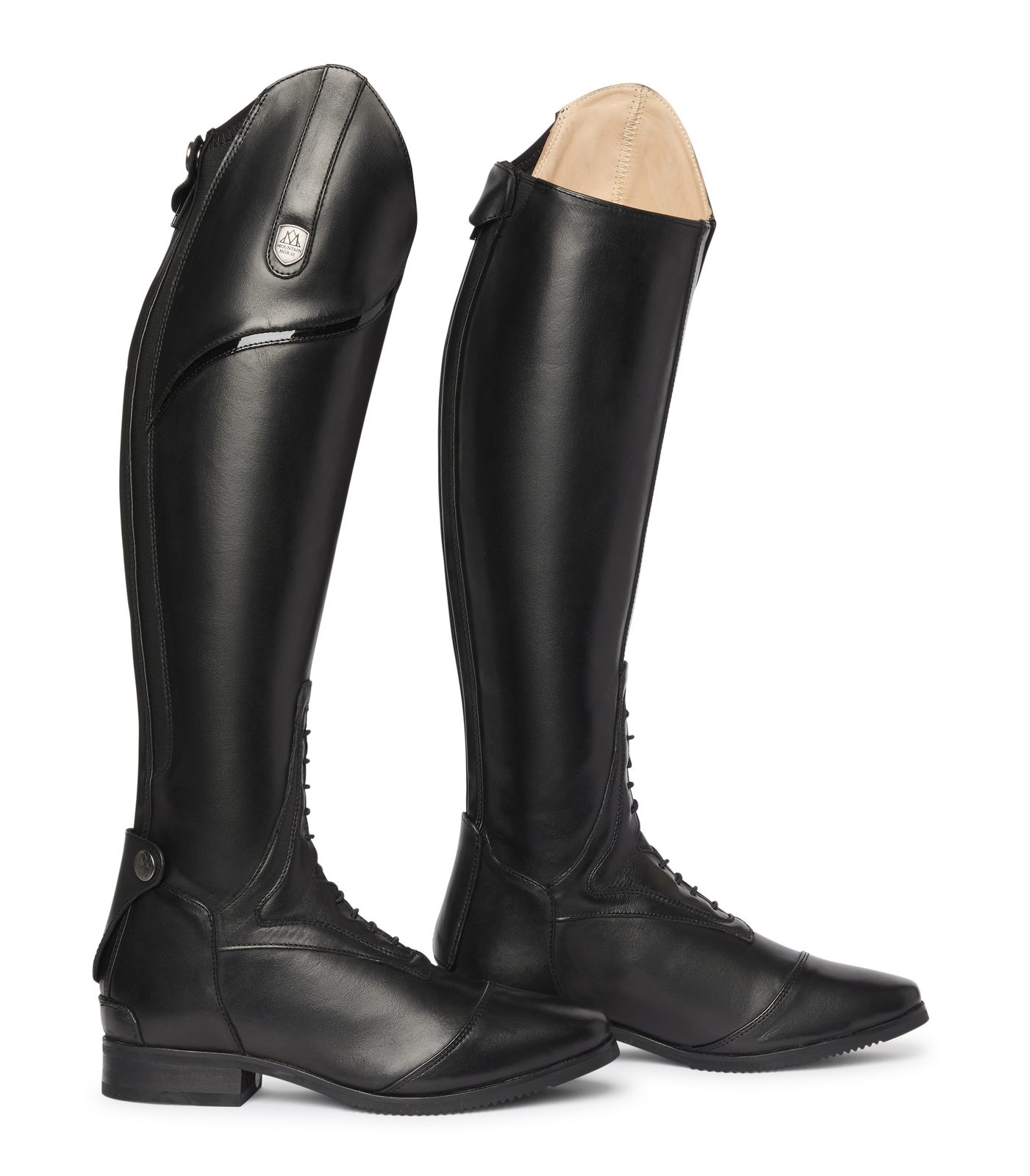
Mountain Horse
Mountain Horse Sovereign Riding Boots TR black
incl. 19% VAT, plus shipping
In stock now · delivery in 3–5 days
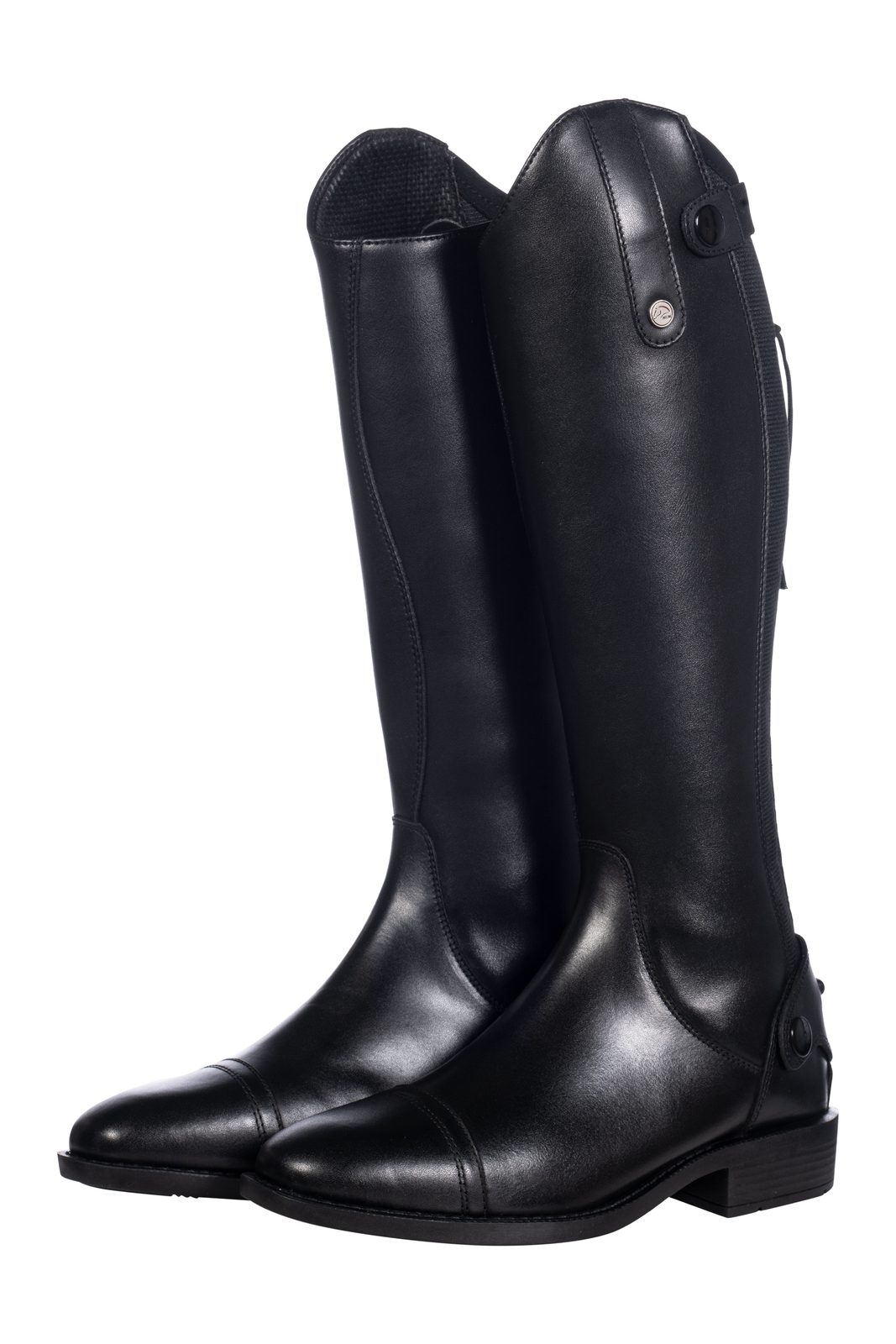
HKM
HKM Riding Boots Julie Kids standard length/narrow
incl. 19% VAT, plus shipping
In stock now · delivery in 3–5 days
HKM
HKM Riding Boots Julie Kids standard length/wide
incl. 19% VAT, plus shipping
In stock now · delivery in 3–5 days
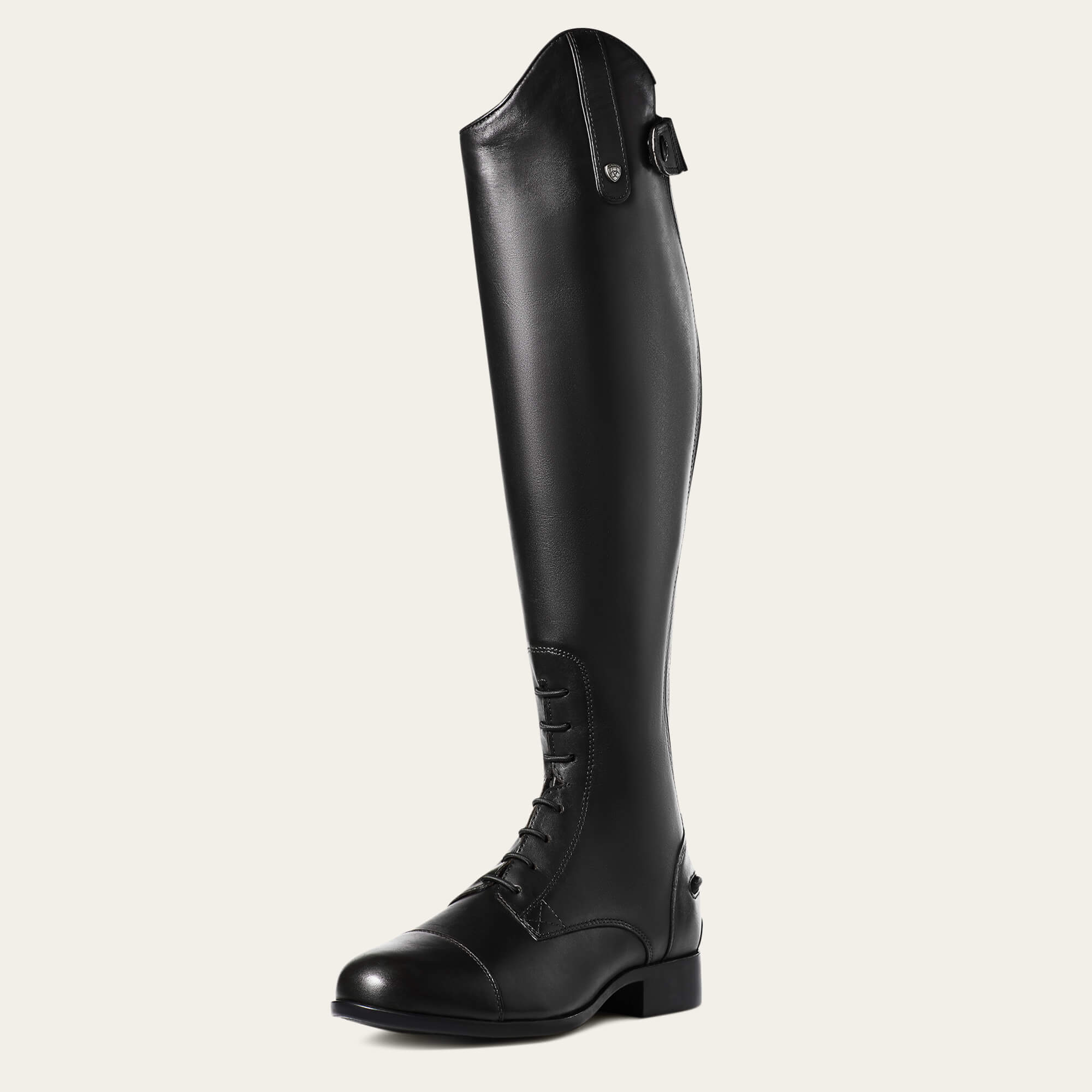
Ariat
Ariat Riding Boots Heritage Contour 2 XSM black
incl. 19% VAT, plus shipping
In stock now · delivery in 3–5 days
Ariat
Ariat Riding Boots Heritage Contour 2 FM black
incl. 19% VAT, plus shipping
In stock now · delivery in 3–5 days
Ariat
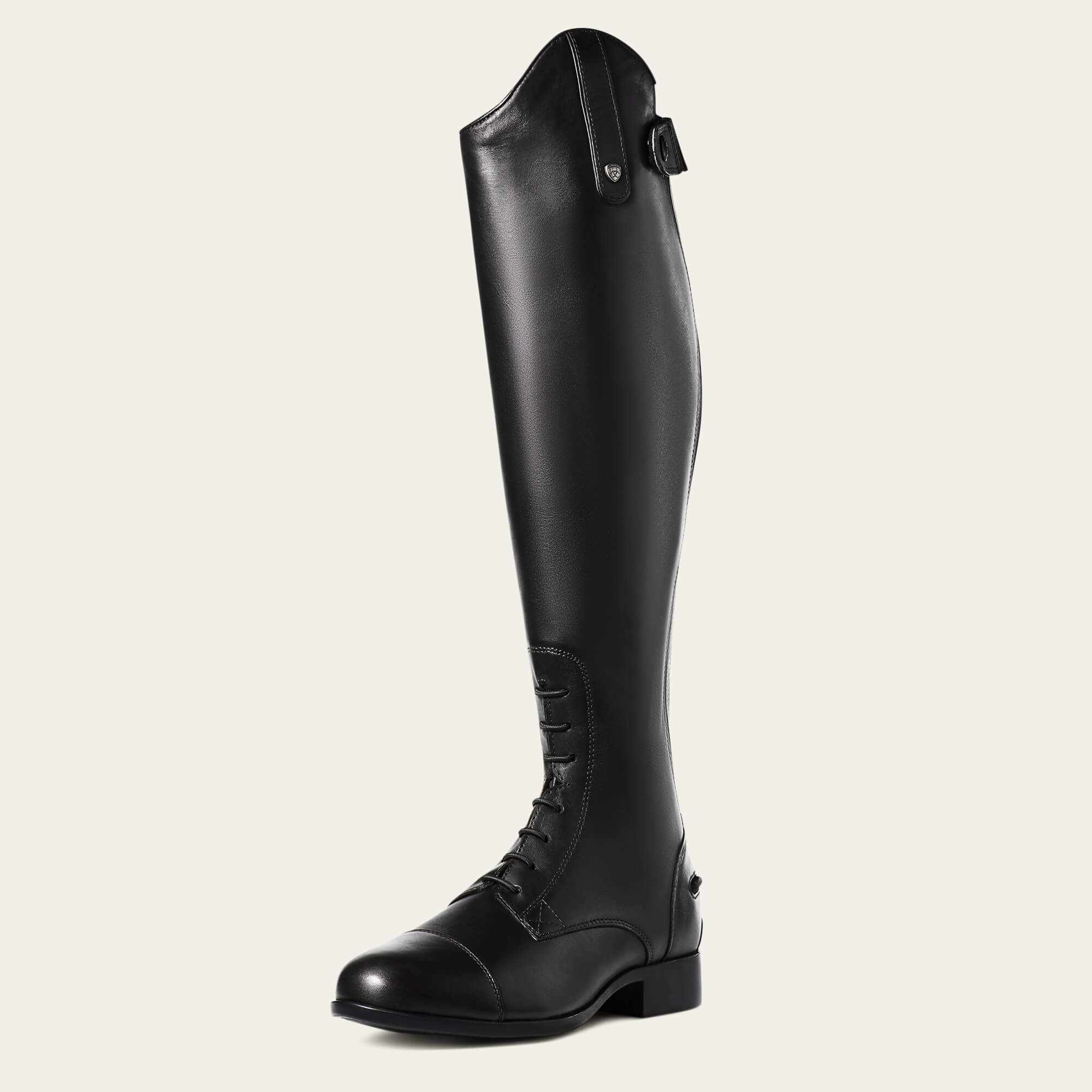
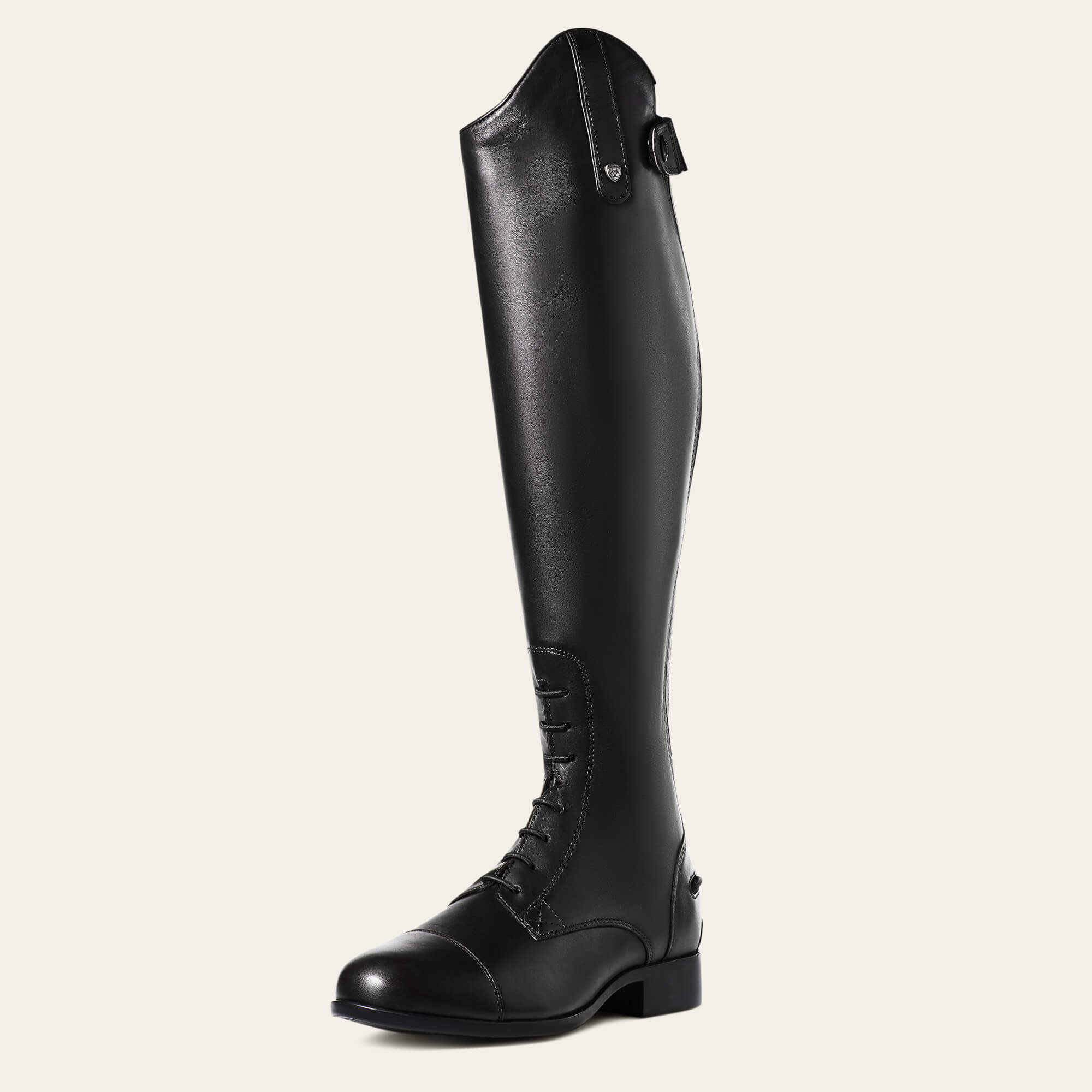
Ariat Riding Boots Heritage Contour 2 FT black
incl. 19% VAT, plus shipping
In stock now · delivery in 3–5 days
Ariat
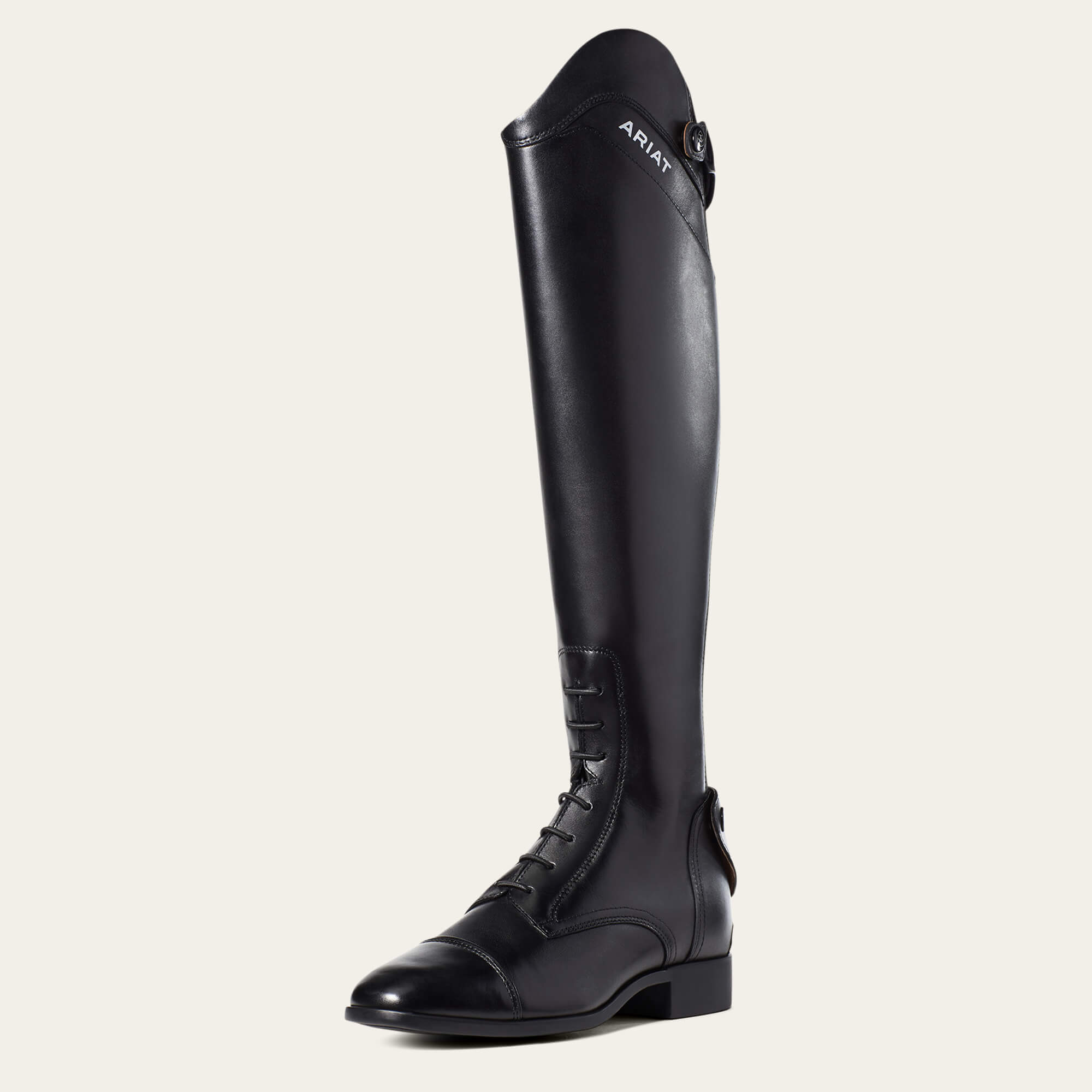
Ariat Riding Boots Palisade FM black
incl. 19% VAT, plus shipping
In stock now · delivery in 3–5 days
Ariat
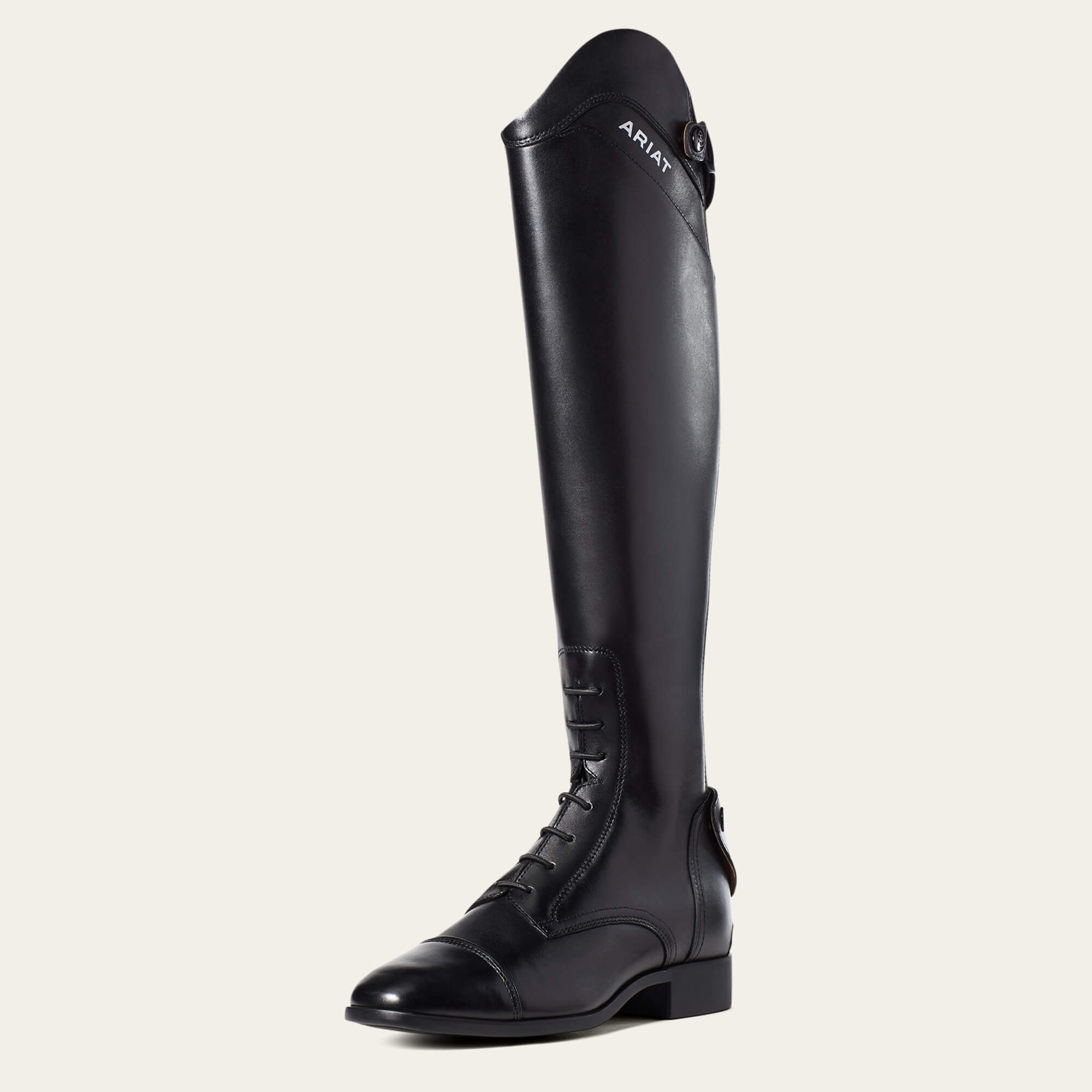
Ariat Riding Boots Palisade FT black
incl. 19% VAT, plus shipping
In stock now · delivery in 3–5 days
Ariat
Ariat Riding Boots Heritage Contour 2 RM black
incl. 19% VAT, plus shipping
In stock now · delivery in 3–5 days
HOBO
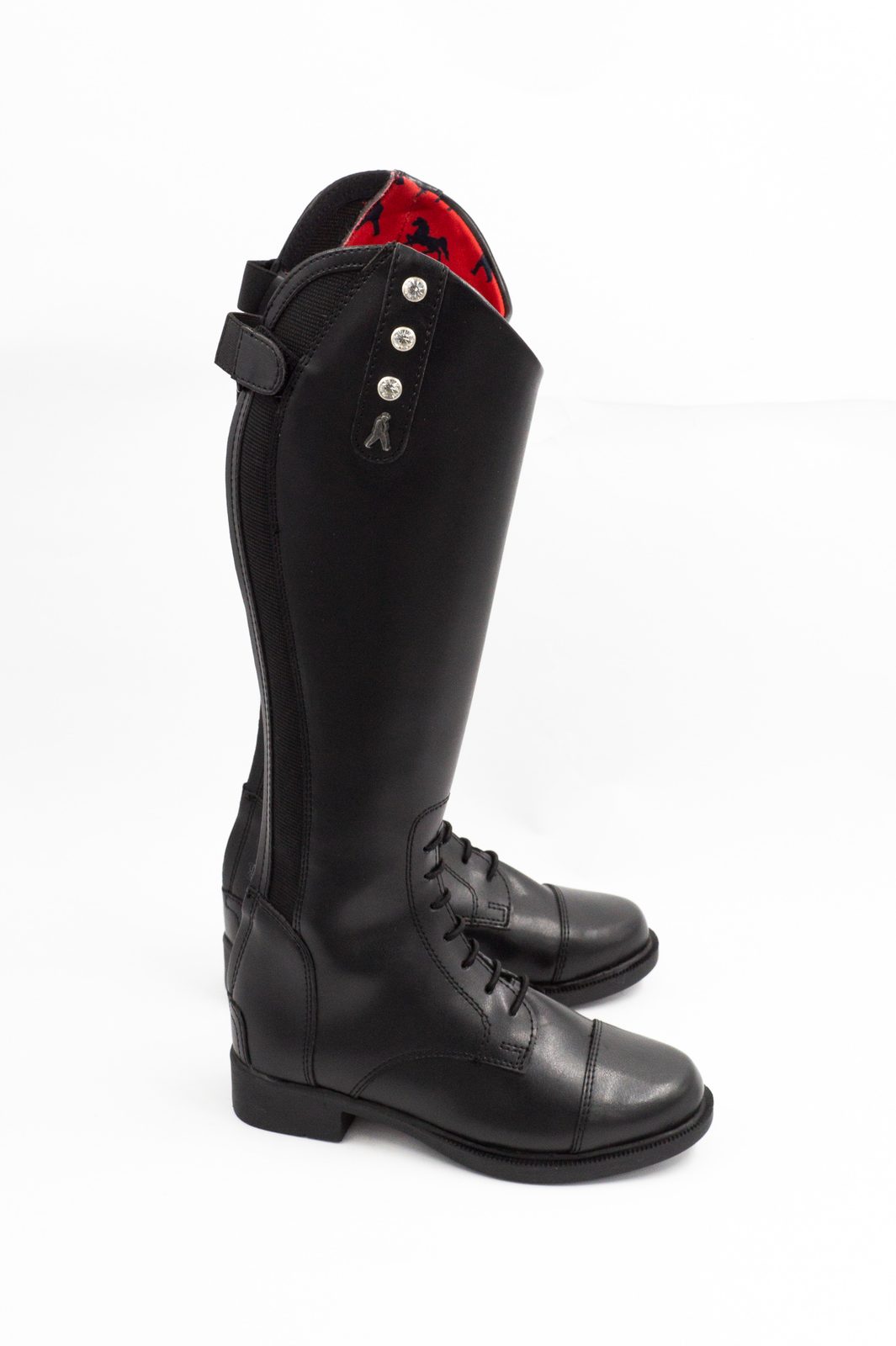
Hobo Kids' Riding Boots Smart Bling
incl. 19% VAT, plus shipping
In stock now · delivery in 3–5 days
All 56 products
take a look