
Saddle pad or saddle cloth: differences, shapes and fit
Saddle pad and saddle cloth differ mainly in the cut. We explain the abbreviations DR, VS and SP, the materials and what matters when you put the pad on.
Every saddle needs a pad underneath. It keeps sweat and dirt away from the leather and makes sure that the saddle does not rub directly on the coat. In the yard you will hear two terms for this: saddle pad and saddle cloth. You will also see abbreviations such as DR, VSS or SP on the label. In this article we sort out the terminology, explain the different shapes and show you how to recognise a well-fitting pad.
What is a saddle pad?
A saddle pad is a square-cut pad that is placed under the saddle and is clearly visible around the saddle. It protects the saddle from sweat and dirt, absorbs moisture and helps to distribute pressure on the horse’s back. The general term for anything that lies between saddle and horse is saddle underlay.
If someone asks what the cloth under the saddle is called, they usually mean the saddle pad or the saddle cloth. The only difference between the two is the cut, as we will show in the next section. There are also half pads or cushion pads, which are used in addition to the saddle pad, and under a Western saddle there is the Western pad.
The German word Schabracke itself is old. According to the Digital Dictionary of the German Language it was probably borrowed in the 17th century via the Hungarian csábrák from the Turkish çaprak. Originally it meant a decorated cloth that was placed under the saddle or spread over the horse.
What is the difference between a saddle pad and a saddle cloth?
The main difference is the cut: the saddle pad is square and larger, the saddle cloth follows the contours of the saddle. A saddle pad is therefore clearly visible under the saddle and extends a long way beyond the saddle flap at the back. It covers a larger area of the horse’s back.
The saddle cloth on the other hand is cut to the shape of the saddle and is hardly visible when the saddle is on. Many riders like it for a simple look or choose this shape for sheepskin pads, which also often follow the shape of the saddle. A special variant is the baroque saddle pad with a pointed back corner. In terms of function there is hardly any difference between saddle pad and saddle cloth, both are designed to protect the saddle and absorb moisture.
Why does my horse need a saddle pad at all?
A saddle pad absorbs sweat, protects the saddle from dirt and wear and reduces friction between saddle and coat. At the same time it helps to distribute the weight of the saddle more evenly and to prevent rubs. A saddle without a pad would become dirty more quickly and the leather would need to be cleaned far more often.
There is one important thing you should not expect from a pad: it does not turn an ill-fitting saddle into a well-fitting one. According to a report in the magazine Cavallo, measurements by the University of Veterinary Medicine Vienna showed that ordinary saddle pads do not change the fit of a saddle. If a saddle causes pressure, you need a saddler, not a thicker pad.
What do DR, VS, SP and the other abbreviations mean?
The abbreviations indicate which type of saddle the pad fits: DR or D stands for dressage, VS, VSS or VSD for general purpose (Vielseitigkeit) and SP, SR or S for show jumping. The reason is that the pad has to match the shape of the saddle and its flaps so that it lies under the saddle everywhere and is not too short anywhere. A dressage saddle pad under a jumping saddle, or the other way round, usually does not fit properly. There are separate cuts for dressage, jumping and general purpose saddles.
Which size do I need: Pony, Cob or Full?
In addition to the saddle type there are size indications for the horse’s build. The usual sizes are Pony (P), Cob for lighter-framed horses and Full or WB (Warmblood) for larger horses. Some manufacturers also offer Draught sizes (KB). In the end, however, the length of your saddle is decisive, not only the size of the horse. One saddler’s recommendation is that the pad should extend at least about 6 cm beyond the length of the saddle.
And what goes under a Western saddle?
Under a Western saddle there is a padded Western pad, often made of felt, wool or neoprene. Because the Western saddle itself has no flocking, the pad takes over this function. A decorative blanket is unpadded and is only used in addition.
Which material is best for a saddle pad?
Good material reliably absorbs sweat, allows air to circulate and is easy to care for, and in most cases this is a blend of cotton and polyester. Pure cotton is thin and very absorbent. Synthetic fabrics are easy to care for but less breathable than natural fibres. Sheepskin regulates temperature well but needs more effort to care for.
Many models have wadding or a thin foam layer inside that is intended to distribute pressure. The quilting is more than just appearance. Some manufacturers use patterns that create small air channels. Non-slip elements on the underside can prevent the pad from moving.
- Cotton: absorbent, light, ideal for everyday use.
- Polyester and blends: robust, retains its shape, dries quickly.
- Sheepskin or teddy fleece: soft and cushioning, more care required.
How thick can a saddle pad be?
For the basic protective function a fairly thin pad is enough, as a rule of thumb 0.5 to 1.5 cm is mentioned. Thicker pads sound like more comfort but can make the gullet at the withers narrower. A saddle that fits without a pad may be too tight with a thick pad. Saddlers therefore usually recommend pads that are as thin as possible.
An anatomical cut with a slight curve in the withers area is helpful. This means the pad does not sit tightly in the place where the spinous processes are sensitive.
Does a riding pad need an extra saddle pad underneath?
You do not necessarily have to put a saddle pad under a riding pad that you use to ride without a saddle, but many riders use a thin pad underneath. It absorbs sweat and dirt and keeps the riding pad clean. What is meant here is the bareback pad, that is a cushioned pad for riding without a saddle.
For horses with a bony back, suppliers recommend an additional padded underlay without a tree. Riders who are heavier, ride frequently or spend a long time riding with a riding pad also often choose this kind of extra padding. A riding pad has no tree and does not distribute weight in the same way as a correctly fitting saddle. It is therefore important that the spine stays free and that the pad lies smooth and without folds.
It is different with a half pad or cushion pad that lies under a saddle. It is shorter at the sides than a saddle pad and is used in addition to a saddle pad or saddle cloth, not instead of one. The best way to decide whether your horse needs such a pad at all is to discuss it with your saddler.
How do I put the saddle pad correctly under the saddle?
After placing the saddle, pull the pad up into the gullet, in other words into the channel over the spine. This lifting into the gullet is the most important step. If the pad lies tight over the withers it creates pressure there, even if it is anatomically shaped.
Then check three things:
- The pad lies smooth under the whole saddle, even after tightening the girth.
- The saddle does not sit on the back edge or the seam of the pad. This would create pressure points.
- The pad is not too big. Too much fabric creates folds and can change the saddle position.
Why does the saddle pad slip backwards?
In most cases a saddle pad slips backwards because it is not attached to the saddle or has not been pulled up into the gullet correctly. If it lies loosely under the saddle, the horse’s movement gradually pushes it out. Less often the saddle itself is the cause.
Work through these points one by one:
- Use loops and hook-and-loop fastenings: Many saddle pads have loops for the girth and girth straps, or hook-and-loop fastenings. Thread the girth through the girth loop and close the girth strap loops so that the pad stays firmly attached to the saddle. Experts recommend adjusting the position of the pad individually using the hook-and-loop fastenings.
- Lifting into the gullet: After placing the saddle, pull the saddle pad up into the gullet at the front. This way it does not lie tightly on the withers and is less likely to work its way out.
- Check after tightening the girth: Check the position again after you have tightened the girth and once you are in the saddle. The girth must not pull the pad together.
If the whole saddle slips backwards, the problem lies deeper. A saddler should then check the fit and the position of the girth straps, because correctly fitted straps are meant to prevent this slipping. A thicker or non-slip pad is not a permanent solution.
How do I wash saddle pads without damaging them?
Most saddle pads can be washed on a gentle cycle at 30 °C with a mild detergent, then air dried. Brush off hair and dirt thoroughly beforehand or use a laundry bag to keep the washing machine clean. Do not use fabric softener or the tumble dryer. Pull the pad into shape after washing. Sheepskin usually needs to be washed by hand. The manufacturer’s care label is always decisive.
A tip from everyday yard life: if you use two or three pads in rotation, you can let each one dry completely after riding and you will not have to wash as often.
Does the saddle pad have to be white for competitions?
In dressage, white saddle pads are common at competitions and form part of the classic look. Originally they were used to attach the rider’s number. Whether specific requirements apply to your class can be found in the relevant schedule.
At Ahrens Reitsport you will find a large selection of saddle pads and other pads and numnahs for dressage, jumping and general purpose saddles. In our shop in Tangstedt we are happy to advise you on shape and size, and if you would like your saddle pad with your name or riding club logo, you can have it customised through our embroidery service, also for team orders.
From our range
Matching products
Tommy Hilfiger Equestrian
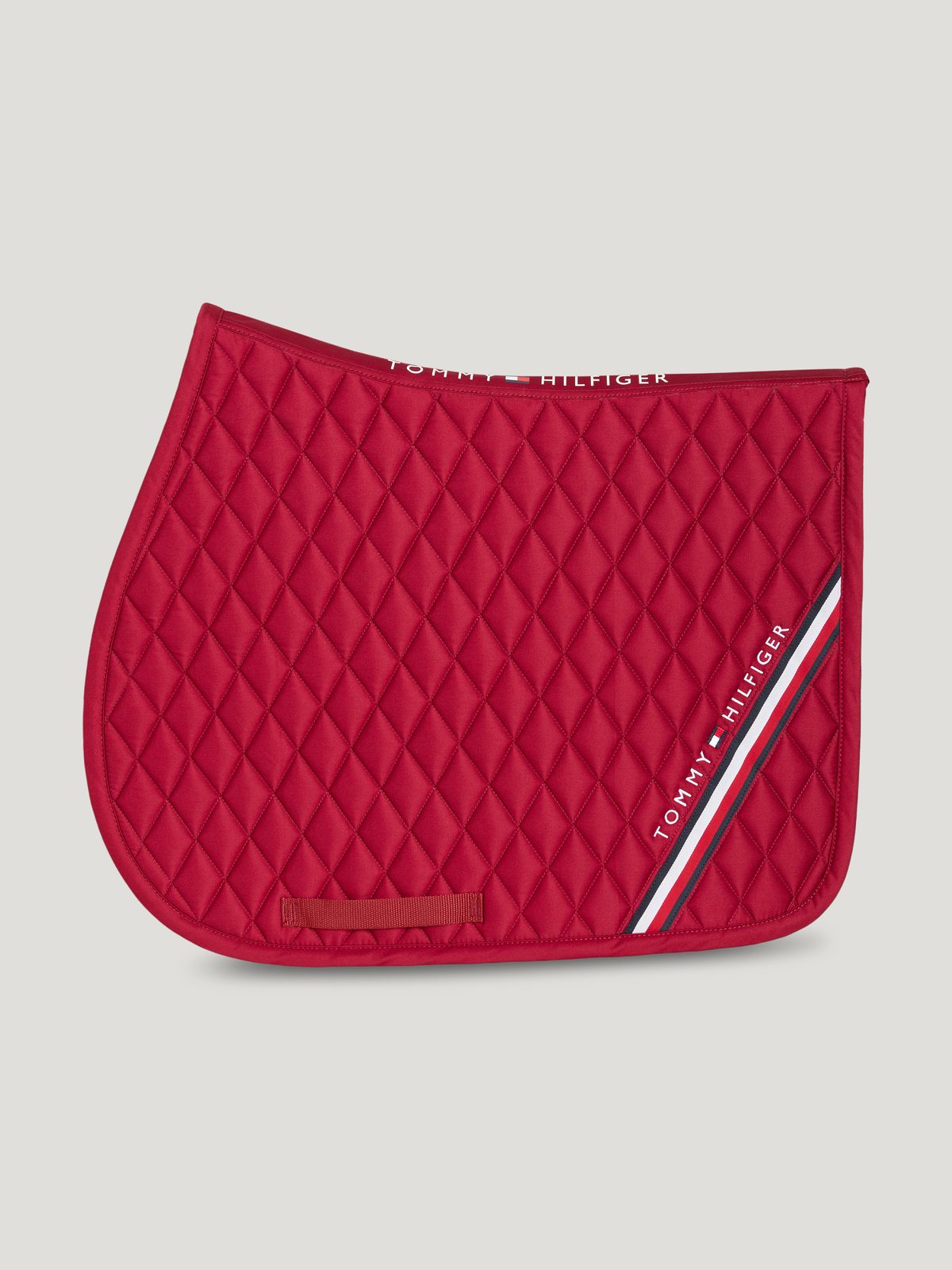
Tommy Hilfiger Equestrian Stanford Saddle Pad
incl. 19% VAT, plus shipping
In stock now · delivery in 3–5 days
Tommy Hilfiger Equestrian
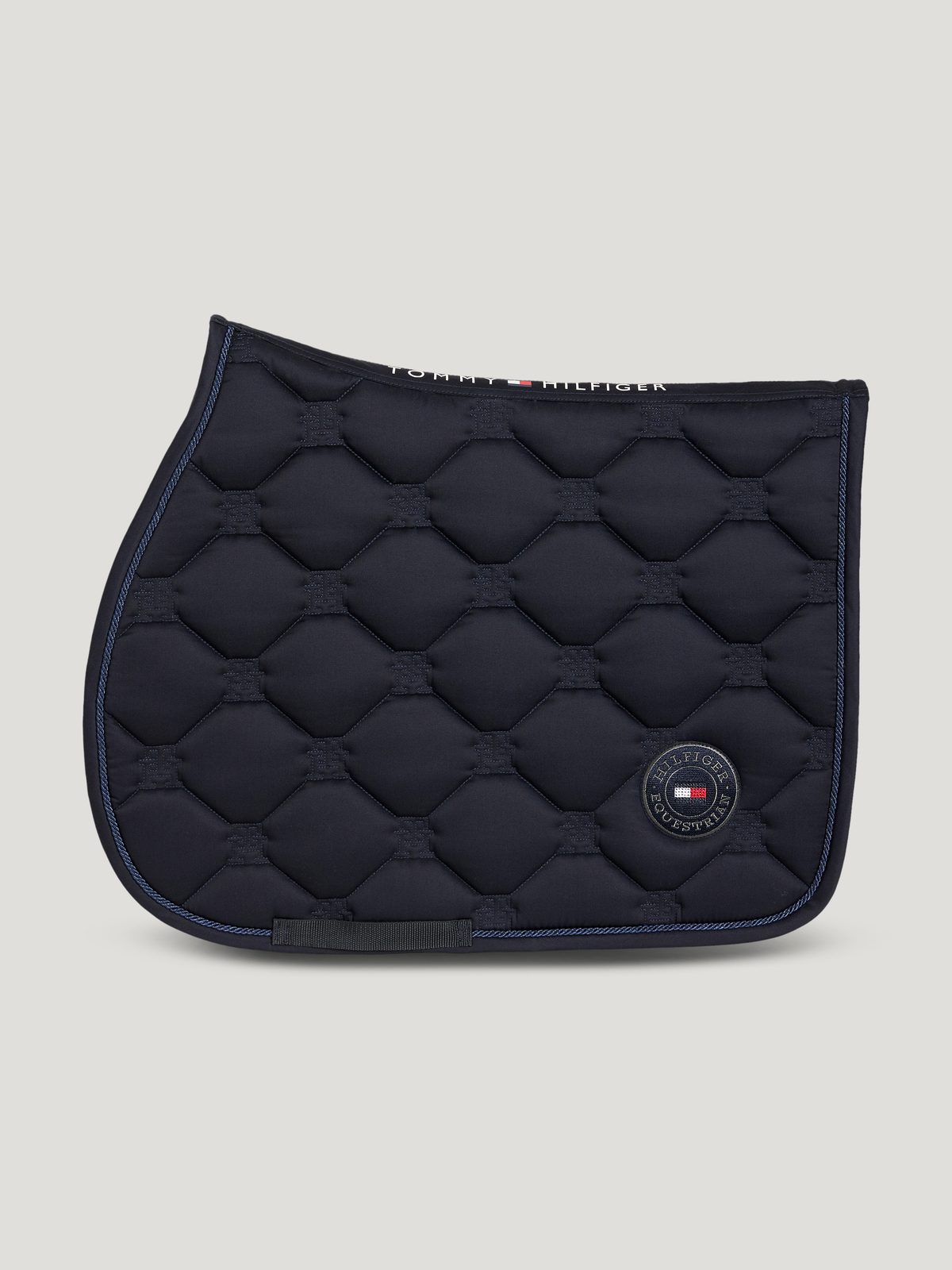
Tommy Hilfiger Liberty Saddle Pad
incl. 19% VAT, plus shipping
In stock now · delivery in 3–5 days
Tommy Hilfiger Equestrian
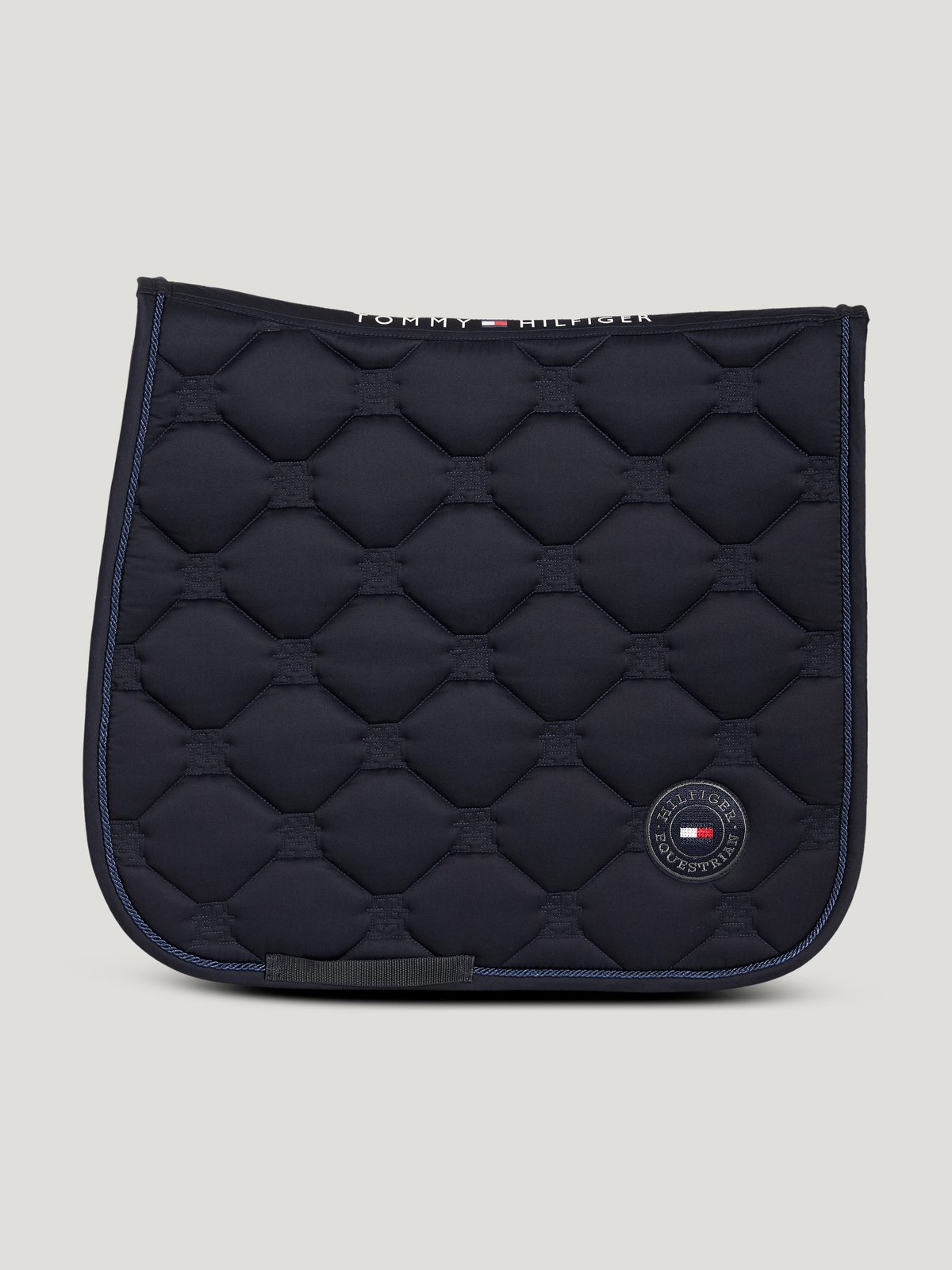
Tommy Hilfiger Liberty Saddle Pad Dressage
incl. 19% VAT, plus shipping
In stock now · delivery in 3–5 days
Tommy Hilfiger Equestrian
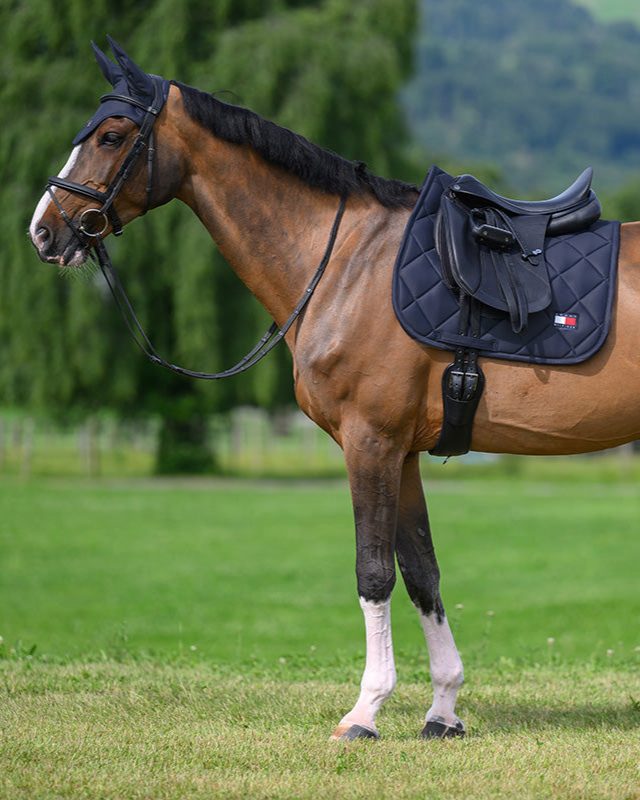
Tommy Hilfiger Equestrian Saddle Pad Columbia
incl. 19% VAT, plus shipping
In stock now · delivery in 3–5 days
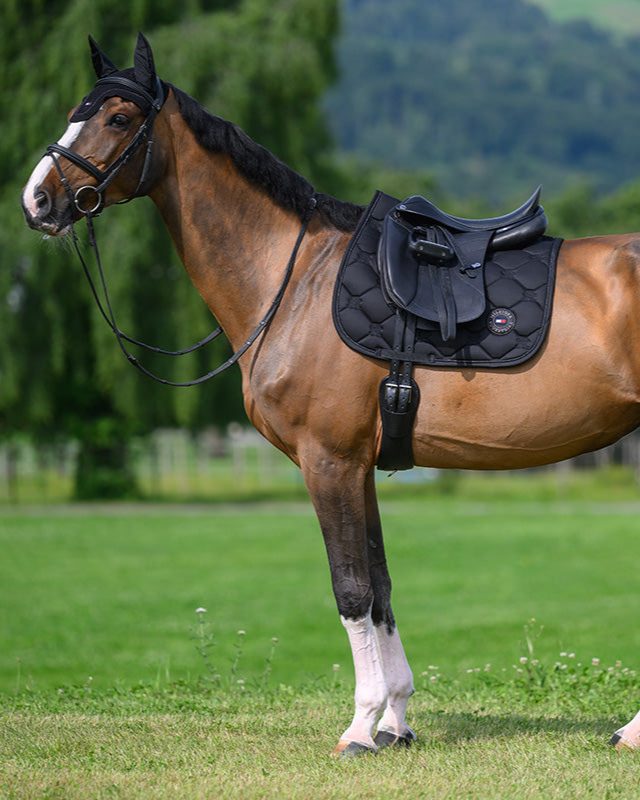
Tommy Hilfiger Equestrian
Tommy Hilfiger Equestrian Saddle Pad Emory
incl. 19% VAT, plus shipping
In stock now · delivery in 3–5 days
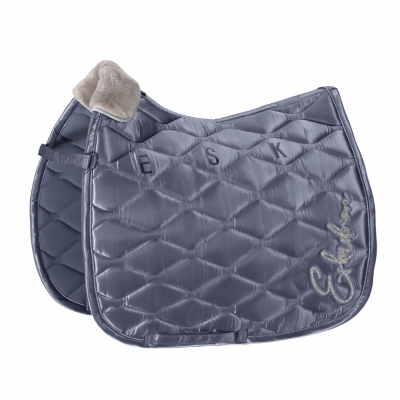
Eskadron
Saddle Pad Satin Essence AW22 Eskadron
incl. 19% VAT, plus shipping
In stock now · delivery in 3–5 days
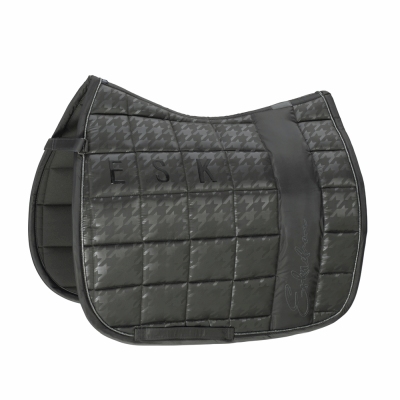
Eskadron
Saddle Pad Big Square Glossy Essence AW22
incl. 19% VAT, plus shipping
In stock now · delivery in 3–5 days
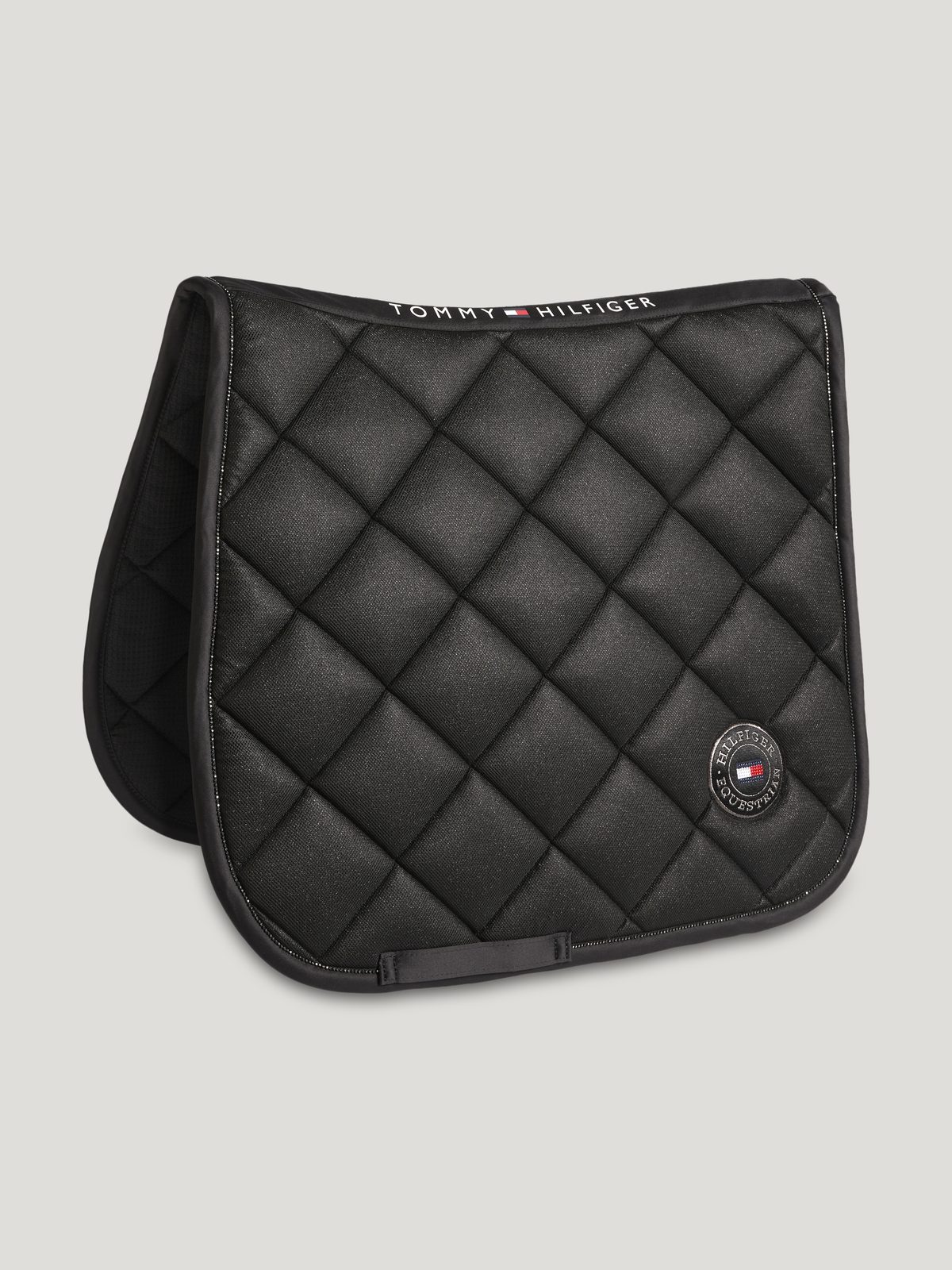
Tommy Hilfiger Equestrian
Parsons Dressage Saddlepad BLACK
incl. 19% VAT, plus shipping
In stock now · delivery in 3–5 days
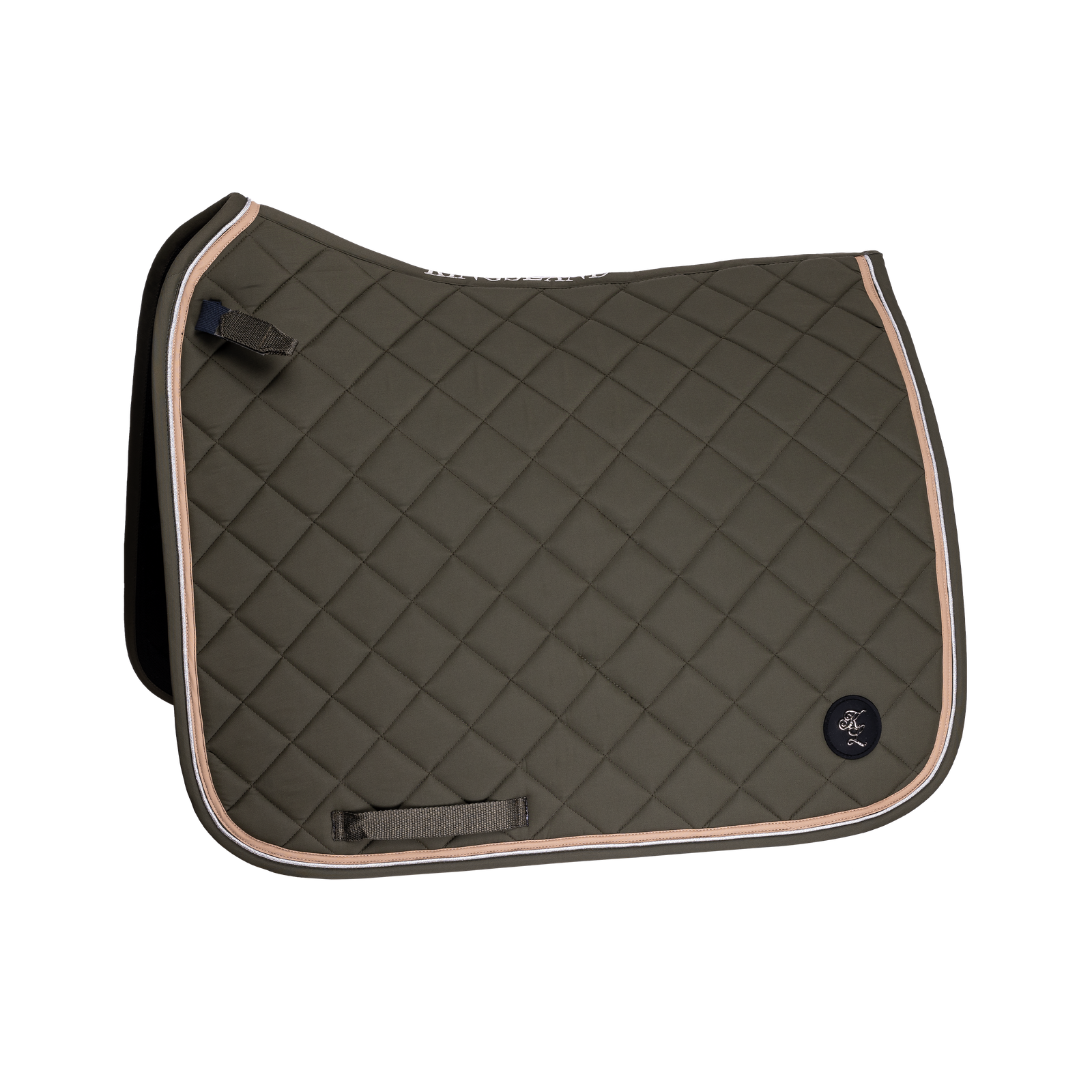
Kingsland
Kingsland KLella Saddle Pad
incl. 19% VAT, plus shipping
In stock now · delivery in 3–5 days
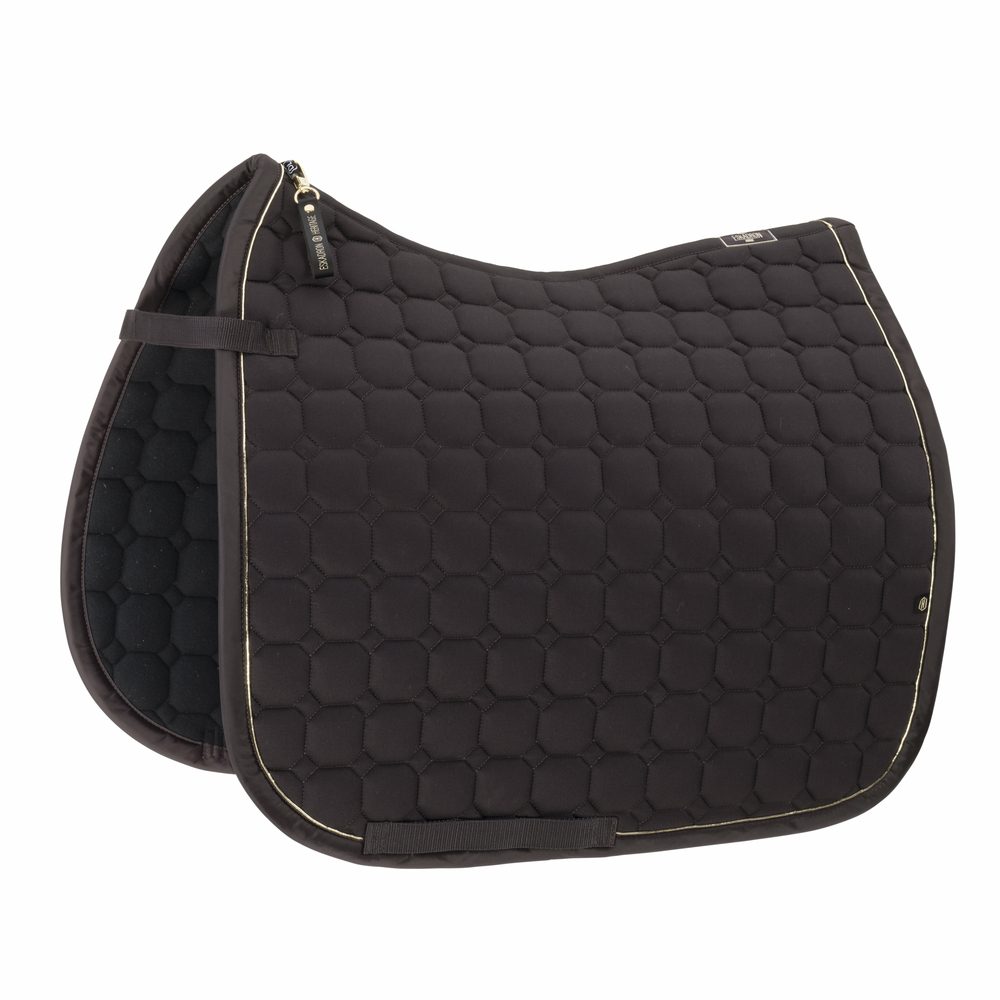
Eskadron
Eskadron Saddle Pad Cotton Heritage 25/26
incl. 19% VAT, plus shipping
In stock now · delivery in 3–5 days
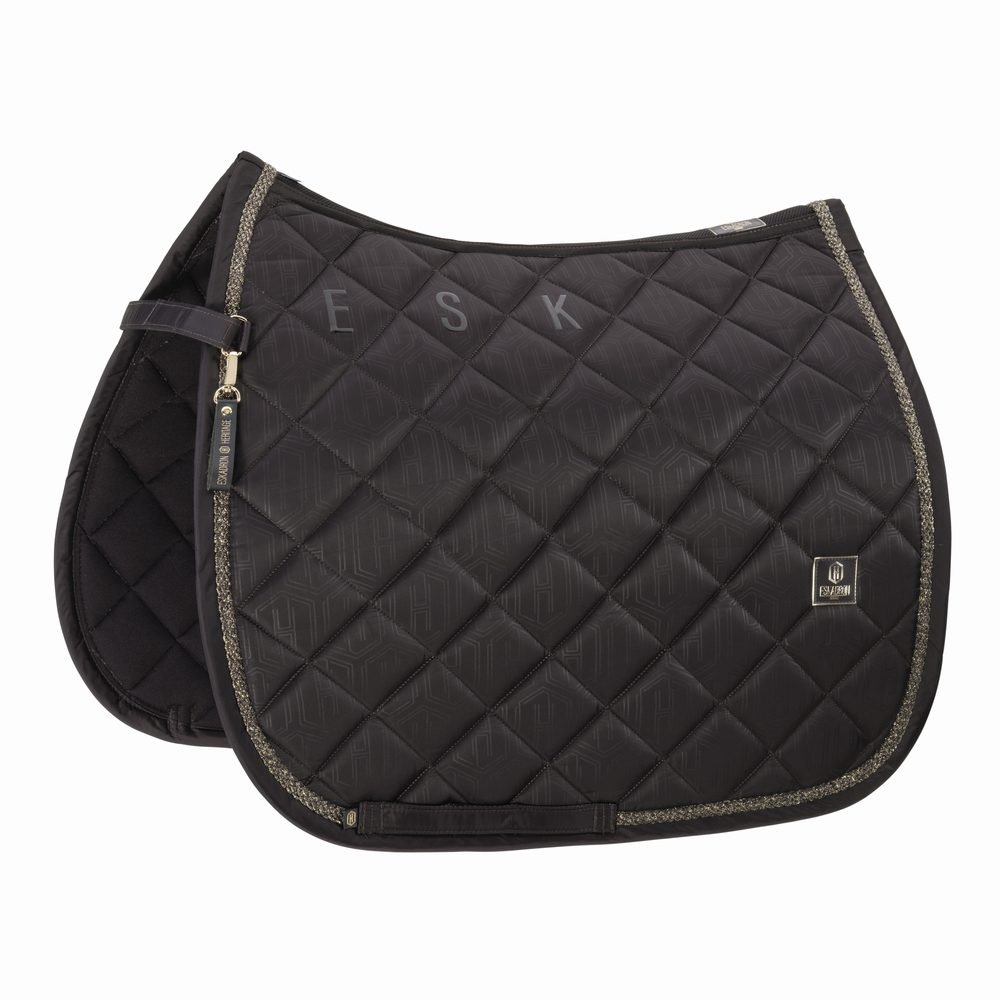
Eskadron
Eskadron Saddle Pad Glossy Heritage 25/26
incl. 19% VAT, plus shipping
In stock now · delivery in 3–5 days
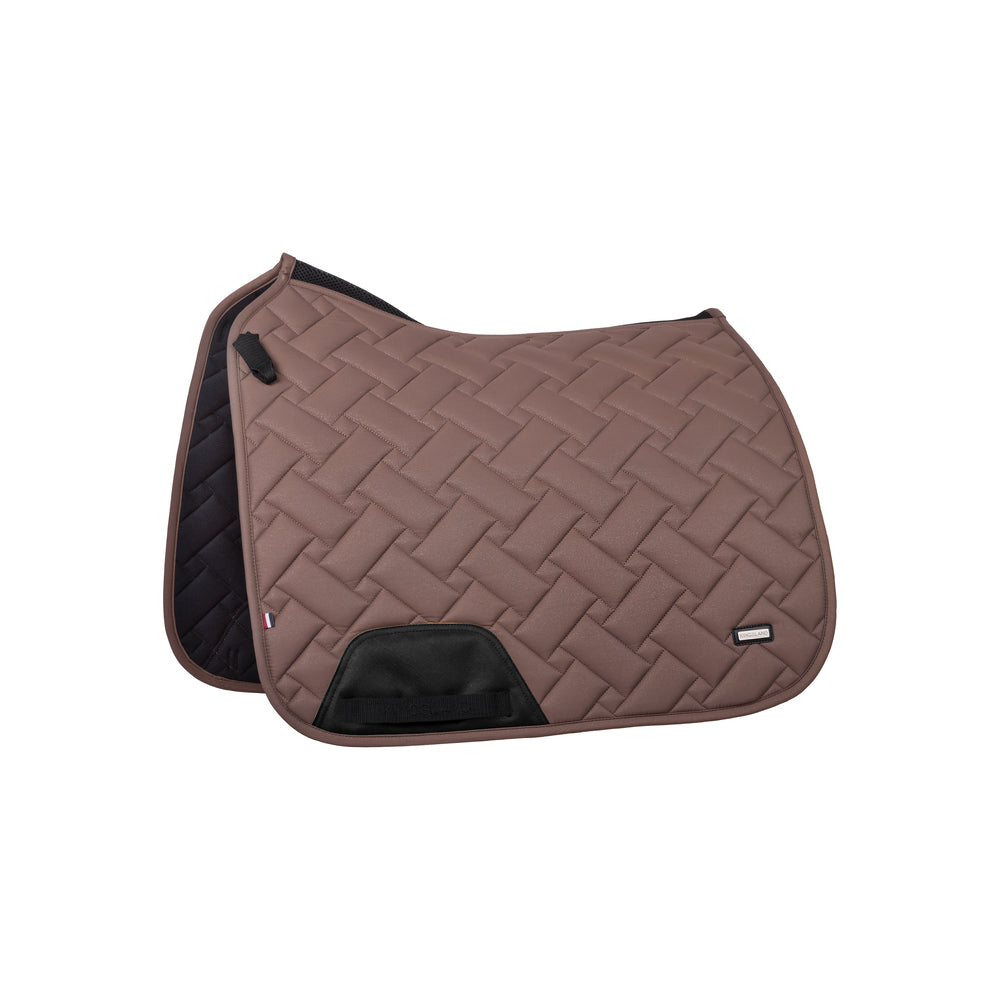
Kingsland
Kingsland KLLexie Dressage Saddle Pad
incl. 19% VAT, plus shipping
In stock now · delivery in 3–5 days
All 83 products
take a look