
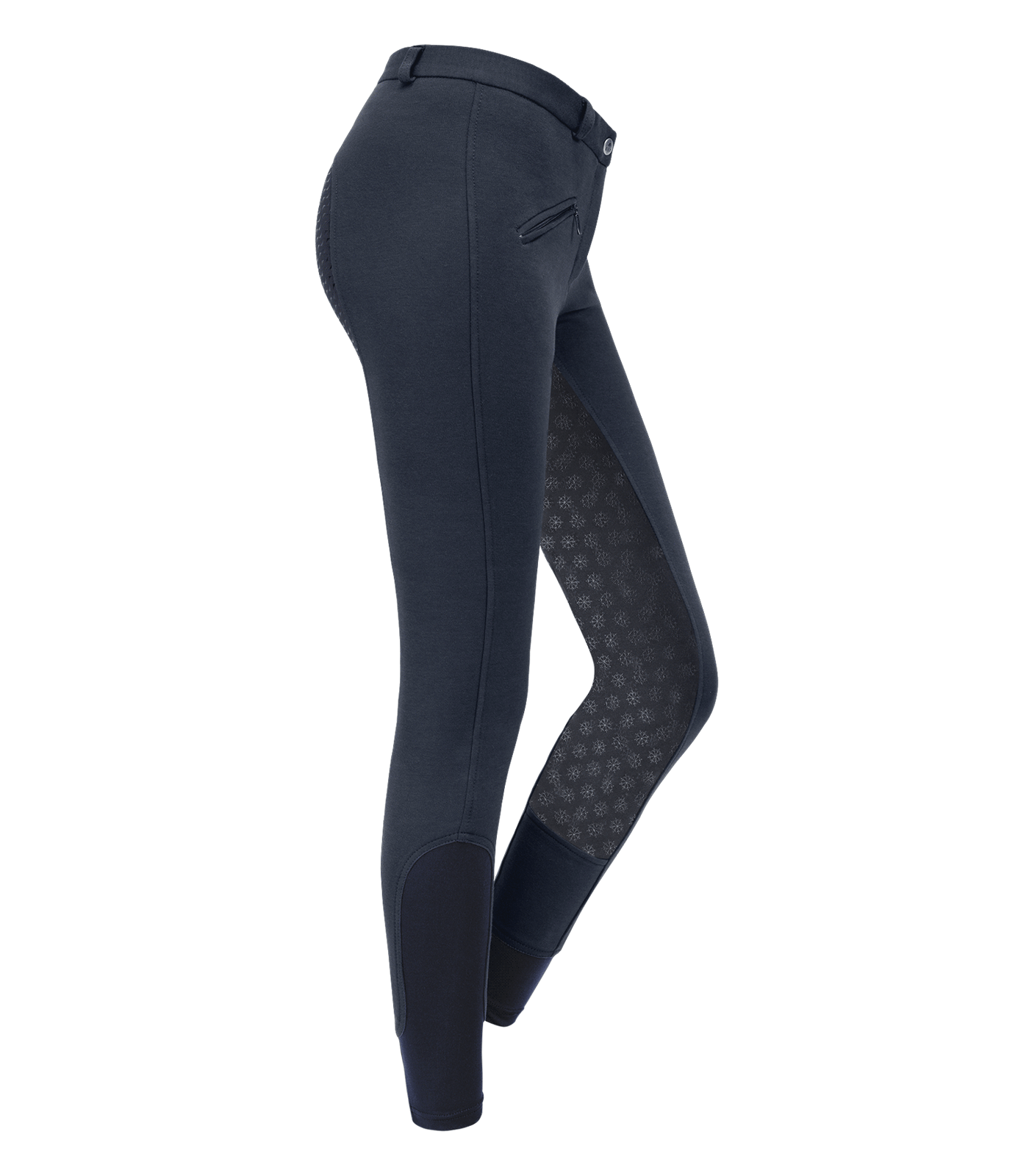
Winter breeches and thermal breeches: warm and flexible in the saddle
Softshell, fleece or overtrousers? How to find winter riding breeches that keep you warm without constricting you, and how to keep them functional for a long time.
When there is frost on the arena in the morning, many riders quickly notice that their summer riding breeches reach their limits. Cold thighs make your seat stiff and wind passes unhindered through thin fabric. Winter riding breeches or thermal riding breeches solve this problem if they are chosen correctly. We explain which materials are available, how the breeches should fit and how you should care for them.
What distinguishes winter riding breeches from normal riding breeches?
Winter riding breeches retain body heat with a warming inner material and protect from wind and light wetness on the outside. Most models have a fleece inner side or are made from softshell. Air collects in the soft, fluffy layer, is warmed up by your body and acts like a thermal buffer.
Thermal riding breeches are available in all the familiar cuts: as classic riding breeches, as jodhpurs and as riding tights. You therefore do not have to forgo your usual cut just because the temperature drops.
Softshell or fleece: which material is warmer?
Softshell is considered the more effective choice because it combines two functions: insulating fleece on the inside and a robust, usually water-repellent fabric on the outside. According to the specialist magazine Cavallo, simple thermal fabrics with only a slightly brushed inner side are nowhere near as effective. Softshell also offers a balanced combination of wind protection, stretch and breathability.
It is important to know that softshell is water-repellent but not completely waterproof. For snow and light rain this is usually sufficient. Anyone hacking out in persistent rain needs additional protection.
How can I test whether a pair of riding breeches is windproof?
Hold your hand behind the fabric and blow hard against it from the outside. If you hardly feel anything, the material is largely windproof. With open-pored fabrics the airstream comes through clearly. Cavallo recommends this simple test when you try breeches on.
And what about padded breeches?
Padded breeches insulate more than fleece but they add more bulk and dry more slowly. For work in the saddle, where you need freedom of movement and good contact with the horse, slim fleece or softshell breeches are usually more practical.
Should I buy winter riding breeches one size larger?
Often yes, because winter riding breeches that are too tight are less warm. Cavallo recommends choosing winter breeches one size larger. If the fabric is too tight, the fleece is compressed, it can store less air and moisture is transported away less effectively.
Also factor in what you wear underneath. If you use technical underwear, you should not buy the breeches too tight so that the layers do not constrict you. It is best to try on the breeches with the socks, underwear and boots you actually wear in winter. Since riding breeches sizes vary from brand to brand, trying them on is in any case the safest option.
Base layer underneath, or proper thermal breeches instead?
For cold days, proper thermal riding breeches are the better base and technical underwear can be a useful addition in frost. The layering principle from the outdoor sector also works in the saddle: a close-fitting first layer wicks sweat away from the skin, a middle layer insulates and an outer layer protects from wind and weather.
Thin technical or merino underwear under thermal breeches improves the microclimate. Thermal underwear under ordinary summer riding breeches is only a compromise. It can restrict freedom of movement, and wind protection and water repellence are still lacking.
Grip or leather seat: what gives better security in the cold?
Silicone grip and synthetic leather patches remain flexible even at low temperatures and therefore provide reliable grip in winter. A full-seat grip gives you a non-slip position in the saddle. If you prefer more freedom at the thighs, you can choose a knee patch. The choice of grip in winter therefore follows the same considerations as in summer: discipline, feel in the saddle and personal preference.
When are overtrousers more worthwhile than thermal breeches?
Overtrousers are particularly worthwhile if you spend a lot of time doing yard work and ride in between. They are pulled on over normal riding breeches and, thanks to full-length side zips, can be put on and taken off quickly, even with boots. Many models are water-repellent, windproof and lined.
For hacking out, overtrousers are less suitable because they are bulkier and reduce contact with the saddle. An alternative for walks, yard work and quiet rides is a riding skirt made from fleece or softshell, which additionally protects thighs and hips from the wind.
How do I wash thermal riding breeches correctly?
Wash thermal riding breeches at 30 °C on a delicates or gentle cycle with mild detergent and do not use fabric conditioner under any circumstances. Fabric conditioner can coat technical fibres and in the case of softshell it can cause the layers to come apart. Turn the breeches inside out before washing and remove horsehair beforehand with a lint roller.
High heat in the tumble dryer damages the material. If the water repellence diminishes over time, ironing at a low temperature can help according to Cavallo. In every case, follow the care label of the manufacturer.
What else is part of your winter gear apart from breeches?
Warm feet and hands are just as important as warm legs, which is why lined riding boots, thermal gloves and a thin hat under your riding helmet are worthwhile. For winter riding boots, linings made from sheepskin, fleece or synthetic fur are considered especially warm. The sole should not have too coarse a tread so that your foot does not get caught in the stirrup. For thick winter socks, a little space in the boot is advisable.
Gloves should not be so thick that your fingers become immobile, because you need a fine feel on the reins. Instead of a scarf that can get tangled, a polo neck is the safer choice. Experts also recommend briefly warming up and stretching your own muscles before getting on, just as you do for your horse.
In the shop of Ahrens Reitsport in Tangstedt you can try on various riding breeches in peace and compare the brands’ sizes directly. Our riding breeches advice helps you find the right cut, grip and fit for the winter. Matching winter riding boots are also available in our range.
From our range
Matching products
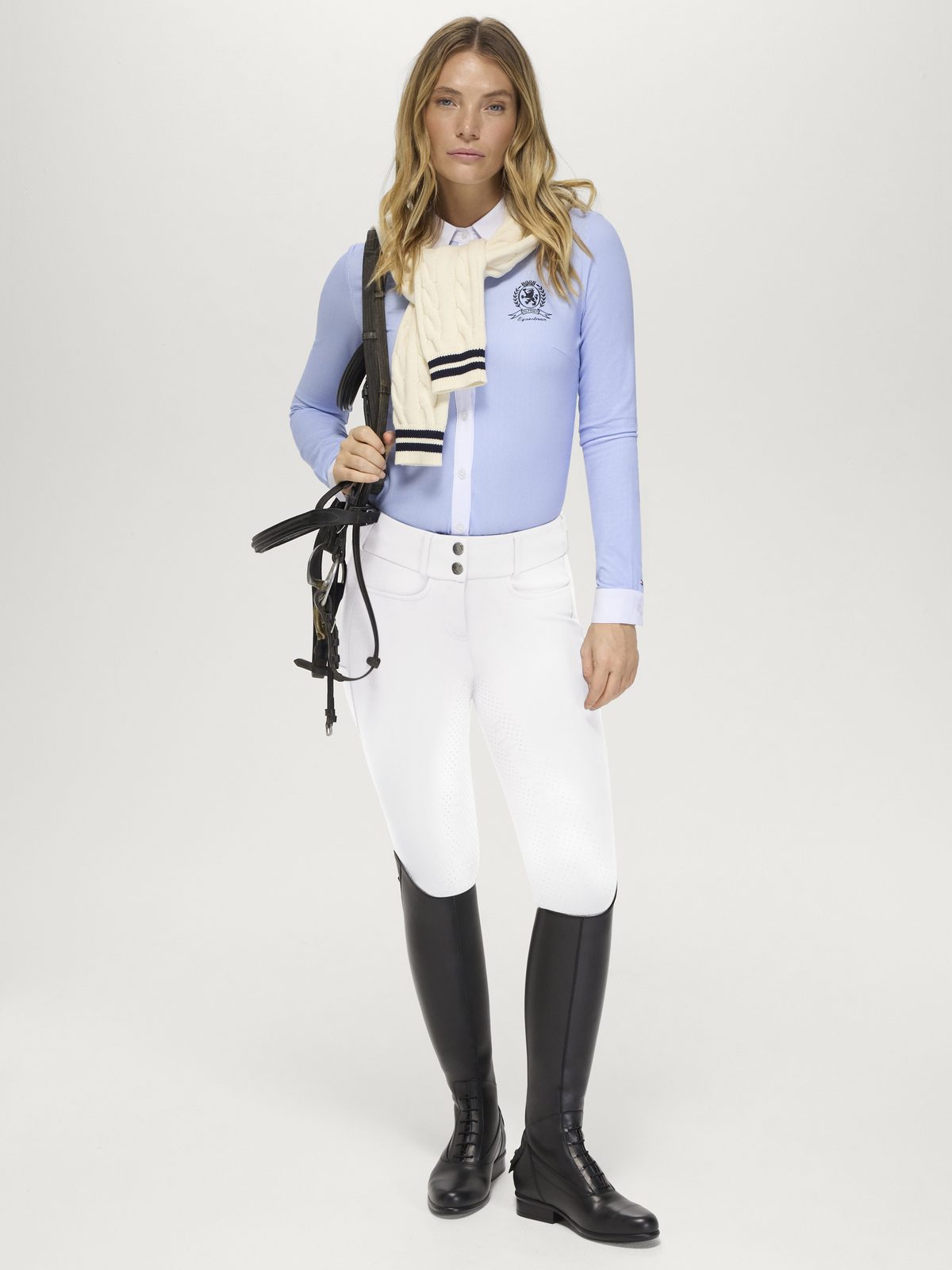
Tommy Hilfiger Equestrian
Mia Women Full Grip Breeches TH OPTIC WHITE
incl. 19% VAT, plus shipping
In stock now · delivery in 3–5 days
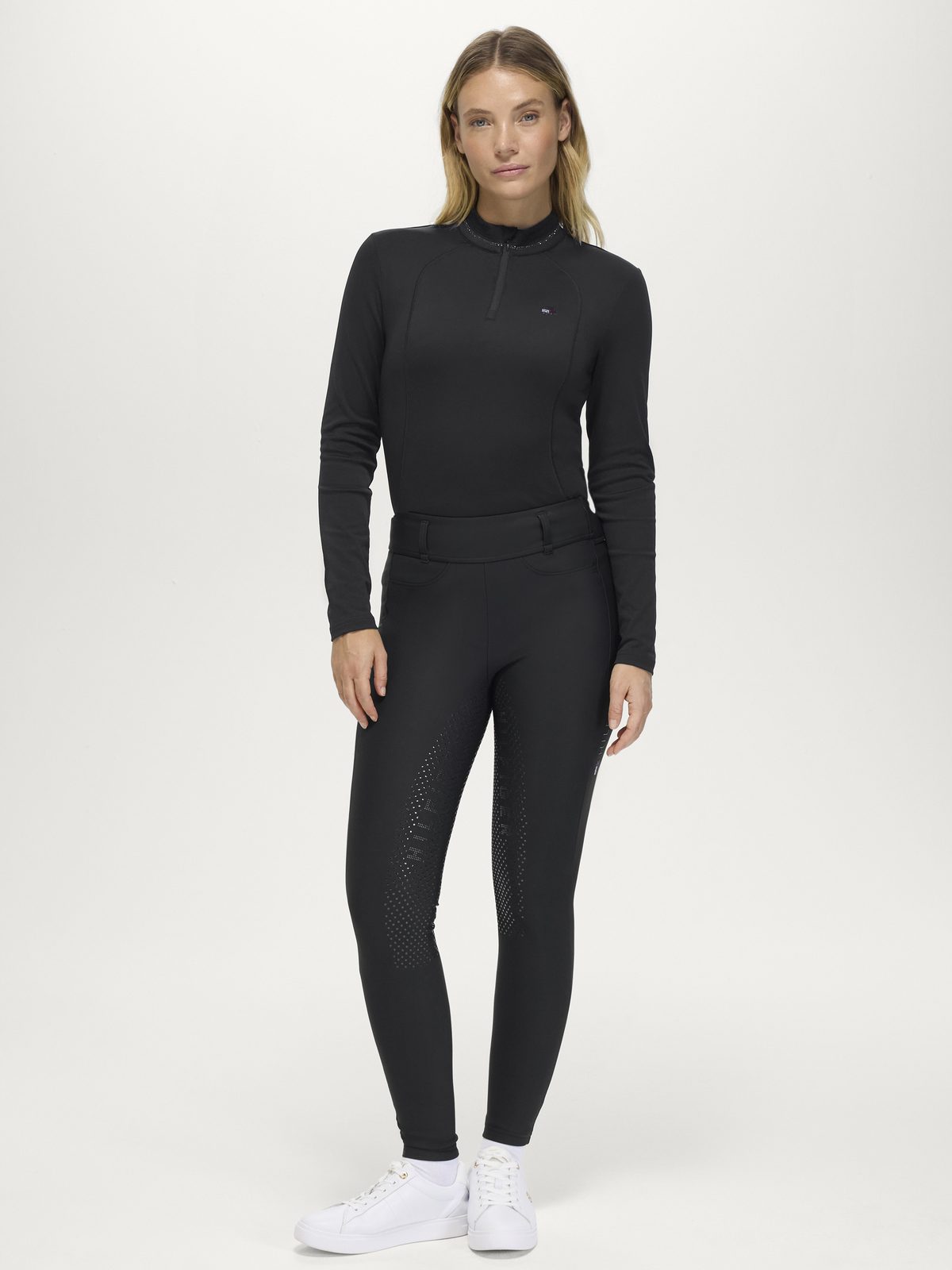
Tommy Hilfiger Equestrian
Highland Winter Rhinestone Hybrid Breeches BLACK
incl. 19% VAT, plus shipping
In stock now · delivery in 3–5 days
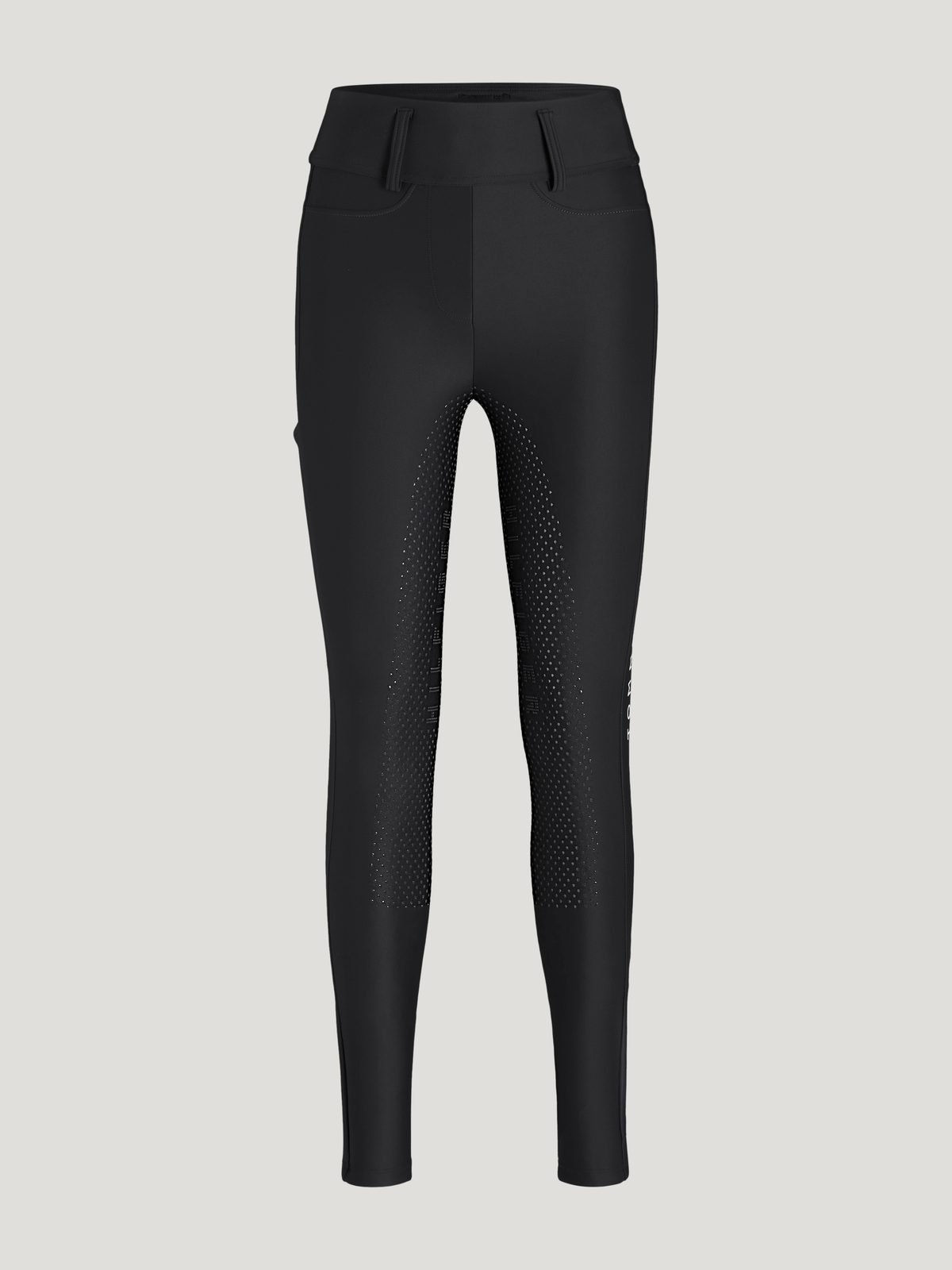
Tommy Hilfiger Equestrian
Tommy Hilfiger Equestrian Riding Breeches Highland FG
incl. 19% VAT, plus shipping
In stock now · delivery in 3–5 days
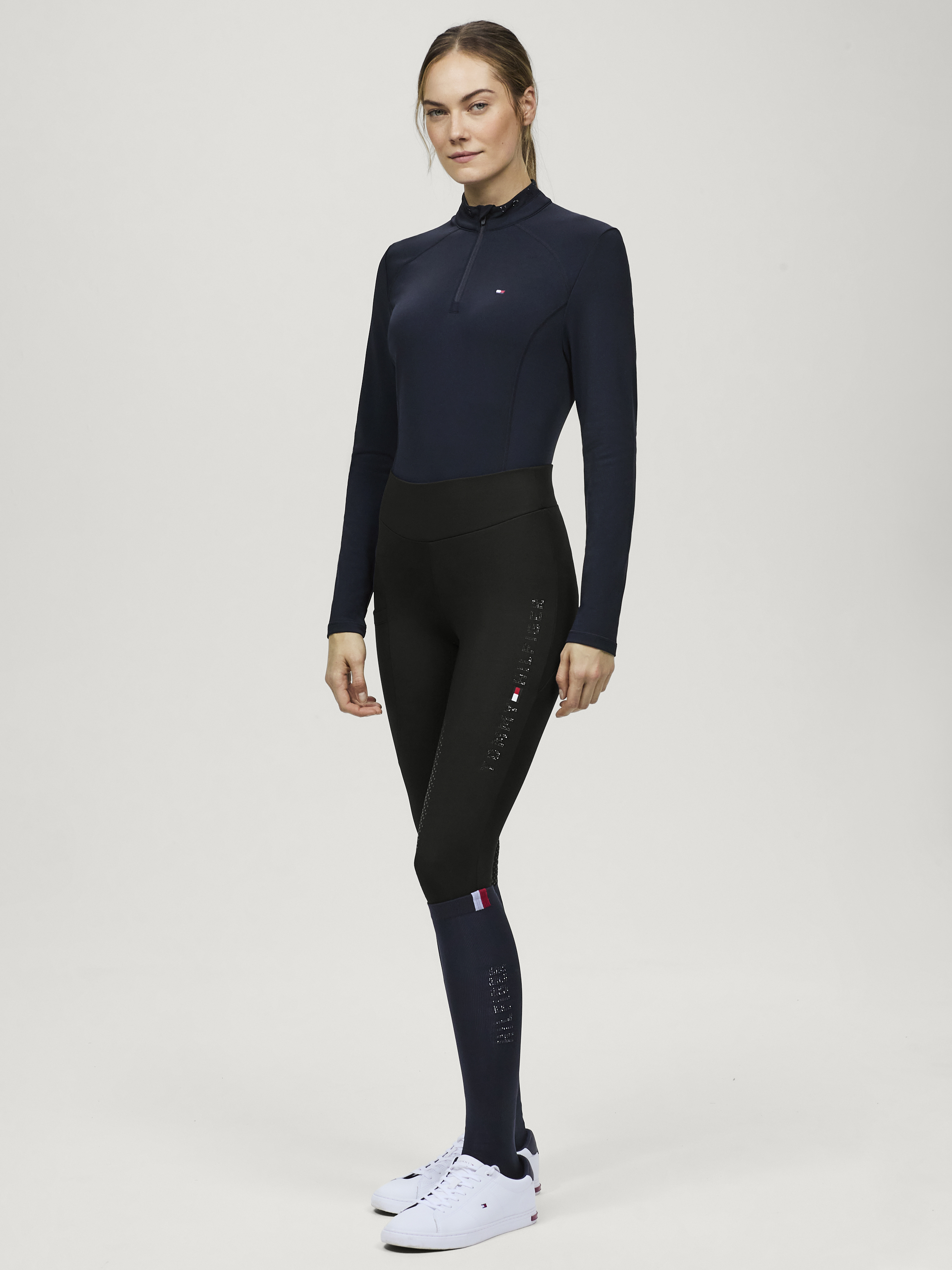
Tommy Hilfiger Equestrian
Tommy Hilfiger Equestrian Riding Tights FG Elmira Rhinestone
incl. 19% VAT, plus shipping
In stock now · delivery in 3–5 days
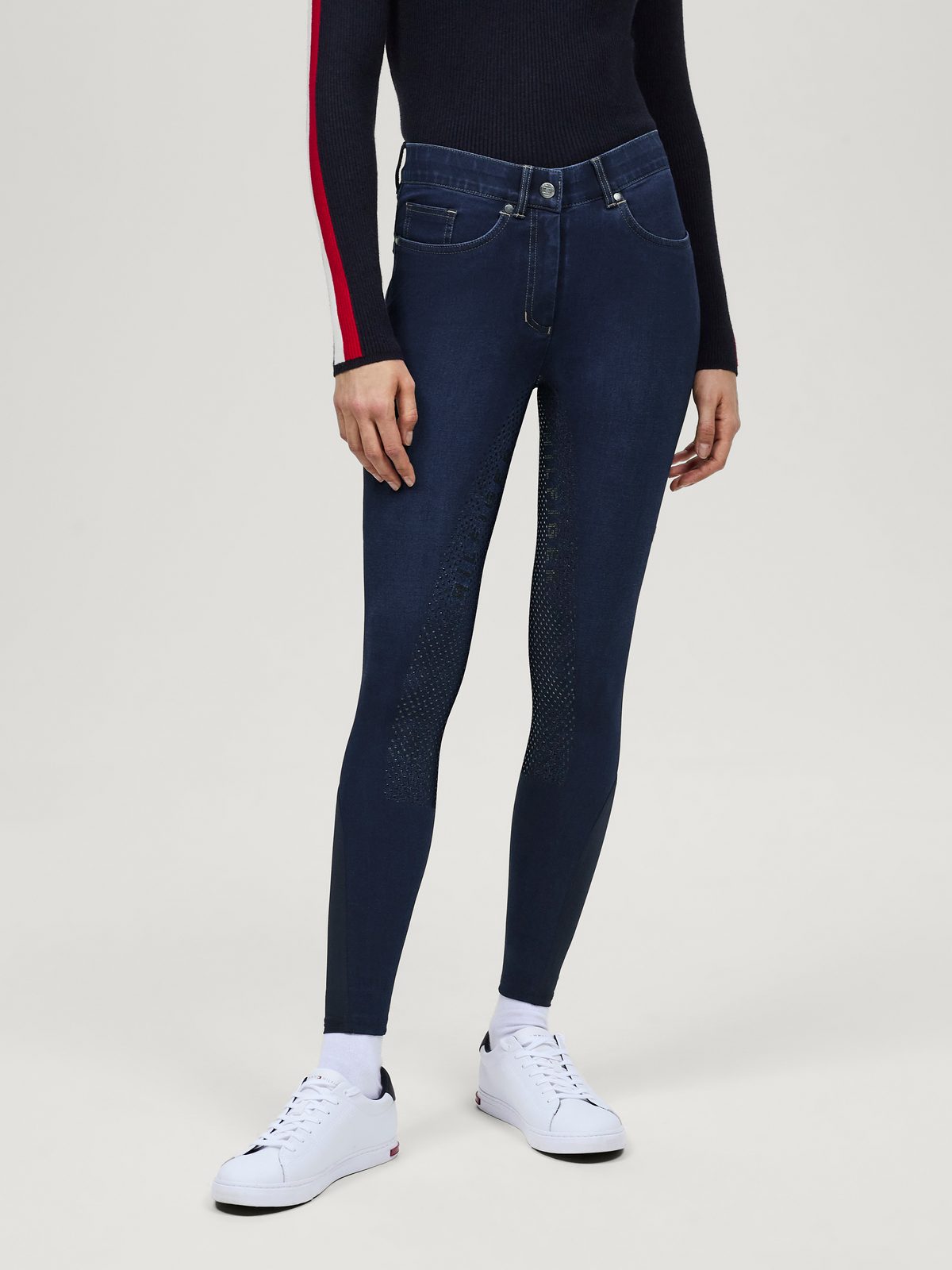
Tommy Hilfiger Equestrian
Tommy Hilfiger Equestrian Riding Breeches FG Denim Hope
incl. 19% VAT, plus shipping
In stock now · delivery in 3–5 days
Tommy Hilfiger Equestrian
Tommy Hilfiger Elmira Winter Leggings Full Grip
incl. 19% VAT, plus shipping
In stock now · delivery in 3–5 days
Pikeur
Pikeur Riding Breeches New Lugana FFL
incl. 19% VAT, plus shipping
In stock now · delivery in 3–5 days
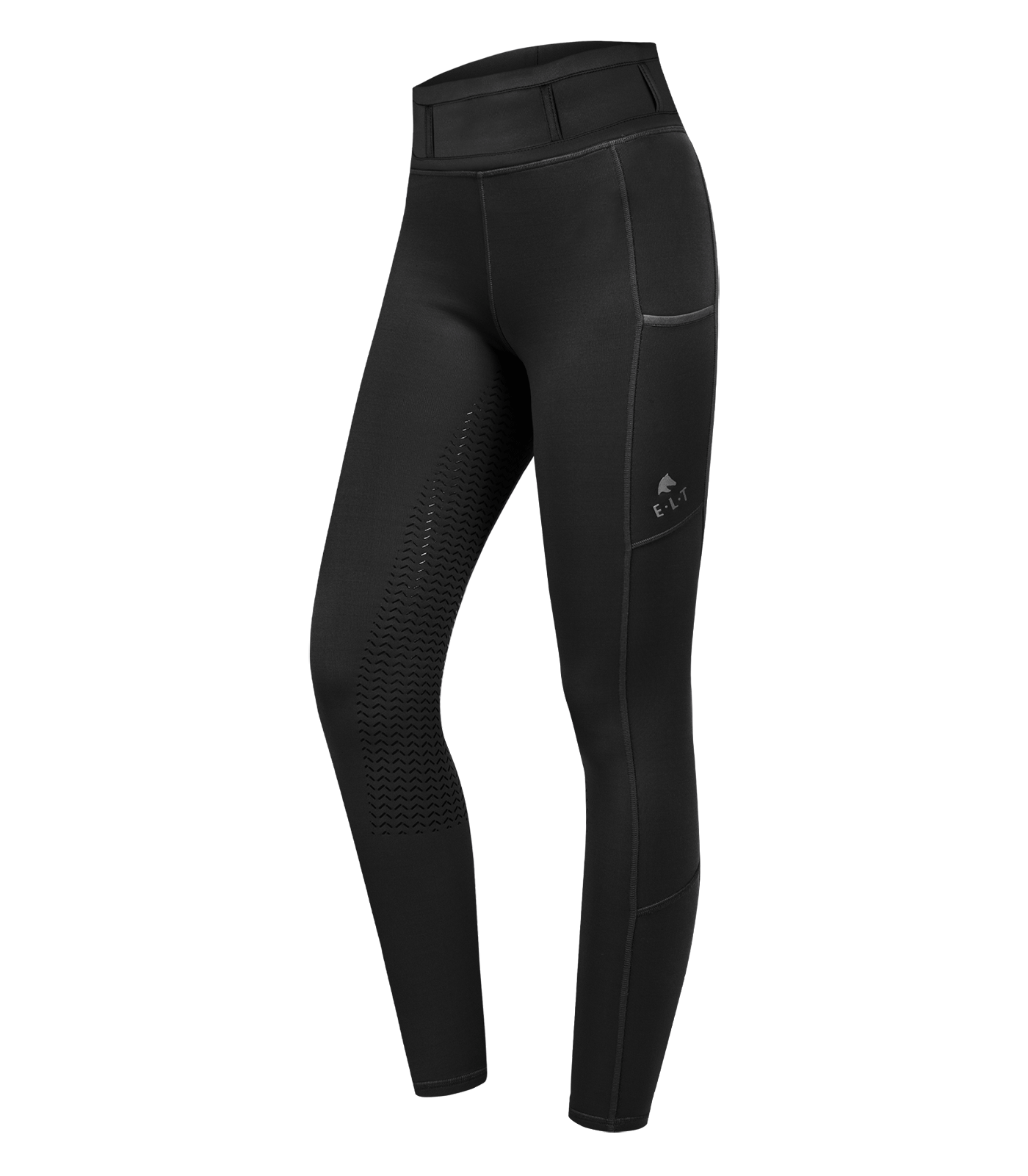
Waldhausen
Waldhausen Riding Tights Ella
incl. 19% VAT, plus shipping
In stock now · delivery in 3–5 days
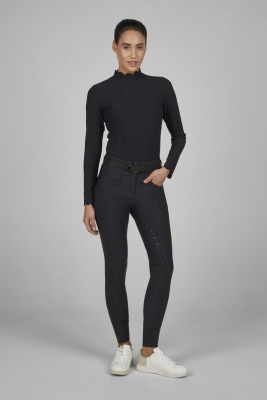
Pikeur
Pikeur Laure SD AW25 3035 Highwaist Riding Breeches
incl. 19% VAT, plus shipping
In stock now · delivery in 3–5 days
Pikeur
Pikeur Riding Breeches New Lugana Grip
incl. 19% VAT, plus shipping
In stock now · delivery in 3–5 days
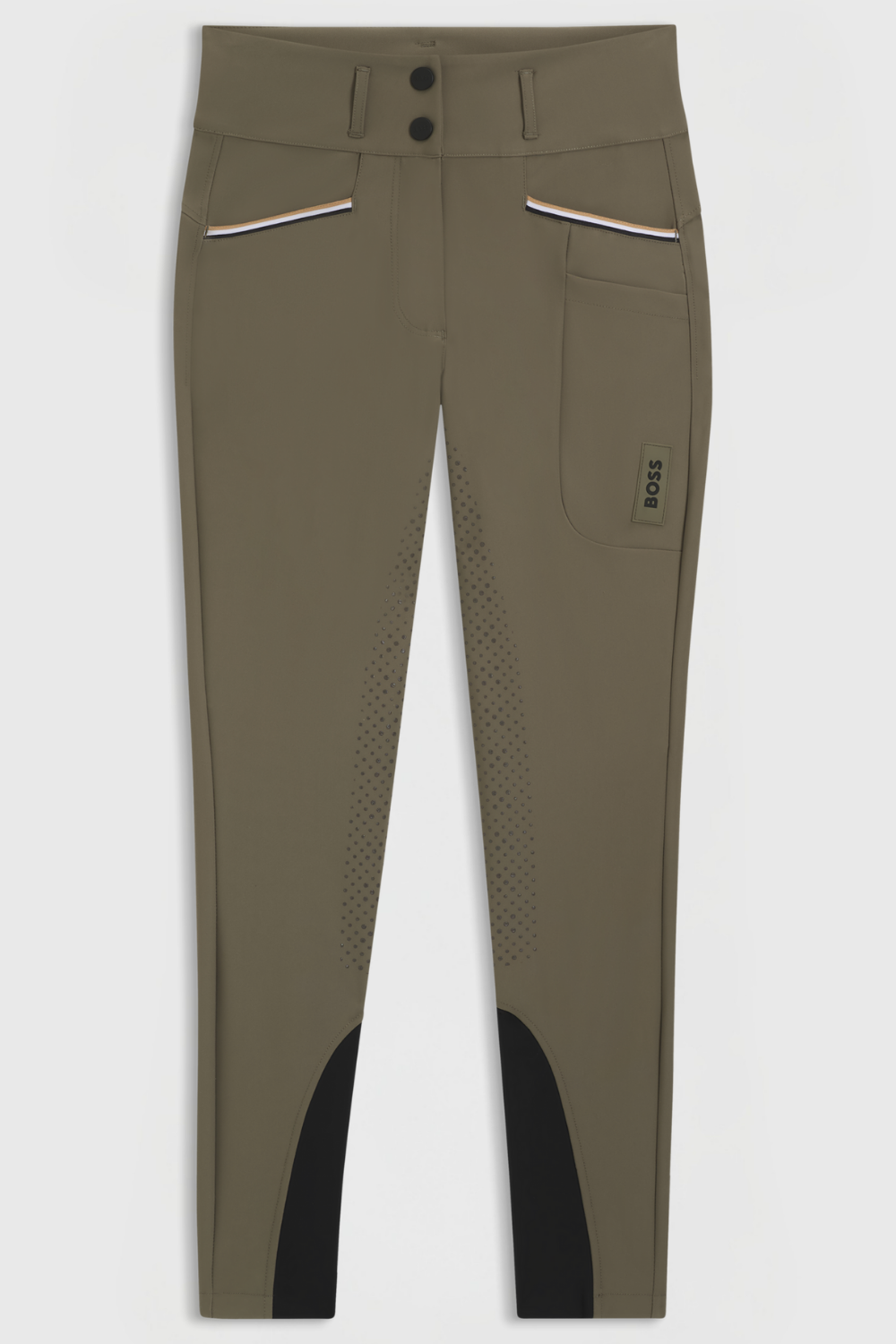
Boss Equestrian
Boss Equestrian Riding Breeches Hailey Full Grip
incl. 19% VAT, plus shipping
In stock now · delivery in 3–5 days
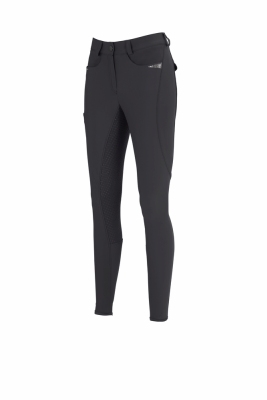
Pikeur
Pikeur Laure GR Riding Breeches
incl. 19% VAT, plus shipping
In stock now · delivery in 3–5 days
All 110 products
take a look