
What girth length do I need?
You can determine the correct girth length on the tacked-up horse with the girth tightened evenly. For a short girth you measure, according to the manufacturer Mattes, from the lower edge of one saddle flap to the lower edge of the other saddle flap, subtract 30 cm and then round up to the next available length. For a long girth you measure, after tightening, from the second hole of the girth straps, counting from the bottom, on one side to the second hole on the other side.
It is important that the buckles sit clearly above the elbow’s range of motion. Girths are measured from buckle to buckle. If a short girth is too short, the girth straps lie further down along the ribcage and create more localised pressure.
By Julia Lühr, Ahrens Reitsport in Tangstedt · Updated
The girth keeps the saddle in position and lies on the sensitive sternum and ribs. Experts writing in the specialist magazine Pferderevue therefore consider a correctly fitting girth to be just as important as a correctly fitting saddle. The right length ensures that the buckles do not press on the elbow and that the saddle is held evenly.
How do I measure the length for a short girth?
You measure on the fully tacked-up horse, with the girth tightened evenly on both sides. The girth manufacturer Mattes describes the following steps:
- Measure under the belly from the lower edge of one saddle flap to the lower edge of the other.
- Subtract 30 cm from this measurement.
- Round up to the next available girth length.
An example from the manufacturer: you measure 101 cm, minus 30 cm gives 71 cm, so you choose a 75 cm girth.
How do I measure the length for a long girth?
For a long girth you measure, after tightening the girth, from the second hole of the girth straps, counting from the bottom, on one side to the second hole on the other side. According to Mattes this measurement corresponds to the new girth length, and if necessary you round up to the next size. Girths are measured from buckle to buckle, and according to a saddlery you should also take into account how the girth runs above the buckles.
Where should the buckles sit?
The buckles should sit clearly above the elbow’s range of movement. A physiotherapist emphasises in Pferderevue that a short girth must be long enough that when the foreleg swings back the elbow does not touch the buckles. The shorter the girth, the further down the girth straps lie along the ribcage and the higher the localised pressure becomes. She therefore recommends a short girth that almost reaches up to the saddle flap.
Short girth or long girth: what is the difference?
Short girths are mainly used on dressage saddles, long girths on show jumping and eventing saddles. In the opinion of a saddle expert, long girths distribute pressure better, while short girths bring the rider’s leg closer to the horse because the buckles are not under the saddle flap.
Which girth shape suits which horse?
Besides the length, the shape also plays a role. Pferderevue describes the following variants:
| Girth shape | Intended for |
|---|---|
| Curved or anatomical, with a widened centre | less pressure on the sternum, better pressure distribution |
| Asymmetrical with a cutaway at the elbow | horses with a girth area that lies far forward, for example with a steep shoulder |
| Moon girth | round horses with low withers, where the saddle slips forwards |
| Reverse-cut girth | athletic horses where the saddle slips backwards |
How can I tell if a girth is too short?
If you can only fasten the girth in the first hole with a lot of effort, then in the experience of a Swiss saddlery it is probably too short. If you are unsure it helps to assess the girth area together with a saddler, because saddle geometry, girth strap length and the horse’s girth area all influence the length that actually fits.
Sources
All questions: Questions about saddle accessories
From our range
Matching products
Tommy Hilfiger Equestrian
Tommy Hilfiger Equestrian Stanford Saddle Pad
incl. 19% VAT, plus shipping
In stock now · delivery in 3–5 days
Tommy Hilfiger Equestrian
Tommy Hilfiger Liberty Saddle Pad
incl. 19% VAT, plus shipping
In stock now · delivery in 3–5 days
Tommy Hilfiger Equestrian
Tommy Hilfiger Liberty Saddle Pad Dressage
incl. 19% VAT, plus shipping
In stock now · delivery in 3–5 days
Tommy Hilfiger Equestrian
Tommy Hilfiger Equestrian Saddle Pad Columbia
incl. 19% VAT, plus shipping
In stock now · delivery in 3–5 days
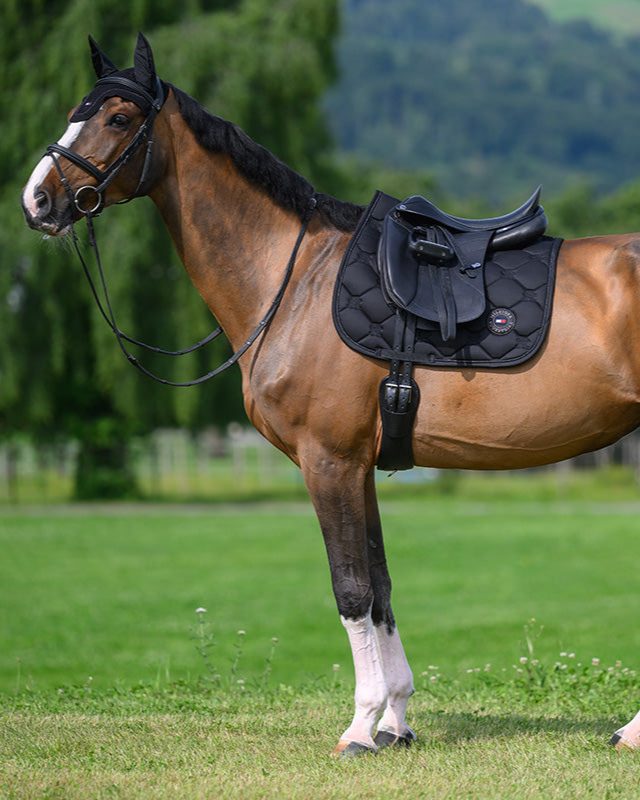
Tommy Hilfiger Equestrian
Tommy Hilfiger Equestrian Saddle Pad Emory
incl. 19% VAT, plus shipping
In stock now · delivery in 3–5 days
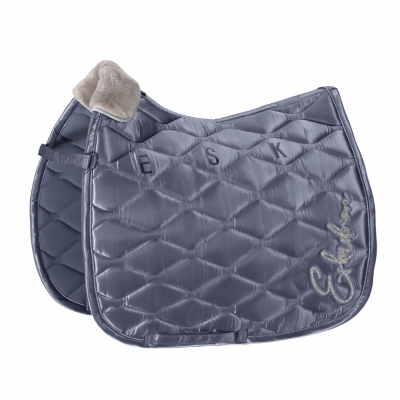
Eskadron
Saddle Pad Satin Essence AW22 Eskadron
incl. 19% VAT, plus shipping
In stock now · delivery in 3–5 days
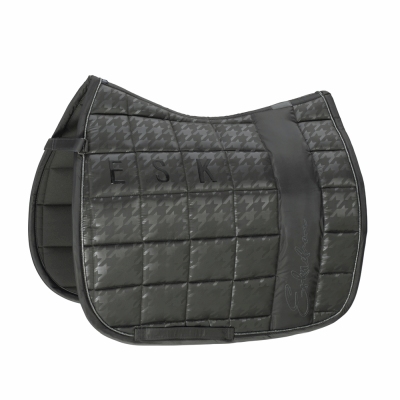
Eskadron
Saddle Pad Big Square Glossy Essence AW22
incl. 19% VAT, plus shipping
In stock now · delivery in 3–5 days
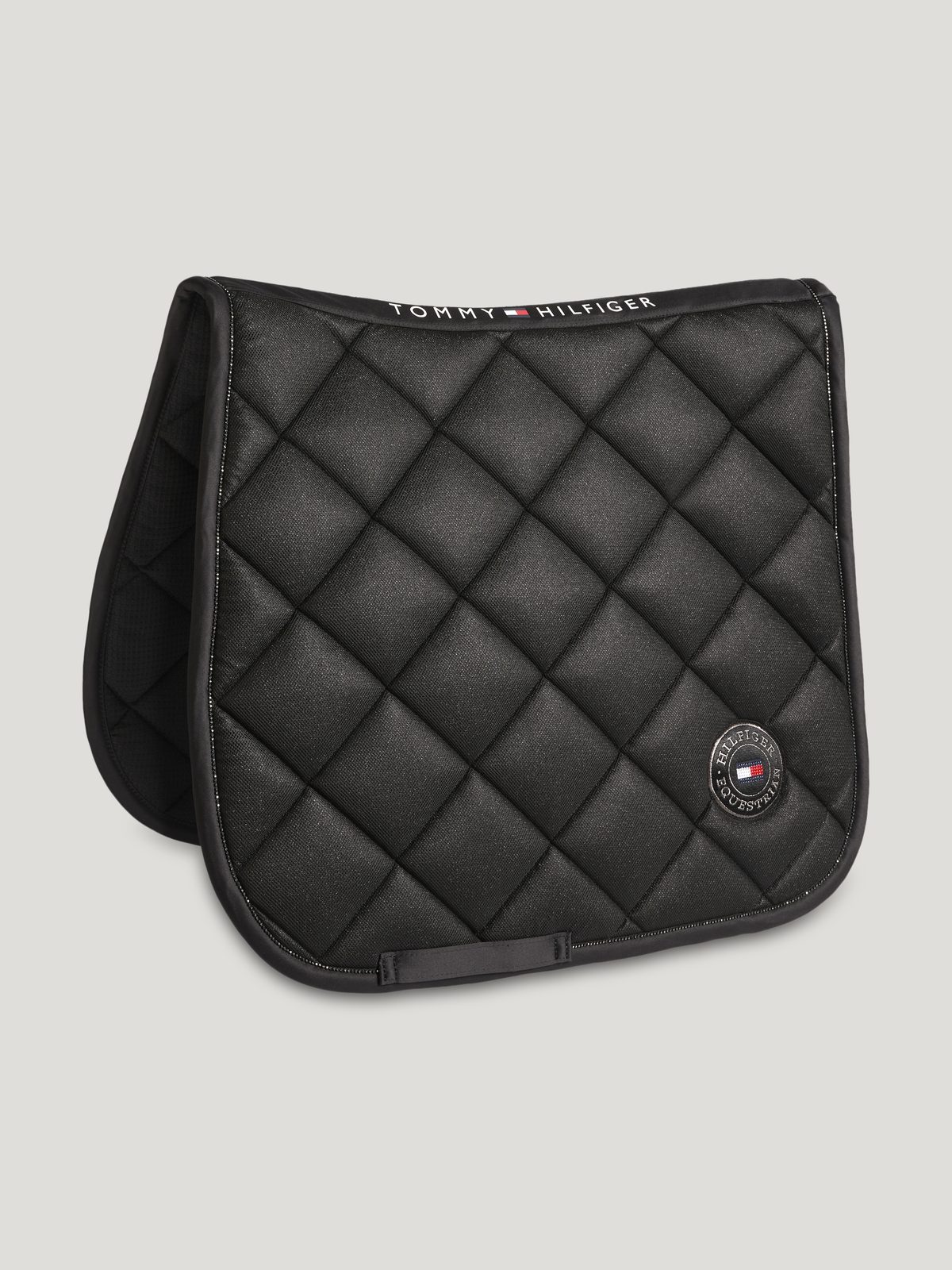
Tommy Hilfiger Equestrian
Parsons Dressage Saddlepad BLACK
incl. 19% VAT, plus shipping
In stock now · delivery in 3–5 days
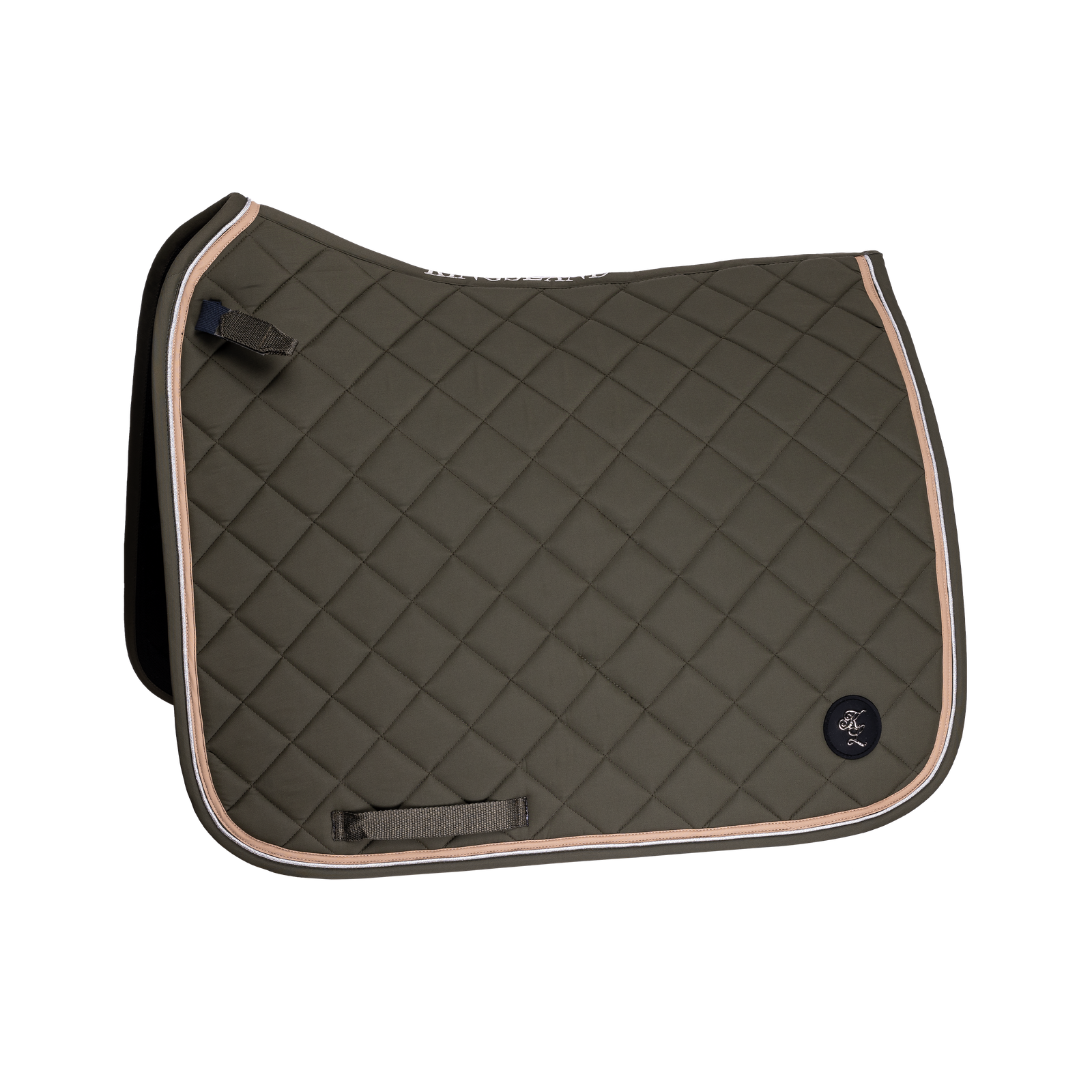
Kingsland
Kingsland KLella Saddle Pad
incl. 19% VAT, plus shipping
In stock now · delivery in 3–5 days
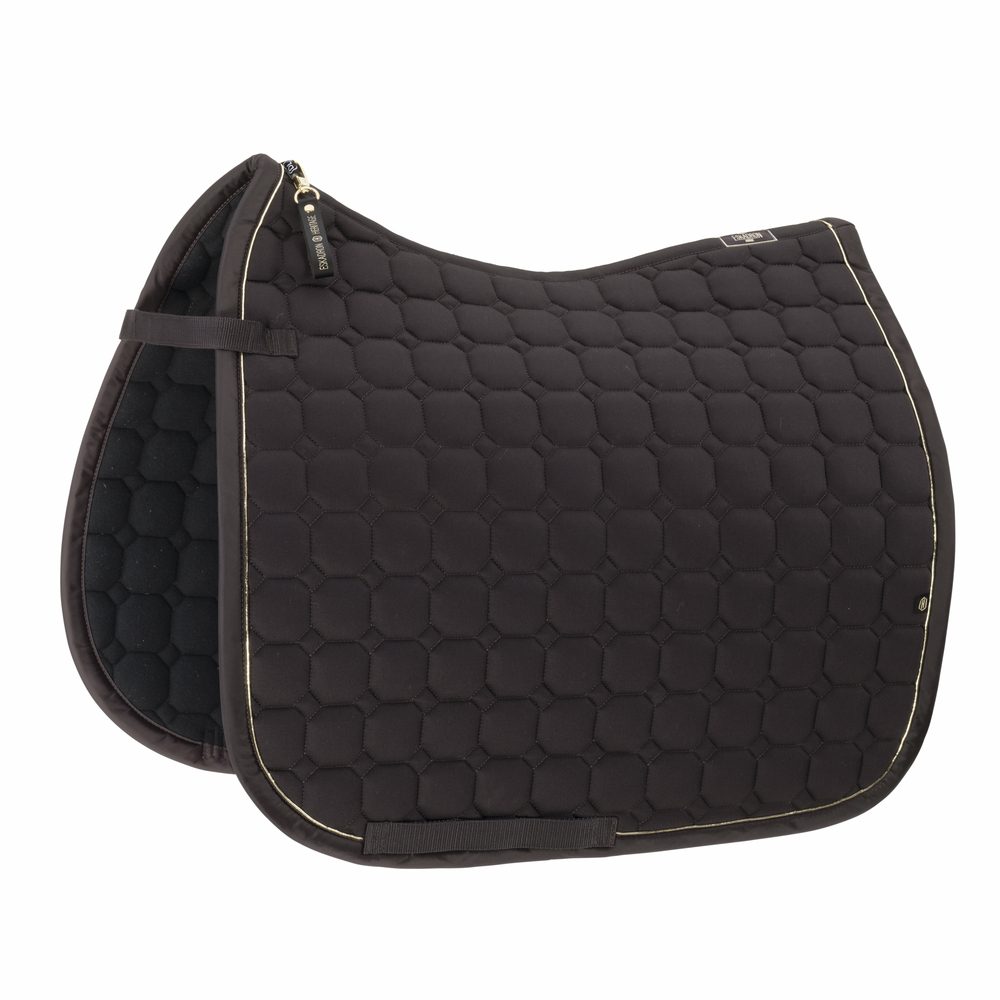
Eskadron
Eskadron Saddle Pad Cotton Heritage 25/26
incl. 19% VAT, plus shipping
In stock now · delivery in 3–5 days
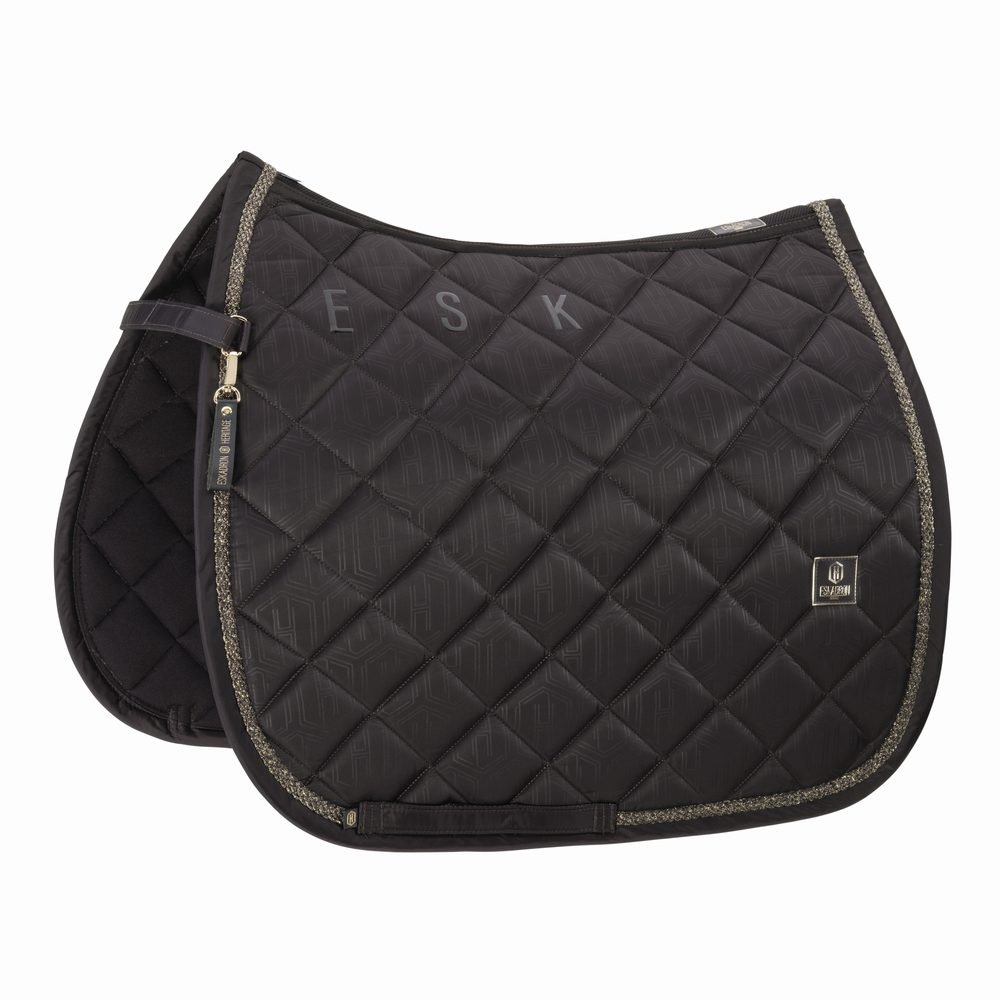
Eskadron
Eskadron Saddle Pad Glossy Heritage 25/26
incl. 19% VAT, plus shipping
In stock now · delivery in 3–5 days
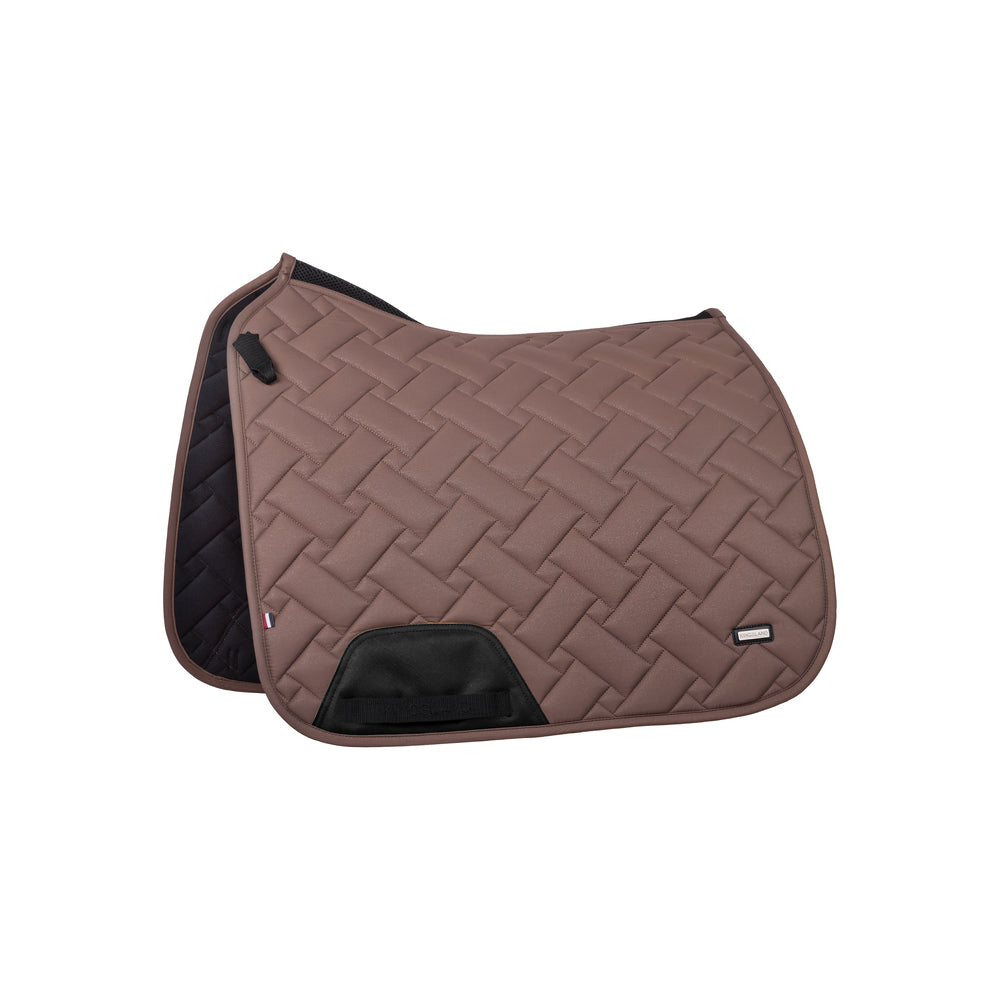
Kingsland
Kingsland KLLexie Dressage Saddle Pad
incl. 19% VAT, plus shipping
In stock now · delivery in 3–5 days
All 83 products
take a look