Which spurs are permitted at competitions?
At competitions under the German competition rules (LPO), spurs made of metal or plastic with a total length of no more than 4.0 cm are permitted, measured from the boot. The shank must be horizontal or angled downwards, and the ends must not cause injuries in normal use. Rowels are permitted, but points are not.
The FN equipment rules show, among other things, spurs with a ball end, spurs with a shank, swan neck spurs, hammer spurs and various spurs with rowels as permitted examples. A rowel with rounded points is not one of them. The current version of the rules and the schedule of the respective class are always decisive.
By Julia Lühr, Ahrens Reitsport in Tangstedt · Updated
Which spurs may be worn at competitions is defined in the FN equipment rules for dressage, show jumping and eventing. The requirements apply to all performance tests under the German competition rules (LPO). The following overview is based on the status of February 2026, the current version and the schedule are always decisive.
What rules apply to spurs in all LPO classes?
Spurs may be no longer than 4.0 cm, measured from the boot, and they must not cause injury in normal use. In detail, the rules state:
- The shank must be aligned horizontally or angled downwards.
- The end surfaces must not cause injuries in normal use.
- Spurs made of metal and of plastic are permitted.
- Rowels are permitted, points are not.
Which spur shapes are shown in the FN equipment rules?
The rules show several permitted shapes, and explicitly do not include a rowel with rounded points.
- Spurs with a ball end
- Spurs with a shank
- Swan neck spurs
- Hammer spurs
- Rowel spurs with a vertically or horizontally movable disc
- Rowel spurs with a horizontally movable rowel or ball
- Spurs with a clearly visible, broad shank that allows impulse giving
How does the effect differ between spur ends?
According to Sprenger, flat ends have a stronger effect than rounded ball spurs. For spurs with rowels, the thicker and rounder the rowel, the softer the effect. A rowel with points has a more localised effect than a smooth ball rowel, but is not permitted at LPO competitions. Spurs with rowels should regularly be freed from hair and dirt so that the rowel can turn freely.
What is the right length?
The right length also depends on the rider, according to Sprenger. Riders with short legs usually manage with shorter spurs. With long legs, longer spurs can help to keep the leg position quiet. Upward-curved swan neck spurs can shorten a large distance to the horse’s side. As a rule, the manufacturer recommends choosing the softest and roundest option possible and only moving on to longer or stronger models if the leg becomes unsteady with short spurs.
When are spurs suitable for rider and horse?
Spurs belong in experienced hands. According to Sprenger, they can only be used correctly with a balanced seat and a quiet leg position, and they should also be avoided at first with young horses. For beginners, the manufacturer recommends rounded spurs or ball spurs with a short shank, and for sensitive or clipped horses soft models with a broad rowel.
Sources
All questions: Questions about saddle accessories
From our range
Matching products
Tommy Hilfiger Equestrian
Tommy Hilfiger Equestrian Stanford Saddle Pad
incl. 19% VAT, plus shipping
In stock now · delivery in 3–5 days
Tommy Hilfiger Equestrian
Tommy Hilfiger Liberty Saddle Pad
incl. 19% VAT, plus shipping
In stock now · delivery in 3–5 days
Tommy Hilfiger Equestrian
Tommy Hilfiger Liberty Saddle Pad Dressage
incl. 19% VAT, plus shipping
In stock now · delivery in 3–5 days
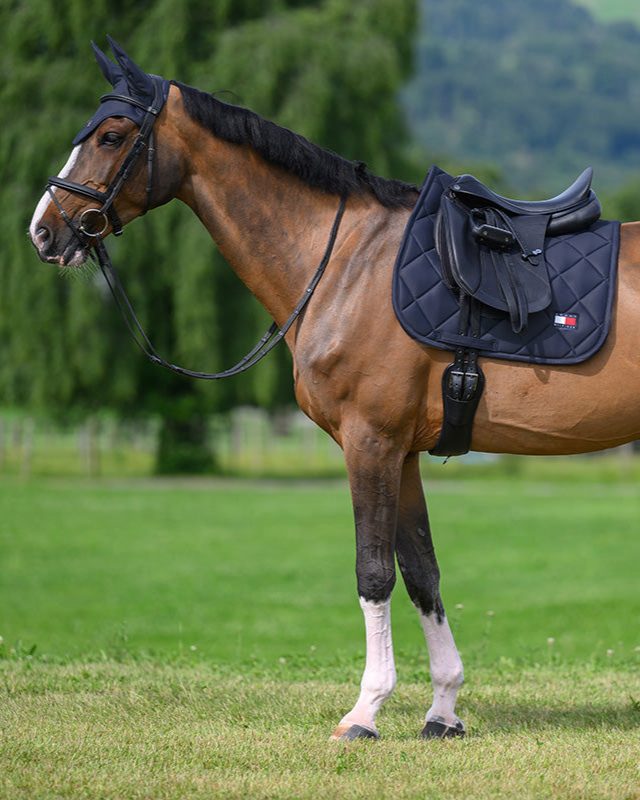
Tommy Hilfiger Equestrian
Tommy Hilfiger Equestrian Saddle Pad Columbia
incl. 19% VAT, plus shipping
In stock now · delivery in 3–5 days
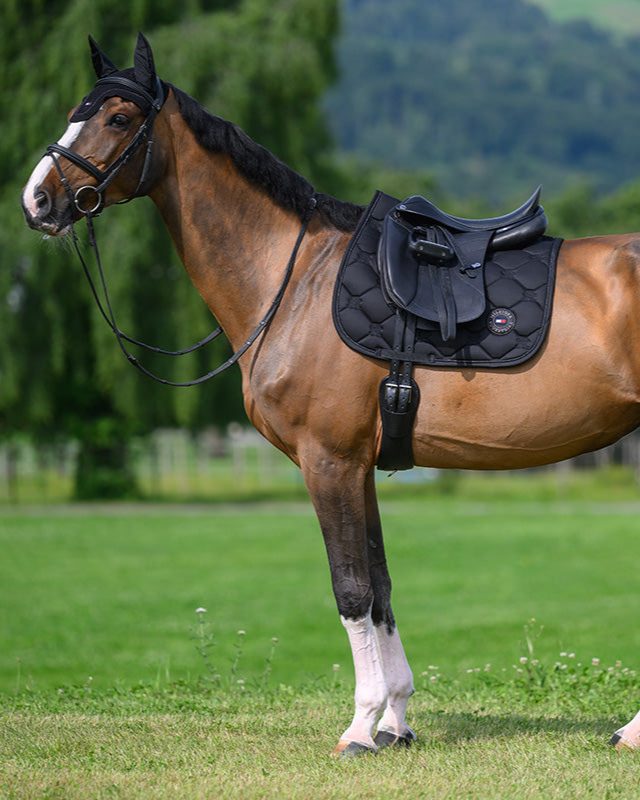
Tommy Hilfiger Equestrian
Tommy Hilfiger Equestrian Saddle Pad Emory
incl. 19% VAT, plus shipping
In stock now · delivery in 3–5 days
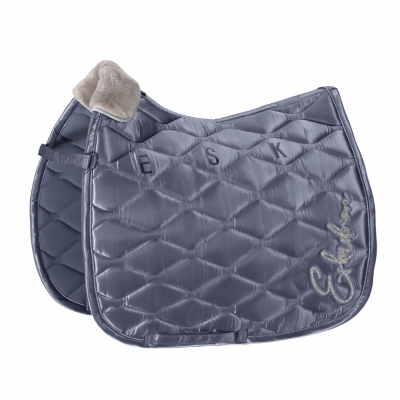
Eskadron
Saddle Pad Satin Essence AW22 Eskadron
incl. 19% VAT, plus shipping
In stock now · delivery in 3–5 days
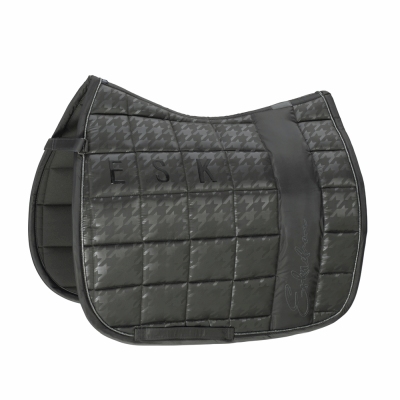
Eskadron
Saddle Pad Big Square Glossy Essence AW22
incl. 19% VAT, plus shipping
In stock now · delivery in 3–5 days
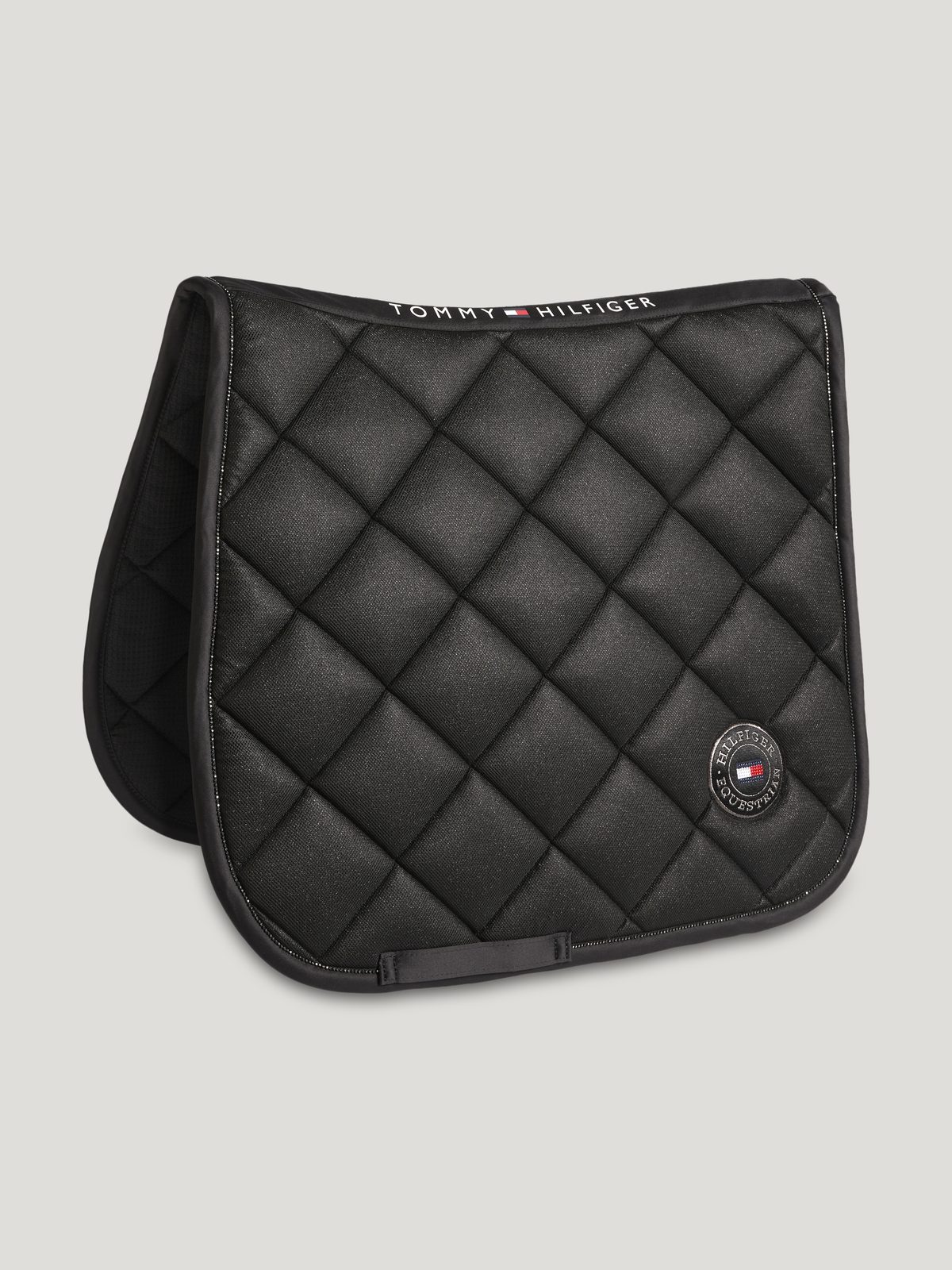
Tommy Hilfiger Equestrian
Parsons Dressage Saddlepad BLACK
incl. 19% VAT, plus shipping
In stock now · delivery in 3–5 days
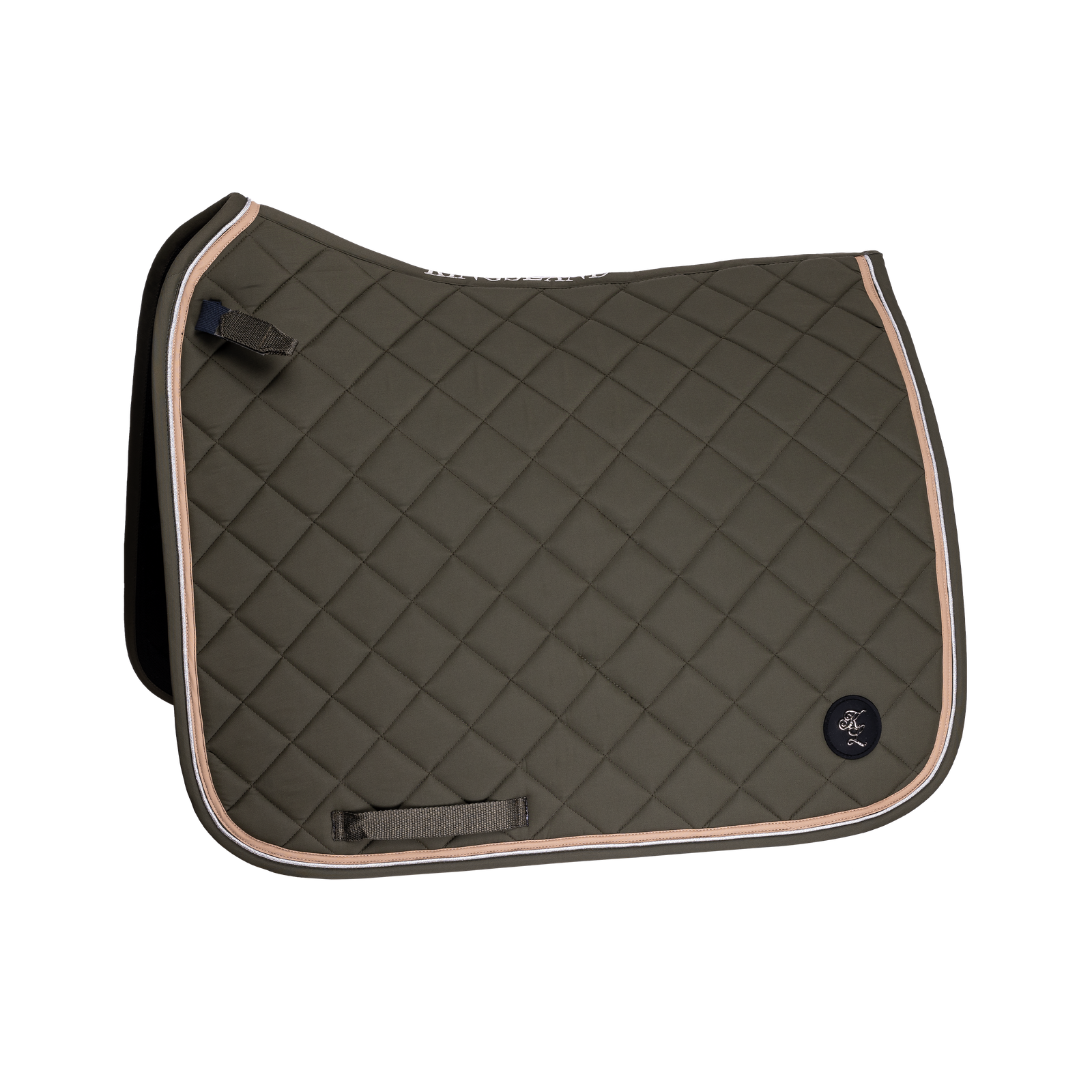
Kingsland
Kingsland KLella Saddle Pad
incl. 19% VAT, plus shipping
In stock now · delivery in 3–5 days
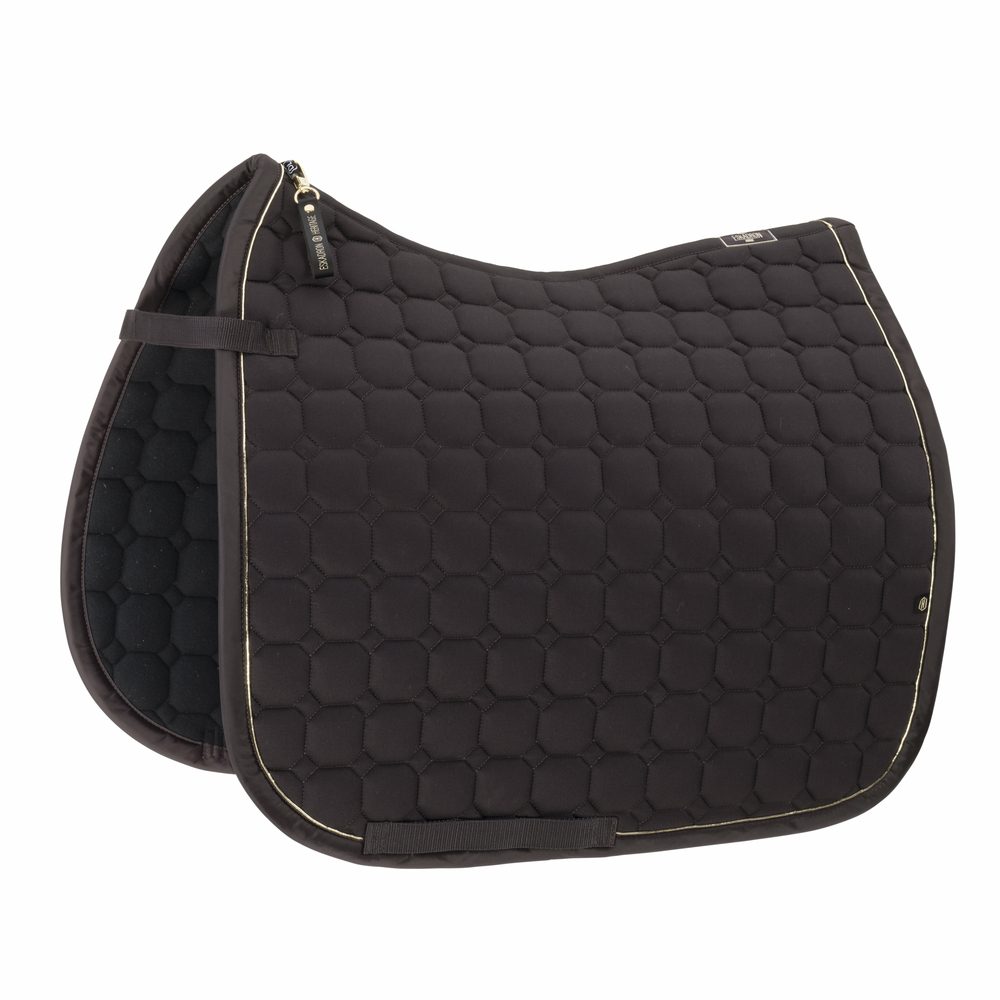
Eskadron
Eskadron Saddle Pad Cotton Heritage 25/26
incl. 19% VAT, plus shipping
In stock now · delivery in 3–5 days
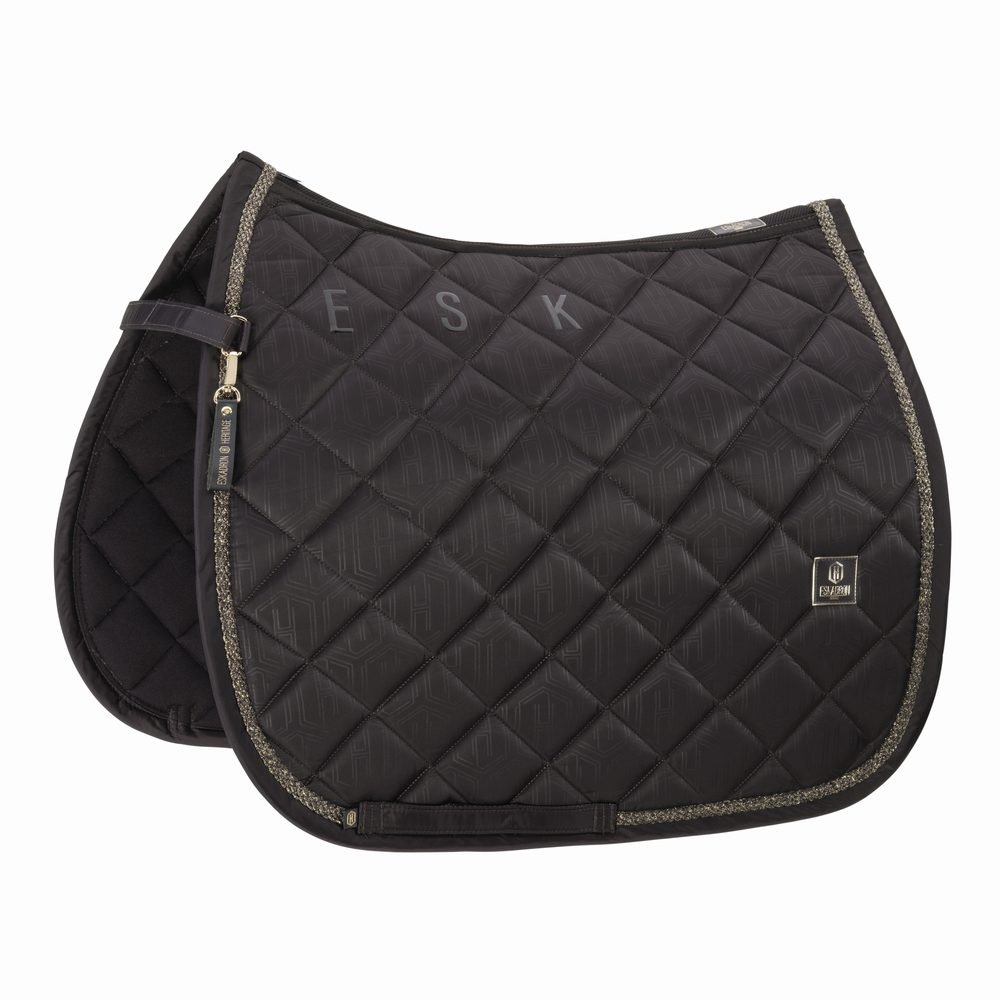
Eskadron
Eskadron Saddle Pad Glossy Heritage 25/26
incl. 19% VAT, plus shipping
In stock now · delivery in 3–5 days
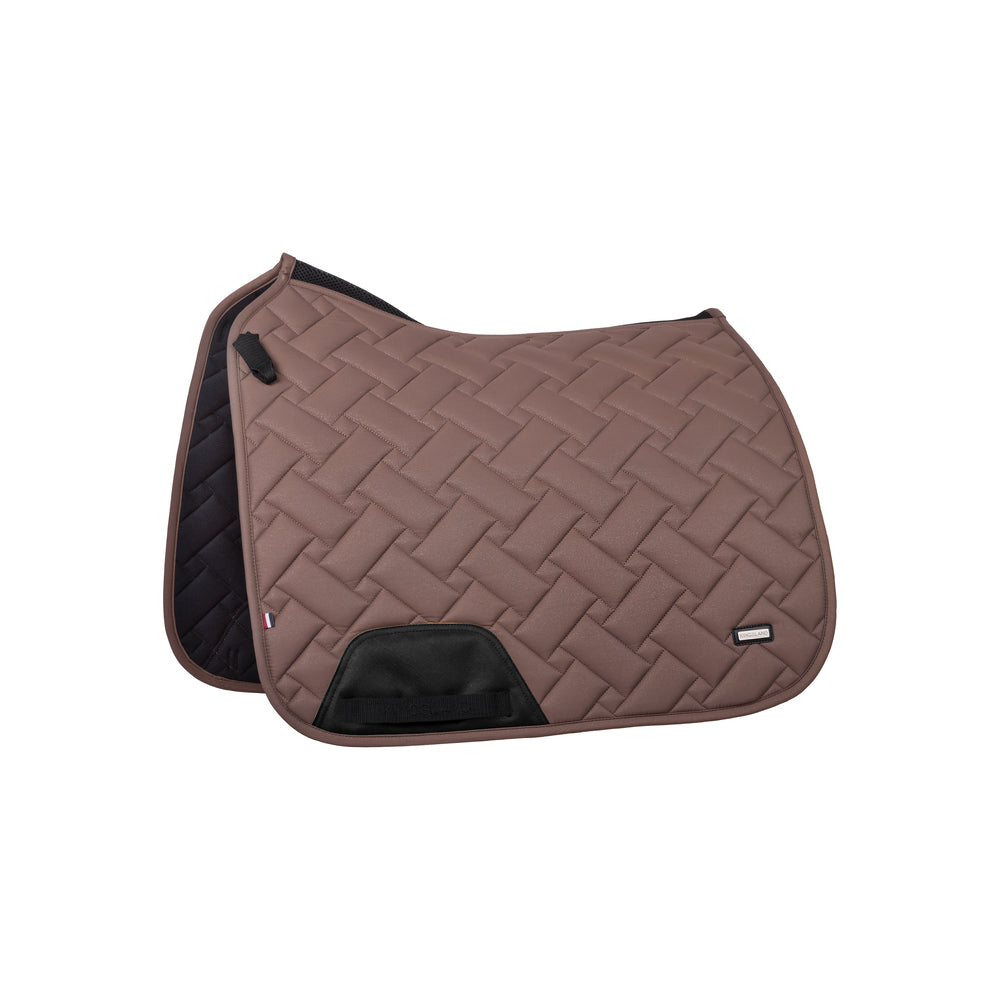
Kingsland
Kingsland KLLexie Dressage Saddle Pad
incl. 19% VAT, plus shipping
In stock now · delivery in 3–5 days
All 83 products
take a look