Supporting your horse through the coat change: what really helps
Coat change places heavy demands on your horse’s metabolism. We explain which nutrients skin and coat need, how grooming helps and when a vet is needed.
Twice a year your horse’s body changes its coat. In spring the thick winter coat makes way for the lighter summer coat, in autumn the opposite happens. Coat change is a natural process, but it places considerable demands on the body. There is no product that simply speeds it up. What helps is a ration that meets your horse’s needs, good grooming and a watchful eye for warning signs.
When does a horse start to change its coat and how long does it take?
The spring coat change is roughly between January and March, the autumn one between September and November, and it takes several weeks to around two months until the coat has changed completely. Exactly how long it takes depends among other things on breed, age and weather.
The change is triggered mainly by the length of the day, not by the temperature. Light influences the production of the hormone melatonin via the eye. As the days get longer, melatonin production falls and this stimulus sets the coat change in motion. A large part of this happens invisibly under the skin long before the first hairs start to shed.
Why does my horse need more nutrients during coat change?
During coat change the body produces a very large number of new hairs in a short time and needs more protein, minerals, trace elements and vitamins than usual for this. Hair consists largely of keratin, a sulphur-containing protein. In practice the problem often lies with the forage. Hay, grass and oats in Germany frequently contain only low amounts of zinc and selenium. A horse that is fed exclusively on this kind of forage can therefore be under-supplied, especially during coat change.
Which nutrients are important for skin and coat?
Feed specialists mention above all zinc, copper, manganese and selenium, as well as biotin and sulphur-containing amino acids in connection with skin and coat. This information does not replace an individual ration calculation, and more is not automatically better. Trace elements in particular should be supplemented according to need.
- Zinc supports protein metabolism and the health of skin and coat. The requirement increases slightly during coat change.
- Selenium works closely together with zinc and is often present in only very small amounts in forage.
- Copper and manganese are also among the trace elements that are important for hair formation.
- Sulphur-containing amino acids such as methionine are building blocks of keratin in skin, hair and hoof.
- Biotin and other B vitamins are mentioned as important for skin and hair formation.
- Linseed oil and linseed supply omega-3 fatty acids and are classic additions for skin and coat.
Whether and in what form a supplement is useful always depends on the individual horse and its entire ration.
Is mineral feed enough or do I need a special supplement?
In many cases a high-quality mineral feed together with good hay already covers the increased requirement and an additional coat-change product is not automatically necessary. The basis remains plenty of good-quality forage. The mineral feed closes the typical gaps in the forage. If you want precise information, you can have your hay analysed and adjust the ration accordingly.
You will find a selection under mineral feed, supplements and in our entire feed section, including products from Agrobs, Lexa, Marstall, Pavo, Iwest and St. Hippolyt. We are happy to work with you to clarify whether your mineral feed is sufficient or a supplement is useful.
How can I support my horse’s coat change with grooming?
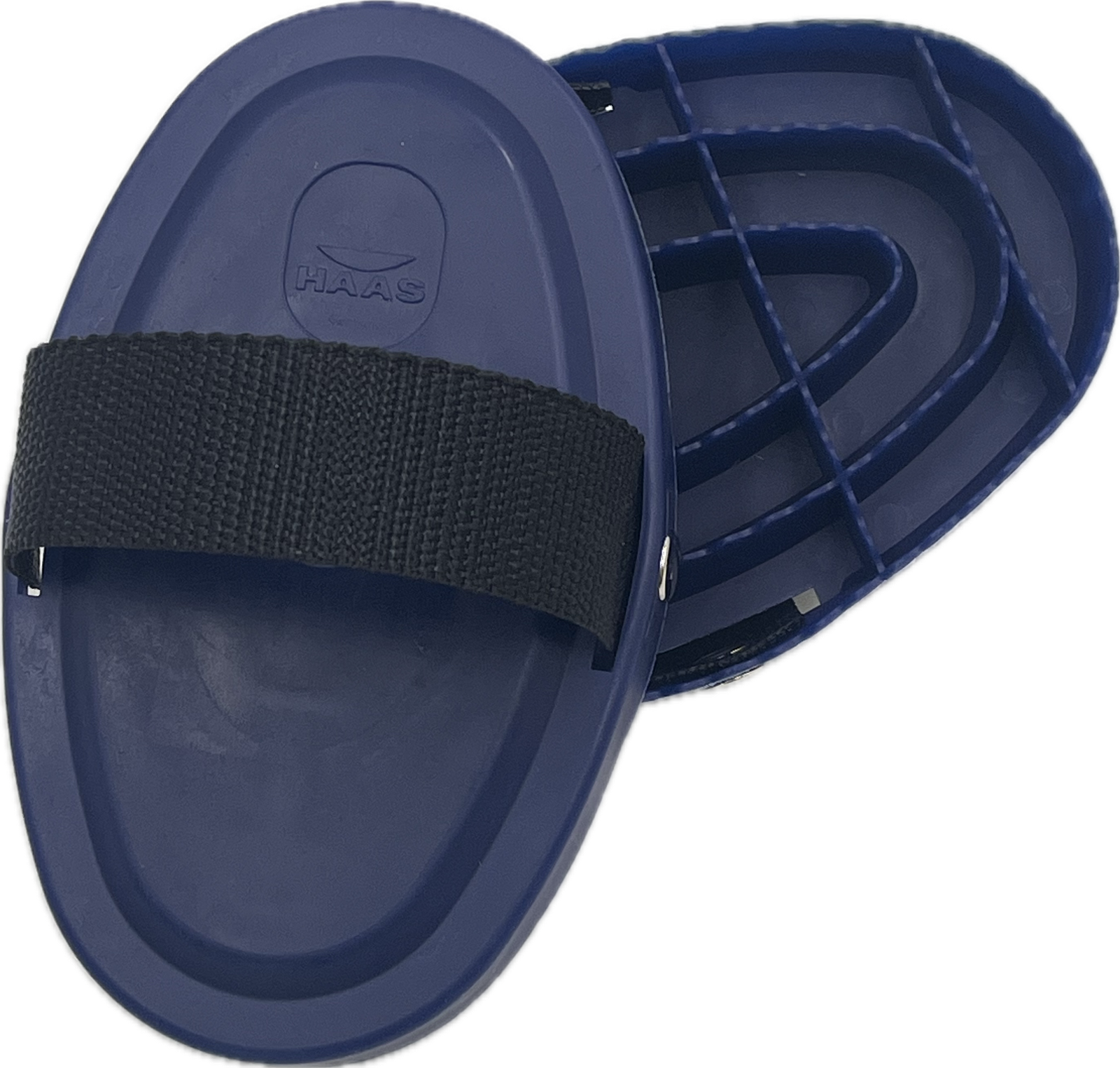
The most helpful measure is regular, ideally daily grooming, because it removes loose hairs and stimulates the blood circulation in the skin. Special coat-change brushes and curry combs make the job easier, you will find them under grooming kit. Also give your horse the opportunity to have a good roll. Do not ask for peak performance during this time and make sure it has free access to fresh water.
When should I call the vet for my horse?
If the coat change is very delayed or incomplete, or your horse seems dull, loses weight, shows bald patches or changes to the skin, your vet should clarify the cause. A blood test can show whether a nutrient deficiency or an illness is behind it.
Especially in older horses, a delayed coat change with a long, partly curly coat can be a sign of equine Cushing’s disease (PPID), a disease of the pituitary gland. Other possible signs are muscle wastage, increased sweating, increased thirst and laminitis. The diagnosis is made by the vet, usually by determining the ACTH level in the blood. A feed product cannot replace this investigation.
How does Ahrens Reitsport advise on feeding during coat change?
We look together at what your horse is already getting and clarify whether a supplement is really useful. In our feed consultation we focus on a suitable ration rather than unnecessary additional products. You are welcome to visit our shop in Tangstedt near Hamburg, call us on +49 4109 252173 or write to us via the contact page.
Note: This article is for general information only and does not replace a veterinary examination. If your horse has health problems or you suspect a deficiency, please contact your vet.
Personal advice in Tangstedt
From our range
Matching products
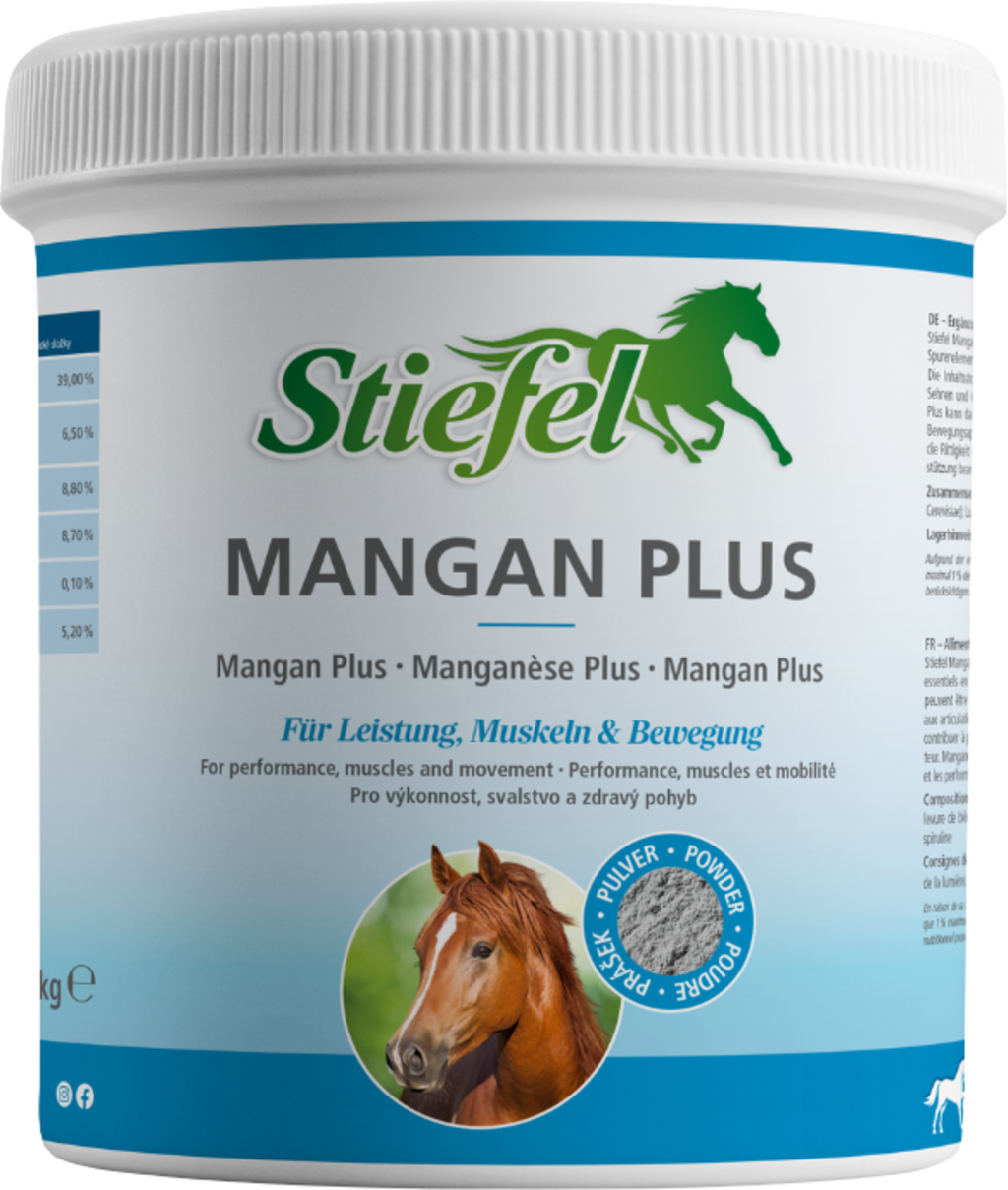
Stiefel
Stiefel Manganese Plus 1 KG Stiefel
incl. 19% VAT, plus shipping
In stock now · delivery in 3–5 days
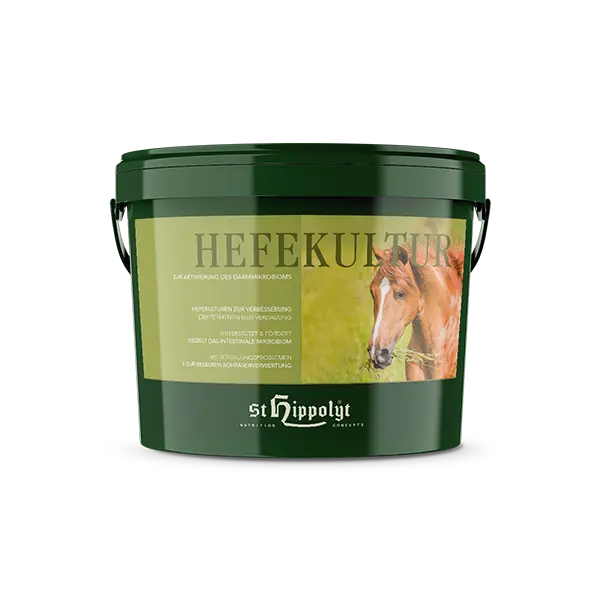
St. Hippolyt
St. Hippolyt Yeast Culture 1 Kg
incl. 7% VAT, plus shipping
In stock now · delivery in 3–5 days
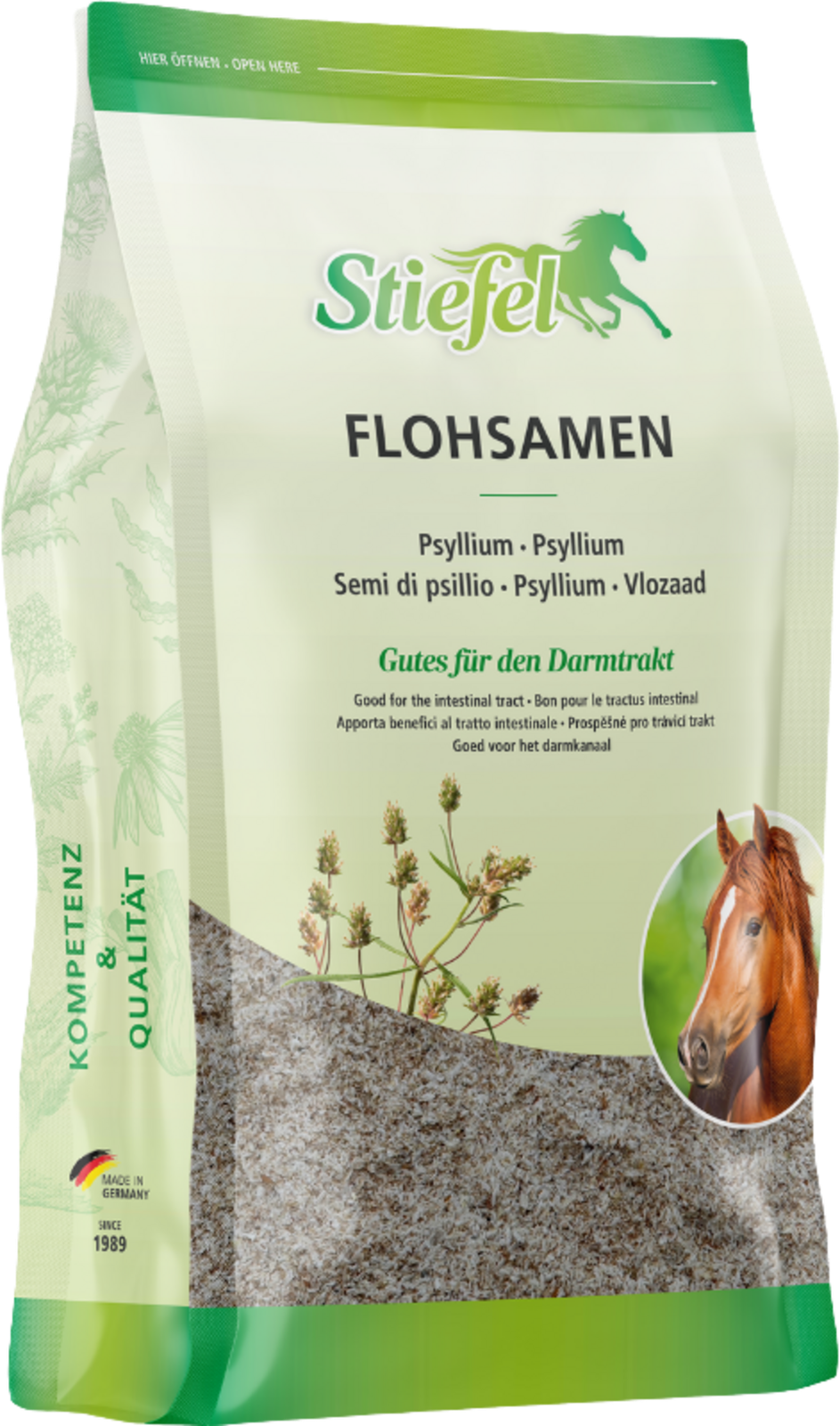
Stiefel
Stiefel Psyllium Seed
incl. 19% VAT, plus shipping
In stock now · delivery in 3–5 days
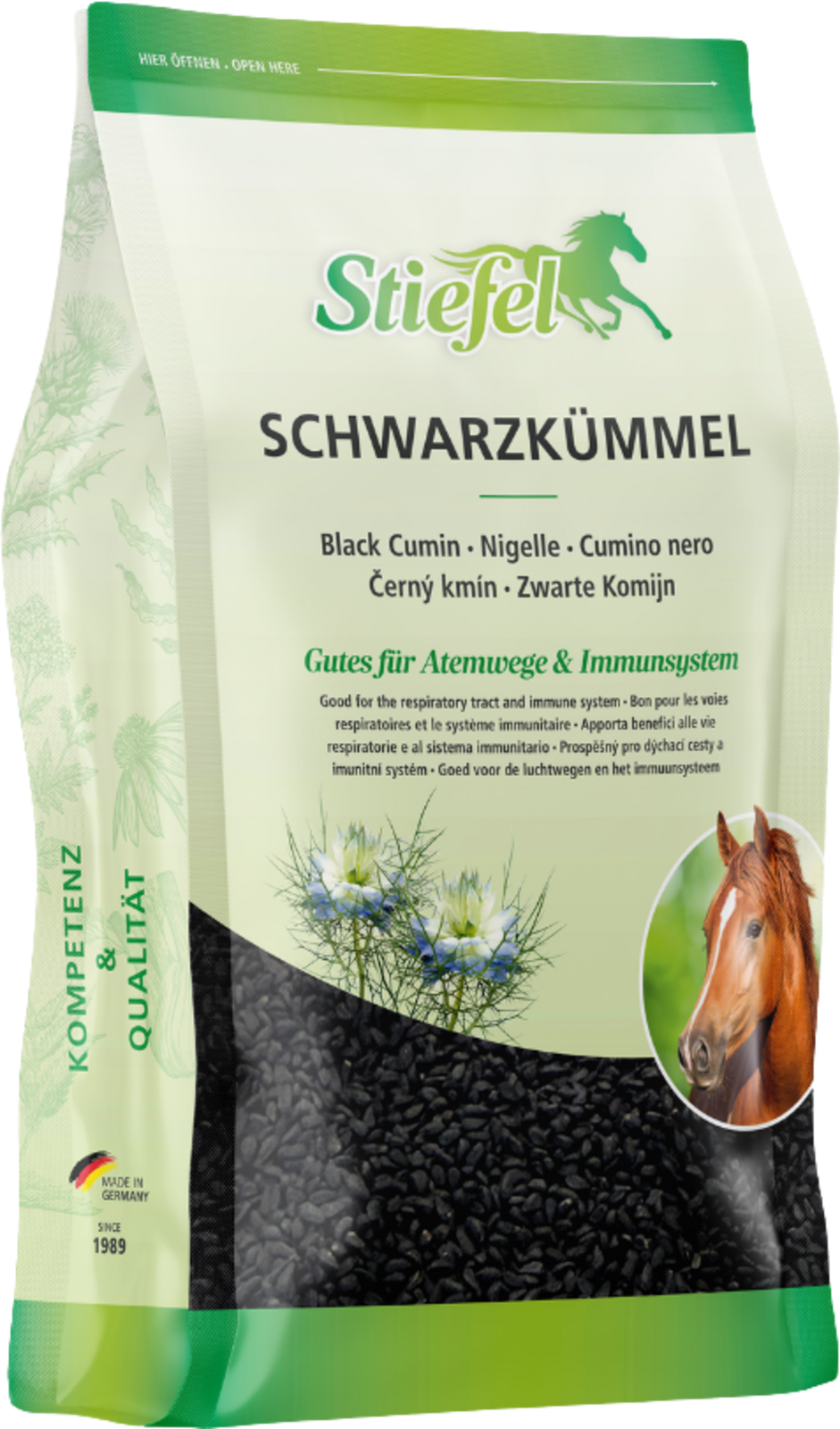
Stiefel
Stiefel Black Cumin Seed
incl. 7% VAT, plus shipping
In stock now · delivery in 3–5 days
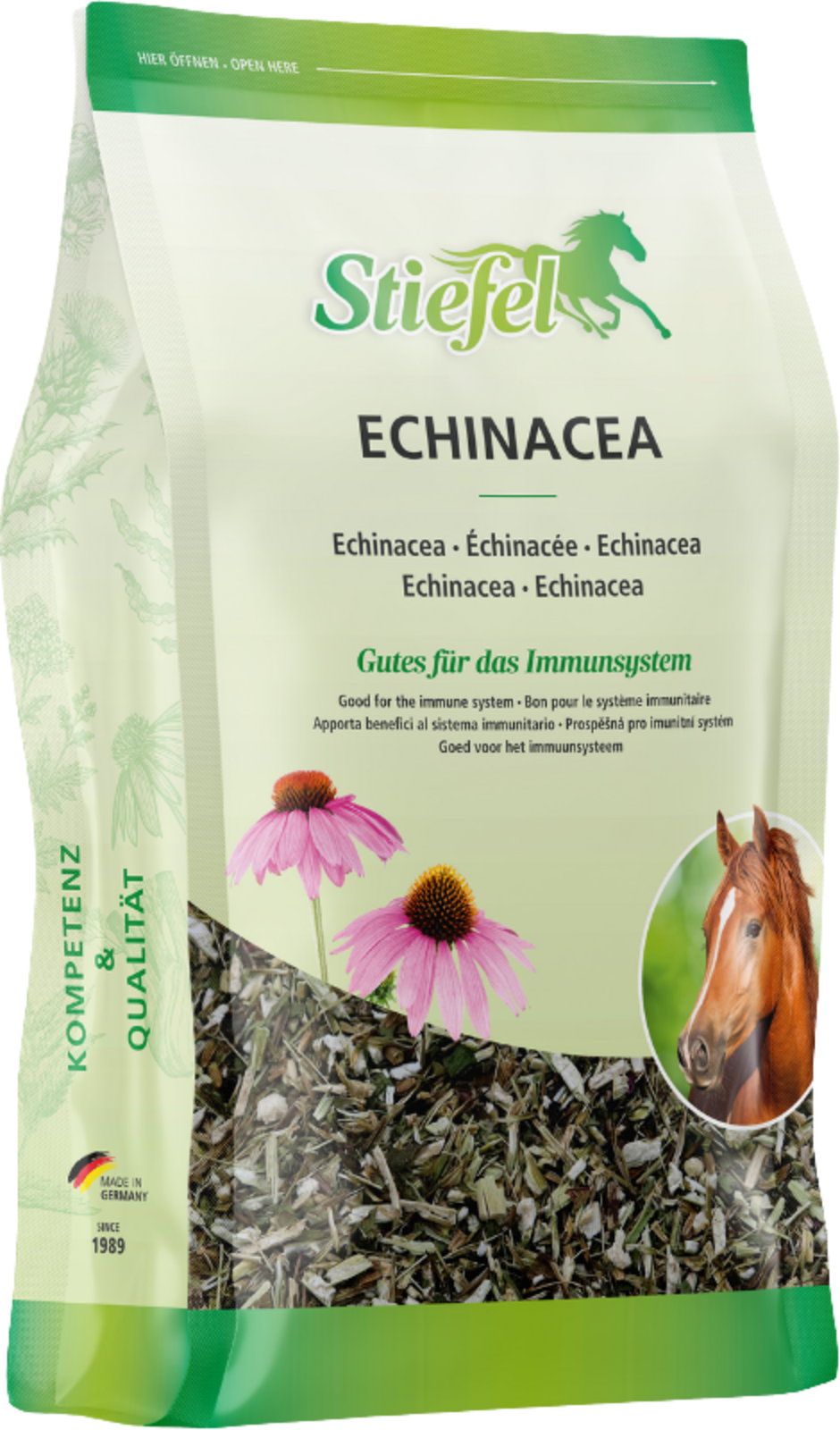
Stiefel
Stiefel Echinacea
incl. 19% VAT, plus shipping
In stock now · delivery in 3–5 days
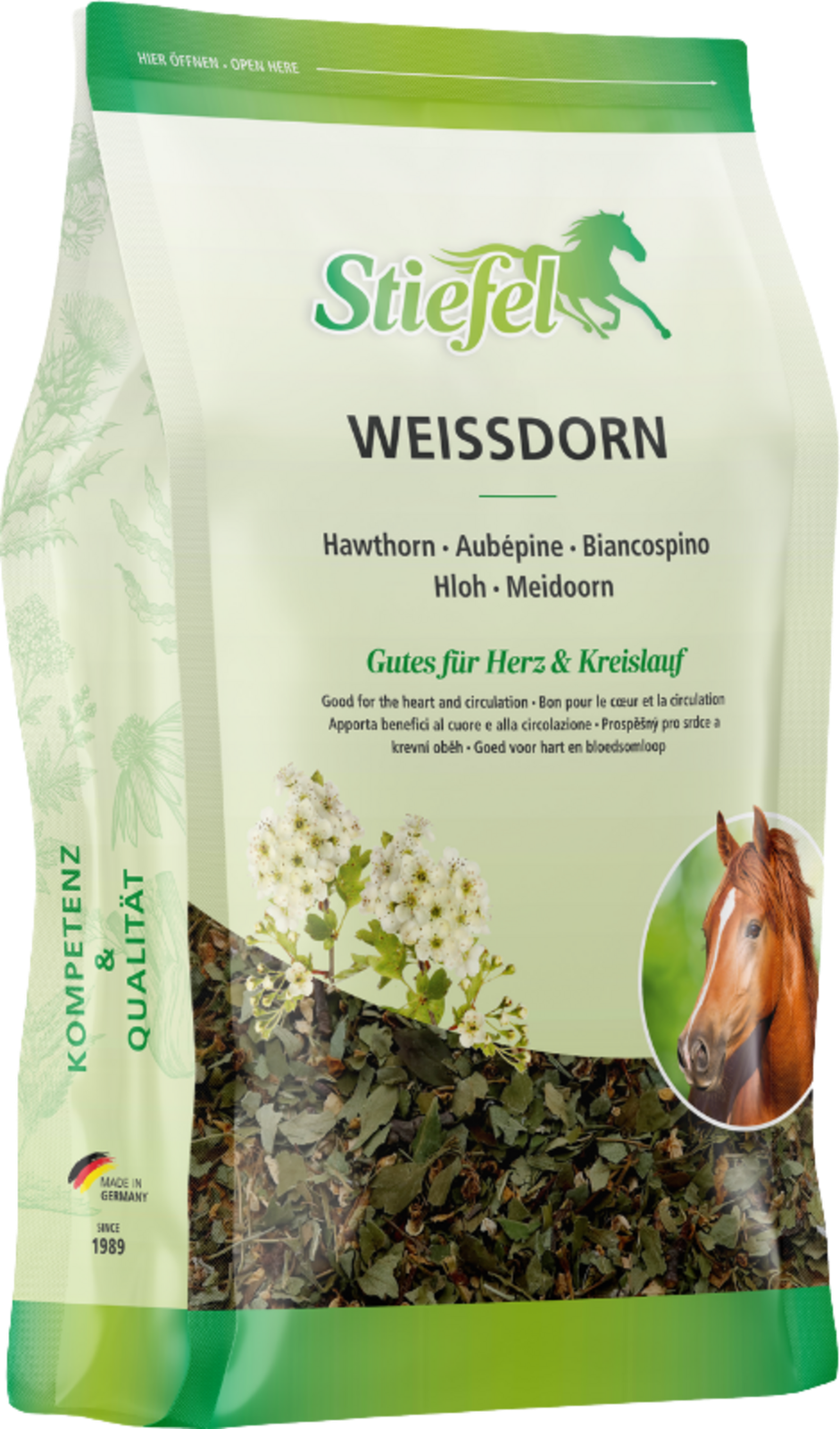
Stiefel
Stiefel Hawthorn
incl. 19% VAT, plus shipping
In stock now · delivery in 3–5 days
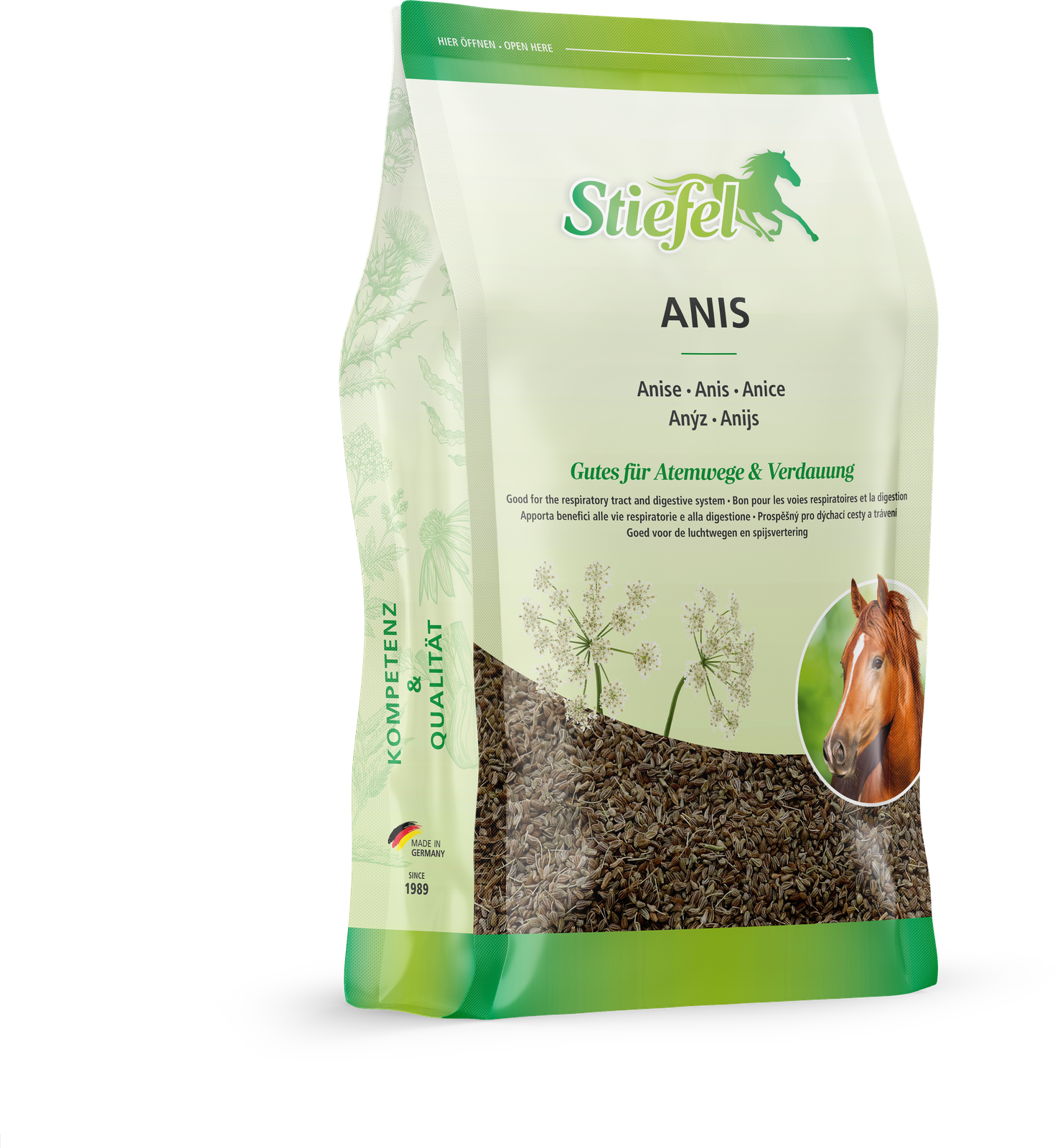
Stiefel
Stiefel Aniseed
incl. 7% VAT, plus shipping
In stock now · delivery in 3–5 days
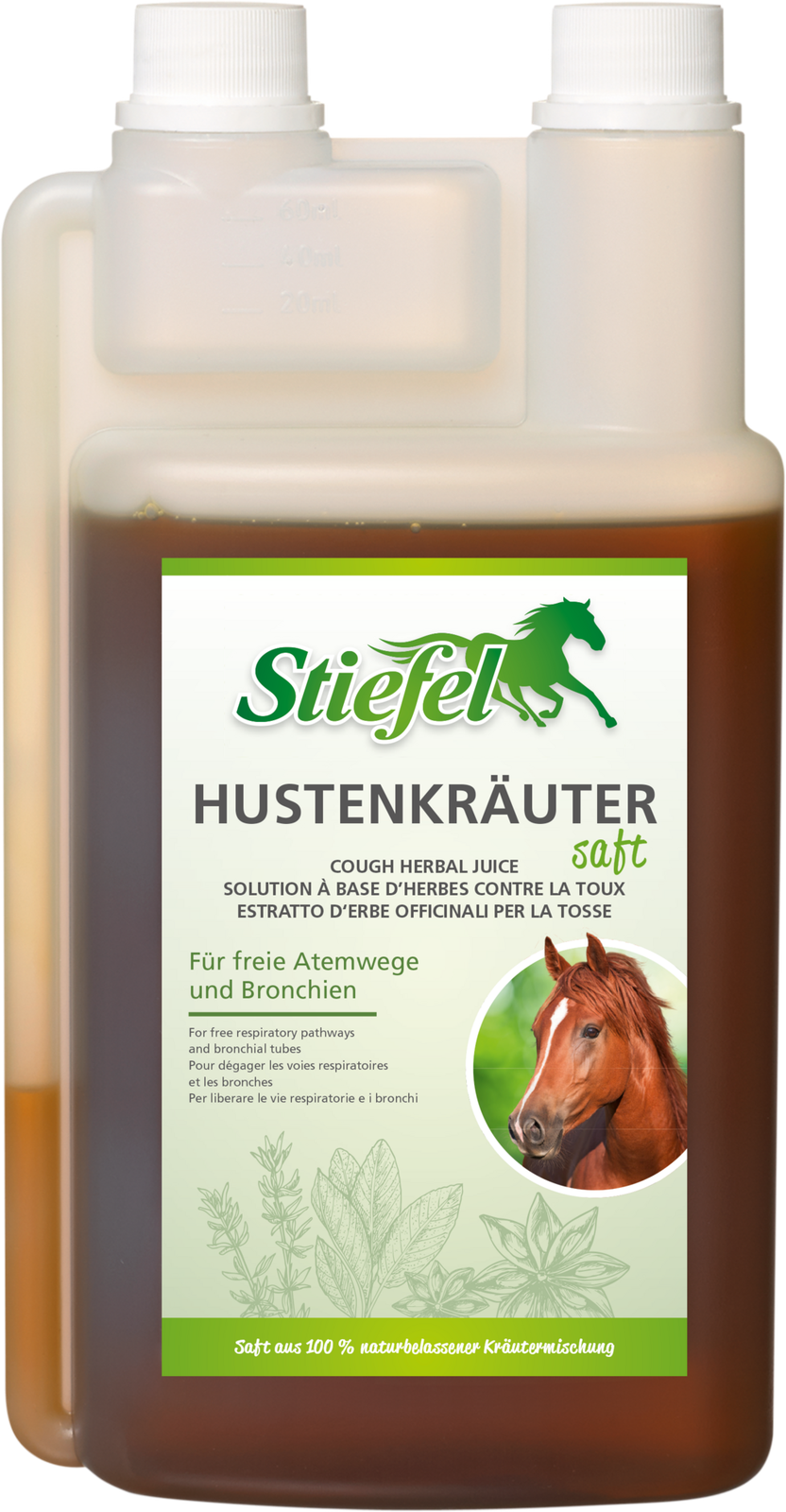
Stiefel
Stiefel Herbal Cough Syrup 1L
incl. 7% VAT, plus shipping
In stock now · delivery in 3–5 days
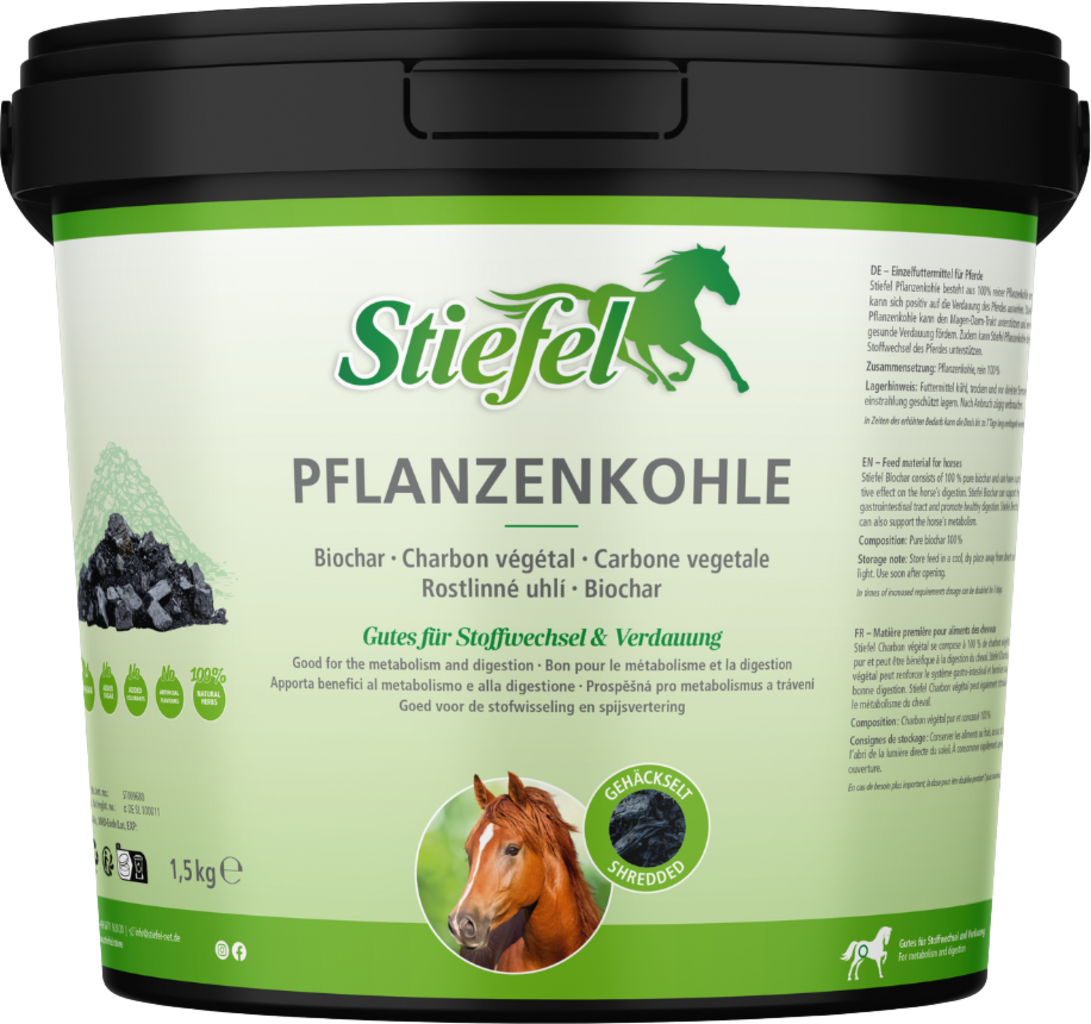
Stiefel
Stiefel Plant Charcoal 1.5kg chopped
incl. 7% VAT, plus shipping
In stock now · delivery in 3–5 days
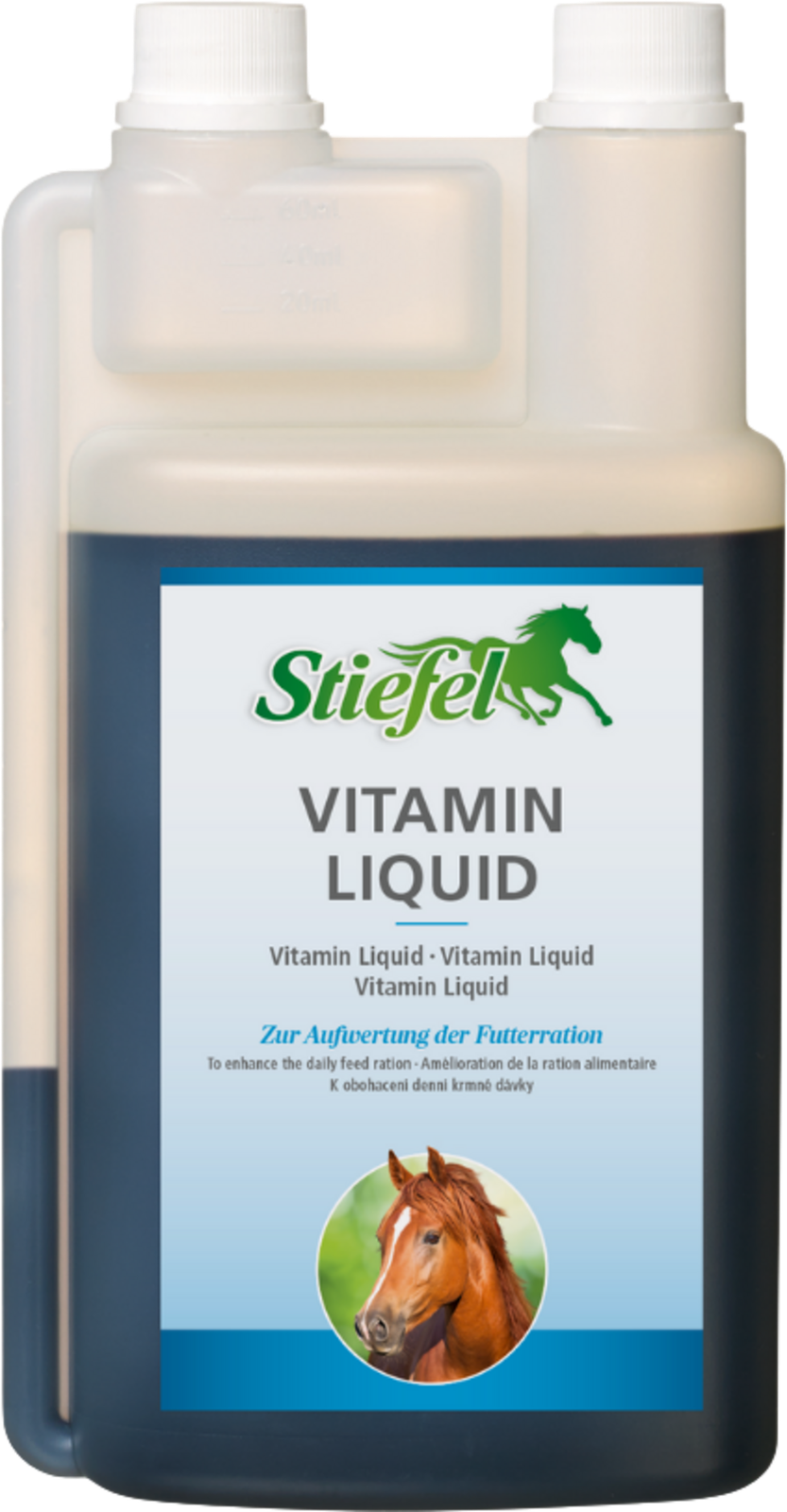
Stiefel
Stiefel Vitamin Liquid
incl. 19% VAT, plus shipping
In stock now · delivery in 3–5 days
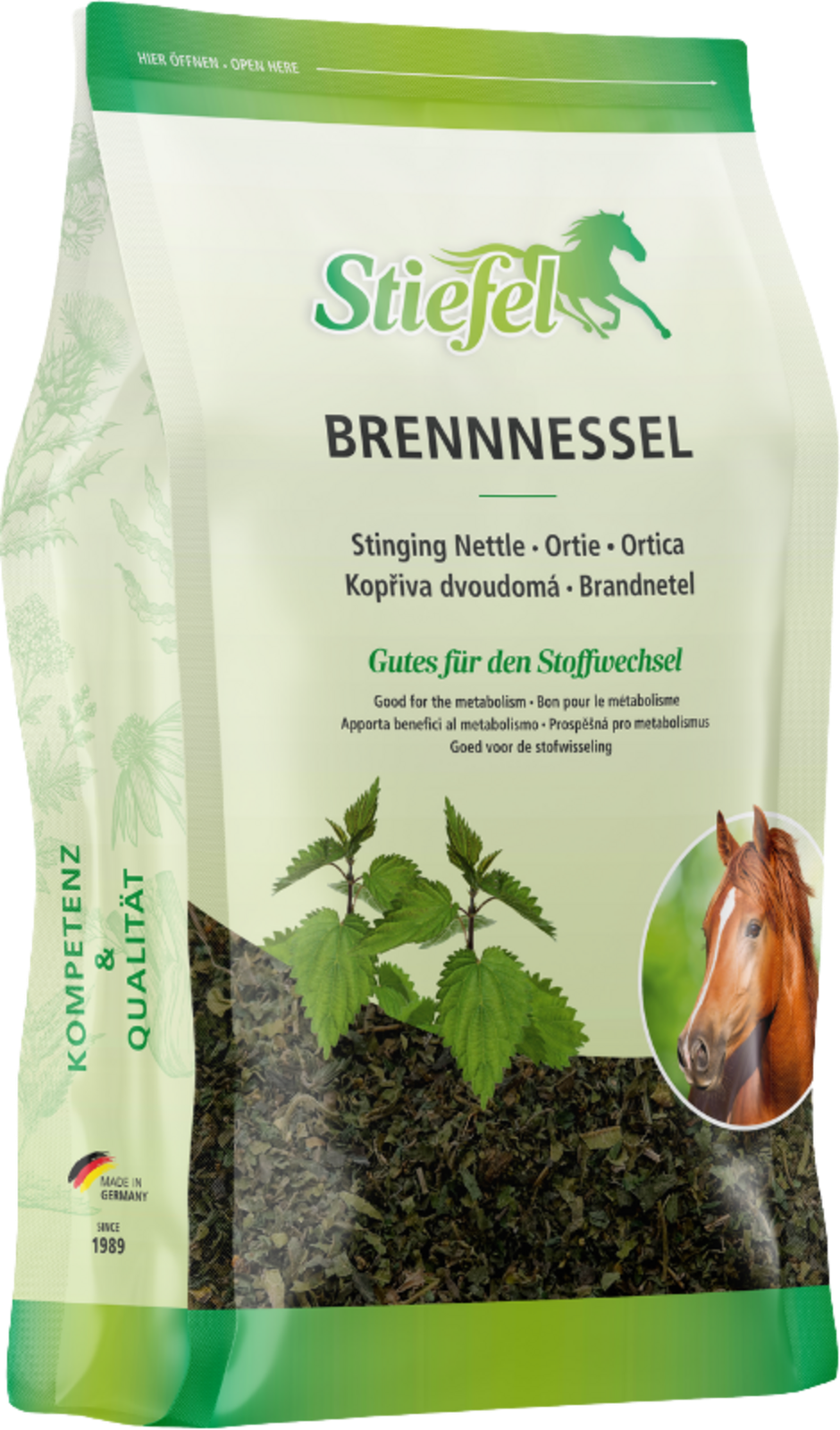
Stiefel
Stiefel Nettle
incl. 19% VAT, plus shipping
In stock now · delivery in 3–5 days
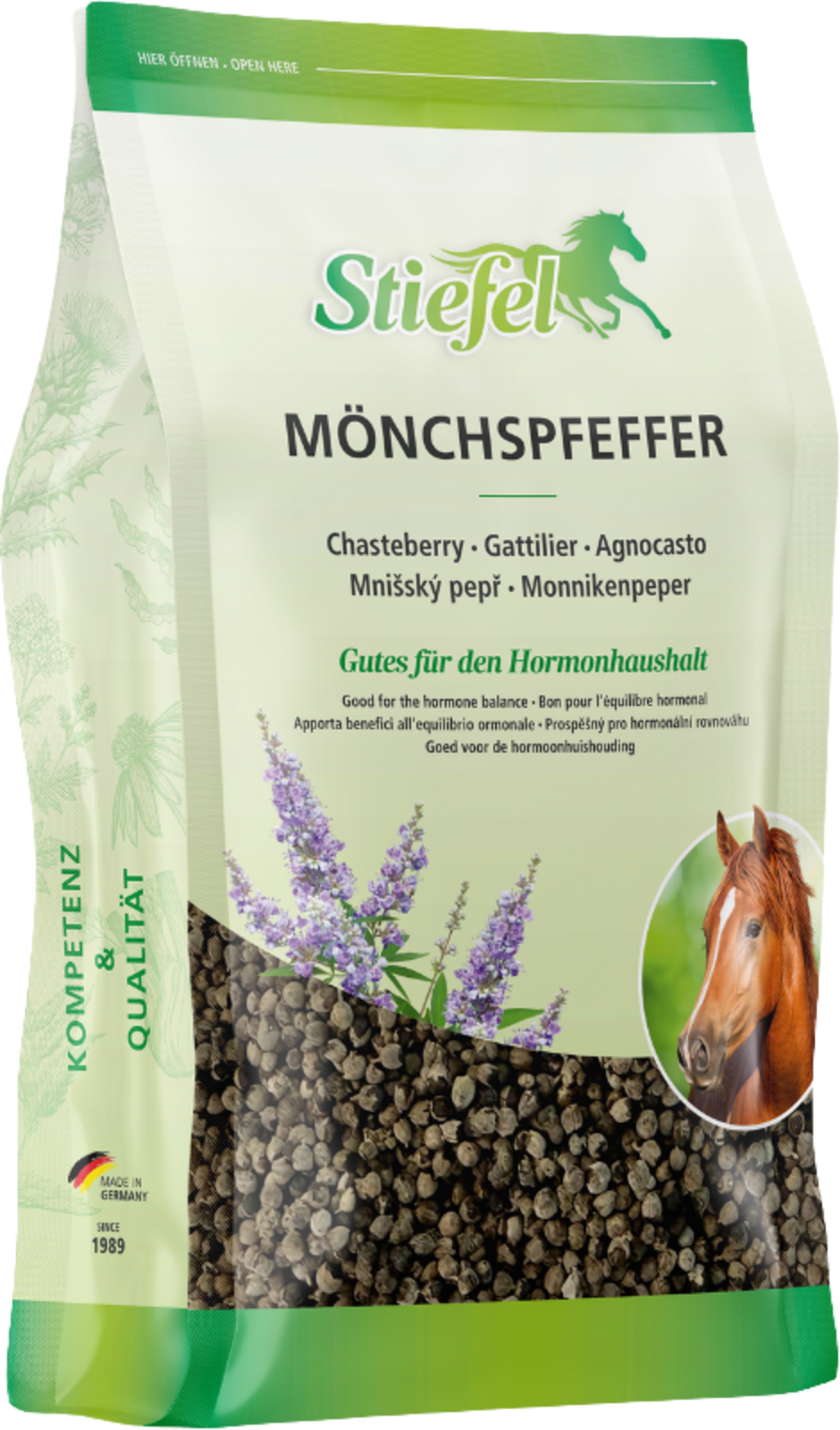
Stiefel
Stiefel Monk's Pepper
incl. 19% VAT, plus shipping
In stock now · delivery in 3–5 days
All 132 products
take a look